
Where is my septic tank? If you’re asking this question, you’re not alone! Many homeowners, especially those new to a property with a septic system, are unsure about the location of this crucial component. Locating your septic tank is vital for regular maintenance, inspections, and any future repairs. Fortunately, with a little detective work and this guide, you can successfully pinpoint where is my septic tank located on your property.
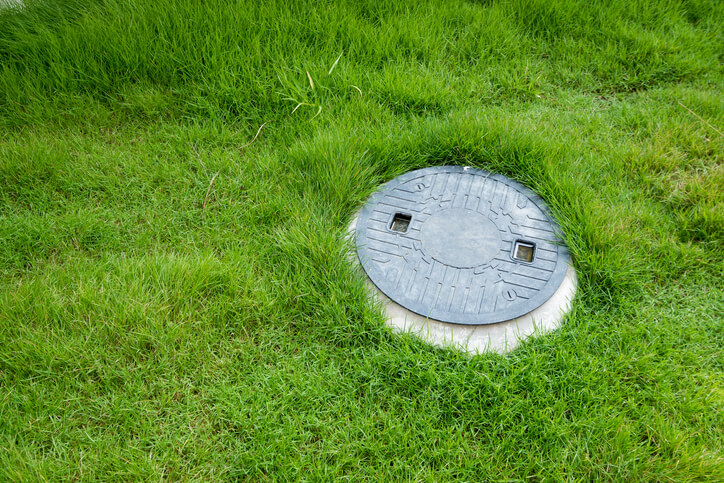
Image Source: www.jonessepticfl.com
Deciphering Your Septic System Identification
Before you start digging, it’s important to have a general idea of what a septic system entails. A typical septic system consists of two main parts: the septic tank itself and the drainfield (also known as a leach field). The septic tank is where wastewater from your home collects, solids settle to the bottom, and scum floats to the top. The liquid then flows out to the drainfield, where it’s naturally filtered by the soil. Septic system identification can sometimes be straightforward if you know what to look for.
The Importance of Knowing Your Septic Tank’s Location
Knowing the precise location of your septic tank and drainfield is paramount for several reasons:
- Routine Pumping: Septic tanks need to be pumped out every 3-5 years, depending on household size and water usage. Without knowing the location, you can’t schedule this essential maintenance.
- Septic Tank Inspection: When buying or selling a home, or if you suspect a problem, a septic tank inspection is necessary. This requires access to the tank.
- Emergency Repairs: If your system backs up or shows signs of failure, you’ll need to know where the tank is to address the issue quickly.
- Preventing Damage: You don’t want to accidentally drive heavy equipment over your tank or drainfield, which can cause significant damage.
- Future Property Improvements: Planning a landscaping project, an addition, or a new driveway? Knowing your septic system’s layout prevents costly mistakes.
Simple Steps for Finding Your Septic Tank
Let’s get started on locating your septic tank. Here’s a step-by-step approach to help you in your septic tank cover search.
Step 1: Gather Existing Information
The easiest way to find your septic tank is by using information that might already exist.
Consulting Property Records
- Local Health Department: Your local health department often keeps records of septic system permits and installations. They might have a septic system map or records that indicate the general area of your tank. Call them and explain you’re trying to locate your septic tank for maintenance purposes.
- Building Permits: When your house was built or any renovations involving plumbing were done, permits were likely filed. These permit applications may include site plans showing the septic system. Check with your town or county building department.
- Previous Homeowners: If you have contact with the previous owners, they might be able to tell you where the tank is.
Reviewing Homeowner Documents
- Deed or Closing Documents: Sometimes, a septic system map or a diagram is included with your property’s closing documents when you purchased the home.
- Previous Inspection Reports: If you’ve had a home inspection in the past, the report might detail the septic system’s location.
Step 2: Visual Clues and Common Locations
Septic tanks are typically buried a few feet underground, but there are often visual cues that can lead you to the septic tank access point.
Typical Septic Tank Placement
- Near the House: Septic tanks are usually located downhill from the house and at least 10-20 feet away from the foundation. This allows gravity to move wastewater from the house to the tank.
- Along the Main Sewer Line: The tank will be situated along the path of the main sewer line that exits your house. Follow the general direction that your sewer pipes would exit the building.
- Away from Driveways and Patios: While not always the case, installers often try to avoid placing tanks directly under heavy structures or frequently used paved areas.
What to Look For in Your Yard
- Slightly Depressed Areas: Over time, the ground above a septic tank might settle slightly, creating a shallow depression.
- Unusual Grass Growth: Sometimes, grass above a healthy septic tank might appear greener and grow faster due to the nutrients released. However, this is not a foolproof indicator.
- Visible Risers or Lids: While the tank itself is buried, there are usually one or two access ports (risers) that extend to or just below the surface. These are typically made of plastic or concrete and have a lid. This is your primary goal in septic tank lid discovery.
Step 3: Using Tools and Techniques for Finding Underground Septic Tank
If visual clues aren’t enough, you might need to employ some more direct methods to locate your septic tank.
The Probe Method
This is a common DIY technique for finding underground septic tank components.
- What You’ll Need:
- A long, thin metal rod or rebar (about 4-6 feet long).
- A mallet or hammer.
- Marker flags or stakes.
- How to Do It:
- Start in the general area where you suspect the tank might be (based on Step 2).
- Push the metal rod into the ground, probing systematically. Walk in a grid pattern, spacing your probes about 2-3 feet apart.
- When you hit the septic tank lid or riser, the rod will meet solid resistance. It might feel different than hitting solid earth or a rock.
- Mark the spot where you feel this resistance.
- Continue probing in the same line. You should eventually hit the end of the tank or a second riser.
- The area between these points is likely where your tank is located.
Metal Detector Use
A metal detector can be an excellent tool for septic tank lid discovery, especially if you suspect the lid is metal or the riser has metal components.
- What You’ll Need:
- A sensitive metal detector.
- How to Do It:
- Turn on the metal detector and calibrate it.
- Sweep the area systematically, paying close attention to areas where you suspect the tank might be.
- A strong signal will indicate metal, which could be your septic tank lid or riser.
Using a Camera Snake (Borescope)
If you have a small opening, a camera snake can help you confirm if you’ve found the tank.
- What You’ll Need:
- A waterproof camera snake with a light.
- How to Do It:
- If you find a potential access point, carefully remove any cover.
- Insert the camera snake into the opening.
- Look for signs of wastewater, sludge, and scum, which are indicators that you’ve found the septic tank.
Step 4: Confirming Your Discovery
Once you believe you’ve found the tank, it’s time to confirm.
Identifying the Septic Tank Lid
Septic tanks typically have two access lids, often referred to as manholes or risers.
- Material: These lids can be made of concrete, plastic, or occasionally metal.
- Size: They are usually circular or rectangular and can range from 24 to 36 inches in diameter.
- Depth: The lids might be at ground level, or they could be several inches to a couple of feet below the surface, often covered by soil, grass, or mulch.
Identifying the Septic Tank Access Point
The septic tank access point is the opening that allows professionals to service the tank.
- Risers: Many modern septic systems have risers extending from the tank to near the surface, making access much easier. These are usually plastic pipes with protective lids.
- Direct Burial: Older systems might have lids buried directly at the tank level, requiring more digging to expose them.
Step 5: What to Do Once You Find It
Congratulations! You’ve successfully completed your septic tank cover search. Now what?
Mark the Location Permanently
- Permanent Markers: Use a brightly colored stake, a painted rock, or a small, weather-resistant sign to clearly mark the location of the septic tank lid(s) and the drainfield. This will save you time and effort in the future.
- Sketch a Map: Draw a simple diagram of your yard, noting the precise location of the tank and drainfield relative to fixed landmarks like your house, a fence, or a large tree. Keep this septic system map with your important home documents.
Professional Assistance
If you’ve exhausted all other options or are unsure about your findings, it’s always best to call a professional.
- Septic Service Companies: Septic service professionals are experts at locating septic tank lids, even when they are buried deep or covered by landscaping. They have specialized equipment and experience.
- Septic Tank Inspection: When a professional performs a septic tank inspection, they will not only locate the tank and drainfield but also assess its condition and ensure it’s functioning properly.
Locating the Drainfield
While finding the tank is crucial, knowing the location of your drainfield is equally important. The drainfield is where the treated effluent from the tank is dispersed into the soil.
Identifying Drainfield Signs
- Grassy Area: The drainfield is typically a large, relatively flat, grassy area.
- Uneven Ground: Sometimes, the trenches in the drainfield can cause slight undulations in the ground’s surface.
- No Trees or Large Shrubs: You should avoid planting trees or large shrubs over the drainfield, as their roots can clog the system. If you see an area with only grass and no large vegetation, it might be your drainfield.
- Observation Holes: Some drainfields have observation holes or ports, usually marked with a small cap or cover, allowing for inspection of the system’s function.
Why Knowing the Drainfield Location Matters
- Avoidance: Never drive or park heavy vehicles on your drainfield. This can compact the soil and damage the underground pipes.
- Landscaping: Be mindful of what you plant over or near the drainfield. Avoid deep-rooted plants.
- Maintenance: If you notice unusual wet spots or lush green grass in a specific area, it could indicate a problem with your drainfield. Knowing its location helps diagnose these issues.
Common Challenges and Solutions
Sometimes, finding your septic tank isn’t as straightforward as you’d hope.
Challenge: Tank is Deeply Buried
- Solution: This is where systematic probing becomes essential. If you have a large yard, you might need to be very methodical with your grid pattern. A metal detector can also be more effective in this scenario if the lid is metallic.
Challenge: Tank Lid is Non-Metallic
- Solution: If the tank lid is made of concrete or plastic, a standard metal detector won’t work. You’ll rely heavily on the probing method and visual cues.
Challenge: Area is Heavily Landscaped
- Solution: If the suspected area is covered with dense bushes, mulch, or flower beds, you’ll need to carefully move aside the landscaping material to probe the ground underneath. Be gentle if you suspect you are close to the tank to avoid damaging any exposed components.
Challenge: No Prior Records or Information
- Solution: This is the most challenging scenario, but not impossible. Focus on following the sewer line out of your house. Look for the most likely locations based on topography and distance. If all else fails, hiring a professional is the most efficient route.
Septic System Inspection: A Professional’s Perspective
A professional septic tank inspection goes beyond just finding the tank. It involves a thorough evaluation of the entire system.
What a Professional Inspection Includes:
- Locating: Finding both the septic tank and the drainfield.
- Tank Pumping: Often, the first step is pumping out the tank to allow for a proper inspection.
- Tank Assessment: Checking the tank’s condition, including the baffles, walls, and lid for any signs of damage or leaks.
- Effluent Filter Check: If present, the effluent filter is cleaned and inspected.
- Drainfield Evaluation: Assessing the drainfield for signs of saturation, clogging, or failure. This might involve checking observation ports or digging small test holes.
- Recommendations: Providing a report with any necessary repairs or maintenance suggestions.
Frequently Asked Questions (FAQ)
Q1: Can I dig up my septic tank myself?
Yes, you can try to locate the lid yourself using the methods described above. However, exercise caution and avoid excessive digging without confirming the tank’s presence to prevent unnecessary disturbance. If you plan to excavate further, it’s best to consult a professional to avoid damaging the tank or its components.
Q2: How often should my septic tank be pumped?
Septic tanks should typically be pumped every 3 to 5 years. The exact frequency depends on the size of your household, the volume of wastewater produced, and the size of your tank. Regular pumping prevents solids from accumulating and potentially clogging the system.
Q3: What are the signs of a failing septic system?
Signs of a failing septic system can include slow drains, sewage odors, gurgling sounds in pipes, sewage backing up into the house, unusually lush or dead patches of grass over the drainfield, or pooling water in the yard. If you notice any of these issues, contact a septic professional immediately.
Q4: Is it okay to drive over my septic tank or drainfield?
No, it is not advisable to drive or park heavy vehicles over your septic tank or drainfield. The weight can cause the tank to shift or crack, and it can compact the soil in the drainfield, reducing its ability to properly treat wastewater.
Q5: My neighbor’s septic tank is in my yard. Is this legal?
Easements for septic systems are common, especially in older developments where lot lines may have been drawn without considering the ideal placement of systems. If your neighbor’s septic system or drainfield is on your property, this should have been disclosed and legally documented as an easement during your property purchase. It’s wise to review your property deed and consult with a real estate attorney if you have concerns.
Q6: What if I can’t find any evidence of my septic tank?
If you’ve tried probing and using a metal detector without success, and there are no visual cues or existing records, your best bet is to hire a professional septic service company. They have specialized equipment, such as ground-penetrating radar or pipe locators, that can help them pinpoint the exact location of your buried septic tank and its components.
By following these detailed steps, you can confidently locate your septic tank and ensure the proper maintenance of your home’s essential wastewater system. Remember, proactive care is key to a healthy and functional septic system.