
Can you get rid of black widow spiders in your yard? Yes, you can, by using a combination of prevention, physical removal, and targeted treatments. This guide will walk you through safe and effective methods for black widow spider control in your outdoor spaces.
Black widow spiders are a common concern for homeowners with outdoor spaces. Their venomous bite, while rarely fatal to humans, can cause significant pain and illness. Protecting your yard from these eight-legged inhabitants is crucial for enjoying your outdoor living areas safely. This article provides a comprehensive approach to getting rid of black widow spiders in your yard, focusing on effective and safe methods for yard pest removal. We’ll cover everything from identification to long-term prevention, ensuring your backyard bug control is robust and reliable.
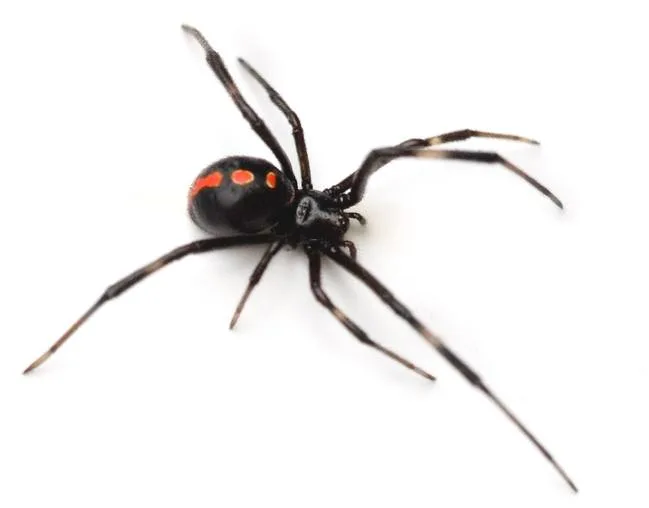
Image Source: images.surferseo.art
Identifying the Black Widow Spider
Before you can effectively deal with black widow spiders, you need to know what they look like. This is a key step in safe spider removal.
Physical Characteristics
- Color: Adult female black widows are typically shiny black.
- Markings: The most distinctive feature is the red hourglass shape on the underside of their abdomen. This marking can sometimes be broken or irregular. Juvenile females and males may have variations in color and markings, but the adult female is the primary concern due to her venom.
- Size: The body of an adult female black widow is about half an inch long. Including their leg span, they can reach about 1.5 inches.
Habitat Preferences
Black widow spiders are shy and prefer to build their irregular, tangled webs in dark, undisturbed areas. Common locations in yards include:
- Woodpiles: Piles of firewood are prime real estate.
- Outdoor Furniture: Undersides of tables, chairs, and storage containers.
- Sheds and Garages: Corners, shelves, and stored items.
- Rock Piles and Debris: Any cluttered area with shelter.
- Compost Bins: Often provide dark, protected spaces.
- Eaves and Crawl Spaces: Around the exterior of homes and outbuildings.
Safe and Effective Removal Methods
Getting rid of black widow spiders requires a multi-pronged approach. Combining different strategies ensures maximum effectiveness and safety for you, your family, and pets.
Physical Removal and Web Clearing
This is often the first and safest line of defense.
Spider Web Removal
- Tools: Use a broom with a long handle, a sturdy stick, or a vacuum cleaner with a hose attachment.
- Technique: Carefully sweep away all webs, egg sacs, and visible spiders. Do this gently to avoid disturbing the spiders unnecessarily, especially if you are not wearing protective gear. Dispose of the collected material immediately in a sealed plastic bag.
- Frequency: Regularly clearing webs makes your yard less inviting for spiders to rebuild and helps you monitor for activity.
Direct Removal
- Gloves: Always wear thick gloves when attempting direct removal. Leather or heavy-duty gardening gloves are recommended.
- Containers: Use a jar or a container with a lid to trap the spider. You can then take it far away from your home or dispose of it.
- Vacuuming: A vacuum cleaner can be effective for sucking up spiders and webs from hard-to-reach areas. Ensure you empty the vacuum bag or canister outdoors into a sealed bag afterward.
Chemical Treatments: When and How
Chemical treatments should be a last resort or used for severe infestations. Always prioritize safety.
Insecticides for Spider Control
- Types: Look for insecticides specifically labeled for spider control and outdoor use. Pyrethroids (like permethrin or bifenthrin) are commonly used.
- Application: Apply directly to webs, suspected hiding places, and entry points. Follow label instructions precisely regarding application rates, safety precautions, and reapplication schedules.
- Safety: Keep children and pets away from treated areas until the spray has dried. Wear protective clothing, including long sleeves, pants, gloves, and eye protection, when applying.
Granular Insecticides
- Use: Granular products can be applied to lawns and garden beds to create a barrier.
- Effectiveness: These work by killing spiders that come into contact with the granules.
- Timing: Best applied when the soil is slightly moist, but not waterlogged.
Professional Pest Control
For persistent or severe infestations, consider hiring a professional pest control service. They have the expertise and specialized equipment to handle venomous spiders safely and effectively. They can assess the situation, identify all hiding spots, and apply appropriate treatments. This is often the safest option if you are unsure or uncomfortable dealing with black widows yourself.
Preventing Black Widows: Long-Term Solutions
Prevention is key to keeping black widow spiders out of your yard in the first place. This involves making your yard less hospitable to them.
Yard Maintenance and Tidiness
A clean yard is a less inviting yard for spiders.
Decluttering Your Yard
- Remove Debris: Clear away leaf litter, grass clippings, old lumber, and any other organic debris where spiders can hide and build webs.
- Organize Storage: Store firewood off the ground and away from the house. Keep outdoor furniture and equipment clean and covered when not in use.
- Container Management: Regularly check and clean storage bins, planters, and any other containers that might provide shelter.
Landscaping Strategies
- Trim Vegetation: Keep grass trimmed and trim back bushes and trees that touch the house. Spiders can use these as bridges to access your home.
- Gravel Borders: Consider creating a gravel border around your foundation. Spiders tend to avoid crossing wide expanses of gravel.
- Mulch Management: While mulch is beneficial for gardens, thick layers can provide hiding spots. Keep mulch pulled back a few inches from your home’s foundation.
Sealing Entry Points
Preventing spiders from entering your home or sheds is a crucial part of outdoor spider solutions.
Inspecting and Sealing
- Foundation: Check your home’s foundation for cracks and gaps. Seal these with caulk.
- Doors and Windows: Ensure door sweeps are intact and window screens are free of holes. Weatherstripping can also help.
- Utilities: Seal any openings around pipes, wires, or vents that enter your home.
Natural Spider Repellent Options
For those who prefer to avoid chemical treatments, several natural spider repellent strategies can be employed.
Essential Oils
- Peppermint Oil: Spiders are said to dislike the strong scent of peppermint. Mix about 10-15 drops of peppermint essential oil with water in a spray bottle. Spray around entry points, windowsills, and areas where you’ve seen spiders.
- Tea Tree Oil, Eucalyptus Oil, Citronella Oil: These oils also have strong scents that can act as natural spider repellents. Use them similarly to peppermint oil.
Other Natural Deterrents
- Vinegar: A mixture of white vinegar and water (50/50 ratio) can be sprayed in areas where spiders are found. The acetic acid can kill spiders on contact and deter them.
- Chestnuts and Horse Chestnuts: Some people believe placing chestnuts or horse chestnuts in corners and on windowsills can deter spiders, though scientific evidence is limited.
Table 1: Natural Spider Repellent Effectiveness (General Observations)
| Repellent Type | Primary Scent | Application Method | Common Usage Areas |
|---|---|---|---|
| Peppermint Oil | Minty, strong | Spray | Entry points, windows, corners, outdoor areas |
| Tea Tree Oil | Medicinal, strong | Spray | Similar to peppermint oil |
| Eucalyptus Oil | Camphorous, strong | Spray | Similar to peppermint oil |
| Citronella Oil | Citrusy, lemony | Spray, candles | Outdoor seating areas, entry points |
| White Vinegar | Acetic acid, pungent | Spray | Entry points, windows, surfaces |
| Chestnuts/Horse Nuts | Natural, earthy | Placement | Corners, windowsills, storage areas |
Note: The effectiveness of natural repellents can vary, and they often require more frequent application than chemical treatments.
Specific Strategies for Yard Pest Removal
Focusing on the yard environment is crucial for successful black widow spider control.
Targeting Webs and Egg Sacs
This is a critical step in reducing the spider population.
Locating Webs
- Daylight Inspection: Inspect your yard during daylight hours when spiders are less active.
- Low Light: Dusk can also be a good time to spot webs with a flashlight, as they may reflect light.
Safely Destroying Egg Sacs
- Appearance: Black widow egg sacs are typically white, papery, and roughly spherical, about half an inch in diameter. They often have a gritty texture.
- Removal: If you find an egg sac, carefully enclose it in a plastic bag and crush it firmly to kill any developing spiderlings. Dispose of the bag immediately.
Insecticidal Dusts
Insecticidal dusts can be effective for cracks, crevices, and void areas where spiders might be hiding.
- Types: Diatomaceous earth (food grade) is a natural option that dehydrates insects. Synthetic dusts containing pyrethroids are also available.
- Application: Apply dusts to dry areas like under decks, in wall voids, and in cracks. Avoid applying to damp areas as it reduces effectiveness.
Outdoor Spider Solutions Beyond Direct Killing
Consider methods that make your yard less attractive overall.
Reducing Prey
Spiders are attracted to yards that offer a plentiful food source.
- Control Other Insects: Keep other insect populations in check. Black widows feed on a variety of insects, including flies, mosquitoes, ants, and other spiders. Managing these can indirectly reduce spider populations.
- Water Management: Eliminate standing water sources that attract mosquitoes and other flying insects.
Habitat Modification
- Eliminate Hiding Spots: As mentioned, decluttering is paramount. Remove anything that provides shelter or darkness.
- Vegetation Management: Keep dense ground cover trimmed back. Overgrown areas can be ideal habitats.
Safety Precautions for Black Widow Encounters
Dealing with black widow spiders requires caution. Your safety and the safety of your family and pets are paramount.
Protective Gear
- Gloves: Always wear thick, puncture-resistant gloves when handling webs, egg sacs, or when working in areas where spiders are known to be present.
- Clothing: Long sleeves, long pants, and closed-toe shoes are essential. Tuck pants into socks for added protection.
- Eye Protection: Safety glasses can protect your eyes from splashes if using liquid treatments or from debris when clearing webs.
Handling Spiders and Webs
- Avoid Direct Contact: Never touch a black widow spider or its web with bare skin.
- Dispose Properly: Seal all captured spiders and web debris in plastic bags before discarding them in outdoor trash bins.
Keeping Children and Pets Safe
- Educate: Teach children to recognize black widow spiders and to never touch them.
- Supervise: Supervise children and pets when they are playing outdoors, especially in areas known to harbor spiders.
- Area Restriction: Keep children and pets away from areas that have been treated with insecticides until the product has dried completely and it is safe according to the label.
Frequently Asked Questions (FAQ)
Q1: How quickly do black widow spiders reproduce?
A1: Female black widow spiders can produce multiple egg sacs throughout their lives, with each sac containing around 200-400 eggs. The eggs typically hatch within 20-30 days, depending on temperature.
Q2: Can I use a vacuum cleaner to get rid of black widow spiders?
A2: Yes, a vacuum cleaner with a hose attachment can be an effective way to suck up spiders and their webs from a distance. Be sure to seal the vacuum bag or canister immediately after use and dispose of it outdoors.
Q3: Are natural spider repellents effective against black widows?
A3: Natural repellents like peppermint oil, tea tree oil, and vinegar can deter black widow spiders due to their strong scents. However, they generally require more frequent application and may not be as potent as chemical treatments for established infestations.
Q4: When is the best time to treat for black widow spiders in my yard?
A4: The best time to treat for black widow spiders is typically in the spring, as temperatures warm up and spiders become more active. However, regular inspections and maintenance are important throughout the warmer months. Evening or early morning can be good times to spot active spiders.
Q5: What should I do if I am bitten by a black widow spider?
A5: If you suspect you have been bitten by a black widow spider, seek medical attention immediately. Try to safely capture the spider for identification if possible, but do not put yourself at risk. Clean the bite area with soap and water. Symptoms can include localized pain, muscle cramps, nausea, and sweating.
Conclusion: A Proactive Approach to a Spider-Free Yard
Getting rid of black widow spiders in your yard safely and effectively involves consistent effort and a methodical approach. By identifying these spiders correctly, employing safe removal techniques, and focusing on prevention through yard maintenance and habitat modification, you can significantly reduce their presence. Remember that black widow spider control is an ongoing process, not a one-time fix. Prioritize your safety by wearing protective gear and consulting professionals when necessary. With diligent application of these outdoor spider solutions, you can enjoy your yard with greater peace of mind.