
Can you find water lines in your yard before you dig? Yes, you absolutely can, and it’s crucial to do so to avoid costly damage and dangerous situations. Locate buried water pipe services are readily available, and there are also DIY methods you can employ to help pinpoint these vital underground pathways. This guide will walk you through the essential steps and tools for finding underground water pipes safely and effectively, turning potential digging disasters into well-informed projects.
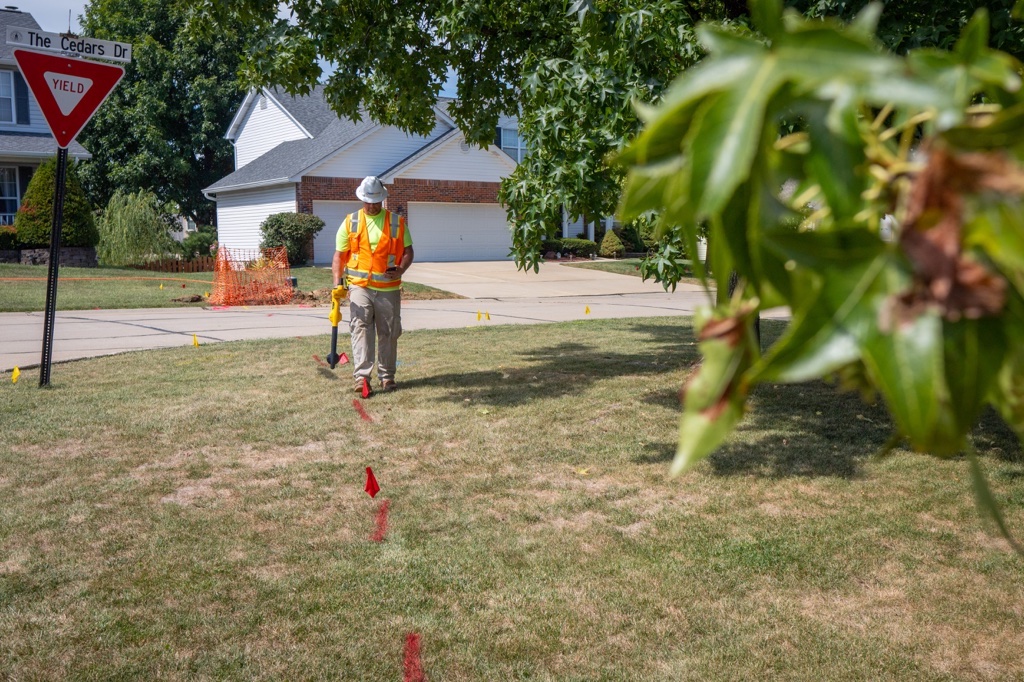
Image Source: utilisource.us
Why Knowing Your Water Lines Matters
Imagine this: you’re excited to plant a new tree, install a fence, or add a garden bed to your yard. You grab your shovel, envisioning a relaxing afternoon of DIY. Then, with a sickening thud, your shovel hits something hard. If that “something hard” is a water line, your pleasant afternoon can quickly turn into a messy, expensive nightmare. Water spraying everywhere, a potential shut-off of your water supply, and the cost of repairing a damaged pipe are all consequences of not knowing what lies beneath.
This is precisely why knowing how to find your water lines is so important. It’s not just about avoiding inconvenience; it’s about safety and preventing significant financial loss. Whether you’re a homeowner embarking on a landscaping project or a contractor preparing for excavation, identifying these buried arteries is paramount.
The Risks of Unmarked Lines
- Water Damage: Burst pipes can flood your yard, basement, or even your home.
- Service Disruptions: Damaging a main water line can cut off water to your property and potentially your neighbors.
- Costly Repairs: Excavating and repairing damaged underground water pipes can be very expensive, often running into thousands of dollars.
- Safety Hazards: In some cases, water lines can be near or intertwined with other utilities, like gas lines. Hitting a water line could inadvertently compromise other systems.
- Legal Liability: If you damage a utility line during excavation, you are typically liable for the repair costs.
Your First Step: Call Before You Dig (811)
Before you even think about picking up a shovel, the most important call you can make is to 811. This is the national “Call Before You Dig” number, connecting you to your local one-call center. This service is free, and it’s your primary resource for locating buried utilities, including water lines.
How the 811 Service Works
- You Call 811: You contact your local one-call center at least a few business days before you plan to dig.
- You Specify Your Dig Area: You’ll provide details about the location and scope of your digging project.
- Utility Companies Are Notified: The one-call center will notify all member utility companies in your area. This includes water, gas, electric, telecommunications, and sometimes even sewer companies.
- Professional Locators Mark Your Lines: Within a few business days, representatives from these utility companies will visit your property. They use specialized equipment, including a water line tracer, to detect and mark the approximate location of underground lines with flags or paint.
- You Dig Safely: Once the lines are marked, you can proceed with your digging, taking care to hand-dig within a safe distance of the marked utilities.
Important Note: The 811 service marks public utility lines. This means lines owned and maintained by the utility company up to the point where they enter your property. It does not typically mark private lines that run from your house to a detached garage, sprinkler system, or other structures. You are responsible for locating and protecting these private lines yourself.
DIY Methods for Finding Water Lines
While 811 is your essential first step, sometimes you need to pinpoint specific private lines or want to have a better idea of what’s going on before the professionals arrive. Several diy water pipe locator techniques can help.
Method 1: Visual Inspection and Existing Records
Sometimes, the best clues are right in front of you, or buried in your own paperwork.
Examining Your Property
- Water Meter Location: Where is your water meter located? The main water line typically runs from the meter to your house.
- Spigots and Outdoor Faucets: Trace a line from your outdoor spigots towards your house. The pipe usually enters the building near where these are located.
- Water Heater Location: Your water heater is a significant endpoint for incoming water. The line likely runs from where it enters the house to this location.
- Foundation Entry Points: Look for where the water pipe enters your home’s foundation. This is a strong indicator of the line’s path.
- Previous Landscaping: Did the previous owners install sprinkler systems or outdoor lighting? These often run alongside or connect to water lines.
- Dry Patches or Greener Areas: In dry weather, unusually green or damp patches of lawn can indicate a minor leak or the presence of a water line.
Reviewing Property Records
- Plumbing Schematics: If you have them, original blueprints or plumbing schematics of your house can be invaluable. These often detail the placement of water lines.
- Home Inspection Reports: Sometimes, home inspectors will note the general location of visible utility lines.
- Previous Utility Bills: While not directly helpful for location, understanding your water usage can give you context for your system.
Method 2: Listening for Water Flow
This is a classic underground pipe detection technique that relies on sound.
The Listening Stick or Metal Rod Method
A listening stick is essentially a long metal rod or a specialized tool designed to amplify sound.
How to Use a Listening Stick:
- Find a Solid Surface: Locate a metal component connected to your plumbing system, such as an outdoor spigot, a valve, or even a metal drainpipe.
- Insert the Rod: Place the tip of the listening stick firmly against this metal component.
- Listen Carefully: Place your ear to the top of the rod.
- Move the Rod: Slowly move the rod along the likely path of your water line, listening for any faint sounds of water flow. You might hear a gentle hissing or gurgling if the pipe is active.
- Test When Water is Running: This method is most effective when water is actively flowing through the pipes. Turn on an indoor faucet or hose bib and listen for changes.
Limitations: This method is best for identifying active leaks or significant flow. It can be difficult to detect small, quiet lines. Ambient noise can also interfere with your ability to hear faint sounds.
Method 3: Using a Water Line Tracer (Professional or High-End DIY)
This is where you move into more specialized equipment. A water line tracer, also known as a pipe locator or underground water pipe locator, is designed specifically for this task. These devices send a signal into the pipe, which is then detected by a handheld receiver.
How Water Line Tracers Work
Most professional underground water pipe locator systems operate on a principle of electromagnetic induction or acoustic detection.
-
Electromagnetic Locators: These systems often involve a transmitter and a receiver.
- Transmitter: The transmitter is connected to a metallic water line (usually via a faucet or valve). It sends a low-frequency electrical signal along the pipe.
- Receiver: The receiver is a handheld device that scans the ground. When it passes over the path of the energized pipe, it detects the electromagnetic field generated by the signal. The strength of the signal indicates proximity to the pipe.
-
Acoustic Locators: These devices are essentially highly sensitive microphones that can detect the subtle sounds of water flow or leaks. They are particularly useful for non-metallic pipes where an electromagnetic signal cannot be sent.
When to Consider a Water Line Tracer
- Locating Non-Metallic Pipes: If you suspect your water lines are made of PVC or other non-conductive materials, an electromagnetic locator won’t work unless a tracer wire is buried alongside the pipe. Acoustic locators are better suited for these.
- Pinpointing Private Lines: As mentioned, 811 usually doesn’t mark private lines. If you need to know the exact path of a line to a detached structure or irrigation system, a tracer is your best bet.
- Complex Utility Layouts: If your property has many underground utilities, precise locating is essential.
- When DIY Methods Fail: If visual inspection and listening aren’t giving you clear answers, a tracer is the next logical step.
Using a DIY Water Pipe Locator
While professional units can be expensive, there are more affordable diy water pipe locator options available, though their accuracy might vary. When using one:
- Read the Manual: Thoroughly read the manufacturer’s instructions.
- Connect the Transmitter: If it’s an electromagnetic locator, connect the transmitter to a suitable point on your metallic water line.
- Calibrate the Receiver: Follow the instructions for calibrating the receiver.
- Scan the Area: Slowly walk the receiver over the suspected path of the pipe, keeping it at the recommended height above the ground.
- Follow the Signal: The receiver will indicate when it detects the signal. Mark the strongest point. Then, sweep from side to side to find the peak signal, which usually indicates the center of the pipe.
- Mark the Path: Use flags or spray paint to mark the detected line’s path.
Method 4: Checking for a Tracer Wire
Modern underground installations often include a tracer wire buried alongside non-metallic pipes (like PVC water lines) specifically to aid in locating them. This wire acts as a conductor for electromagnetic locators.
- How to Check: If you have PVC pipes, look for a thin, insulated wire running parallel to them. This wire often runs from the pipe to a valve box or other accessible point.
- Using a Locator: If you find a tracer wire, you can connect the transmitter of an electromagnetic locator to this wire. This will allow the locator to trace the path of the non-metallic pipe.
When to Call a Professional Utility Line Locating Service
While DIY methods can be helpful, there are times when hiring a professional utility line locating service is the wisest and safest choice.
When Professionals Are Essential
- Complex Property: If your property has a history of additions, renovations, or multiple underground structures, the utility layout can be complicated.
- Non-Metallic Pipes Without Tracer Wire: If your water lines are PVC and there’s no tracer wire, accurately locating them without professional acoustic equipment can be extremely challenging.
- Large-Scale Excavation: For any significant digging project (e.g., installing a pool, foundation work, trenching for landscaping), professional locating is a must.
- Uncertainty and Risk Aversion: If you are unsure about any aspect of locating your lines or want absolute certainty to avoid any risk, call a professional.
- Finding Water Main Location: The main water line entering your property from the street is a critical utility that is best located by professionals. They have the expertise and equipment to accurately identify the water main location.
What a Professional Service Offers
- Advanced Equipment: Professionals use sophisticated underground water pipe locator equipment, including ground-penetrating radar (GPR), electromagnetic locators, and acoustic detectors.
- Expertise: They are trained to interpret the signals and understand how different utility materials behave underground.
- Comprehensive Location: They can identify not just water lines but also gas lines, sewer lines, electrical conduits, and telecommunications cables.
- Accuracy: Their services provide a high degree of accuracy, ensuring your digging project is safe.
- Insurance: Reputable services are insured, providing an extra layer of protection.
Preparing for Professional Locating
Even when calling professionals, a little preparation on your part can help.
- Gather Information: Collect any existing property plans, plumbing diagrams, or records of past digging projects.
- Clearly Define Your Dig Area: Be precise about where you intend to dig.
- Be Present: If possible, be present when the locating service arrives to answer any questions and point out visible features of your property.
Safety Precautions While Digging
Once you have identified or had your water lines marked, it’s crucial to proceed with caution.
Safe Digging Practices
- Hand Digging: Always start digging by hand within the marked utility zones. Shovels are much less likely to damage pipes than mechanical equipment.
- Gentle Excavation: Dig carefully around marked lines. If you encounter a pipe, stop immediately and reassess.
- Maintain Clearance: Maintain a safe distance from marked utilities. The required clearance can vary, so check with your local regulations or the locating service.
- Re-marking: If the markings fade or are washed away, re-contact 811 or your locating service.
- Consider Depth: Remember that most utility lines are buried deeper than a typical shovel can reach, but not always. Depth can vary based on soil conditions, frost lines, and historical practices.
Table: Locating Methods at a Glance
| Method | Best For | Equipment Needed | DIY Friendly | Professional Service Available? |
|---|---|---|---|---|
| Call 811 | Public utility lines (water, gas, electric, telecom) | Phone (for calling 811) | Yes | N/A (This is the service) |
| Visual Inspection | General path, entry points, connections | Eyes, property records | Yes | No |
| Listening Stick | Active water flow, leaks in metallic pipes | Metal rod, listening stick | Yes | Yes (as part of service) |
| Water Line Tracer | Metallic pipes, private lines, precise location | Electromagnetic locator or acoustic detector | Moderate | Yes |
| Tracer Wire Detection | Non-metallic pipes (PVC) with tracer wire | Locator, wire locator | Moderate | Yes |
| Professional Locating Service | All underground utilities, complex layouts, non-metallic pipes, safety assurance | Advanced locators (GPR, acoustic, EM) | No | Yes |
Frequently Asked Questions (FAQ)
Q1: How deep are water lines typically buried?
A1: The depth of water lines can vary significantly depending on your region’s climate (frost line depth), local regulations, and the age of the installation. Generally, water mains are buried deeper than service lines to your house. A common depth for service lines might be between 18 inches to 6 feet, but this is not a rule, and deviations are common. Always assume they could be shallower than expected when digging.
Q2: What if my water line is made of plastic (PVC)?
A2: If your water line is made of PVC or other non-metallic materials, it won’t conduct an electrical signal from standard electromagnetic locators. In such cases, you’ll need to rely on:
* Acoustic locators: These listen for the sound of water flow.
* Tracer wires: Many non-metallic pipes are installed with a special tracer wire buried alongside them. If you can find this wire, you can connect an electromagnetic locator to it to trace the pipe.
* Professional services: These professionals have specialized equipment for non-metallic pipes.
Q3: Does 811 mark private water lines?
A3: No, typically 811 and the associated utility companies only mark public utility lines that they own and maintain up to the point where they enter your property. Lines running from the meter to your house, or to detached structures like garages, sheds, or sprinkler systems, are considered private and are your responsibility to locate.
Q4: What is the cost of a utility line locating service?
A4: The cost can vary based on the size of your property, the complexity of the utility layout, and the specific service provider in your area. For a typical residential property, you might expect to pay anywhere from $100 to $300 for professional locating services. While this is an expense, it’s often far less than the cost of repairing a damaged water line.
Q5: How long does it take for 811 to mark the lines?
A5: Generally, one-call centers require notification at least 2-3 business days before you plan to dig. The exact timeframe can vary by state or region. It’s always best to call well in advance of your planned digging date.
Q6: What should I do if I hit a water line?
A6: If you accidentally strike a water line:
1. Stop Digging Immediately: Do not continue excavating.
2. Shut Off the Water: If possible, locate the main water shut-off valve for your property and turn it off to stop the flow of water.
3. Call for Emergency Repairs: Contact a qualified plumber or the appropriate utility company immediately for emergency repairs.
4. Stay Clear: Keep a safe distance from the break, especially if the water is spraying with force or flooding the area.
By following these guidelines and utilizing the available resources, you can significantly reduce the risk of encountering a “digging disaster” and ensure your outdoor projects proceed safely and smoothly. Remember, when in doubt, always call 811 or a professional.