
Image Source: cdn.shopify.com
How Can I Keep My Cat In My Yard? Proven Tips!
Can you keep your cat in your yard? Yes, with the right strategies and dedicated effort, you can create a secure backyard for cats that keeps your feline friend safe and within your property lines. The key to successful cat containment lies in understanding your cat’s natural behaviors and implementing reliable methods to prevent escape. This guide will walk you through proven tips and techniques to ensure your cat enjoys the outdoors safely.
Creating a Safe Outdoor Haven
Keeping your cat safely contained in your yard is about more than just putting up a fence; it’s about creating a stimulating and secure environment that meets their needs. Cats are curious by nature, and their desire to explore, hunt, and interact with the world can lead them to wander if not properly managed. The goal is to provide an enriching experience without compromising their safety or the safety of local wildlife.
Why Contain Your Cat?
There are several compelling reasons to implement cat containment strategies:
- Safety: Indoor-outdoor cats are exposed to numerous dangers, including traffic, predators, diseases from other animals, and getting lost or stolen.
- Wildlife Protection: Free-roaming cats can prey on native birds, small mammals, and reptiles, disrupting local ecosystems.
- Preventing Nuisance: Uncontained cats can spray on neighboring properties, dig in gardens, or get into fights with other cats.
- Peace of Mind: Knowing your cat is safe and sound in your yard allows you to relax and enjoy their outdoor excursions.
Feline Needs in an Outdoor Space
To successfully keep your cat in your yard, you must first make that yard an appealing destination. This involves more than just open grass; it requires a thoughtful approach to their environmental enrichment.
- Stimulation: Cats need opportunities to climb, scratch, hunt (safely), and observe their surroundings.
- Shelter: Provide shaded areas from the sun and protection from rain or wind.
- Water: Always ensure fresh water is available, especially during warmer months.
- Food: While cats can hunt, supplementing with regular meals prevents them from needing to venture far for sustenance.
The Foundation: Pet-Proofing Your Yard
Before you consider specialized feline fence options, it’s crucial to assess and pet-proof yard for any existing escape routes. This means examining your current fencing and property boundaries with a cat’s agility and determination in mind.
Assessing Your Current Boundaries
- Existing Fences: Are your current fences solid and tall enough? Most standard garden fences are not designed to contain cats, as they can easily jump or climb over them.
- Gaps and Holes: Thoroughly inspect your fences for any gaps, holes, or loose panels that a determined cat could squeeze through.
- Overhanging Branches: Trees or shrubs that grow close to or over your fence can provide an easy highway for your cat to escape.
- Gates: Ensure gates are not only securely latched but also don’t have large gaps underneath that a cat can slip through.
Essential Pet-Proofing Steps
- Height Check: Cats can jump surprisingly high. Most fences need to be at least 6 feet tall to deter casual jumping.
- Secure the Base: Bury the bottom of your fence a few inches into the ground or lay wire mesh along the base to prevent digging underneath.
- Trim Overhanging Vegetation: Regularly prune trees and shrubs that provide a bridge over your fence.
- Reinforce Gates: Add mesh or solid material to the bottom of gates and ensure latches are secure.
- Inspect for Weak Spots: Regularly walk your perimeter and look for any new holes or damaged sections.
Proven Cat Containment Solutions
Once your yard is as secure as possible, you can explore specific cat containment methods. These range from simple modifications to more elaborate constructions, all aimed at creating a cat-safe outdoor space.
1. Cat-Proof Fencing and Barriers
This is often the most effective method for long-term cat containment. The goal is to make it impossible for your cat to climb or jump over the boundary.
- Solid Panel Fencing: Traditional solid fences can be effective if they are tall enough and have no gaps. However, many cats can still climb them using the surface itself.
-
Angled Top Fencing (Rollers or Outriggers): This is a popular and highly effective feline fence option. It involves attaching a specialized barrier to the top of your existing fence or installing a new fence with this feature.
- How it works: The barrier is angled inwards and often features rollers or smooth, un-climbable surfaces. When a cat attempts to jump or climb, they encounter the angled barrier and, if rollers are present, they spin, preventing the cat from getting a grip to pull themselves over.
- Installation: These kits can be purchased and installed DIY or by professional fence installers. Ensure the mesh or material used is sturdy and doesn’t have large enough openings for your cat to get stuck.
- Height is Key: Even with rollers, the overall height of the fence system is crucial. Aim for a total height (fence plus barrier) of at least 6-7 feet.
-
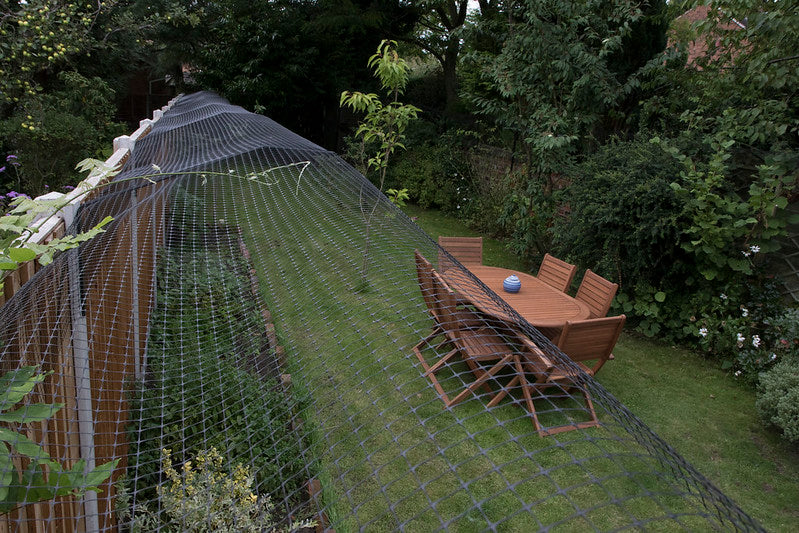
Netting and Mesh Barriers: You can also use sturdy netting or fine mesh to create a contained area.
- Attaching to Posts: Install sturdy posts around your yard’s perimeter and attach the netting or mesh securely to these posts and your existing fence line.
- Inward Angle: Crucially, the netting or mesh should be angled slightly inwards at the top, creating a “roof” effect that discourages jumping.
- Material Choice: Use strong, UV-resistant netting or mesh. Avoid materials that could easily snag claws or pose a strangulation risk. Chicken wire is generally not recommended as it can be too flexible and cats can get tangled.
-
DIY Solutions: For the handy homeowner, various DIY feline fence options exist. These often involve adding wire mesh or specialized rollers to existing fences. Online resources and forums can offer detailed plans and inspiration. Remember to prioritize safety and durability.
2. Outdoor Cat Enclosures (Catios)
For ultimate safety and control, an outdoor cat enclosure, commonly known as a “catio,” is an excellent choice. This is a purpose-built structure designed to allow cats to enjoy the outdoors securely.
- What is a Catio? A catio is essentially a screened-in porch or custom-built habitat attached to your house, providing a safe outdoor experience. They can range from small, simple window boxes to elaborate multi-level structures.
- Benefits of Catios:
- Complete Safety: Eliminates all risk of escape and exposure to external dangers.
- Enrichment: Can be furnished with climbing structures, shelves, toys, and hiding places.
- Observation: Allows cats to experience sights, sounds, and smells of the outdoors without risk.
- Customizable: Can be designed to fit your space, budget, and your cat’s needs.
- Designing Your Catio:
- Location: Attaching it to a window or door makes access easy for your cat. Consider sun and shade throughout the day.
- Materials: Use sturdy, non-toxic materials. Wood framing is common, with strong wire mesh (like hardware cloth) for the sides and roof. Avoid materials that can heat up excessively in the sun.
- Size and Features: Provide enough space for your cat to move, stretch, and play. Include shelves for climbing and perching, scratching posts, and perhaps a cozy bed.
- Ventilation: Ensure good airflow, especially in warmer climates.
- Security: Double-check that all seams and entry points are secure.
- Purchasing vs. DIY: You can buy pre-fabricated catios or design and build your own. Many companies specialize in custom catio construction.
3. Safe Cat Runs
Similar to catios, safe cat runs are enclosed outdoor spaces designed for feline enjoyment and safety. They can be standalone structures or connected to your home.
- Purpose of a Cat Run: To provide a secure area for exercise and exploration without the risk of roaming.
- Key Features:
- Enclosed Area: Fully enclosed with mesh or solid walls and a roof.
- Vertical Space: Often incorporate multiple levels, shelves, and platforms for climbing.
- Enrichment Elements: Include scratching posts, toys, tunnels, and hiding spots.
- Durability: Built with robust materials to withstand weather and your cat’s activity.
- Types of Cat Runs:
- Attached to the House: Often accessed via a cat flap from indoors, creating an extension of their living space.
- Standalone Structures: Can be placed anywhere in the yard, offering a dedicated outdoor zone.
- Considerations: Ensure the mesh size is small enough that your cat cannot get its head stuck. The structure should be stable and free of sharp edges.
4. Cat Deterrents for Yards (Use with Caution)
While not a primary containment method, certain cat deterrents for yards can discourage cats from trying to escape or entering unwanted areas within your property. These are best used as supplementary measures alongside physical barriers.
- Scent Deterrents:
- Citrus Peels: Many cats dislike the smell of citrus. Placing orange, lemon, or grapefruit peels around the perimeter or in garden beds can be effective.
- Essential Oils: Diluted essential oils of lavender, rosemary, or citronella can act as deterrents. Caution: Some essential oils are toxic to cats, so use these with extreme care and consult your veterinarian.
- Commercial Deterrents: Various sprays and granules are available commercially. Always check labels to ensure they are pet-safe and environmentally friendly.
- Texture Deterrents:
- Gravel or Mulch: Cats prefer soft soil for digging. Laying down gravel, pinecones, or mulch in areas you want them to avoid can be off-putting.
- Foil or Sticky Mats: Placing aluminum foil or specialized sticky mats near garden beds can deter cats from walking on them.
- Water Sprinklers: Motion-activated sprinklers can surprise and deter cats without causing harm. However, this can be problematic if you want your cat to enjoy the yard without being sprayed themselves.
Important Note on Deterrents: Deterrents are often unreliable and can be washed away by rain or lose their potency over time. They are not a substitute for secure fencing or enclosures. Furthermore, some deterrents can be harmful to cats if ingested or if they have prolonged contact. Always prioritize your cat’s safety and well-being.
Training and Behavior Modification
Beyond physical barriers, some behavioral strategies can help reinforce cat containment.
- Positive Reinforcement: Make your yard the most appealing place for your cat. Provide toys, scratching posts, and comfortable resting spots. Reward them with treats and praise when they stay within the designated area.
- Leash Training: For some cats, leash training can allow them controlled outdoor access. This requires patience and proper equipment, and not all cats take to it.
- Recall Training: Teach your cat to come when called. This can be a life-saving skill if they do manage to slip out.
Maintaining Your Cat Containment System
Regular maintenance is crucial to ensure your cat-safe outdoor space remains secure.
- Daily Checks: A quick visual inspection of fences, gates, and enclosures for any new damage or potential escape routes is recommended.
- Seasonal Inspections: More thorough checks should be done at least twice a year to look for wear and tear, loose fittings, or damage from weather.
- Pruning: Keep vegetation trimmed away from fences and barriers.
- Repairs: Address any damage or weak points immediately. A small hole can quickly become an escape route.
Frequently Asked Questions (FAQ)
-
Q1: Will my cat still be able to explore if I contain them?
A1: Yes, with proper cat containment strategies like catios or well-designed outdoor runs, your cat can safely explore a stimulating and enriching environment. The goal is to redirect their need for exploration to a safe space. -
Q2: Is it cruel to keep my cat confined to my yard?
A2: It is not cruel if done correctly. In fact, it is often much safer for your cat than allowing them to roam freely, as it protects them from numerous dangers. The key is to provide a stimulating and enjoyable environment within the contained area. -
Q3: What are the best materials for a cat fence?
A3: Sturdy materials like treated wood for framing, hardware cloth (1/2 inch or smaller mesh), or specialized cat-proof fencing panels are ideal. Ensure materials are non-toxic and durable. -
Q4: My cat is a great jumper. How high does a fence need to be?
A4: For particularly agile cats, a standard 6-foot fence may not be enough. Incorporating an angled deterrent at the top, such as rollers or an inward-facing mesh, is often more effective than relying on height alone. Aim for a total height of at least 6-7 feet with such deterrents. -
Q5: Can I use electric fencing for cats?
A5: Electric fencing is generally not recommended for cats. Cats are smaller and more sensitive than dogs, and the effectiveness and safety of electric collars and fences for felines are debated. There are also concerns about potential injury or stress. Physical barriers are a more humane and reliable option for cat containment. -
Q6: How can I ensure my cat doesn’t get bored in a contained yard?
A6: Regularly rotate toys, provide vertical spaces like shelves and climbing trees, offer puzzle feeders, and create hiding spots. Spending interactive playtime with your cat in the contained area will also greatly enhance their enjoyment.
By implementing these proven tips for cat containment, you can create a secure and enriching environment, ensuring your feline companion can enjoy the benefits of the outdoors without the inherent risks of free-roaming. Building a secure backyard for cats is an investment in their safety, well-being, and your peace of mind.