
How often to feed a lawn for lush green grass? Generally, you should feed your lawn 3 to 4 times per year, focusing on key growth periods. This foundational advice sets the stage for understanding the nuances of lawn feeding, which involves more than just a simple routine.
Growing a vibrant, green lawn is a rewarding endeavor, but it requires consistent effort and a solid grasp of your grass’s needs. At the heart of achieving that coveted lushness lies a well-planned lawn fertilization schedule. Simply scattering fertilizer haphazardly won’t cut it; a strategic approach ensures your grass receives the right nutrients at the right times, promoting healthy growth and resilience. This detailed guide will delve into the essential aspects of lawn feeding, from identifying your grass type to creating a personalized lawn care calendar.
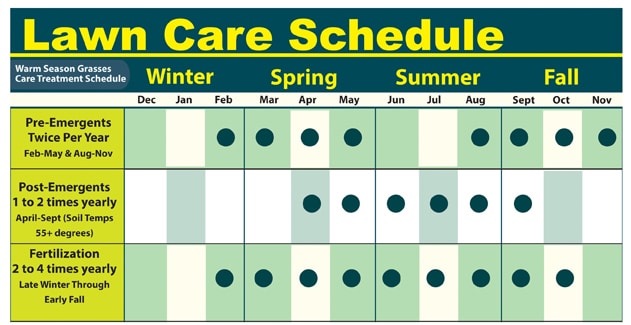
Image Source: www.rynolawncare.com
Deciphering Lawn Nutrient Requirements
Your lawn is a living organism, and like any living thing, it needs food to thrive. This food comes in the form of nutrients, primarily nitrogen, phosphorus, and potassium, often represented by the N-P-K ratio on fertilizer bags.
- Nitrogen (N): This is the star player for green growth. Nitrogen fuels chlorophyll production, the pigment that gives grass its green color and is vital for photosynthesis. It encourages leafy growth and a dense turf. Too little nitrogen leads to a pale, yellowing lawn, while too much can result in weak, fast growth that’s susceptible to disease and stress.
- Phosphorus (P): Phosphorus is crucial for root development. Strong roots anchor the grass, help it absorb water and nutrients, and make it more drought-tolerant. While important, most established lawns have sufficient phosphorus in the soil, so it’s less frequently needed than nitrogen. Over-application can lead to environmental issues.
- Potassium (K): Potassium plays a vital role in overall plant health, disease resistance, and stress tolerance. It helps grass withstand heat, cold, and drought, and improves its ability to recover from damage.
The Importance of Soil Testing
Before you even think about fertilizer, the most crucial step is to perform a soil test. This simple, inexpensive process reveals the current nutrient levels and pH balance of your soil. Knowing this information allows you to tailor your fertilization program to your lawn’s specific needs, avoiding over- or under-fertilization. You can get a soil test kit from your local garden center or extension office. The results will tell you precisely which nutrients are lacking and what amendments might be necessary.
Establishing a Feeding Frequency
The ideal feeding frequency for your lawn depends on several factors, including your grass type, climate, and the condition of your soil. However, a general guideline for most cool-season and warm-season grasses involves feeding a few times a year.
Cool-Season Grasses
Cool-season grasses, such as Kentucky bluegrass, fescues, and ryegrass, thrive in cooler temperatures. Their primary growth periods are in the spring and fall.
- Spring Application: This is often the first feeding of the year. It provides a boost of nitrogen to help the grass recover from winter and prepare for the growing season.
- Fall Application: This is arguably the most important feeding for cool-season grasses. A fall application, especially a slow-release nitrogen one, helps the grass store energy for winter dormancy and promotes strong root development that will carry it through the next spring.
- Late Summer/Early Fall: Some lawn care professionals recommend a third feeding in late summer or early fall to further support recovery from summer stress and build reserves.
Warm-Season Grasses
Warm-season grasses, such as Bermuda grass, zoysia grass, and St. Augustine grass, thrive in warmer temperatures. Their peak growth occurs during the summer months.
- Late Spring/Early Summer: The first feeding should occur as temperatures consistently warm up and the grass begins to actively grow.
- Mid-Summer: A second feeding can help maintain healthy growth and color during the hottest part of the year.
- Late Summer/Early Fall: A final feeding can help the grass recover from summer stress and build up reserves before entering dormancy.
Factors Influencing Feeding Frequency
- Grass Type: As outlined above, different grass types have different growth cycles.
- Soil Fertility: If your soil test indicates low nutrient levels, you might need to fertilize more frequently, but always follow the fertilizer’s instructions.
- Lawn Usage: A heavily used lawn that experiences a lot of foot traffic or sports activity might benefit from slightly more frequent feeding to support recovery.
- Desired Appearance: If you’re aiming for a particularly lush and dense lawn, you might opt for an additional feeding, but always balance this with the risk of over-fertilization.
- Fertilizer Type: Slow-release fertilizers provide nutrients over a longer period, potentially reducing the frequency of applications compared to quick-release options.
The Best Time to Fertilize Grass
Timing is crucial for effective lawn fertilization. Applying fertilizer at the wrong time can lead to wasted nutrients, poor results, or even damage to your lawn.
Seasonal Lawn Feeding Strategy
A good lawn care calendar will outline specific times for feeding based on your region and grass type.
For Cool-Season Grasses:
- Early Spring (March-April): Apply a balanced fertilizer or one with a higher nitrogen content. This is when the grass is actively growing after winter.
- Fall (September-October): This is a critical feeding. Use a fertilizer with a lower nitrogen content and higher potassium for winter hardiness.
- Late Fall (November): Some experts recommend a “dormant feeding” just before the ground freezes. This can provide nutrients for early spring green-up.
For Warm-Season Grasses:
- Late Spring (May-June): Apply a nitrogen-rich fertilizer as the grass emerges from dormancy and begins active growth.
- Mid-Summer (July-August): A second feeding can help maintain vigor.
- Early Fall (September): A final feeding before dormancy can aid in recovery and preparation for winter.
Weather Considerations
- Avoid Fertilizing During Drought: Do not fertilize a lawn that is suffering from drought stress. Wait for rain or water the lawn thoroughly before applying fertilizer. Fertilizer can burn dry grass.
- Avoid Fertilizing When It’s Too Hot: For cool-season grasses, avoid fertilizing during the peak heat of summer when they are already stressed.
- After Rain is Ideal: Fertilizing just before or after a light rain is beneficial. The moisture helps the fertilizer dissolve and penetrate the soil without washing away.
- Avoid Fertilizing Frozen Ground: Applying fertilizer to frozen ground means the nutrients will likely be washed away with the spring thaw before the grass can utilize them.
Specific Timing Advice
- Mow Before Fertilizing: It’s generally a good practice to mow your lawn before applying fertilizer. This ensures the fertilizer granules fall directly onto the soil and don’t get stuck in the grass blades, which can lead to uneven distribution and potential burning.
- Water After Fertilizing (Unless Rain is Expected): If no rain is in the forecast within 24-48 hours, water your lawn lightly after applying fertilizer to help it dissolve and absorb into the soil.
Choosing the Right Fertilizer
The type of fertilizer you choose significantly impacts your lawn’s health and the longevity of its green appearance. Understanding the N-P-K ratio and the release rate is key.
N-P-K Ratio Explained
The three numbers on a fertilizer bag (e.g., 10-10-10 or 20-5-10) represent the percentage by weight of nitrogen (N), phosphorus (P), and potassium (K).
- High Nitrogen (e.g., 20-5-10): Ideal for promoting vigorous green growth. Best used in spring and early summer for cool-season grasses, or late spring/early summer for warm-season grasses.
- Balanced (e.g., 10-10-10): Provides a good mix of all three major nutrients and is suitable for general lawn maintenance throughout the growing season.
- High Potassium (e.g., 10-5-20): Beneficial for promoting root growth and improving stress tolerance, especially in fall applications for cool-season grasses.
Slow-Release vs. Quick-Release Fertilizers
- Quick-Release Fertilizers: These provide immediate results, offering a rapid green-up. However, their effects are short-lived, and they can easily burn the lawn if over-applied or applied under the wrong conditions. They also tend to stimulate top growth, which can make the grass more susceptible to disease and drought.
- Slow-Release Fertilizers: These release nutrients gradually over a period of several weeks or even months. They provide a more consistent supply of food, promoting steady, healthy growth without the risk of burning or excessive top growth. They are generally more forgiving and better for long-term lawn health. Many lawn care professionals recommend slow-release or synthetic fertilizers with a coated nitrogen component for consistent feeding.
Lawn Fertilization Tips for Success
Applying fertilizer correctly is as important as choosing the right product and timing.
Proper Application Techniques
- Calibrate Your Spreader: Ensure your spreader is calibrated correctly to apply the fertilizer evenly at the recommended rate. Follow the instructions on the fertilizer bag and your spreader manual.
- Overlap Passes: Overlap your spreader passes slightly to avoid missing strips of lawn and ensure uniform coverage.
- Sweep Off Hard Surfaces: After fertilizing, always sweep any fertilizer granules that land on sidewalks, driveways, or patios back onto the lawn. Fertilizer runoff can pollute waterways.
- Avoid Over-Application: More is not better. Over-fertilizing can lead to lawn burn, excessive thatch buildup, and environmental damage. Stick to the recommended application rates.
Overseeding Frequency and Fertilization
Overseeding frequency is another aspect of lawn care that ties into fertilization. Overseeding involves sowing grass seed into an existing lawn to fill in bare spots and thicken the turf.
- Timing is Key: The best time to overseed is during the peak growing season for your grass type. For cool-season grasses, this is typically in the fall. For warm-season grasses, it’s late spring to early summer.
- Fertilizing After Overseeding: After overseeding, a light application of a starter fertilizer (often lower in nitrogen and higher in phosphorus) can help the new seeds germinate and establish strong roots. This is typically done at the time of overseeding.
- Subsequent Fertilization: Continue with your regular fertilization schedule, ensuring the new grass has adequate nutrients without being overwhelmed.
Addressing Specific Lawn Concerns
- Yellowing Grass: If your lawn is yellowing, it’s likely lacking nitrogen. Choose a fertilizer with a higher nitrogen content.
- Thin or Patchy Areas: These might indicate poor root development or nutrient deficiencies. Ensure adequate phosphorus and potassium, and consider overseeding.
- Weedy Lawns: A healthy, dense lawn is the best defense against weeds. Proper fertilization and watering will help your grass outcompete them.
Seasonal Lawn Feeding Chart Example
This is a general guideline and may need adjustment based on your specific location and grass type.
| Season | Cool-Season Grasses (e.g., Kentucky Bluegrass, Fescue) | Warm-Season Grasses (e.g., Bermuda, Zoysia) |
|---|---|---|
| Spring | Early spring: Balanced or higher nitrogen fertilizer. | Late spring/Early summer: Nitrogen-rich fertilizer as growth begins. |
| Summer | Avoid heavy fertilization, especially in heat. Light application if needed. | Mid-summer: Nitrogen-rich fertilizer for sustained growth. |
| Fall | Early fall: Balanced or higher potassium fertilizer for winter hardiness. | Late summer/Early fall: Balanced fertilizer to aid recovery. |
| Late Fall | Dormant feeding (optional): Just before ground freezes. | Not applicable. |
FAQ Section
Q1: How often should I fertilize my lawn if I just put it down?
A starter fertilizer is often recommended for newly laid sod or newly seeded lawns. You’ll typically apply it at the time of installation or seeding. Follow up with your regular fertilizing schedule based on your grass type and the starter fertilizer’s instructions, usually after the grass has been mowed a few times.
Q2: Can I fertilize my lawn in the winter?
For cool-season grasses, a “dormant feeding” just before the ground freezes in late fall can be beneficial. However, fertilizing when the grass is truly dormant in mid-winter is generally not effective and can harm the lawn or contribute to runoff. For warm-season grasses, avoid fertilizing when they are dormant.
Q3: My lawn is full of weeds, how can I fix it?
A healthy, dense lawn is your best defense against weeds. Ensure you are following a consistent lawn fertilization schedule tailored to your grass type, watering properly, and mowing at the correct height. Many lawn fertilizers also contain pre-emergent or post-emergent herbicides to help control weeds.
Q4: What does “slow-release” fertilizer mean?
Slow-release fertilizer means the nutrients are released gradually over time, typically through specialized coatings or by being derived from organic sources. This provides a steady supply of food to the grass, promoting consistent growth and reducing the risk of burning or leaching. This is often a preferred method for consistent lawn health.
Q5: How much fertilizer should I apply?
Always follow the application rates recommended on the fertilizer packaging. These rates are based on the N-P-K content of the product and are designed for optimal lawn health without causing harm. Using a spreader calibrated for the specific fertilizer is crucial for accurate application.
By following these guidelines and paying attention to your lawn’s specific needs, you can cultivate a truly lush, green, and healthy turf that will be the envy of your neighborhood. Remember that consistent care, informed by soil testing and a good lawn care calendar, is the key to long-term success.