
Deciding how much grass seed to buy is crucial for a healthy, vibrant lawn. The general rule is to use between 1 and 5 pounds of seed per 1,000 square feet, depending on whether you’re starting a new lawn or overseeding an existing one. This guide will help you figure out the exact amount you need and what factors influence the cost of seeding a lawn.
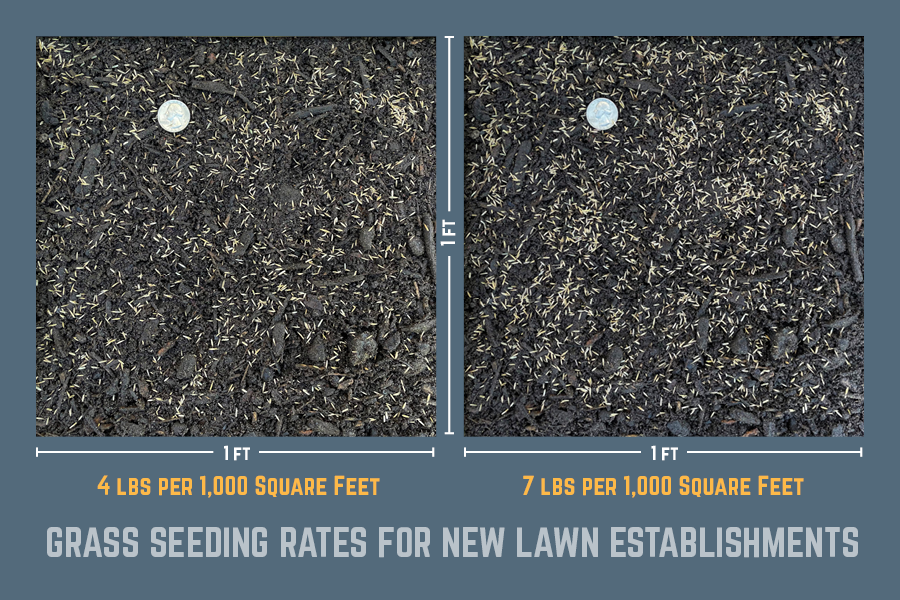
Image Source: alseed.com
Preparing Your Lawn for Seeding
Before you even think about buying seed, you need to get your lawn ready. This is the most important step for successful seeding.
Clearing the Area
- Remove Debris: Rake up any leaves, twigs, rocks, or other clutter. This gives the seed a clear path to the soil.
- Weed Control: Address any weeds. You can pull them by hand or use a weed killer. If you use a weed killer, wait the recommended time before seeding to avoid harming new grass.
- Leveling: Fill in any low spots or holes with topsoil. This helps with drainage and prevents water from pooling, which can harm young grass.
- Loosen the Soil: Use a rake or a tiller to loosen the top 2-3 inches of soil. This helps the roots grow deeper and makes it easier for the seed to establish.
Soil Testing
- Why Test? A soil test tells you about your soil’s pH and nutrient levels. Grass thrives in a specific pH range (usually slightly acidic to neutral). Knowing what your soil needs allows you to add amendments like lime (to raise pH) or sulfur (to lower pH), and essential nutrients.
- How to Test: You can buy a home soil test kit or send a sample to your local cooperative extension office. They can provide detailed recommendations.
Calculating Your Seeding Needs
The amount of seed you need depends on the size of your lawn and the type of seeding you’re doing.
Measuring Your Lawn
To figure out how much seed to buy, you first need to know the size of your lawn.
- Rectangular or Square Lawns: Multiply the length by the width. For example, a lawn that is 50 feet long and 30 feet wide is 1,500 square feet (50 x 30 = 1,500).
- Irregularly Shaped Lawns: Break the lawn into smaller, regular shapes (rectangles, squares, triangles). Calculate the area of each shape and add them together.
- For a triangle, use the formula: (base x height) / 2.
- Online Tools: Many websites offer a grass seed calculator that can help you measure and estimate. You can often input dimensions or even draw your lawn shape.
Seeding Rates: New Lawn vs. Overseeding
The amount of seed per square foot differs significantly between starting a new lawn and thickening an existing one.
Seeding a New Lawn
When you’re seeding a new lawn, you need a higher density of seeds to create a thick, uniform turf from scratch.
- General Recommendation: For new lawns, aim for how much seed per square foot is typically between 3-5 pounds per 1,000 square feet.
- Seed Type Matters: Different grass types have different seed sizes and germination rates. Fine-bladed grasses like fescues might need slightly more seed than coarser grasses like ryegrass. Always check the seed bag for specific recommendations.
Overseeding an Existing Lawn
Overseeding is done to fill in bare spots, improve density, and introduce disease-resistant grass varieties. You need less seed because you’re filling gaps, not creating a whole new lawn.
- General Recommendation: For overseeding, use about 1-2 pounds of seed per 1,000 square feet.
- Purpose of Overseeding: If you’re primarily filling thin patches, you might spot-seed at a slightly higher rate in those areas. If you’re doing a general thickening, stick to the lower rate.
Using a Grass Seed Calculator
A grass seed calculator is your best friend for this task.
- Input Lawn Size: Enter the square footage of your lawn.
- Select Seeding Type: Choose whether you’re seeding a new lawn or overseeding.
- Choose Grass Type: Some calculators allow you to select the specific grass seed mix you’re using, which can refine the estimate.
- Get Your Estimate: The calculator will provide a recommended amount of seed in pounds or kilograms.
Example Calculation:
Let’s say your lawn is 2,000 square feet.
- For a New Lawn: At 4 pounds per 1,000 sq ft, you’d need 8 pounds of seed (2,000 sq ft / 1,000 sq ft * 4 lbs/1,000 sq ft = 8 lbs).
- For Overseeding: At 1.5 pounds per 1,000 sq ft, you’d need 3 pounds of seed (2,000 sq ft / 1,000 sq ft * 1.5 lbs/1,000 sq ft = 3 lbs).
Factors Affecting the Cost of Seeding a Lawn
The lawn seeding cost varies based on several elements, from the type of seed you choose to whether you hire professionals.
Seed Quality and Type
- Common vs. Premium Seed: Basic grass seed mixes are cheaper but might contain more weed seeds or have lower germination rates. Premium mixes often have higher percentages of pure seed, fewer weed seeds, and are specifically blended for your climate or desired turf characteristics.
- Grass Species: Some grass types are naturally more expensive than others. For example, fine fescues can be pricier than perennial ryegrass.
- Blends vs. Monocultures: Blends contain multiple grass species and varieties, offering better resilience. Monocultures use a single species, which might be more susceptible to disease or environmental stress. Blends generally cost more.
Labor vs. DIY
The decision to do it yourself or hire lawn care seeding services significantly impacts the overall cost of seeding a lawn.
DIY Seeding
- Pros: Saves money on labor. You have complete control over the process.
- Cons: Requires time, effort, and possibly renting equipment (like a tiller or spreader). Mistakes can be costly if the seed doesn’t take.
- Estimated DIY Costs: Primarily the cost of seed, soil amendments, and any equipment rentals. Seed can range from $2-$10 per pound, depending on quality.
Professional Seeding Services
- Pros: Expertise in soil preparation, seed selection, and application. Saves you time and labor. Often come with a guarantee.
- Cons: More expensive due to labor and expertise.
- Estimated Professional Costs: The cost to reseed yard or seed a new lawn professionally can range from $0.10 to $0.50 per square foot, or $100 to $500 for 1,000 square feet, including seed and labor. This can add up for larger areas. The overseeding lawn cost from professionals is typically less than seeding a new lawn from scratch.
Timing of Seeding
The best time to seed lawn also affects costs indirectly.
- Peak Seasons: Seeding during optimal times (fall for cool-season grasses, late spring/early summer for warm-season grasses) generally leads to better results, reducing the need for costly reseeding.
- Off-Season Seeding: Trying to seed outside these windows can result in poor germination and require more work and expense to fix.
Lawn Size and Condition
- Larger Lawns: Naturally, the more square footage you have, the more seed and potentially labor you’ll need, increasing the overall lawn seeding cost.
- Lawn Condition: A lawn with significant bare patches or compacted soil may require more intensive preparation, like aeration or topdressing, adding to the expense.
Seeding Methods
How you apply the seed also plays a role in the outcome and cost.
Broadcast Spreading
- How it works: Seed is scattered randomly over the lawn surface.
- Pros: Relatively easy and quick.
- Cons: Can lead to uneven distribution and clumping if not done carefully. Requires raking to ensure good seed-to-soil contact.
- Equipment: Handheld spreaders, push spreaders, or tow-behind spreaders.
Slice Seeding (Seeding with a Drill)
- How it works: A specialized machine cuts shallow slits in the soil and drops the seed directly into them.
- Pros: Excellent seed-to-soil contact, leading to higher germination rates. Reduces the risk of seed washing away or being eaten by birds.
- Cons: Can be more expensive if you rent the equipment or hire a service that uses it. Not ideal for very rocky or compacted soil.
Cost Breakdown: What to Expect
Let’s look at some estimated costs for different scenarios. These are approximate and can vary widely by region and provider.
Cost of Seeding Lawn (New Lawn)
| Item | Estimated Cost per 1,000 sq ft | Notes |
|---|---|---|
| Grass Seed | $5 – $30 | Varies by quality and type. Premium mixes cost more. |
| Soil Amendments | $10 – $40 | Lime, fertilizer, compost depending on soil test. |
| Equipment Rental | $25 – $75 | Tiller, spreader (if DIY). |
| Labor (DIY) | $0 | Your time and effort. |
| Labor (Professional) | $100 – $500 | Includes prep, seed, and application. |
| Total DIY Estimate | $40 – $145 | For 1,000 sq ft, for seed and amendments. |
| Total Professional | $145 – $570 | For 1,000 sq ft, including seed, prep, and labor. |
Overseeding Lawn Cost
| Item | Estimated Cost per 1,000 sq ft | Notes |
|---|---|---|
| Grass Seed | $2 – $15 | Generally lower rates for overseeding. |
| Fertilizer | $5 – $20 | Often applied with overseeding. |
| Aeration (Optional) | $50 – $150 | Can be done before overseeding for better seed-to-soil contact. |
| Labor (DIY) | $0 | Your time and effort. |
| Labor (Professional) | $75 – $300 | Includes seed, application, and possibly aeration. |
| Total DIY Estimate | $7 – $35 | For 1,000 sq ft, for seed and fertilizer. |
| Total Professional | $82 – $335 | For 1,000 sq ft, including seed, application, and optional aeration. |
These figures help illustrate the cost to reseed yard or establish a new lawn. Remember to get quotes from local lawn care seeding services for accurate pricing in your area.
Best Time to Seed Lawn
Choosing the right time is critical for germination and establishment.
For Cool-Season Grasses (e.g., Kentucky Bluegrass, Fescue, Ryegrass)
- Fall (September to October): This is the absolute best time.
- Why? Soil is still warm enough for germination, but air temperatures are cooling.
- Weeds are less competitive than in spring.
- Grass has the fall and the following spring to establish before summer heat.
- Spring (March to April): A good second choice.
- Why? Soil is warming up, and there’s plenty of moisture.
- Downside: Weeds will be emerging aggressively, and the young grass will face competition. It also needs to survive the summer heat soon after establishment.
For Warm-Season Grasses (e.g., Bermuda, Zoysia, St. Augustine)
- Late Spring to Early Summer (May to July): This is the ideal window.
- Why? These grasses need warm soil and air temperatures to germinate and grow.
- They have the entire summer to establish before cooler weather arrives.
Tips for Successful Seeding
Regardless of whether you do it yourself or hire a service, these tips will help ensure your seeding project is a success.
Seeding Process Steps
- Preparation is Key: As discussed, this is the most crucial phase. Don’t rush it.
- Choose the Right Seed: Select a seed mix suited to your climate, sun exposure, and desired lawn type.
- Apply Seed Evenly: Use a spreader and make two passes at half the recommended rate, perpendicular to each other, for even coverage.
- Ensure Seed-to-Soil Contact: Lightly rake the area after spreading to lightly cover the seed with soil (about 1/8 to 1/4 inch). This is especially important for broadcast seeding. Slice seeding does this automatically.
- Water Properly: Keep the seedbed consistently moist until germination. This means light, frequent watering (perhaps 2-3 times a day). Once the grass is established, gradually reduce the frequency and increase the depth of watering.
- Fertilize: Use a starter fertilizer that contains phosphorus to encourage root development. Follow the application rates on the fertilizer bag.
- Avoid Heavy Foot Traffic: Keep people and pets off the newly seeded area until the grass is well-established (typically 3-4 weeks).
- Mow Correctly: Once the grass reaches about 3-4 inches tall, mow it. Never cut more than one-third of the grass blade at a time. Ensure your mower blades are sharp.
Common Mistakes to Avoid
- Inadequate Soil Preparation: This is the number one reason for seeding failure.
- Using Old Seed: Seed loses viability over time. Check the “tested” date on the bag.
- Seeding at the Wrong Time: Fighting against the weather will lead to poor results.
- Over- or Under-watering: Both can kill germinating seeds.
- Applying Too Much or Too Little Seed: Too much can lead to competition and weak growth; too little results in a thin lawn.
- Not Raking Seed into Soil: Seed sitting on top is vulnerable to drying out, birds, and washing away.
Frequently Asked Questions (FAQ)
How much seed per square foot do I need for bare patches?
For bare patches, you can use a slightly higher rate than general overseeding, around 2-3 pounds per 1,000 square feet, focusing the seed application directly onto the prepared bare soil.
Can I seed my lawn in the summer?
It’s generally not recommended to seed cool-season grasses in the summer due to heat stress. Warm-season grasses can be seeded in late spring or early summer when temperatures are consistently warm.
What is the difference between a seed blend and a mix?
- Seed Blend: Contains different varieties of the same grass species (e.g., three different types of fescue).
- Seed Mix: Contains different grass species (e.g., fescue, ryegrass, and bluegrass). Blends and mixes are often used interchangeably in conversation.
Do I need to aerate before overseeding?
Aeration is highly beneficial before overseeding, especially if your soil is compacted. It improves seed-to-soil contact and allows water and nutrients to reach the root zone more effectively.
How long does it take for grass seed to sprout?
Germination times vary depending on the grass type and conditions. Most common grass seeds will sprout within 7-21 days.
What if my seed doesn’t grow?
If your seed doesn’t grow, re-evaluate your preparation, watering, and timing. You may need to reseed after addressing any issues. If you used professional lawn care seeding services, contact them to discuss the outcome.
By following this guide, you can accurately estimate how much seed you need and make informed decisions about the cost of seeding a lawn, whether you’re embarking on seeding a new lawn or revitalizing an existing one through overseeding.