
What is the cost of sand per yard? The cost of sand per cubic yard can range significantly, typically from $20 to $70 for basic fill sand, but specialized sands like paver sand or concrete sand can cost $50 to $100 or more per cubic yard. This price variation is due to several factors, including the type of sand, quantity purchased, delivery fees, and your geographic location.
Buying sand in bulk is generally more cost-effective. Many suppliers offer a sand price calculator on their websites, allowing you to estimate costs based on your project needs. This guide will delve into the various aspects influencing sand prices, helping you make an informed purchasing decision.
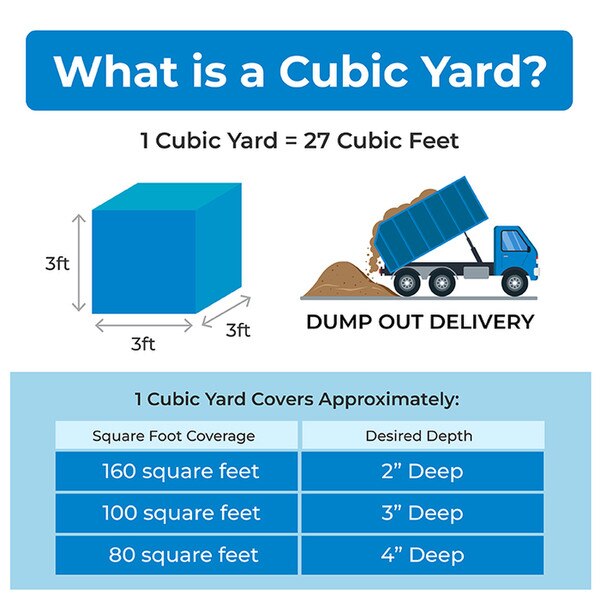
Image Source: www.cumminlandscapesupply.com
Deciphering the Cost of Sand Per Cubic Yard
When you need sand for a project, knowing the price per cubic yard is crucial for budgeting. Several elements contribute to the final figure you’ll see on an invoice.
1. Types of Sand and Their Pricing
Sand isn’t just sand. There are many different types, each with unique properties and corresponding price points.
- Fill Sand: This is the most basic and often the cheapest type of sand. It’s typically coarse, less refined, and used for leveling ground, backfilling trenches, or creating a base for structures. Its primary purpose is bulk and density.
- Construction Sand (All-Purpose Sand): Also known as concrete sand or mason sand, this type is finer than fill sand and is a key ingredient in concrete, mortar, and plaster. Its consistent grain size makes it ideal for binding materials.
- Landscaping Sand: This category encompasses various sands used for aesthetic and functional purposes in gardens and yards.
- Play Sand: Specially washed and screened to be soft and free of impurities, making it safe for children’s play areas. It’s usually more expensive due to the extra processing.
- Decorative Sand: Available in various colors and textures, used for pathways, top dressing, and artistic landscaping. Prices vary widely based on color and origin.
- Washed Sand: This sand has been cleaned to remove silt and clay, making it suitable for applications where fine particles would be detrimental, such as in certain construction mixes or drainage layers.
- Specialty Sands: These include sands for specific applications like golf course bunkers, baseball infields, or filtration systems. They are often processed to very specific standards and command higher prices.
Table 1: Typical Price Ranges for Different Sand Types (per cubic yard)
| Sand Type | Estimated Price Range (USD) | Primary Uses |
|---|---|---|
| Fill Sand | $20 – $40 | Backfilling, leveling, base material |
| Construction Sand | $40 – $70 | Concrete, mortar, plaster, asphalt mixtures |
| Landscaping Sand | $40 – $80 | Pathways, decorative features, play areas (washed) |
| Play Sand | $60 – $100 | Children’s sandboxes, play areas (specifically processed) |
| Decorative Sand | $50 – $150+ | Garden beds, walkways, craft projects (varies by color/type) |
| Washed Sand | $45 – $75 | Drainage layers, mixing with soil, construction |
2. Quantity Matters: Bulk vs. Bagged Prices
Purchasing sand in larger quantities is almost always more economical.
- Bagged Sand: Sand sold in bags (typically 50-80 lbs) is convenient for small DIY projects. However, the price per cubic yard is significantly higher. You might pay $5 to $15 per bag, which can easily add up. For example, a 50 lb bag might contain about 0.5 cubic feet of sand. To get a cubic yard (27 cubic feet), you’d need roughly 54 bags, costing $270 to $810, a stark contrast to bulk pricing.
- Bulk Sand: Buying sand by the cubic yard, often delivered by a dump truck, is the most cost-effective method for any project requiring more than a few bags. Suppliers typically sell in increments of half or full cubic yards. The bulk sand cost is substantially lower due to reduced handling and packaging.
3. Geographic Location and Market Demand
The cost of sand can fluctuate based on where you are.
- Proximity to Quarries: Areas closer to active sand and gravel quarries generally have lower prices because transportation costs are reduced.
- Local Demand: High demand for sand in a particular region, perhaps due to a construction boom or extensive landscaping projects, can drive up prices.
- Availability: If a specific type of sand is scarce in your area, its price will likely be higher.
4. Delivery Costs: An Essential Factor
Don’t forget to factor in delivery fees, especially when buying in bulk.
- Distance: The further the delivery location is from the supplier’s yard, the higher the delivery charge.
- Volume: Delivery fees might be a flat rate or can increase with the volume of sand being transported.
- Access: Difficult delivery locations (e.g., narrow driveways, steep inclines) might incur additional charges.
Sand delivery cost is a critical component of the total expense. Always ask for a delivered price to avoid surprises.
5. Other Potential Costs
- Screening and Washing: Sand that has undergone extra processing (like washing or screening for specific particle sizes) will cost more.
- Taxes: Sales tax will be added to the final bill.
How Much Does a Yard of Sand Weigh?
Knowing how much does a yard of sand weigh is important for planning your project and understanding delivery truck capacity. The weight of a cubic yard of sand varies depending on its moisture content and the type of sand.
- Dry Sand: Dry sand typically weighs around 2,700 to 3,000 pounds per cubic yard.
- Wet Sand: Wet sand can be significantly heavier due to the added water, potentially weighing 3,500 to 4,000 pounds per cubic yard.
For estimation purposes, it’s often safe to assume a cubic yard of sand weighs approximately 2,800 to 3,000 pounds (1.4 to 1.5 tons). This is important for ensuring your delivery vehicle can handle the load and for calculating how much you need if you’re filling a specific volume.
Comparing Sand Costs with Other Materials
When planning a project, you might also be considering other bulk materials. Comparing their costs can help in making the best choice for your budget and needs.
Fill Dirt Price Per Yard
Fill dirt is often cheaper than sand. Its primary use is to raise the level of land or fill large voids. It’s less processed and may contain more organic matter or debris than sand.
- Typical Price: $10 – $30 per cubic yard.
- Use Case: Bulk filling, creating berms, backfilling large excavations.
Gravel Price Per Cubic Yard
Gravel prices vary widely based on the type, size, and processing. Crushed stone and decorative gravels are generally more expensive than fill sand.
- Typical Price: $30 – $60 per cubic yard for common crushed gravel; decorative or specialty gravels can be much higher.
- Use Case: Driveways, pathways, drainage, decorative landscaping, base layers for patios.
Topsoil Cost Per Yard
Topsoil is a vital component for gardening and landscaping, providing nutrients for plant growth. It is usually more expensive than basic sand due to its quality and composition.
- Typical Price: $25 – $60 per cubic yard for basic topsoil; premium or screened topsoil can be $50 – $100+ per cubic yard.
- Use Case: Creating garden beds, amending soil, lawn establishment.
Table 2: Comparative Costs of Bulk Materials (per cubic yard – estimated ranges)
| Material | Typical Price Range (USD) | Primary Uses |
|---|---|---|
| Fill Sand | $20 – $40 | Leveling, backfilling, base material |
| Fill Dirt | $10 – $30 | Bulk filling, raising ground levels |
| Gravel | $30 – $60 | Driveways, drainage, base material |
| Topsoil | $25 – $60 | Gardening, lawn establishment, soil amendment |
| Construction Sand | $40 – $70 | Concrete, mortar, plaster |
Factors Influencing Your Sand Purchase Decision
Beyond the price per cubic yard, several other factors should guide your buying decision.
1. Project Requirements: The Cornerstone of Your Choice
The most critical factor is the intended use of the sand.
- For Concrete Mixing: You’ll need clean, well-graded construction sand. Using fill sand might compromise the strength and durability of your concrete.
- For Landscaping Pathways: A washed sand or a coarser decorative sand might be suitable. Consider its drainage properties and how it compacts.
- For a Children’s Sandbox: Safety and softness are paramount. Opt for specifically designated play sand, which is thoroughly washed and screened.
- For Backfilling: The cheapest option, fill sand, is usually adequate.
2. Material Quality and Purity
The cleaner and more uniform the sand, the higher its quality and typically its price.
- Screening: Sand that has been screened removes larger particles or debris, ensuring a more consistent grain size.
- Washing: Removing fine silt and clay particles improves the sand’s performance in applications like concrete or drainage.
- Particle Size Distribution: For specific uses like concrete, a precise mix of grain sizes is essential for optimal strength.
3. Supplier Reputation and Service
Choosing the right supplier can make a big difference.
- Reliability: Look for suppliers with a good reputation for on-time deliveries and consistent product quality.
- Customer Service: A supplier that can advise you on the best type of sand for your project and provide accurate quotes is invaluable.
- Minimum Order Quantities: Some suppliers may have minimum purchase requirements for bulk deliveries.
4. Calculating Your Needs: Avoid Over or Under-Ordering
Accurately estimating the amount of sand you need is key to managing costs and avoiding project delays.
-
Volume Calculation:
- Rectangular Areas: Length (ft) x Width (ft) x Depth (ft) = Cubic Feet.
- Convert to Cubic Yards: Cubic Feet / 27 = Cubic Yards.
- Example: For a patio base 10 ft long, 8 ft wide, and 4 inches (0.33 ft) deep: 10 x 8 x 0.33 = 26.4 cubic feet. 26.4 / 27 = 0.98 cubic yards. It’s wise to round up to the nearest half or full yard to account for settling and spillage.
-
Using a Sand Price Calculator: Many online suppliers provide a sand price calculator that simplifies this process. You input the dimensions of your project, and it estimates the cubic yards needed and the total cost, often including delivery.
5. Transportation and Logistics
Consider how the sand will get to your site.
- Pickup vs. Delivery: If you have a suitable vehicle (like a truck with a high payload capacity), picking up the sand yourself can sometimes save on delivery fees. However, remember how much does a yard of sand weigh – you’ll likely be limited to a fraction of a cubic yard per trip.
- Delivery Truck Size: Bulk deliveries usually come in 5, 10, or 20 cubic yard dump trucks. Ensure your site can accommodate the truck’s size and dumping location.
Practical Steps for Buying Sand
- Define Your Project: What will you use the sand for? This dictates the type and quality you need.
- Calculate Your Needs: Measure the area and depth required, then convert to cubic yards. Add a buffer for settling.
- Research Local Suppliers: Look for reputable sand and gravel companies in your area. Check online reviews and ask for recommendations.
- Get Quotes: Contact several suppliers and request quotes for the specific type of sand you need, including delivery to your location. Inquire about any minimum order quantities.
- Compare Prices and Services: Look at the total delivered cost, quality of sand, and reputation of the supplier.
- Confirm Delivery Details: Once you’ve chosen a supplier, confirm the delivery date, time, and any site access requirements.
Frequently Asked Questions (FAQ)
Q1: What is the cheapest type of sand I can buy?
A1: Fill sand is typically the most affordable type of sand available. It’s unwashed and less processed, making it suitable for bulk filling and leveling.
Q2: Can I order just half a yard of sand?
A2: Yes, many suppliers offer sand in half-cubic-yard increments for bulk delivery, which is convenient for smaller projects.
Q3: Is landscaping sand more expensive than construction sand?
A3: Not necessarily. The price of landscaping sand can vary widely depending on its type (e.g., washed sand, decorative sand) and processing. Some landscaping sands can be more expensive due to aesthetic qualities or finer screening, while basic washed sand might be comparable to or slightly more than construction sand.
Q4: How do I calculate how much sand I need for a sandbox?
A4: Measure the length, width, and desired depth of your sandbox. Multiply these dimensions to get the volume in cubic feet, then divide by 27 to convert to cubic yards. For a sandbox, it’s often better to buy a bit extra as sand can settle.
Q5: Are delivery fees included in the price of sand per yard?
A5: Typically, the advertised price of sand per yard is for the material itself, and delivery fees are charged separately. Always ask for a “delivered price” to get the full cost.
Q6: What is the difference between sand and gravel?
A6: Sand consists of fine mineral particles, typically between 0.0625 mm and 2 mm in diameter. Gravel is larger, with particles ranging from 2 mm up to 64 mm or more. They have different uses in construction and landscaping due to these size differences.
Q7: How much does a cubic yard of sand weigh in pounds?
A7: A cubic yard of dry sand weighs approximately 2,700 to 3,000 pounds (1.35 to 1.5 tons). Wet sand can weigh more.
By carefully considering these factors and using the information in this guide, you can confidently determine the cost of sand per cubic yard for your next project and ensure you’re getting the best value.