
A lawn aerator typically goes between 2 to 6 inches deep, with the optimal lawn aerator depth depending on the type of aerator and your specific lawn needs. This depth is crucial for effective root zone aeration, which is the key to improving turf health and combating soil compaction.
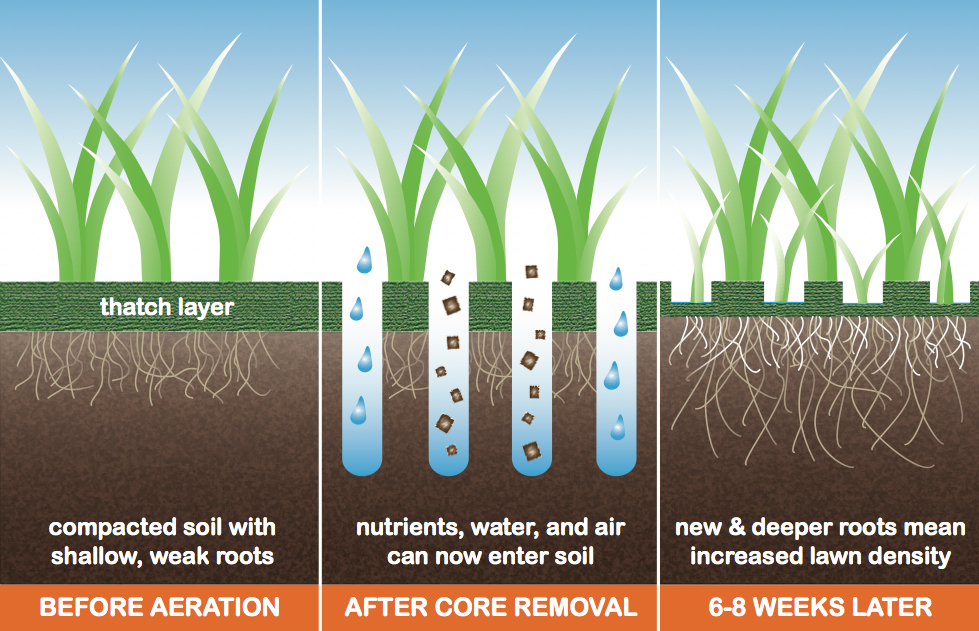
Image Source: thelawnguys.com.au
The Vital Role of Aeration Depth in Lawn Care
Your lawn is a living ecosystem, and just like any other living thing, it needs good conditions to thrive. One of the most fundamental yet often overlooked aspects of achieving a lush, healthy lawn is proper soil aeration. But what exactly is the right depth for your lawn aerator to penetrate the soil? The answer isn’t a simple one-size-fits-all figure. The optimal lawn aerator depth is influenced by several factors, including the type of aerator you use, your soil type, and the specific issues you’re trying to address, such as soil compaction. Achieving the correct aerator penetration is paramount for maximizing your lawn’s health.
Fathoming the Mechanics: How Aerators Work
Before diving into depth, let’s briefly touch on how aerators function. Aeration is the process of creating small holes or removing plugs of soil and thatch from your lawn. This action allows air, water, and nutrients to reach the root zone, which is essential for healthy grass growth. Without adequate aeration, your soil can become compacted, forming a dense barrier that prevents these vital elements from penetrating. This leads to shallow root systems, stunted growth, and increased susceptibility to diseases and stress.
There are two primary types of lawn aerators:
- Spike Aerators: These use solid tines (spikes) that punch holes into the soil.
- Plug Aerators (Core Aerators): These use hollow tines that extract small cores (plugs) of soil and thatch from the lawn.
The depth achieved by each type can vary, and understanding these differences is key to selecting the right tool for the job and achieving effective aeration.
Decoding Aerator Depth: What’s the Magic Number?
So, how deep does a lawn aerator go? As mentioned, the general range is 2 to 6 inches. However, let’s break this down further by aerator type and its implications for your lawn.
The Mechanics of Spike Aerator Depth
Spike aerators, while readily available and often more affordable, have limitations when it comes to depth.
- Typical Spike Aerator Depth: Most manual and powered spike aerators will penetrate the soil to a depth of 2 to 4 inches.
- Factors Affecting Spike Aerator Depth:
- Tine Length: The physical length of the spikes is the primary determinant.
- Soil Hardness: On very hard, compacted soil, spikes might only penetrate a couple of inches, or even less, without significant effort or a heavy machine.
- Weight of the Aerator: For walk-behind spike aerators, the operator’s weight contributes to penetration. For towed aerators, the weight of the machine itself is crucial.
Pros of Spike Aerators:
- Good for breaking up surface compaction.
- Can help improve water and air infiltration on slightly compacted areas.
- Generally quicker to use.
Cons of Spike Aerators:
- Can compact the soil further around the holes if the tines are blunt or the soil is very wet.
- Less effective at alleviating deep compaction.
- Doesn’t remove thatch, which can build up.
The Impact of Plug Aerator Depth
Plug aerators, also known as core aerators, are generally considered more effective for serious aeration needs due to the removal of soil cores.
- Typical Plug Aerator Depth: The ideal plug aerator depth is 3 to 6 inches. Many high-quality core aerators are designed to achieve this range consistently.
- Factors Affecting Plug Aerator Depth:
- Hollow Tine Size and Shape: The length and diameter of the hollow tines are engineered to extract a significant plug.
- Machine Power and Weight: More powerful and heavier machines, like professional-grade walk-behind or tractor-towed aerators, can achieve greater and more consistent aerator penetration.
- Soil Moisture Content: This is critical. Soil that is too dry will resist penetration, while soil that is too wet can cause the plugs to crumble and not be effectively removed. The ideal moisture level is when the soil is moist but not saturated – typically, after a good rain or watering.
Pros of Plug Aerators:
- Effectively removes compacted soil and thatch.
- Creates ample space for air, water, and nutrients to reach the root zone.
- Encourages deeper root growth, leading to a more drought-tolerant and resilient lawn.
- Plugs left on the surface naturally decompose, adding organic matter back to the soil.
Cons of Plug Aerators:
- Can be more time-consuming to use than spike aerators.
- Requires more effort or a more powerful machine.
- The lawn may look unsightly for a short period after aeration as the plugs break down.
Achieving Optimal Aerator Penetration
The goal of aeration is to reach the root zone. For most cool-season grasses, the primary root system extends 3 to 6 inches deep. Therefore, an aerator that penetrates this depth is most beneficial for long-term turf health.
Table 1: Aerator Type vs. Typical Depth and Effectiveness
| Aerator Type | Typical Depth | Primary Benefit | Best For |
|---|---|---|---|
| Spike Aerator | 2-4 inches | Surface de-compaction, improved infiltration | Light compaction, infrequent aeration |
| Plug (Core) Aerator | 3-6 inches | Deep de-compaction, thatch removal, root growth | Moderate to severe compaction, building healthy roots |
Why Aerator Depth Matters for Your Lawn’s Health
The depth to which your aerator penetrates directly impacts the effectiveness of the aeration process and, consequently, the overall health of your lawn.
Combating Soil Compaction
Soil compaction is the enemy of a healthy lawn. It occurs when soil particles are pressed together, reducing pore space. This pore space is essential for allowing air, water, and nutrients to circulate.
- Causes of Soil Compaction:
- Heavy Foot Traffic: Walking, playing, and mowing on wet or damp soil can compact it.
- Machinery Use: The weight of lawnmowers, vehicles, and other equipment can press down on the soil.
- Heavy Rainfall: Water can wash soil particles into pore spaces, leading to compaction as the water drains away.
- Poor Soil Structure: Soils with a high clay content are naturally more prone to compaction.
When soil becomes compacted, the lawn aerator depth becomes critical. If an aerator only penetrates a shallow depth (e.g., 1-2 inches), it might only alleviate surface compaction. However, if compaction extends deeper into the root zone, shallow aeration will not provide lasting benefits. A plug aerator penetrating 3-6 inches can effectively relieve this deeper compaction, allowing roots to grow more freely and access essential resources.
Enhancing Root Zone Aeration
The “root zone” is the area of soil where the grass roots actively grow and absorb water and nutrients. For most established turfgrasses, this zone is typically between 3 and 6 inches deep.
- Benefits of Reaching the Root Zone:
- Improved Nutrient Uptake: Roots can access fertilizers and essential minerals more effectively.
- Enhanced Water Absorption: Deeper roots can tap into moisture reserves, making the lawn more drought-tolerant.
- Stronger Root Systems: Aeration encourages roots to grow deeper, creating a more resilient and stable turf.
- Better Air Circulation: Roots, like all living tissues, need oxygen. Aeration provides this.
If your aerator doesn’t reach the root zone, its impact on the lawn’s long-term health will be minimal. You might see some temporary surface improvement, but the underlying problem of restricted root growth will persist. This is where the lawn aerator depth of a plug aerator truly shines.
The Importance of Core Aeration Depth
Core aeration, by its nature, is designed for deeper soil disruption. The removal of soil plugs not only creates channels for air and water but also loosens the soil structure significantly more than spike aeration.
- Why Core Aerator Depth is Key:
- Alleviates Deep Compaction: Core aerators are specifically designed to address compaction that extends several inches into the soil profile.
- Thatch Management: The plugs removed often contain thatch, a layer of dead and living organic matter that can build up on the soil surface. Excessive thatch can block air and water, and a core aerator’s depth helps to lift and remove some of this material.
- Stimulates New Growth: The loosened soil and exposed roots encourage the grass to send out new shoots and tillers, leading to a denser lawn.
When discussing plug aerator depth, achieving that 3-6 inch penetration is the benchmark for truly beneficial aeration.
Aeration Effectiveness: More Than Just Holes
Aeration effectiveness isn’t solely about the number of holes you create; it’s about the quality of those holes and how they benefit the entire soil profile.
- Hole Spacing: While depth is crucial, the distance between the holes also matters. Closer spacing generally leads to more effective aeration.
- Hole Size: For plug aerators, the diameter of the cores removed also contributes to overall effectiveness.
- Soil Conditions: As mentioned, soil moisture is vital. Aerating dry soil is less effective, and aerating overly wet soil can cause more harm than good.
The ideal aerator penetration will create openings that are deep enough to reach the root zone and spaced appropriately to allow for substantial air and water movement throughout the soil.
Factors Influencing Your Aerator’s Depth
Several variables can affect how deep your aerator actually penetrates the soil. It’s important to be aware of these to ensure you’re getting the most out of your aeration efforts.
Soil Type and its Impact
The composition of your soil plays a significant role in how easily an aerator can penetrate it.
- Clay Soils: These soils are denser and more prone to compaction. They can be challenging to aerate deeply, and spike aerators may struggle to penetrate effectively. Core aerators are generally better suited for clay soils, but proper soil moisture is even more critical.
- Sandy Soils: These soils are looser and drain well, meaning they are less prone to severe compaction. Aeration is still beneficial, but you might not need to go as deep as you would in a clay soil to achieve good results.
- Loam Soils: A good balance of sand, silt, and clay, loam soils are generally easier to aerate and provide a good medium for root growth.
Soil Moisture: The Crucial Element
This cannot be stressed enough. The moisture content of your soil is perhaps the single most important factor in achieving optimal aerator penetration.
- Too Dry: If the soil is bone dry, even the most powerful aerator will struggle. Spike aerators might bounce off the surface, and core aerators may not be able to pull out clean plugs. This can lead to shallow holes or no holes at all.
- Too Wet: Aerating soggy soil can lead to soil smearing, which seals up the pores you’re trying to open. It can also result in plugs that disintegrate before they can be removed properly, offering little benefit.
- Just Right: The ideal condition is when the soil is moist, like a wrung-out sponge. This usually occurs about 24-48 hours after a good soaking rain or after watering your lawn. The soil will have enough “give” for the aerator to penetrate effectively and extract clean plugs or create clean holes.
Tip: A simple test is to grab a handful of soil. If it forms a tight ball that doesn’t crumble easily, it’s likely too wet. If it crumbles apart easily with no moisture, it’s too dry. If it holds together somewhat but still breaks apart with a bit of pressure, it’s likely at the right moisture level.
Type of Aerator Used
As discussed, the design of the aerator itself dictates its potential depth.
- Manual Aerators: These are typically spike-based and rely on your physical force. Their depth is limited by your strength and the soil conditions.
- Tow-Behind Aerators: These are pulled by a lawn tractor or ATV. Their depth is influenced by the weight of the aerator and the tractor, and soil conditions.
- Self-Propelled Aerators: These are walk-behind machines powered by an engine. They generally offer good power for achieving decent aerator penetration, especially core aerators.
- Professional Aerators: These are heavy-duty, high-powered machines that can achieve the deepest and most consistent aerator penetration, typically reaching the full 6 inches.
Maintenance of Your Aerator
Blunt or damaged tines on either spike or core aerators will significantly reduce their effectiveness and depth. Ensure your aerator is well-maintained, with tines sharpened or replaced as needed.
Maximizing Lawn Health Through Proper Aeration Depth
Achieving the correct aerator depth is a cornerstone of a healthy lawn. It directly impacts how well you can combat soil compaction and improve turf health.
The Benefits of Deep Aeration
When your aerator consistently reaches that 3-6 inch mark, you unlock a cascade of benefits for your lawn.
- Promotes Deeper Root Growth: By relieving compaction and providing pathways for air and water, you encourage grass roots to grow deeper. This is crucial for drought tolerance and overall resilience.
- Improves Nutrient and Water Uptake: Deeper, healthier roots can access more water and nutrients from a larger soil volume.
- Reduces Thatch Buildup: Core aeration, in particular, helps to break up and remove excess thatch.
- Enhances Soil Biology: The increased air and water in the soil create a more favorable environment for beneficial microorganisms, which are vital for soil health.
- Increases Disease Resistance: A healthy, well-nourished lawn with a strong root system is better equipped to resist common lawn diseases.
When to Aerate for Optimal Results
The timing of your aeration can also influence its effectiveness.
- Best Times for Cool-Season Grasses (e.g., Fescue, Kentucky Bluegrass, Ryegrass):
- Early Fall (September/October): This is generally the most ideal time. The weather is cooling, and the grass is actively growing and preparing for winter, allowing it to recover quickly.
- Early Spring (March/April): Can be beneficial, but it’s important not to aerate too early when the grass is still dormant or the soil is too wet.
- Best Times for Warm-Season Grasses (e.g., Bermuda, Zoysia, St. Augustine):
- Late Spring/Early Summer (May/June): Aerate when the grass is actively growing and has begun to green up after winter dormancy.
Frequency: The frequency of aeration depends on your soil type and the level of traffic.
* Lightly Used Lawns on Loam Soil: Once every 1-2 years.
* Heavily Used Lawns or Lawns on Clay Soil: May benefit from aeration once a year or even twice a year.
Common Pitfalls to Avoid
- Aerating in Extreme Heat or Drought: This can stress the lawn.
- Aerating When Soil is Too Wet or Too Dry: As discussed, this reduces effectiveness and can cause damage.
- Using a Spike Aerator on Severely Compacted Soil: While better than nothing, it won’t solve deep compaction issues. A core aerator is needed for significant compaction.
- Not Fertilizing After Aeration: Applying a balanced fertilizer after aeration helps the grass recover and utilize the improved soil conditions.
Frequently Asked Questions (FAQ)
Q1: How deep should I aim for when aerating my lawn?
A1: Aim for an aerator penetration of 3 to 6 inches. This depth is ideal for reaching the root zone and effectively addressing soil compaction.
Q2: Does spike aeration go deep enough?
A2: Spike aerators typically go 2-4 inches deep. While they help with surface aeration, they may not reach deep enough to fully alleviate severe soil compaction or promote deep root growth. For more significant issues, plug aerator depth is usually more beneficial.
Q3: How do I know if my soil is too wet or too dry for aeration?
A3: If soil squeezed in your hand forms a tight ball that doesn’t crumble, it’s too wet. If it crumbles into dust, it’s too dry. The ideal moisture level is when the soil is moist and holds together but can still be broken apart with pressure.
Q4: What is the difference between spike and core aeration in terms of depth?
A4: Core aerators are designed to extract soil plugs and generally penetrate deeper (3-6 inches) than spike aerators, which punch holes and typically reach 2-4 inches. The deeper lawn aerator depth of core aerators makes them more effective for root zone aeration.
Q5: How often should I aerate my lawn?
A5: For most lawns, aerating once a year is sufficient. Lawns with heavy traffic or clay soil might benefit from aeration every 6-12 months to maintain optimal turf health.
Q6: Can I aerate my lawn with a standard garden fork?
A6: While a garden fork can create holes, it’s not a true aerator. It typically only penetrates a few inches and can compact the soil around the holes. For effective soil aeration depth, a dedicated aerator is recommended.
Q7: What are the signs my lawn needs aeration?
A7: Signs include increased thatch buildup, spongy turf, poor drainage, water pooling, weak or shallow grass growth, and increased susceptibility to diseases or pests. These are all indicators of soil compaction impacting turf health.
Q8: How does aerator depth affect aeration effectiveness?
A8: The greater the aerator penetration into the root zone, the more effective the aeration will be at relieving soil compaction, improving water and nutrient uptake, and encouraging deeper root growth. Achieving the correct core aerator depth is crucial for maximizing aeration effectiveness.
Q9: What is the ideal plug aerator depth?
A9: The ideal plug aerator depth is between 3 and 6 inches to effectively reach the root zone and address moderate to severe soil compaction.
Q10: Does the type of grass affect the required aerator depth?
A10: While most grasses benefit from aeration reaching the 3-6 inch range, some shallow-rooted grasses might not have roots extending that deep. However, even for these, relieving compaction in the upper soil layers is crucial for overall turf health.
By focusing on achieving the appropriate lawn aerator depth, you’re not just making holes in your lawn; you’re investing in its long-term vitality, ensuring it can thrive by accessing the air, water, and nutrients it needs for robust root zone aeration.