
So, how much is a yard of stone? The cost of gravel per cubic yard can range significantly, typically from $20 to $150, depending on the type of stone, its source, quantity, and whether delivery is included. This guide will help you figure out the exact price for your project.
When planning any landscaping or construction project, knowing the costs involved is crucial. One of the most fundamental materials you’ll encounter is stone, whether it’s for driveways, garden paths, decorative features, or building foundations. But what exactly determines the price of bulk gravel? It’s not a simple one-size-fits-all answer. Many factors play a role in the final price you’ll pay for a cubic yard of stone.
This comprehensive guide aims to demystify the pricing of stone for your projects. We’ll explore the different types of stone available, what influences their cost, and how to get the best value. Whether you’re a seasoned contractor or a DIY enthusiast, this information will help you budget effectively and make informed decisions about your stone purchases.
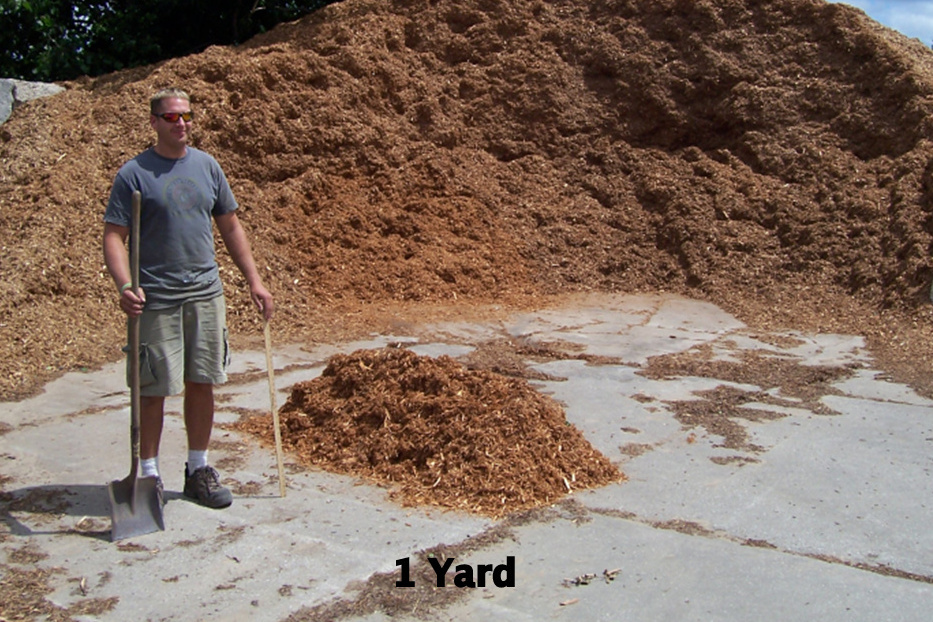
Image Source: klsupplies.com
Factors Affecting Stone Prices
Several elements contribute to the final cubic yard of stone price. It’s essential to grasp these to avoid surprises and to find the most cost-effective solution for your needs.
Type of Stone
The most significant factor influencing the landscape rock prices is the type of stone itself. Different geological formations and processing methods result in varied costs.
- Gravel: This is typically crushed rock, often limestone or granite, processed into various sizes. It’s generally the most affordable option. The cost of gravel per cubic yard is usually lower than more decorative or specialized stones.
- Crushed Stone: Similar to gravel, but often with more specific grading and angularity. Crushed stone cost can vary based on the rock type and the fineness of the crush. It’s common for driveways, pathways, and as a base layer for construction.
- Decorative Gravel and Pebbles: These come in a wide array of natural colors and textures, such as river rock, pea gravel, and decorative granite. Their prices are higher due to their aesthetic appeal and often more labor-intensive collection or processing. Decorative rock pricing reflects the visual impact they provide.
- Rip Rap: Large, angular stones used for erosion control and stabilizing shorelines or slopes. These are usually priced per ton or per cubic yard and can be more expensive due to their size and specific application.
- Sand and Soil: While not strictly “stone,” these are often purchased in similar quantities and can influence overall material costs.
Source and Availability
Where the stone comes from and how readily available it is significantly impacts its price.
- Local Quarries: Stones sourced from local quarries tend to be less expensive because transportation costs are lower. The availability of specific rock types in your region will also play a role.
- Imported or Specialty Stones: Stones that are rare, have unique geological origins, or must be transported long distances will command higher prices. Think of exotic marble chips or specific colored quartzite.
- Seasonal Demand: During peak landscaping seasons (spring and summer), demand for stone can be higher, potentially leading to slightly increased prices or longer wait times.
Processing and Size
The way stone is processed and the size of the final product also influence the stone supplier pricing.
- Crushed vs. Natural: Crushed stone, requiring machinery for breaking and screening, often has a different price point than naturally rounded river stones.
- Screening and Sizing: Stones sorted into specific sizes (e.g., 3/4 inch crushed stone, 1-2 inch river rock) require additional processing (screening) and can be priced accordingly. Finer screenings or specific gradations might cost more.
- Washed vs. Unwashed: Washed gravel or stone, free of dirt and fine particles, is usually more expensive but cleaner and better for certain applications like playgrounds or decorative features.
Quantity Purchased
The amount of stone you buy can affect the per-unit price.
- Bulk vs. Bagged: Buying in bulk (measured in cubic yards or tons) is almost always cheaper per unit than buying pre-bagged quantities from retail stores. This is a key difference in bulk stone prices.
- Volume Discounts: Many stone supplier pricing models offer discounts for larger orders. Purchasing enough stone for a significant project might qualify for a lower per-yard rate.
Delivery Costs
Unless you have a way to transport the stone yourself, gravel delivery cost will be a significant part of the total expense.
- Distance: The further the delivery location is from the quarry or supplier, the higher the delivery fee will be.
- Delivery Method: The type of truck used (e.g., dump truck, flatbed) and the ease of access to your site can also influence delivery charges. Some suppliers charge a flat fee per delivery, while others charge by mileage.
- Minimum Orders: Some suppliers may have minimum order quantities for delivery, or they might charge a premium for smaller deliveries that don’t fill their truck.
Typical Stone Prices by Type
Let’s break down the expected landscape rock prices for common types of stone. Remember, these are general estimates and can vary widely.
Gravel and Crushed Stone
Gravel and crushed stone are the workhorses of many outdoor projects due to their affordability and functionality.
- General Gravel (e.g., crushed limestone, granite):
- Cost of gravel per cubic yard: $20 – $50
- Uses: Driveways, pathways, base material for patios, drainage.
- Characteristics: Angular or rounded, available in various sizes (e.g., 1/4 inch, 3/4 inch, 1 inch).
- Crushed Stone Fines (Dust/Screenings):
- Cost of gravel per cubic yard: $25 – $45
- Uses: Binder for driveways, pathway topping, leveling.
- Characteristics: Very small particles, creates a firm surface when compacted.
- Crushed Stone (larger sizes, e.g., 1-inch to 3-inch):
- Cost of gravel per cubic yard: $30 – $60
- Uses: French drains, decorative landscaping, base layers.
- Characteristics: Angular and sharp, interlocks well.
Decorative Gravel and Landscape Rocks
These stones are chosen for their visual appeal and are typically more expensive than standard gravel. Decorative rock pricing can be quite varied.
- Pea Gravel (3/8 inch to 1/2 inch):
- Landscape rock prices: $40 – $90 per cubic yard
- Uses: Walkways, playgrounds, decorative ground cover, drainage.
- Characteristics: Small, rounded stones in various natural colors.
- River Rock (1 inch to 3 inches or larger):
- Landscape rock prices: $50 – $120 per cubic yard
- Uses: Dry creek beds, garden beds, borders, water features.
- Characteristics: Smooth, rounded stones in a wide range of colors and patterns. Larger sizes often cost more.
- Lava Rock:
- Landscape rock prices: $60 – $100 per cubic yard
- Uses: Mulching, landscaping around plants, high-end garden designs.
- Characteristics: Lightweight, porous, often reddish-brown or black. Excellent for water retention and weed suppression.
- Flagstone:
- Landscaping stone cost: Priced per square foot or ton, but can equate to $100 – $300+ per cubic yard depending on type and thickness.
- Uses: Patios, walkways, stepping stones, wall building.
- Characteristics: Flat, natural stone slabs, available in various materials like sandstone, slate, and limestone.
- Boulders:
- Landscaping stone cost: Priced per piece, by weight, or by size. Can range from $100 to $1,000+ per boulder.
- Uses: Focal points in landscaping, retaining walls, naturalistic designs.
- Characteristics: Large, natural stones, often sold by weight or by specific dimension (e.g., 12-18 inches).
Specialty Stones and Materials
Beyond the common options, there are specialized stones for specific aesthetic or functional needs.
- Crushed Granite (various sizes):
- Crushed stone cost: $40 – $80 per cubic yard
- Uses: High-end driveways, walkways, decorative paths.
- Characteristics: Angular, durable, often available in attractive colors like pink, white, or gray.
- Rip Rap:
- Bulk stone prices: $50 – $150 per cubic yard (often sold by ton)
- Uses: Erosion control, lining ditches, stabilizing embankments.
- Characteristics: Large, angular stones (4 inches to 12 inches or more).
How to Estimate Your Stone Needs
Accurately estimating how much stone you need is critical to avoid overspending or making multiple trips.
Calculating Cubic Yards
A cubic yard is a unit of volume, measuring 3 feet long by 3 feet wide by 3 feet high.
Formula:
Volume (cubic yards) = (Length in feet × Width in feet × Depth in feet) / 27
-
Example: You need to cover a driveway that is 50 feet long, 10 feet wide, and you want a depth of 4 inches (which is 4/12 = 0.33 feet).
Volume = (50 ft × 10 ft × 0.33 ft) / 27
Volume = 165 / 27
Volume ≈ 6.1 cubic yards
Pro Tip: Always round up to the nearest full cubic yard to ensure you have enough material, especially if using angular crushed stone that compacts.
Depth Considerations
The desired depth of your stone layer significantly impacts the total volume needed.
- Light Use (e.g., decorative mulch): 2-3 inches is often sufficient.
- Paths and Walkways: 3-4 inches is recommended for stability.
- Driveways: 4-6 inches of crushed stone is typical for a durable base, potentially topped with 1-2 inches of finer gravel.
- Base Layers for Patios or Structures: Can require 6-12 inches or more of compacted crushed stone.
Buying by the Ton
Some suppliers sell stone by the ton instead of the cubic yard. The conversion depends on the density of the stone, which varies by type and moisture content. A general rule of thumb is that one cubic yard of gravel or crushed stone weighs approximately 1.4 to 1.7 tons.
Approximate Conversion:
- 1 cubic yard ≈ 1.5 tons
If a supplier offers bulk stone prices per ton, ask for their conversion factor for the specific stone you are purchasing.
Where to Buy Stone
Choosing the right supplier can make a big difference in both price and quality.
Stone Quarries and Suppliers
These are often the most cost-effective places to buy stone, especially in bulk.
- Advantages: Generally offer the best bulk stone prices, wide selection of materials, knowledgeable staff, often deliver.
- Considerations: May have minimum order requirements for delivery, might require you to arrange your own pickup if you don’t meet delivery minimums.
Landscape Supply Yards
These yards specialize in materials for landscaping projects and often cater to both contractors and homeowners.
- Advantages: Good selection of decorative stones, often offer delivery, can provide advice on landscaping applications.
- Considerations: Prices might be slightly higher than direct from quarries due to overhead.
Big Box Home Improvement Stores
Stores like Home Depot or Lowe’s sell stone, usually in pre-bagged quantities.
- Advantages: Convenient for small projects, readily available.
- Considerations: Significantly more expensive per unit volume than buying in bulk, limited selection of bulk materials, gravel delivery cost might not be as competitive or available.
Online Retailers
Some online companies specialize in landscaping materials and offer delivery.
- Advantages: Can offer competitive pricing, convenient ordering.
- Considerations: Delivery costs can be high, and you can’t see or touch the stone before purchasing.
Tips for Saving Money on Stone
Getting the best stone supplier pricing doesn’t always mean sacrificing quality.
- Buy in Bulk: As mentioned, purchasing by the cubic yard rather than in bags saves considerable money.
- Shop Around: Get quotes from multiple suppliers in your area. Compare not only the per-yard price but also the gravel delivery cost.
- Consider Local and Common Materials: Locally quarried materials are usually cheaper due to lower transportation costs. Common gravel types are almost always more affordable than specialty decorative stones.
- Plan Your Project Carefully: Accurate measurements prevent over-ordering. However, having a small surplus is better than needing just a little bit more, which might incur another delivery fee.
- Pick Up Yourself (If Possible): If you have a suitable truck or trailer and the quantity is manageable, picking up the stone directly from the supplier can eliminate delivery fees. Check the weight capacity of your vehicle.
- Coordinate with Neighbors: If neighbors also need stone, you might be able to combine orders to meet a supplier’s minimum delivery quantity or get a better bulk rate.
- Timing: While not always a significant factor, purchasing during off-peak seasons might occasionally yield better pricing or availability.
Common Project Examples and Estimated Costs
Let’s look at a few common landscaping projects and estimate the stone costs involved.
1. Gravel Driveway Resurfacing
- Project: Resurface a 50 ft x 10 ft driveway with 3 inches of 3/4-inch crushed gravel.
- Calculated Volume: Approx. 6.1 cubic yards. Round up to 7 cubic yards.
- Estimated Stone Cost: 7 cubic yards × $35/cubic yard (average gravel price) = $245
- Estimated Delivery Cost: $50 – $150 (depending on distance and supplier)
- Total Estimated Cost: $295 – $395
2. Decorative Garden Path
- Project: Create a 30 ft x 3 ft path with 4 inches of pea gravel.
- Calculated Volume: (30 ft × 3 ft × 0.33 ft) / 27 ≈ 1.1 cubic yards. Round up to 2 cubic yards (to account for settling and ease of purchase).
- Estimated Stone Cost: 2 cubic yards × $65/cubic yard (average pea gravel price) = $130
- Estimated Delivery Cost: $50 – $150 (may be higher if it’s a small delivery) OR cost of renting a small trailer if picking up.
- Total Estimated Cost: $180 – $280
3. Landscaping Mulch Around Trees and Beds
- Project: Mulch around 5 trees with a 4-foot diameter circle, 3 inches deep, using lava rock.
- Calculate volume per tree:
- Radius = 2 feet
- Area = π * r² = 3.14 * (2 ft)² = 12.56 sq ft
- Volume per tree = (12.56 sq ft × 0.25 ft) / 27 ≈ 0.12 cubic yards
- Total Volume: 5 trees × 0.12 cubic yards/tree ≈ 0.6 cubic yards. Round up to 1 cubic yard.
- Estimated Stone Cost: 1 cubic yard × $80/cubic yard (average lava rock price) = $80
- Estimated Delivery Cost: If ordering only 1 yard, delivery can be expensive, or you might pick it up in bags. 4-5 bags (approx. 0.75 cubic ft per bag) would be needed. Cost per bag is often $8-$15. So, 5 bags * $12/bag = $60.
- Total Estimated Cost: $80 (bulk) or $60 (bagged) + potential delivery fee if buying bulk. For small quantities, bagged is often more practical.
Frequently Asked Questions (FAQ)
Q1: What is the difference between gravel and crushed stone?
Gravel typically refers to naturally rounded stones found in riverbeds or deposits, while crushed stone is produced by mechanically breaking down larger rocks like granite or limestone. Crushed stone often has sharper edges, which helps it interlock and compact better, making it ideal for driveways and base layers.
Q2: How much does a cubic yard of gravel weigh?
The weight of a cubic yard of gravel varies depending on the type of rock and its moisture content. Generally, one cubic yard weighs between 1.4 to 1.7 tons (approximately 2,800 to 3,400 pounds).
Q3: Can I buy stone in less than a cubic yard?
Yes, many retail stores sell stone in bags. One bag typically contains about 0.5 cubic feet of material. You would need approximately 13-14 bags to equal one cubic yard. Buying in bulk is almost always cheaper if you need more than a few bags.
Q4: Is it cheaper to buy stone by the ton or by the cubic yard?
This depends on the supplier’s pricing structure. Most suppliers offer competitive pricing whether it’s per ton or per cubic yard. The key is to compare the “apples to apples” price based on the volume you need. Always confirm the conversion rate if buying by the ton.
Q5: What is the cheapest type of stone for landscaping?
Standard crushed gravel or crushed limestone in larger sizes (e.g., 3/4 inch to 1.5 inch) is generally the most budget-friendly option. It’s functional for many applications and widely available.
Q6: How do I calculate how much stone I need for my project?
Measure the length, width, and desired depth of the area you want to cover. Use the formula: Volume (cubic yards) = (Length in feet × Width in feet × Depth in feet) / 27. Always round up to ensure you have enough material.
Q7: What does “decorative rock pricing” usually include?
Decorative rock pricing typically includes the cost of the stone itself, which is higher due to its aesthetic qualities, and often the cost of processing, screening, and washing to ensure cleanliness and consistent size. Delivery fees are usually separate.
Q8: What are typical gravel delivery costs?
Gravel delivery cost can vary significantly based on your location relative to the supplier, the quantity being delivered, and the type of truck used. Expect anywhere from $50 to $150 or more for a single delivery. Some suppliers offer free or reduced delivery with larger orders.
By carefully considering these factors and doing a little research, you can confidently determine how much is a yard of stone for your specific project and budget effectively.