
The weight of 1 cubic yard of sand can vary, but it generally falls between 2,000 and 3,000 pounds. This significant range is primarily due to differences in sand type, moisture content, and compaction. Knowing the approximate weight is crucial for many projects, from landscaping and construction to gardening and even sandblasting. This guide will delve into the factors influencing the weight of sand and provide you with the information needed to accurately estimate your needs.
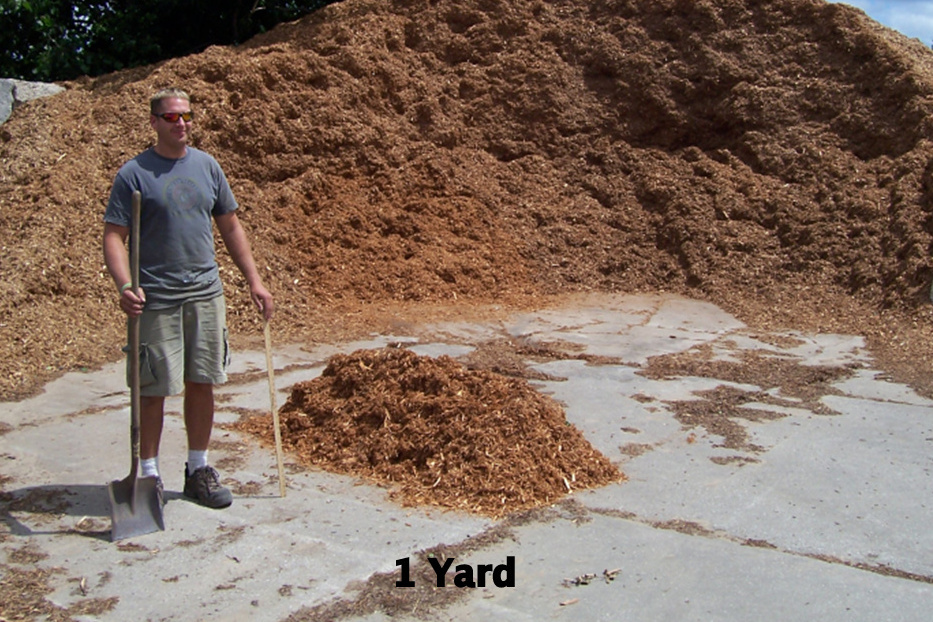
Image Source: klsupplies.com
Deciphering Sand Density: Why Weight Varies
The fundamental reason why a cubic yard of sand doesn’t have a single, fixed weight lies in its sand density. Density is a measure of how much mass is packed into a given volume. For sand, this means how tightly the grains are packed together and what type of grains they are.
What Influences Sand Density?
Several key factors contribute to the density of sand, and consequently, its weight per cubic yard:
-
Grain Size and Shape:
- Fine Sand: Composed of smaller grains, fine sand tends to have more air pockets between particles. This results in a lower density and therefore a lighter weight.
- Coarse Sand: Coarser grains, being larger, pack together more tightly. This reduces the amount of air space, leading to a higher density and a heavier weight.
- Angular vs. Rounded Grains: Angular grains interlock better than rounded grains, creating a denser pack. Rounded grains have more interstitial space, making the sand less dense.
-
Moisture Content:
- Water is heavy! When sand is wet, the water fills the spaces between the grains. This added weight of water significantly increases the overall weight of the sand.
- Dry sand will always be lighter than the same volume of wet sand. The amount of moisture can drastically alter the weight of sand per cubic yard.
-
Compaction:
- How the sand is handled before measuring plays a vital role. Sand that has been vibrated or compressed will have fewer air pockets and thus a higher density.
- Loose, freshly dug sand will be less dense and lighter than sand that has been compacted in a truck or stockpile.
-
Material Composition:
- While we often refer to “sand,” the actual mineral composition can differ. Most sand is made of quartz, which is relatively dense. However, other minerals can be present, slightly altering the overall sand density chart values. For example, sands with a higher proportion of heavier minerals will weigh more.
Fathoming the Cubic Yard of Sand Weight
To make practical sense of the weight, let’s break down the numbers. When you buy sand in bulk, it’s typically measured in cubic yards. A cubic yard is a unit of volume representing a cube with sides of one yard (or three feet) in length.
A yard of sand is a common term used in construction and landscaping. But how much does this volume actually weigh?
Average Sand Density and Weight Calculations
The average sand density is often cited in the range of 100 to 120 pounds per cubic foot. Since a cubic yard contains 27 cubic feet (3 feet x 3 feet x 3 feet), we can use this to estimate the weight:
- Lower end (less dense sand): 100 lbs/cubic foot * 27 cubic feet = 2,700 pounds per cubic yard.
- Higher end (denser sand): 120 lbs/cubic foot * 27 cubic feet = 3,240 pounds per cubic yard.
However, this is for dry, relatively loose sand. When considering the typical types of sand used in construction and landscaping, the weight of sand per cubic yard often falls within a narrower, more practical range.
Common Types of Sand and Their Weights
Different types of sand are used for various purposes, and their weights can differ.
Construction Sand Weight
Construction sand, often referred to as “sharp sand” or “all-purpose sand,” is typically coarser and more angular than play sand or decorative sand. This angularity helps it bind well in concrete and mortar.
- Typical Construction Sand Weight: Dry construction sand usually weighs between 2,500 and 2,900 pounds per cubic yard.
- Wet Construction Sand Weight: When wet, this can easily jump to 3,000 pounds or more per cubic yard, as the water adds significant weight.
Play Sand Weight
Play sand is usually finer and has rounded grains, making it softer and safer for children. Its finer nature means there’s more air space between grains.
- Typical Play Sand Weight: Dry play sand often weighs around 2,200 to 2,600 pounds per cubic yard.
Decorative Sand Weight
Decorative sands can vary widely depending on their source, color, and grain size. Some can be very fine and light, while others might be larger pebbles.
- General Decorative Sand Weight: It’s best to consult the supplier, but a rough estimate would be similar to play sand, perhaps 2,200 to 2,700 pounds per cubic yard for drier, finer decorative sands.
Mason Sand Weight
Mason sand is specifically graded for use in mortar and masonry. It’s typically finer than concrete sand and has a good blend of grain sizes to create a workable mortar.
- Typical Mason Sand Weight: Expect mason sand to weigh approximately 2,600 to 2,800 pounds per cubic yard when dry.
Practical Applications: How This Information Helps
Knowing how much does a yard of sand weigh is essential for several reasons:
Project Planning and Material Estimation
- Ordering Bulk Materials: When you order bulk sand from a landscape supplier or construction yard, it’s usually sold by the cubic yard. Knowing the weight helps you understand the sheer mass of material you’re dealing with.
- Transportation: If you’re transporting sand yourself, knowing the weight is crucial for ensuring your vehicle can handle the load. A single cubic yard of sand can be heavier than many standard cars! A typical pickup truck bed might only hold about half a cubic yard safely.
- Calculating Load Capacity: For larger projects, construction companies need to know the bulk sand weight to calculate the capacity of their trucks and the structural load limits of areas where sand will be stored or used.
Cost Considerations
While sand is often sold by volume, understanding the weight can indirectly influence cost. Heavier loads might incur higher delivery fees, and the density can affect how much material you need for a specific job (e.g., for a certain thickness over an area).
Equipment Selection
- Skid Steers and Loaders: If you’re using heavy machinery to move sand, knowing its density and weight is vital for operating the equipment safely and efficiently.
- Trailers: The weight of a cubic yard of sand can easily exceed the payload capacity of many utility trailers.
Using a Sand Weight Calculator
To simplify calculations, many online tools and resources offer a sand weight calculator. These calculators typically ask for:
- The type of sand (if known)
- Whether the sand is wet or dry
- The volume needed (in cubic yards or cubic feet)
Inputting these details will provide an estimated weight. These calculators are invaluable for quickly getting an idea of how much material you’re working with. They are a part of broader material weight calculator tools that can help with various construction materials.
Example Scenario: Calculating Sand for a Patio Base
Let’s say you’re building a patio and need a 4-inch base of compacted sand. The patio area is 10 feet by 12 feet.
- Calculate the Area: 10 ft * 12 ft = 120 square feet.
- Convert Depth to Feet: 4 inches = 4/12 feet = 0.33 feet.
- Calculate Volume in Cubic Feet: 120 sq ft * 0.33 ft = 40 cubic feet.
- Convert Cubic Feet to Cubic Yards: 40 cubic feet / 27 cubic feet/cubic yard ≈ 1.48 cubic yards.
- Estimate Weight: Assuming you’re using construction sand, which weighs about 2,700 pounds per cubic yard when dry and compacted:
- 1.48 cubic yards * 2,700 lbs/cubic yard ≈ 3,996 pounds.
This means you’ll need close to 2 cubic yards of sand to account for compaction and potential waste, and the total weight will be around 4,000 pounds. This informs your transportation and handling plan.
Sand Density Chart: A Visual Reference
While a precise sand density chart would list many specific sand types, here’s a generalized overview of common sand densities and their approximate weights per cubic yard (for dry sand unless otherwise noted):
| Sand Type | Typical Density (lbs/cubic foot) | Approximate Weight (lbs/cubic yard) | Notes |
|---|---|---|---|
| Fine Sand | 95 – 105 | 2,565 – 2,835 | Smaller grains, more air space, lighter. |
| Coarse Sand | 110 – 125 | 2,970 – 3,375 | Larger grains, tighter packing, heavier. |
| Construction Sand | 100 – 115 | 2,700 – 3,105 | Angular grains, good for binding. |
| Play Sand | 90 – 100 | 2,430 – 2,700 | Fine, rounded grains, soft. |
| Mason Sand | 100 – 110 | 2,700 – 2,970 | Fine, graded for mortar. |
| River Sand | 100 – 115 | 2,700 – 3,105 | Often rounded grains, variable fineness. |
| Concrete Sand | 105 – 115 | 2,835 – 3,105 | Coarser than mason sand, for concrete mixes. |
| Wet Sand | (Varies greatly) | 3,000 – 3,500+ | Water adds significant weight. |
Important Note: These are approximate figures. Actual weights can vary significantly based on the specific source and preparation of the sand. Always confirm with your supplier if precise weight is critical.
Frequently Asked Questions (FAQ)
Q1: How much does a cubic yard of wet sand weigh compared to dry sand?
Wet sand can weigh significantly more than dry sand, often by several hundred pounds per cubic yard. This is because water fills the voids between sand grains, and water is dense. A cubic yard of dry sand might weigh 2,500 lbs, while the same cubic yard of wet sand could easily weigh 3,000-3,500 lbs or more.
Q2: Can I carry a cubic yard of sand in my standard pickup truck?
It depends on the truck’s payload capacity. Many standard half-ton pickup trucks have a payload capacity of around 1,500-2,000 lbs. Since a cubic yard of sand can weigh 2,000-3,000 lbs or more, it’s unlikely a standard pickup can safely carry a full cubic yard. You’d typically need to split the load into two trips or use a heavier-duty truck or trailer.
Q3: What is the most common type of sand used in construction?
Construction sand, often referred to as concrete sand or all-purpose sand, is very common. It’s a blend of different grain sizes that provides good strength and workability when mixed with cement and aggregate for concrete, or when used as a base layer for paving and patios.
Q4: Does the color of the sand affect its weight?
Generally, no. The color of sand is usually due to trace mineral impurities or the source material (like crushed shells or coral for lighter colors, or iron oxides for reddish hues). The primary component of most sand is quartz, and its density is consistent regardless of slight coloration. Therefore, color is not a significant factor in the weight of sand per cubic yard.
Q5: Where can I find a reliable sand weight calculator?
You can find numerous sand weight calculator tools by searching online. Many landscaping supply companies, construction material websites, and general home improvement sites offer these calculators. They are also often integrated into broader material weight calculator tools.
Q6: How do I know which sand density to use for my calculations?
For most general projects, using an average range is sufficient. If you need precision for heavy construction or engineering, it’s best to consult the supplier of the specific sand you intend to use. They can often provide data on the density of their products. If you’re using a sand density chart from a reference, choose the closest match to the sand you’re working with.
Q7: What are the implications of sand compaction on its weight?
Compaction significantly increases the density of sand by reducing the air spaces between grains. Tightly compacted sand will weigh more per cubic yard than loose sand of the same type. This is important to consider when estimating how much sand to order for applications where it will be compacted, such as road bases or foundation preparation.
Q8: Is there a standard for “a yard of sand”?
While “a yard of sand” commonly refers to a cubic yard by volume, the actual weight will vary due to the factors discussed. Suppliers will sell it by volume, but for logistics and handling, knowing the potential weight is critical.
Q9: How much does a cubic yard of sand weigh in the UK or metric units?
In metric units, a cubic meter of sand is the equivalent of approximately 1.3 cubic yards. The weight per cubic meter would therefore be proportionally higher. For example, if a cubic yard weighs 2,700 lbs (about 1,225 kg), a cubic meter might weigh closer to 1,600 kg, or roughly 3,500 lbs. Always check with your supplier for local measurements and conversions.
Q10: Does the type of sand (e.g., river sand vs. beach sand) make a difference in weight?
Yes, the origin can influence the grain shape and size. River sand often has more rounded grains due to tumbling in the water, which can lead to slightly less density than angular, crushed stone sand. Beach sand can vary widely depending on its source. However, the primary determinant of weight remains grain size, shape, and moisture content, rather than just the broad category of its origin.
By carefully considering these factors and utilizing available tools, you can confidently determine how much does 1 cubic yard of sand weigh for your specific needs, ensuring your projects are planned and executed efficiently and safely.