
What is 1/4 of a yard of fabric? 1/4 of a yard of fabric is equal to 9 inches.
If you’re a sewer, crafter, or just someone who occasionally buys fabric, you’ve likely encountered the need to measure fabric. Understanding how fabric is sold and how to break down common fractions is essential for successful sewing projects. This guide will walk you through the simple math behind a quarter yard of fabric, offering practical tips for accurate measurements and fabric quantity estimation.
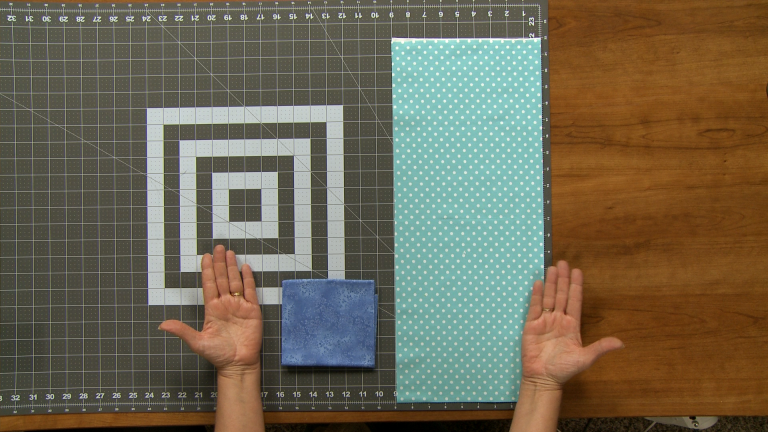
Image Source: d2culxnxbccemt.cloudfront.net
Deciphering Fabric Measurements
Fabric is typically sold by the yard. A yard is a standard unit of length, but in the world of fabric, it comes with its own set of considerations. When you buy fabric “by the yard,” you’re buying a length of fabric that is 36 inches long. However, fabric also has a width, and this width can vary. Knowing these basics is the first step in any fabric yardage calculation.
The Yard to Inches Conversion
The most fundamental conversion you need to know is the yard to inches conversion.
- 1 yard = 36 inches
This is the bedrock upon which all other fabric measurements are built.
Calculating a Quarter Yard
Now, let’s get to the core question: how much is 1/4 of a yard of fabric?
To find this, we simply divide the total length of a yard by four.
- 1/4 yard = 36 inches / 4
- 1/4 yard = 9 inches
So, a quarter yard fabric amount is precisely 9 inches of length.
Visualizing 9 Inches
Imagine a standard ruler. A yardstick is three feet long, which is 36 inches. If you measure 9 inches along that ruler, that’s your quarter yard. It might seem small, but in sewing, even small amounts of fabric can be crucial for details or smaller projects.
Why Does This Matter for Sewing Projects?
When you’re planning a sewing project measurements, having a clear idea of how much fabric you need is vital. Patterns often list fabric requirements in yards. If your project calls for, say, 1/8 of a yard for a specific trim or detail, you’ll need to know how to measure and cut that accurately. Understanding these basic fractions ensures you don’t buy too much or too little fabric.
Fabric Width Considerations
While a quarter yard always refers to the length (9 inches), it’s crucial to remember that fabric also has a width. Fabric widths can vary significantly, commonly ranging from 36 inches to 44-45 inches (standard quilting cotton) to 54 inches, 60 inches, or even wider for upholstery or specialty fabrics.
When you purchase “fabric by the yard,” you get the full width of that bolt of fabric, but only for the length you’ve specified. So, 1/4 yard of fabric will be a piece that is 9 inches long and the full width of the bolt.
Example: If you buy 1/4 yard of a fabric that is 44 inches wide, you will receive a piece of fabric that measures 9 inches x 44 inches.
This is important for fabric cutting guide and when you’re assessing how much fabric needed for a specific pattern piece. A wide fabric might allow you to cut more pieces across its width, potentially saving you fabric overall, even if you need a specific length.
Practical Applications and Fabric Quantity Estimation
Knowing that 1/4 yard equals 9 inches is useful for several reasons:
- Small Projects: Doll clothes, small pouches, mug rugs, or appliqué pieces often require only a fraction of a yard.
- Bias Tape: Bias tape is often cut from strips of fabric. A 9-inch piece of fabric can yield several inches of bias tape depending on the fabric width and how you cut it.
- Scraps: For quilters, knowing what a quarter yard looks like helps manage and utilize fabric scraps effectively.
- Sampling: If you want to see a small sample of a fabric before committing to a larger purchase, you might ask for a quarter yard.
Accurate Fabric Measuring Tape
To ensure you’re getting the correct amount, a good fabric measuring tape is invaluable. Unlike a standard tape measure, fabric measuring tapes are often designed to be more flexible and easier to handle on slippery or draped fabrics. They are typically marked in inches and often have yardage markings as well.
Fabric Yardage Calculation for Projects
When planning larger projects, you’ll often need to calculate total fabric needs. For example, if a pattern requires 2.5 yards of fabric, you’ll need to buy 2 and a half yards. This means 2 full yards (72 inches) plus 1/2 a yard.
- 1/2 yard = 36 inches / 2 = 18 inches
So, 2.5 yards would be 2 yards + 18 inches.
Common Fabric Fractions and Their Measurements
It’s helpful to have a quick reference for common fabric fractions:
| Fraction of a Yard | Inches | Description |
|---|---|---|
| 1/8 yard | 4.5 inches | Half of a quarter yard |
| 1/4 yard | 9 inches | A quarter of a yard |
| 1/3 yard | 12 inches | Roughly one-third of a yard |
| 1/2 yard | 18 inches | Half of a yard |
| 3/4 yard | 27 inches | Three quarters of a yard |
| 1 yard | 36 inches | The full standard length |
Why Precision Matters in Sewing
In sewing, precision is often the difference between a well-fitting garment and something that doesn’t quite work. Incorrect fabric quantity estimation can lead to frustration, wasted time, and extra expense.
For instance, if you’re making a dress and the pattern calls for fabric to be cut on the bias, you might need more fabric than a straight cut because of the diagonal grainline. A good fabric cutting guide within a pattern will account for this.
Tips for Measuring and Cutting Fabric
- Use a Flat, Large Surface: Always measure and cut fabric on a large, flat surface. A cutting mat or a large table is ideal.
- Square Up Your Fabric: Before you start measuring, ensure the end of your fabric is cut straight (squared up) from the selvedge. Many fabric stores will do this for you, but it’s always good to check. If it’s not square, you might need to trim a bit off the end.
- Use a Rotary Cutter and Mat: For quilting cotton and similar fabrics, a rotary cutter and self-healing cutting mat provide the cleanest and most accurate cuts.
- Use Sharp Scissors: If you don’t have a rotary cutter, use very sharp fabric shears. Dull scissors can snag and distort the fabric.
- Measure Twice, Cut Once: This old adage is especially true with fabric. Double-check your measurements before making any cuts.
- Consider Shrinkage: Always pre-wash your fabric before cutting, especially if it’s cotton or linen. Fabrics can shrink differently, and pre-washing ensures your finished project will be the correct size after washing. Account for this potential shrinkage when calculating how much fabric needed.
- Layout for Width: When planning your cuts, consider the fabric width. For example, if you need two pieces of fabric that are 9 inches by 18 inches, and your fabric is 44 inches wide, you can likely get both pieces from a single 9-inch length by cutting them side-by-side.
Example Scenario: Appliqué Patch
Let’s say you want to create an appliqué patch that measures 4 inches by 6 inches. You’ll need a piece of fabric slightly larger than this to allow for a seam allowance and to hold onto while you work. A 5-inch by 7-inch piece would be a good starting point. This would easily fit within a quarter yard fabric amount. You could cut a 9-inch length of fabric and then cut your 5×7 inch piece from that.
Advanced Fabric Yardage Calculation
For more complex projects or when working with patterned fabrics, fabric yardage calculation can become more intricate.
- Directional Prints: If your fabric has a print that must all run in the same direction (e.g., figures facing the same way), you need to be mindful of the fabric’s orientation when cutting each piece. This usually requires buying extra fabric to ensure all pieces are cut correctly.
- Nap: Fabrics like velvet or corduroy have a nap – a direction that the fibers lie. All pieces must be cut with the nap running in the same direction. This also often requires extra yardage.
- Matching Plaids or Prints: If you need to match specific patterns across seams, you will need significantly more fabric than the pattern suggests for a plain fabric. This requires careful planning and cutting.
Using a Fabric Calculator
Many online sewing communities and fabric stores offer fabric quantity estimation tools or calculators. These can be helpful for large projects, but it’s always wise to cross-reference with your pattern’s specific instructions.
When a Quarter Yard Isn’t Enough
While 9 inches is a precise measurement, there are times when a quarter yard might not be sufficient, even if your pattern pieces individually measure less than 9 inches. This is usually due to:
- Pattern Layout: The way pattern pieces are arranged on the fabric (the cutting layout or “lay plan”) is designed to minimize waste and ensure the grainline is followed correctly. Sometimes, even small pieces need to be spaced apart, meaning you might need a longer length of fabric than the sum of the individual pieces’ lengths.
- Fabric Width: If you have a narrow fabric and need to cut pieces that are wider than the remaining length, you might need to buy more fabric.
Always refer to your sewing pattern’s yardage requirements. These are calculated by the pattern designer based on standard fabric widths and typical cutting layouts.
Frequently Asked Questions
Q: If I buy 1/4 yard of fabric, how wide will it be?
A: The width of the fabric depends on the bolt it comes from. Standard quilting cotton is often 44-45 inches wide. Upholstery fabric might be 54 inches or wider. You will receive a piece of fabric that is 9 inches long and the full width of that specific fabric bolt.
Q: Can I use 1/4 yard of fabric for a small tote bag?
A: It depends on the size of the tote bag. A very small, lined pouch might be possible, but a standard tote bag typically requires more fabric, usually at least 1/2 to 1 yard depending on the dimensions and if it has handles or lining.
Q: Is 1/4 yard always 9 inches, regardless of fabric type?
A: Yes, in terms of length. A yard is a unit of length, and 1/4 of that unit is always 9 inches. However, how you use that 9 inches will depend on the fabric’s width and your project’s needs.
Q: How do I accurately measure 1/4 yard if I don’t have a fabric measuring tape?
A: You can use any standard tape measure. Measure 9 inches along the tape measure from the raw edge of the fabric. Ensure the fabric is laid out flat and smooth.
Q: What is the difference between buying fabric by the yard and buying a fat quarter?
A: A yard of fabric is 36 inches long by the full width of the bolt (e.g., 44/45 inches). A fat quarter is a quarter yard cut differently: it’s half a yard cut lengthwise, then cut in half crosswise. So, a fat quarter is typically 18 inches by 22 inches. It provides a wider piece of fabric than a standard quarter yard, which is often preferred by quilters.
By mastering the basic fabric yardage calculation and knowing that 1/4 yard equals 9 inches, you can confidently tackle a wide range of sewing and crafting projects. Remember to always consider fabric width and specific project requirements for the most accurate fabric quantity estimation.