
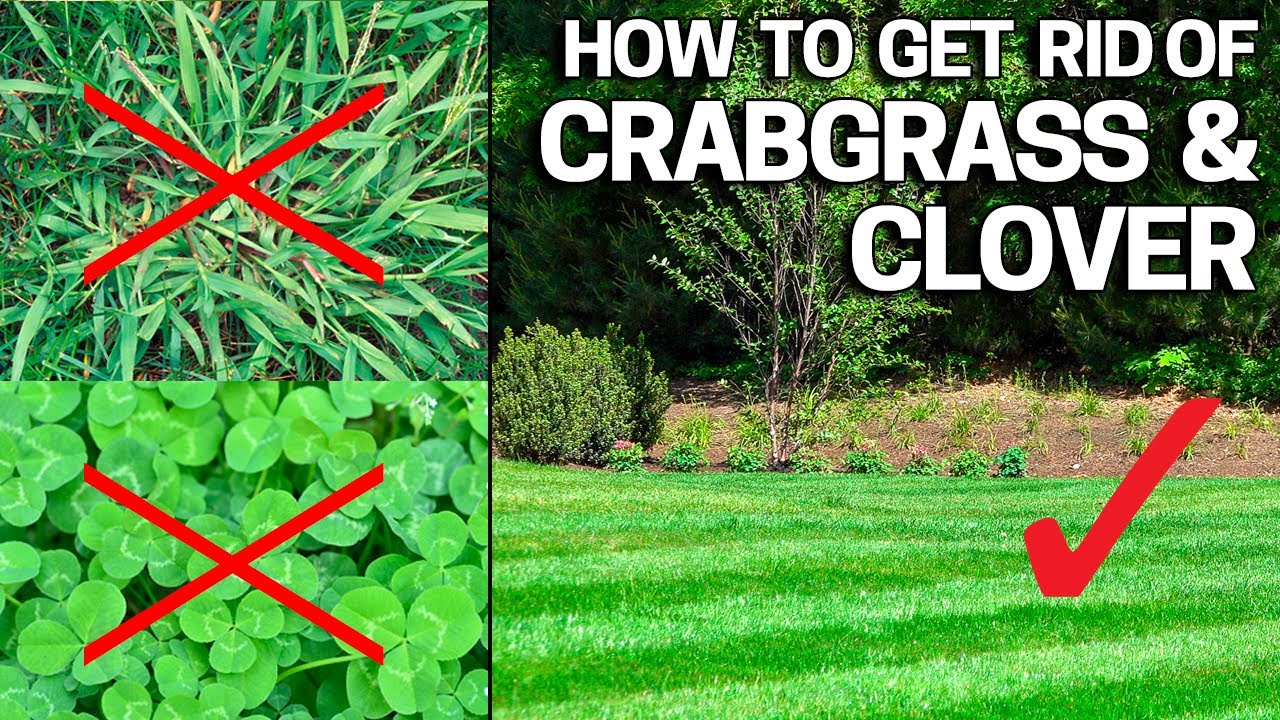
Image Source: i.ytimg.com
How to Effectively and Naturally Kill Clover in Your Yard
Do you want to get rid of clover in your yard? Yes, you can effectively remove clover using a combination of natural methods and targeted treatments. This article will guide you through the best ways to tackle clover and keep it from coming back.
Clover, with its familiar three-leaf (and sometimes lucky four-leaf) pattern, is a common sight in many lawns. While it offers some benefits, like fixing nitrogen in the soil and attracting pollinators, most homeowners prefer a uniform green lawn without its presence. If you’re looking to remove clover and achieve that perfect turf, you’ve come to the right place. This guide will explore various strategies, from manual clover removal to natural solutions and even when to consider a lawn weed killer. We’ll help you find the best way to kill clover that suits your needs and your commitment to natural practices.
Why Does Clover Take Over?
Before we dive into eliminating it, it’s helpful to understand why clover thrives. Clover, particularly white clover (Trifolium repens), is a hardy plant that often signals certain conditions in your lawn.
- Low Nitrogen Levels: Clover is a legume. This means it has a special ability to take nitrogen from the air and convert it into a form that plants can use, directly in its roots. When your lawn grass is lacking nitrogen, clover has an advantage because it can create its own food source. It fills the gaps where grass is weak due to nutrient deficiency.
- Compacted Soil: Clover has shallow root systems that can tolerate compacted soil better than many turfgrasses. If your soil is hard and dense, grass will struggle to establish deep roots, creating an opening for clover.
- Poor Drainage: Areas of the lawn that stay wet for extended periods can favor clover’s growth. Grasses often dislike “wet feet,” but clover can handle these conditions.
- Mowing Too Short: If you consistently mow your lawn too low, you stress the grass. This weakens it, making it less competitive against weeds like clover. Taller grass shades the soil, keeping it cooler and moister, which also discourages some types of weeds.
- Over-Watering: While clover tolerates moisture, so does the grass. However, if you are watering too much, you might be creating conditions that favor clover over a healthy, deeply rooted lawn.
Natural Methods to Get Rid of Clover
Many people prefer to remove clover using natural methods, avoiding synthetic chemicals. These approaches often focus on improving lawn health and creating an environment where grass can outcompete the clover.
1. Adjust Your Mowing Habits
This is a simple yet incredibly effective strategy for clover control.
- Mow Higher: Aim to mow your lawn at a height of 3 to 3.5 inches. Taller grass blades shade the soil, keeping it cooler and preventing weed seeds (including clover) from germinating. Taller grass also develops a deeper root system, making it more resilient and better able to compete with clover.
- Keep Blades Sharp: Dull mower blades tear grass blades, leaving them susceptible to disease and stress. Sharp blades make clean cuts, promoting faster healing and healthier growth.
2. Improve Soil Health and Nutrition
Addressing underlying soil issues is crucial for long-term clover prevention.
- Soil Testing: The first step is to get a soil test. This will tell you the pH level and nutrient content of your soil. Most lawn grasses prefer a slightly acidic to neutral pH (around 6.0-7.0). Clover can tolerate a wider range of pH.
- Fertilize Appropriately: Based on your soil test, apply a balanced fertilizer. If your soil is low in nitrogen, a nitrogen-rich fertilizer will help your grass grow thicker and greener, outcompeting the clover. Look for fertilizers that release nutrients slowly to provide a steady food source for your lawn.
- Aeration: If your soil is compacted, aeration is key. This process involves pulling small plugs of soil out of the ground, allowing air, water, and nutrients to penetrate the root zone. Aerating once a year, preferably in the fall, can significantly improve soil structure and grass health.
- Top Dressing: After aerating, you can top-dress your lawn with a thin layer of compost or good quality topsoil. This further improves soil structure and adds organic matter, which benefits grass growth.
3. Watering Practices
Smart watering is another aspect of clover control.
- Water Deeply and Infrequently: Instead of frequent, shallow watering, water your lawn deeply once or twice a week. This encourages grass to grow deeper roots, making it more drought-tolerant and better able to compete with weeds. Allow the soil surface to dry out between waterings.
4. Manual Clover Removal
For small patches or if you’re committed to a completely chemical-free approach, manual removal is an option.
- Weeding Tool: Use a specialized weeding tool or a trowel to dig out the clover plants. It’s essential to get as much of the root system as possible, as clover can regrow from leftover roots.
- Timing: The best time to manually remove clover is when the soil is moist, making it easier to pull out the entire plant.
- Disposal: Bag the removed clover and dispose of it properly to prevent seeds from spreading.
5. Natural Herbicides (Use with Caution)
While the goal is often natural, sometimes a targeted approach is needed. Some natural products can help remove clover.
- Vinegar: Horticultural vinegar (acetic acid) can be used as a contact killer. It burns the foliage of the clover. However, it’s not selective, meaning it will also damage your grass. It’s best used for spot treatment and requires multiple applications. The concentration of acetic acid in household vinegar is usually too low to be effective.
- Corn Gluten Meal: This is often cited as a natural pre-emergent herbicide. Applied in early spring, it can inhibit seed germination, potentially reducing the number of new clover plants that sprout. However, its effectiveness can be inconsistent, and it needs to be applied at the correct time.
- Boiling Water: Similar to vinegar, pouring boiling water directly on clover patches will kill the plant. This is only suitable for very small, isolated areas where you don’t risk damaging desirable grass.
Chemical Control for Clover
If natural methods aren’t providing the results you desire, or if you have a widespread clover infestation, you might consider chemical treatments. When choosing a lawn weed killer, look for products specifically designed for broadleaf weeds.
What Type of Lawn Weed Killer Works on Clover?
Clover is a broadleaf weed. Therefore, you need a broadleaf weed killer to target it effectively. These herbicides work by disrupting the growth processes of broadleaf plants while leaving grasses largely unharmed.
Key Ingredients in Clover Herbicides
When looking for an herbicide for clover, keep an eye out for these active ingredients:
- 2,4-D: A widely used herbicide that targets broadleaf weeds.
- Mecoprop (MCPP): Often found in combination with 2,4-D.
- Dicamba: Another effective broadleaf herbicide.
- Triclopyr: Good for tougher-to-control broadleaf weeds.
- Quinclorac: Can be effective on clover, particularly when applied at specific growth stages.
Important Note: Always read and follow the label instructions on any herbicide product carefully. Application timing, rates, and safety precautions are crucial for effectiveness and to avoid damaging your lawn or the environment.
Spot Treatment vs. Broadcast Application
- Spot Treatment: For scattered clover patches, spot treating is the most efficient and environmentally friendly approach. This involves applying the herbicide directly to the clover plants.
- Broadcast Application: If your lawn is heavily infested with clover, you might need to apply the herbicide over the entire lawn.
When to Apply Herbicides
The effectiveness of herbicides for clover control depends on the timing:
- Spring and Fall: These are generally the best times to apply herbicides. The clover is actively growing, and the weather is typically moderate, allowing the herbicide to be absorbed effectively.
- Avoid Hot Weather: Do not apply herbicides when temperatures are consistently above 85°F (29°C), as this can stress your grass and reduce the herbicide’s effectiveness.
- After Rain or Watering: Ensure the clover is dry when applying the herbicide. If you water, wait a day or two before application.
Clover Prevention: Keeping It From Coming Back
Once you’ve successfully managed to remove clover, the next step is clover prevention. This involves maintaining a healthy and dense lawn that can naturally crowd out weeds.
Ongoing Lawn Care Practices
- Consistent Fertilization: Stick to a regular fertilization schedule based on your soil test results. A well-fed lawn is a strong lawn.
- Proper Watering: Continue with deep, infrequent watering.
- Regular Mowing: Maintain your lawn at the recommended height and keep mower blades sharp.
- Overseeding: In the fall, consider overseeding your lawn with a high-quality grass seed. This helps fill in any thin spots where clover might try to establish itself. Choose grass varieties that are well-suited to your climate and soil conditions.
- Dethatching: A thick layer of thatch can smother grass and create a favorable environment for weeds. Dethatch your lawn when the thatch layer exceeds half an inch.
Dealing with Problem Areas
- Bare Spots: Address bare patches immediately after they appear. Sow grass seed or lay sod to prevent weeds from taking root.
- Shady Areas: If you have consistently shady areas where grass struggles, consider planting shade-tolerant groundcovers or choosing shade-tolerant grass varieties. Clover often thrives in shady spots where grass is weak.
Table: Comparing Clover Removal Methods
| Method | Pros | Cons | Best For |
|---|---|---|---|
| Manual Removal | Natural, no chemicals, precise | Labor-intensive, can be difficult to get all roots, not for large areas | Small patches, organic gardening |
| Proper Mowing | Natural, promotes grass health | Takes time to see results, doesn’t kill existing clover | Long-term clover prevention, ongoing maintenance |
| Soil Improvement | Natural, addresses root cause, long-term | Requires soil testing and effort, takes time to see full benefits | Chronic clover problems, improving overall lawn health |
| Natural Herbicides | Low toxicity, eco-friendly (if used correctly) | Can be less effective, may require multiple applications, can harm grass | Small infestations, sensitive environments |
| Chemical Herbicides | Fast-acting, highly effective for broad infestations | Can harm beneficial insects, potential environmental impact, requires careful application | Severe clover infestations, quick results needed |
Frequently Asked Questions About Clover Control
Q1: Will killing the clover damage my grass?
A1: Many broadleaf weed killer products are designed to target weeds like clover without harming most lawn grasses. However, it’s essential to use the correct product and apply it according to the label instructions. Natural methods like vinegar or boiling water can damage grass if not used carefully.
Q2: Is clover bad for my lawn?
A2: Clover itself isn’t inherently “bad.” It fixes nitrogen, which can benefit your grass. However, a lawn heavily dominated by clover often indicates underlying issues like low nitrogen levels or compacted soil. For many homeowners, it detracts from the uniform look they desire for their lawn.
Q3: How do I remove clover naturally without chemicals?
A3: Natural methods include mowing at a higher setting, improving soil health through aeration and fertilization, proper watering techniques, and manual removal of clover plants. These strategies focus on creating a robust lawn that can outcompete clover.
Q4: When is the best time to treat clover?
A4: The most effective time to treat clover is when it is actively growing, typically in the spring and fall. Avoid treating during extreme heat or drought conditions.
Q5: Can I use household vinegar to kill clover?
A5: While household vinegar (5% acetic acid) can kill small weeds on contact, it’s often not strong enough for established clover, and it will also damage your lawn grass. Horticultural vinegar (20% acetic acid) is more potent but still non-selective and should be used with extreme caution for spot treatment.
Q6: How can I prevent clover from returning?
A6: Consistent, proper lawn care is the key to clover prevention. This includes maintaining the right mowing height, adequate watering, regular fertilization, and overseeding thin areas to keep the grass thick and healthy. Addressing soil compaction and nutrient deficiencies will also help.
By employing a combination of these strategies, you can effectively remove clover and maintain a beautiful, healthy lawn for years to come. The best way to kill clover often involves a persistent approach that prioritizes the overall health of your turf.