
A lawn mower spark plug typically lasts between 50 to 100 hours of use, or about one to two mowing seasons. However, this is just an average, and their actual lifespan can vary significantly based on several factors. Knowing how long your lawn mower spark plug should last and when to replace it is a crucial part of regular lawn mower maintenance spark plug.
A worn-out spark plug can cause a range of problems, from difficulty starting your mower to reduced engine performance and increased fuel consumption. Thankfully, replacing a spark plug is usually a simple and inexpensive DIY task that can greatly improve your mower’s health and your overall mowing experience. This guide will delve into the factors influencing lawn mower spark plug lifespan, how to identify a failing plug, and the best practices for its replacement.
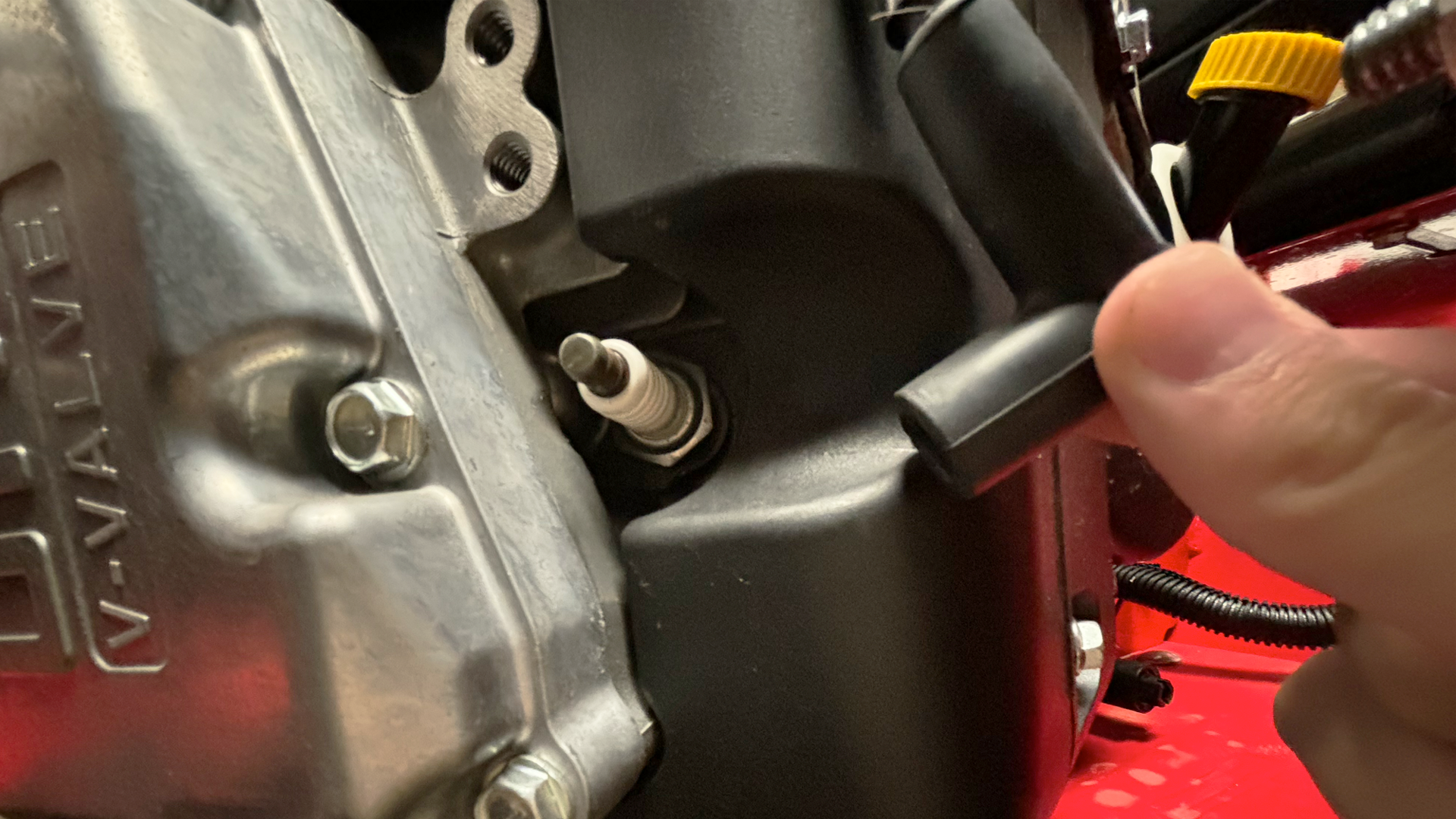
Image Source: blog.koenigequipment.com
Deciphering Lawn Mower Spark Plug Longevity
The lifespan of a lawn mower spark plug isn’t set in stone. Several elements contribute to how quickly a spark plug wears out. Understanding these factors can help you predict when your mower’s spark plug might need attention.
Factors Affecting Spark Plug Life
Several key elements influence how long a spark plug will function effectively in your lawn mower’s engine.
- Fuel Quality: Using stale or low-quality fuel can lead to carbon buildup on the spark plug’s electrodes. This buildup creates a barrier that hinders the spark, making it harder for the engine to ignite the fuel-air mixture. Over time, this can cause the plug to foul and fail prematurely.
- Engine Load and Usage: How you use your mower plays a significant role. Consistently operating your mower under heavy load, such as mowing tall, wet grass or tackling steep inclines, puts more stress on the engine and, consequently, the spark plug. Frequent short bursts of operation can also be harder on a spark plug than longer, consistent runs.
- Engine Type and Size: Different types and sizes of lawn mower engines have varying demands on their spark plugs. A small push mower engine might have different requirements than a larger riding mower engine.
- Spark Plug Quality: Not all spark plugs are created equal. Higher-quality spark plugs, often made with more durable materials like platinum or iridium, tend to last longer than standard copper plugs. While they might have a higher upfront cost, their extended mower spark plug longevity can make them a more cost-effective option in the long run.
- Operating Conditions: Extreme temperatures, high humidity, and dusty environments can all contribute to increased wear and tear on your spark plug. Dust, in particular, can get into the engine and cause abrasive wear on the spark plug electrodes.
- Regular Maintenance: Proper lawn mower maintenance spark plug practices, such as ensuring the correct air-fuel mixture and keeping the engine clean, can indirectly help extend spark plug life by reducing stress and buildup.
Typical Spark Plug Life Mower Considerations
When we talk about the “typical spark plug life mower,” we’re referring to the average expected duration of optimal performance. For most standard lawn mower spark plugs, this falls within the 50-100 hour usage window. This translates to roughly one to two full mowing seasons for the average homeowner who mows their lawn weekly during the growing season.
However, it’s vital to remember that this is a guideline. If you use your mower very frequently, mow very large areas, or operate it in demanding conditions, you might find your spark plug reaches the end of its life sooner. Conversely, infrequent use or light-duty mowing might allow a plug to last a bit longer.
How Often to Change Lawn Mower Spark Plug?
The question of “how often to change lawn mower spark plug” is best answered by a combination of usage hours and observable signs of wear. While manufacturers often provide recommendations, proactive replacement is usually better than waiting for a problem to arise.
Recommended Replacement Intervals
Most lawn mower manufacturers suggest replacing the spark plug every 100 hours of operation or annually. This is a good general rule of thumb for ensuring consistent performance. Even if your mower hasn’t reached 100 hours, replacing it at the start of each mowing season can prevent potential starting issues and ensure your mower is ready to go.
Think of it like changing the oil in your car. While your car might run fine for a bit longer, regular oil changes prevent long-term engine damage. The same principle applies to the lawn mower spark plug replacement interval.
Why Proactive Replacement is Key
- Preventing Misfires: A worn spark plug is prone to misfires. This means the spark isn’t strong or consistent enough to ignite the fuel-air mixture properly, leading to a rough-running engine.
- Ensuring Easy Starts: A failing spark plug can make your mower difficult to start. You might have to pull the starter cord multiple times, which can be frustrating and indicate the plug is losing its effectiveness.
- Optimizing Fuel Efficiency: A properly firing spark plug contributes to efficient fuel combustion. A worn plug can lead to incomplete combustion, wasting fuel and costing you more in the long run.
- Maintaining Engine Power: When the spark plug isn’t firing correctly, the engine won’t produce its full power. This can make mowing more challenging, especially in thick grass.
- Avoiding Costly Repairs: While a spark plug is inexpensive, a severely fouled or damaged plug can sometimes lead to other engine problems if left unaddressed.
Signs of a Bad Lawn Mower Spark Plug
Recognizing the symptoms of a failing spark plug is crucial. These signs indicate it’s time to inspect and likely replace your mower’s spark plug.
Here are common indicators of a bad lawn mower spark plug:
- Difficulty Starting: This is often the first and most obvious sign. If your mower is taking many pulls of the starter cord to start, or if it starts but then stalls, your spark plug could be the culprit.
- Rough Idling or Misfiring: When the engine is running, if it sounds uneven, sputters, or “misses” beats, it’s likely due to an inconsistent spark.
- Reduced Engine Power: You might notice your mower struggling to cut through grass it used to handle with ease. This loss of power is a strong indicator of ignition system problems, with the spark plug being a primary suspect.
- Increased Fuel Consumption: If you’re finding yourself filling the gas tank more often than usual for the same amount of mowing, an inefficient spark plug could be the reason for poor fuel combustion.
- Engine Stalling: If the engine starts fine but then dies unexpectedly during operation, especially under load, a weak or intermittently firing spark plug is a likely cause.
- Visible Fouling or Damage: When you remove the spark plug, you might be able to see signs of wear or damage. This includes heavy carbon buildup (black, sooty deposits), oil fouling (oily deposits), or physical damage to the electrodes (worn down, corroded, or broken).
Visual Inspection of a Spark Plug
A visual inspection can tell you a lot about the health of your spark plug. Here’s what to look for:
| Spark Plug Appearance | Meaning | Action |
|---|---|---|
| Light Tan/Gray | Ideal condition, indicating proper combustion. | Continue to use. |
| Black & Sooty (Carbon Fouled) | Too much fuel, not enough air, or weak spark. | Clean if lightly fouled; replace if heavily fouled. |
| Oily Deposits | Oil is getting into the combustion chamber, indicating internal engine issues. | Replace plug, investigate engine problem. |
| White or Ashy Deposits | Engine running too lean, too hot, or oil/fuel additives. | Replace plug, check fuel/air mixture. |
| Worn/Rounded Electrodes | Normal wear over time. | Replace spark plug. |
| Cracked Porcelain | Caused by dropping or overtightening. | Replace spark plug immediately. |
| Melted Electrodes | Engine overheating or pre-ignition. | Replace plug, investigate engine overheating. |
How to Test Lawn Mower Spark Plug
Before you rush out to buy a new spark plug, you can perform a simple test to see if your current one is working. There are two primary ways to test a lawn mower spark plug: the spark test and a visual inspection after use.
Performing a Spark Test
This is the most common method to check if your spark plug is generating a spark.
What You’ll Need:
- Spark plug socket (usually 5/8 inch or 13/16 inch)
- Ratchet wrench
- Gloves (for safety)
- A second, known-good spark plug (optional, but helpful for comparison)
Steps:
- Disconnect the Spark Plug Wire: Gently pull the rubber boot off the end of the spark plug.
- Remove the Spark Plug: Use the spark plug socket and ratchet to unscrew the spark plug from the engine head.
- Reattach the Wire: Place the spark plug wire boot back onto the end of the removed spark plug.
- Position the Plug: Carefully hold the metal body of the spark plug firmly against a clean, unpainted metal part of the engine block (like a cylinder head bolt). Ensure you hold it by the rubber boot, not the wire itself.
- Check for Spark: Have someone else pull the starter cord while you observe the gap between the spark plug’s electrodes. You should see a strong, blue spark jump across the gap.
- Good Spark: A bright blue spark indicates the spark plug is likely functioning correctly.
- Weak or Yellow Spark: This suggests the spark plug is worn or fouled and needs replacement.
- No Spark: This could mean the spark plug is completely dead, the wire is faulty, or there’s an issue with the ignition system.
Important Safety Note: Do not hold the spark plug with your bare hands while pulling the cord, as you could receive an electric shock. Always use gloves and grip the rubber boot. Also, ensure the spark plug is properly grounded against the engine block; otherwise, you might not see a spark or could damage the ignition coil.
Visual Inspection: A Practical Approach
As detailed in the table above, a visual inspection of the spark plug after running the engine can also reveal its condition. If you’re experiencing performance issues, removing and examining the plug can often provide a clear diagnosis.
Lawn Mower Maintenance Spark Plug: Best Practices
Incorporating spark plug checks into your regular lawn mower maintenance spark plug routine is a simple yet effective way to keep your mower running smoothly.
When is the Best Time to Replace Lawn Mower Spark Plug?
The best time to replace a lawn mower spark plug is often proactively.
- At the start of each mowing season: This ensures your mower is ready for the demands ahead and helps prevent the frustration of a no-start on your first mow of the year.
- After 100 hours of use: This is a solid benchmark for preventative replacement.
- When you notice any signs of a bad spark plug: Don’t wait if your mower is exhibiting symptoms like hard starting or rough running.
How to Replace a Lawn Mower Spark Plug
Replacing a spark plug is a straightforward process.
What You’ll Need:
- New spark plug (ensure it’s the correct model for your mower)
- Spark plug socket and ratchet wrench
- Gap gauge (if the new plug isn’t pre-gapped)
- Torque wrench (optional, but recommended for precise installation)
- Anti-seize lubricant (optional, for spark plug threads)
- Wire brush or compressed air (to clean around the plug hole)
Steps:
- Safety First: Ensure the mower engine is cool and turned off. Disconnect the spark plug wire.
- Clean the Area: Use a wire brush or compressed air to clean any debris around the spark plug to prevent it from falling into the engine cylinder when you remove the plug.
- Remove the Old Plug: Fit the spark plug socket onto the old spark plug and use the ratchet to loosen and remove it.
- Check the Gap (New Plug): Most spark plugs come pre-gapped, but it’s wise to check. Refer to your mower’s manual for the correct gap specification. Use a gap gauge to adjust if necessary. Be gentle when adjusting; bending the center electrode can damage it.
- Apply Anti-Seize (Optional): Apply a small amount of anti-seize lubricant to the threads of the new spark plug. This helps prevent the plug from seizing in the engine head over time and makes future removal easier.
- Install the New Plug: Carefully thread the new spark plug into the engine head by hand. This prevents cross-threading. Once it’s finger-tight, use the spark plug socket and ratchet to tighten it.
- Torque Specification: If you have a torque wrench, tighten the plug to the manufacturer’s specified torque (usually found in your owner’s manual). This is typically around 15-20 ft-lbs for most small engines.
- If No Torque Wrench: Tighten the plug until it’s snug, then give it an additional 1/4 to 1/2 turn. Overtightening can damage the engine head or the plug itself.
- Reconnect the Wire: Push the spark plug wire boot firmly back onto the terminal of the new spark plug until it clicks into place.
- Test: Start your mower to ensure it runs smoothly.
Mower Spark Plug Longevity and Your Lawn Mower Service Spark Plug Schedule
Maintaining a consistent lawn mower service spark plug schedule is key to ensuring reliable performance. Think of the spark plug as a small but mighty component that significantly impacts your mower’s overall health.
Creating a Maintenance Schedule
A good approach is to combine usage hours with seasonal checks.
- Spring: At the beginning of the mowing season, always check or replace your spark plug. This is part of your pre-season tune-up.
- Mid-Season: If you have a high-hour mower or notice any performance degradation, check the spark plug around the halfway point of its expected lifespan (e.g., after 50 hours of use).
- Fall: After the last mow of the season, it’s a good practice to replace the spark plug as part of winterizing your mower. This ensures a fresh plug is ready for the following spring.
Choosing the Right Spark Plug
Using the correct spark plug for your specific lawn mower model is essential. The wrong plug can lead to poor performance, premature wear, or even engine damage.
- Consult Your Owner’s Manual: Your mower’s manual will specify the exact spark plug type and gap required.
- Match Part Numbers: If you don’t have the manual, you can often find the part number on the old spark plug. Take this number to an auto parts store or lawn mower dealer.
- Consider Quality: While standard copper plugs are inexpensive, premium plugs (platinum, iridium) often offer greater durability and longer mower spark plug longevity. For most homeowners, a good quality copper or platinum plug is sufficient.
Frequently Asked Questions (FAQ)
Here are some common questions about lawn mower spark plugs.
Q1: Can I use a spark plug from a car in my lawn mower?
A1: Generally, no. While both are spark plugs, they are designed for different operating conditions and engine types. Automotive spark plugs can be a different heat range, thread size, or reach, which can negatively impact your mower’s engine performance and potentially cause damage. Always use the spark plug recommended for your specific lawn mower model.
Q2: What happens if I don’t replace my spark plug?
A2: If you don’t replace a worn or fouled spark plug, you risk experiencing hard starting, rough engine operation, reduced power, increased fuel consumption, and potentially stalling. In severe cases, a damaged spark plug could contribute to more significant engine problems.
Q3: How do I know if my spark plug is bad?
A3: Signs of a bad spark plug include difficulty starting the mower, the engine running rough or misfiring, a noticeable loss of power, and increased fuel usage. A visual inspection of the plug itself can also reveal carbon fouling, oil deposits, or worn electrodes.
Q4: Can I clean a fouled spark plug?
A4: Yes, for light carbon fouling, you can often clean a spark plug. Use a wire brush to gently remove the carbon deposits and then use a clean cloth to wipe it down. You can also use carb cleaner or brake cleaner for a more thorough cleaning. However, if the electrodes are significantly worn, oily, or the porcelain is cracked, cleaning will not help, and the plug must be replaced.
Q5: How much does a lawn mower spark plug cost?
A5: The cost of a lawn mower spark plug is quite affordable. Standard copper plugs typically range from $2 to $5, while premium plugs like platinum or iridium can cost between $5 and $15. This makes them one of the most inexpensive maintenance items for your mower.
By paying attention to your lawn mower spark plug lifespan and performing regular maintenance, you can ensure your mower starts reliably and runs efficiently, making your lawn care tasks easier and more enjoyable.