
So, how big is a half yard of fabric? A half yard of fabric is essentially half of a full yard, which is a common unit of measurement in sewing and textiles. It means you have 18 inches in length, while the width will depend on how the fabric was manufactured, but is typically between 44 and 60 inches.
When you’re diving into the world of sewing, quilting, or any craft that involves fabric, getting a clear grasp of fabric measurements is crucial. One of the most common questions new crafters ask is about fabric yardage, and specifically, what exactly is a half yard meaning in practical terms? This isn’t just about abstract numbers; it’s about visualizing the material you’ll be working with. Let’s break down how big is a half yard of fabric by looking at its fabric dimensions and how it translates into usable material for your projects.
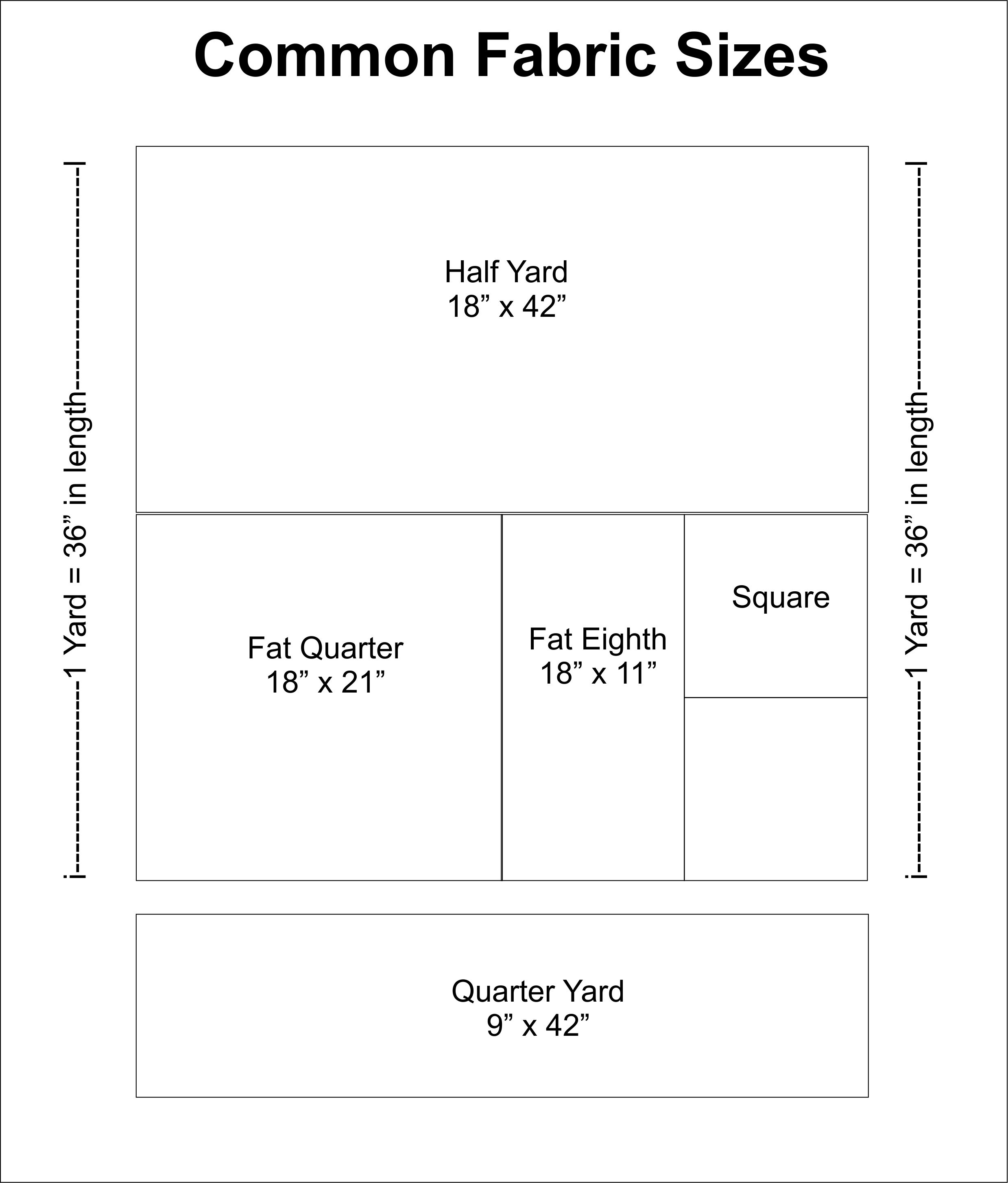
Image Source: snappy-baby.com
The Core Concept: What is a Yard in Fabric?
Before we get to the half yard, we need to talk about the full yard. In the United States, a standard yard of fabric is 36 inches long. This measurement refers to the length of the fabric from selvage to selvage (the finished edges of the fabric). The width of the fabric is a separate measurement and can vary significantly. Think of it like buying a loaf of bread – the length is consistent for a “yard,” but the width of the loaf might be different depending on the bakery.
So, when we talk about buying fabric, we’re primarily discussing its length. The width is a characteristic of the bolt it comes off of. Common fabric widths for apparel and quilting cotton are around 44-45 inches. Home decor fabrics or other specialty materials might be wider, sometimes 54 inches, 60 inches, or even more.
Deconstructing the Half Yard: More Than Just Half the Length
Now, let’s apply that to a half yard. If a full yard is 36 inches in length, then a half yard is simply:
- Length: 36 inches / 2 = 18 inches
This 18-inch length is what you get when you purchase a “half yard” of most sewing fabric. However, the real key to fabric quantities and what you can do with that material lies in the width.
Visualizing the Dimensions
To truly grasp how big is a half yard of fabric, let’s picture it. Imagine a standard bolt of fabric, typically around 44 inches wide.
When you buy a half yard, you are essentially cutting a piece that is:
- 18 inches long
- 44 inches wide (or whatever the width of that specific bolt is)
This creates a rectangular piece of fabric. Let’s compare it to something familiar.
Table 1: Common Fabric Unit Comparisons
| Fabric Unit | Length (inches) | Typical Width (inches) | Total Area (sq inches) |
|---|---|---|---|
| Half Yard | 18 | 44 | 792 |
| Full Yard | 36 | 44 | 1584 |
| Fat Quarter | 18 | 22 | 396 |
Note: The “Typical Width” is an approximation. Always check the specific fabric for its exact width.
You can see that a half yard is exactly double the area of a “fat quarter,” which is a very popular cut in quilting. A fat quarter is a half yard cut, but it’s cut “on the crossgrain,” meaning instead of an 18″ x 44″ piece, you get a 22″ x 18″ piece. This makes the fat quarter more usable for smaller quilting blocks. When you buy a standard half yard, you get the longer, narrower piece.
Why Fabric Measurements Matter: Practical Applications
Knowing your fabric dimensions is vital for successful crafting. Here’s why:
Project Planning and Fabric Calculations
When you look at a sewing pattern, it will tell you how much fabric you need for a particular project. These fabric calculations are based on standard yardage. If a pattern calls for 2 yards of fabric, and you only buy 2 half-yard increments, you’ll have the correct length but potentially not the width needed to cut out all your pattern pieces efficiently.
Optimizing Fabric Usage
The way fabric is cut from the bolt impacts how you can lay out your pattern pieces. Designers of patterns know that standard fabric widths are available and design their pieces to fit within those widths.
Consider a simple project like a tote bag. A basic tote bag might require a few rectangular pieces. If you have a half yard (18″ x 44″), you have a good amount of material to work with for smaller accessories or even parts of a larger garment.
Understanding “Buying Fabric” in the Modern Era
While the yard is the traditional unit, many fabric stores also sell fabric by the “eighth,” “quarter,” or “half” yard, and increasingly, by the “fat quarter” or even “by the panel.” This makes buying fabric more accessible for smaller projects. However, it’s always important to confirm the exact dimensions you are receiving.
Common Fabric Widths and Their Impact
The width of the fabric bolt significantly influences what you can achieve with a half yard.
Standard Quilting Cotton (44-45 inches wide)
- A half yard provides: 18 inches of length x 44 inches of width.
- Usability: This is a versatile cut. You can get two 18″ x 22″ pieces from this (which is essentially two fat quarters, though cut differently), or a single larger piece. Many smaller garments, bags, pouches, or quilting elements can be cut from this.
Wider Home Decor or Specialty Fabrics (54-60 inches wide)
- A half yard provides: 18 inches of length x 54-60 inches of width.
- Usability: This is a much larger surface area. The increased width means you can cut larger pattern pieces, making it ideal for home decor items like curtains, cushion covers, or even simple skirts and dresses where the pattern pieces are wider.
Narrower Fabrics (e.g., some linens, knits)
- A half yard provides: 18 inches of length x typically 36-40 inches of width.
- Usability: While the length is the same, the reduced width means you have less material to work with for wider pattern pieces. This might be sufficient for smaller accessories or garments made from stretchy knits where pattern pieces can be more compact.
Visualizing with Real-World Objects
To make fabric measurements tangible, let’s compare a half yard to everyday objects. Imagine a standard piece of paper, which is about 8.5 inches wide and 11 inches long.
A half yard (18″ x 44″) is roughly:
- Twice the length of a standard piece of paper.
- About five times the width of a standard piece of paper.
Or, think about a placemat. A typical placemat might be 12 inches x 18 inches. Your half yard of fabric would give you a piece that is the same length as a placemat but significantly wider.
Sewing Calculations: A Deeper Dive
When you are planning a project, fabric calculations are essential. Let’s say you want to make a simple apron. An apron might require two main pieces for the body and a strip for the waist tie and neckband.
- Apron Body: If each apron body piece is roughly 20 inches long and 20 inches wide, you’ll need a total of 40 inches in length if you cut them one above the other along the grain. However, you can often lay them out side-by-side.
- Waist Ties/Neckband: These are long, narrow strips.
If you have a half yard (18″ x 44″), you can easily cut two 20-inch wide pieces that are only 18 inches long. This is not ideal for a single apron body piece that might be 20 inches long. You’d need to join pieces or have less width. However, you could cut smaller, pieced elements for the apron body from it, or you could cut the ties and embellishments.
This highlights the importance of checking your pattern’s specific requirements against the fabric dimensions you have. Sometimes, the width of the fabric you buy dictates whether you can cut a piece in one go or if you need to seam multiple smaller pieces together.
Common Fabric Quantities and Their Meanings
Let’s clarify some common ways fabric is sold, beyond just the half yard:
- Yard: 36 inches long x width of the bolt.
- Half Yard: 18 inches long x width of the bolt.
- Quarter Yard: 9 inches long x width of the bolt. This is often cut along the width, meaning you get a piece that is 9 inches long and half the width of the bolt (e.g., 9″ x 22″ if the bolt is 44″ wide).
- Eighth Yard: 4.5 inches long x width of the bolt. Similar to the quarter yard, this can also be cut into a smaller square, like 9″ x 11″ if the bolt is 44″ wide and cut in half.
- Fat Quarter: 18 inches long x 22 inches wide (half the width of a standard 44-inch bolt, cut from the full length). This is a very popular fabric unit for quilters as it provides a more usable square-ish shape compared to a “skinny quarter” (9″ x 44″).
When you’re buying fabric, especially online, always double-check the description to see if you’re getting a “straight half yard” (18″ x bolt width) or if it’s a “fat quarter” (18″ x half bolt width). The difference in usable area can be significant for certain projects.
How to Measure Fabric Accurately
To confirm your fabric measurements, you’ll need a few tools:
- Measuring Tape: A flexible tape measure is essential for checking the length and width.
- Yardstick or Ruler: A rigid yardstick or a long quilting ruler can help verify dimensions against a known standard.
- Fabric Marker or Chalk: For marking cut lines accurately.
When you receive fabric, especially if you’re unsure about the cut, lay it out flat on a large surface and measure it carefully. Check the length along the selvage edge and the width across.
Common Projects Suitable for a Half Yard
A half yard of fabric is a surprisingly versatile amount for many crafting endeavors. Here are a few examples:
Small Accessories
- Pouches and Zipper Bags: Many small zipper bags or drawstring pouches can be made from a half yard, especially if you’re using fabric with a width of 44 inches. You can often get multiple small bags from one half yard.
- Coasters and Pot Holders: These are small items that require minimal fabric. A half yard can yield many sets of these.
- Hair Accessories: Headbands, scrunchies, and hair bows are perfect projects for small fabric scraps, and a half yard provides plenty.
Quilting Elements
- Quilt Blocks: While a fat quarter is often preferred for its shape, you can still cut many standard quilt blocks from a half yard. For example, if a block requires 5-inch squares, you can get many 5-inch squares from an 18″ x 44″ piece. You might just have to piece them together for larger blocks or cut them more strategically.
- Quilt Borders or Sashing: For smaller quilts, a half yard can provide enough material for borders or sashing strips.
Small Garments or Garment Details
- Children’s Clothing: A very simple dress or top for a baby or toddler might be achievable with a half yard, especially if the pattern pieces are cut efficiently.
- Collars, Cuffs, or Pockets: For adult garments, a half yard can provide material for these smaller, accent pieces.
- Aprons: As discussed, while a full apron might require more, a half yard is great for simple craft aprons or parts of a more complex design.
Home Decor
- Small Cushion Covers: A half yard of a wider fabric (54-60 inches) is often enough for a standard throw pillow cover.
- Placemats: You can make several placemats from a half yard.
- Napkins: Cut into squares, a half yard can produce multiple cloth napkins.
The Importance of the Width: A Refresher
It’s worth re-emphasizing: the width of the fabric is just as important as its length. When you see a pattern that requires, say, 1/2 yard of fabric, it assumes you are using fabric of a standard width (usually around 44-45 inches for quilting cotton).
If you are using a much narrower fabric, even though you have the 18-inch length, you might not have the width to cut out your pattern pieces without piecing them together, which can affect the final look and strength of your project. Conversely, if you have a very wide fabric, your half yard will be a more generous piece of material.
This is a fundamental aspect of understanding fabric and making sound decisions when buying fabric for any project.
Frequently Asked Questions (FAQ)
Q: Is a half yard always 18 inches by 44 inches?
A: No. A half yard always means 18 inches in length. However, the width will vary depending on the type of fabric. Standard quilting cotton is typically 44-45 inches wide. Home decor fabrics can be 54-60 inches or wider. Always check the fabric’s listed width.
Q: How much fabric is in a half yard compared to a fat quarter?
A: A half yard is a piece of fabric that is 18 inches long and the full width of the bolt (e.g., 44 inches). A fat quarter is also a half yard in terms of area (it contains the same amount of fabric as a straight half yard), but it is cut differently: it’s 18 inches long by half the width of the bolt (e.g., 18″ x 22″). This makes the fat quarter more square-ish and often more useful for quilting.
Q: Can I make a simple dress with a half yard of fabric?
A: It depends on the size of the dress and the pattern. For a very small child’s dress or a simple top, it might be possible. For adult clothing or larger children’s garments, a half yard is generally not enough. Always check the fabric requirements on your pattern.
Q: How do I calculate fabric needs for a project?
A: Sewing patterns will specify the amount of fabric needed, usually in yards or meters, for different fabric widths. When you are buying fabric, make sure the width of the fabric you choose meets or exceeds the width requirements stated in the pattern for the yardage you are purchasing. If your fabric is wider, you can often use less fabric than the pattern suggests.
Q: What is the difference between a straight half yard and a fat quarter?
A: A straight half yard is cut from the bolt as 18 inches of length along the entire width of the bolt. A fat quarter is cut from a full yard by cutting it in half lengthwise, then cutting each of those halves in half crosswise, resulting in a piece that is 18 inches by half the bolt’s width.
By grasping these basic fabric measurements and fabric quantities, you’ll be well on your way to confidently tackling any sewing or crafting project, ensuring you have the right amount of material for your creative vision.