
A riding mower battery typically lasts between 3 to 5 years. This lifespan can be significantly influenced by usage, maintenance, climate, and the quality of the battery itself.
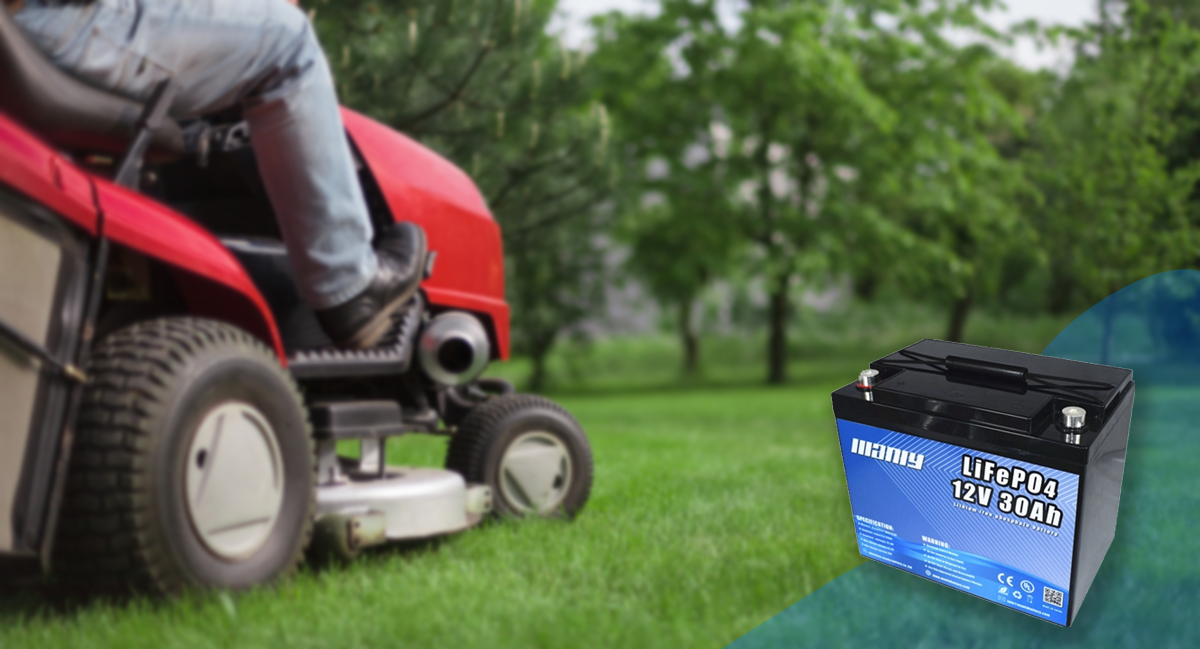
Image Source: manlybattery.com
Navigating Riding Mower Battery Lifespan
Owning a riding mower brings convenience to lawn care, but like any machine, its components have a finite life. The battery is a crucial power source, and knowing its expected lifespan is essential for timely replacement and avoiding unexpected downtime. This comprehensive guide delves into the factors that dictate riding mower battery life, offering insights into maximizing its longevity and making informed decisions about when to replace it.
Comprehending Lawn Tractor Battery Lifespan
The lawn tractor battery lifespan is a topic that concerns many owners. While a general guideline of 3 to 5 years exists, several variables play a significant role. Understanding these factors can help you predict, maintain, and potentially extend the life of your riding mower’s battery.
What Determines How Often to Replace a Riding Mower Battery?
The question of how often to replace a riding mower battery isn’t a simple one-size-fits-all answer. Several key elements contribute to the battery’s degradation and ultimate need for replacement:
- Usage Frequency: Mowing more often means the battery is cycled more frequently, naturally leading to wear and tear.
- Depth of Discharge: Frequently draining the battery to very low levels can stress it and reduce its lifespan.
- Charging Habits: Overcharging or undercharging can both negatively impact battery health.
- Climate: Extreme temperatures, both hot and cold, can accelerate battery degradation.
- Maintenance Practices: Regular cleaning and proper terminal care are vital.
- Battery Quality: Higher-quality batteries generally have longer lifespans.
The Role of Riding Mower Battery Voltage
Riding mower battery voltage is a fundamental specification that indicates the electrical potential the battery can deliver. Most riding mowers use 12-volt batteries, similar to car batteries. While voltage itself doesn’t directly dictate lifespan in terms of years, ensuring the correct voltage is used for your mower is paramount. Using an incorrect voltage could damage the mower’s electrical system.
Fathoming Riding Mower Battery Capacity
Riding mower battery capacity, often measured in Cold Cranking Amps (CCA) or Ampere-hours (Ah), refers to the amount of electrical energy the battery can store and deliver. A higher capacity generally means the battery can start the engine more reliably, especially in colder conditions, and power accessories for longer. While capacity is critical for performance, it’s more directly related to the mower’s starting power than its overall lifespan. However, a battery that is consistently pushed beyond its capacity might degrade faster.
Types of Riding Mower Batteries
Not all riding mower batteries are created equal. Knowing the different types of riding mower batteries can help you make a more informed purchase decision and understand their respective strengths and weaknesses.
- Flooded Lead-Acid (FLA) Batteries: These are the most common and traditionally used type. They contain liquid electrolyte and require periodic checking of the electrolyte levels. They are generally the most affordable but require the most maintenance.
- Absorbent Glass Mat (AGM) Batteries: AGM batteries are a sealed, maintenance-free option. The electrolyte is absorbed in fiberglass mats, making them spill-proof and vibration-resistant. They offer better performance in extreme temperatures and can handle deeper discharges than FLA batteries, often leading to a longer lifespan.
- Gel Batteries: Similar to AGM in that they are sealed and maintenance-free, gel batteries use a gelled electrolyte. They are known for their deep-cycle capabilities and good performance in hot climates, but they can be more sensitive to overcharging and may have a shorter lifespan if not handled correctly.
Deciphering the Best Riding Mower Battery
Selecting the best riding mower battery involves considering your mower’s specifications, your usage patterns, and your budget.
- OEM (Original Equipment Manufacturer) Batteries: These are designed specifically for your mower model and are often a reliable choice. However, they can sometimes be more expensive.
- Aftermarket Batteries: Reputable aftermarket brands offer batteries that often meet or exceed OEM specifications. Look for brands with good reviews and strong warranties.
- AGM Batteries: For those seeking a maintenance-free option with enhanced performance and potentially longer life, AGM batteries are often a superior choice, even if the initial cost is higher.
Riding Mower Battery Maintenance: Keeping Your Power Source Healthy
Proper riding mower battery maintenance is arguably the most impactful factor in extending its life. Neglecting this vital aspect can significantly shorten its lifespan.
Essential Maintenance Practices:
- Keep Terminals Clean: Corrosion on the battery terminals impedes electrical flow. Regularly clean them with a wire brush and a mixture of baking soda and water. Apply a thin layer of dielectric grease or petroleum jelly to prevent future corrosion.
- Check Electrolyte Levels (FLA Batteries): If you have a flooded lead-acid battery, check the electrolyte levels monthly. If they are low, add distilled water only until the plates are covered. Never overfill.
- Ensure Proper Charging: Use a charger specifically designed for your battery type and voltage. Avoid leaving the mower connected to a charger for extended periods after it’s fully charged, as this can lead to overcharging.
- Secure the Battery: Ensure the battery is securely fastened in its tray. Vibrations can damage internal battery components.
- Storage: If you store your riding mower for an extended period (e.g., over winter), fully charge the battery and disconnect it. A trickle charger or battery tender can help maintain the charge without overcharging.
- Inspect for Damage: Periodically check the battery case for cracks or leaks, which could indicate damage or a failing battery.
Riding Mower Battery Charge Time: What to Expect
Riding mower battery charge time can vary significantly based on the charger’s amperage rating and the battery’s current state of discharge.
- Typical Charging Times: A standard charger might take anywhere from 4 to 12 hours to fully charge a depleted riding mower battery.
- Fast Chargers: More powerful chargers can significantly reduce charging time, but they can also be harder on the battery if not used carefully.
- Battery Tenders/Trickle Chargers: These devices maintain a full charge without overcharging, making them ideal for long-term storage. They charge very slowly.
Factors Affecting Charge Time:
- Battery Capacity (Ah): Larger capacity batteries naturally take longer to charge.
- Charger Amperage: A higher amperage charger will charge the battery faster.
- Battery State of Charge: A nearly dead battery will take longer to charge than one that is only partially discharged.
- Battery Health: An older or failing battery may not accept a charge as efficiently.
When to Consider a Replacement: Signs of a Failing Battery
Even with the best maintenance, batteries eventually wear out. Recognizing the signs of a failing battery is crucial to avoid being stranded mid-mow.
Common Indicators of Battery Failure:
- Slow Engine Crank: The engine struggles to turn over, making a weak cranking sound.
- Dim Headlights (if applicable): Lights appear dimmer than usual, indicating a lack of power.
- Corroded Terminals: While this can be cleaned, excessive or persistent corrosion can be a sign of internal battery issues.
- Swollen or Warped Battery Case: This is a serious sign of internal damage, often caused by overcharging or extreme heat, and the battery should be replaced immediately.
- Sulfuric Smell: A rotten egg smell often indicates internal battery damage and is a safety hazard.
- Shortened Run Time: If your mower’s electrical accessories, like lights or power outlets, are not working for as long as they used to.
- Battery Not Holding a Charge: The battery needs frequent recharging, or it fails to start the mower after being recently charged.
- Age: As mentioned, if your battery is approaching or has passed the 3-5 year mark, it’s wise to start considering a replacement, especially if you notice any other signs.
Riding Mower Battery Warranty: Your Protection
When purchasing a new battery, pay close attention to the riding mower battery warranty. This warranty provides a safety net against manufacturing defects.
- Warranty Period: Warranties typically range from 1 to 3 years. Some premium batteries might offer longer warranty periods.
- Pro-Rated vs. Full Replacement: Understand the difference. A full replacement warranty means the manufacturer will replace a defective battery with a new one within the warranty period. A pro-rated warranty means you’ll get a replacement, but you might have to pay a portion of the cost based on how long you’ve owned the battery.
- Exclusions: Read the warranty carefully to understand what is excluded. Damage due to improper maintenance, overcharging, or physical damage is usually not covered.
Extending Your Battery’s Life: Proactive Steps
Beyond basic maintenance, several proactive steps can help you get the most out of your riding mower battery.
Smart Charging Habits:
- Use a Smart Charger: Invest in a quality charger with automatic shut-off or a battery tender. These devices prevent overcharging and keep the battery in optimal condition.
- Charge After Each Use (if needed): If you’ve had a particularly long mowing session or noticed any signs of weakness, charging the battery after use can prevent deep discharge. However, avoid constant overcharging if the battery is already full.
Optimal Storage:
- Clean Before Storage: Before putting the mower away for the season, clean the battery terminals and ensure the battery is fully charged.
- Disconnect Battery: For long-term storage, disconnect at least one battery cable to prevent parasitic drain from the mower’s electronics.
- Use a Battery Tender: A battery tender connected during storage will maintain the optimal charge level without damaging the battery.
Avoiding Deep Discharges:
- Don’t Overwork the Mower: Avoid trying to mow excessively tall or wet grass in one go, as this puts a heavier load on the engine and electrical system.
- Limit Accessory Use: If you use accessories that draw power from the battery (like spotlights or USB chargers), be mindful of how long you use them, especially if the engine isn’t running.
Frequently Asked Questions (FAQ)
Q1: Can I use a car battery in my riding mower?
While both are typically 12-volt batteries, car batteries are designed for short bursts of high power (cranking an engine), whereas lawn mower batteries often need to provide sustained power for accessories and starting. It’s best to use a battery specifically designed for lawn and garden equipment, matching the original specifications.
Q2: How do I know if my riding mower battery is bad?
Signs include a slow engine crank, dim lights, a swollen battery case, a sulfuric smell, or the battery failing to hold a charge even after being recharged.
Q3: What is the best way to maintain my riding mower battery?
Keep terminals clean and free of corrosion, ensure proper charging, secure the battery firmly, and check electrolyte levels if you have a flooded lead-acid type.
Q4: How long does a riding mower battery last if I only use it a few times a year?
Infrequent use can sometimes lead to battery sulfation (a buildup of lead sulfate crystals on the plates), which reduces capacity and lifespan. Using a battery tender during storage is highly recommended to maintain its charge and prevent sulfation.
Q5: Does extreme weather affect my riding mower battery life?
Yes, extreme heat can accelerate chemical reactions within the battery, leading to faster degradation. Extreme cold can reduce the battery’s cranking power and, if the battery is not fully charged, can lead to freezing and damage.
By paying attention to the riding mower battery life, understanding the factors that influence its lifespan, and implementing proper maintenance and usage practices, you can ensure your riding mower is ready to tackle your lawn care tasks reliably for years to come.