
So, how much does a yard of mulch weigh? Generally, a cubic yard of mulch can weigh anywhere from 400 to 1,000 pounds, depending heavily on its moisture content and the type of material.
When you’re planning a landscaping project, you might be wondering about the weight of mulch. Knowing how much a cubic yard of mulch weighs is crucial for a few reasons. It helps you figure out how much mulch you need to order, if your vehicle can handle the load, and how much effort will be involved in spreading it. Let’s dive into the specifics of mulch weight and what influences it.
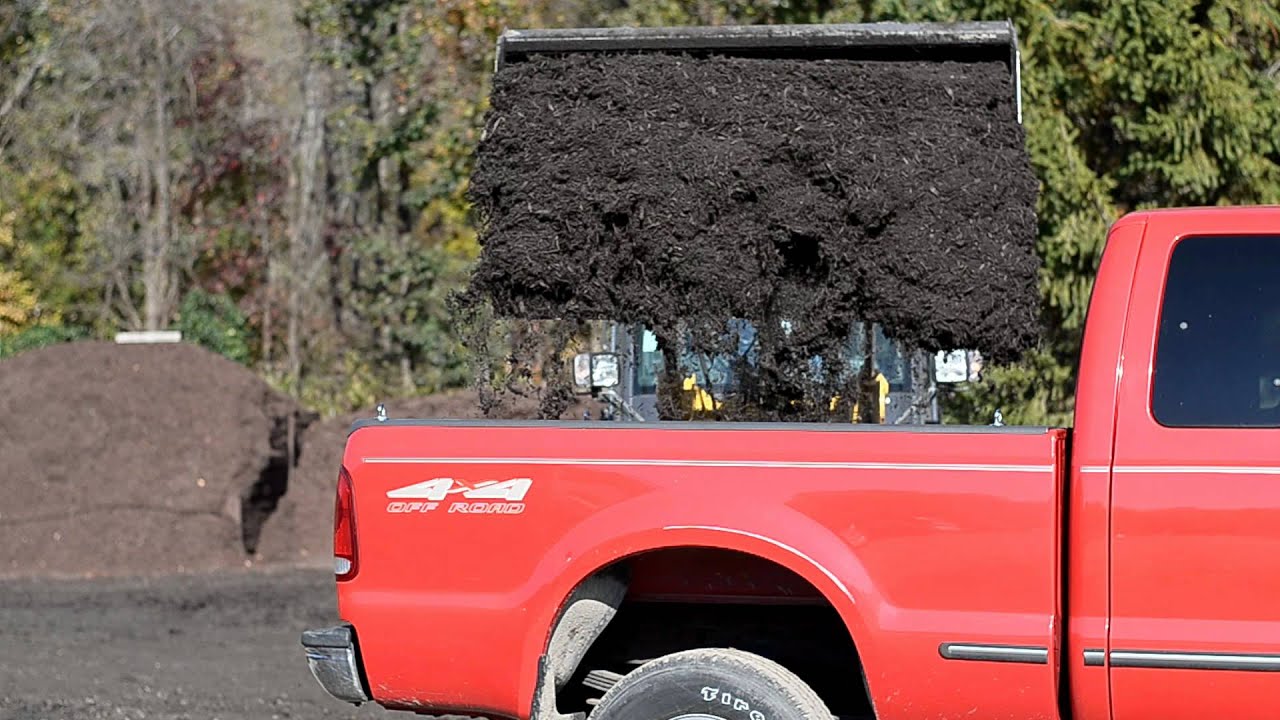
Image Source: i.ytimg.com
Deciphering Mulch Weight Per Cubic Yard
The weight of a cubic yard of mulch isn’t a single, fixed number. It’s a range, and that range can be quite wide. This variation is primarily due to two main factors: mulch density and moisture content. Think of it like a sponge – a dry sponge weighs much less than a wet one, even if they are the same size. Mulch works similarly.
The mulch density of the material itself plays a significant role. Denser materials, like hardwood or rock mulch, will naturally weigh more than lighter materials, such as pine bark or cedar mulch, for the same volume.
Moisture content is perhaps the biggest variable. Freshly delivered mulch, especially after rain or if it’s stored in a damp environment, will absorb water. This water adds a substantial amount of weight. On the other hand, dry, weathered mulch will be considerably lighter.
How Many Pounds Is A Yard Of Mulch?
To give you a better idea, let’s break down the typical weights for common mulch types:
- Wood Bark Mulches (Pine, Cedar, Cypress): These are generally lighter. A cubic yard of dry wood mulch can weigh between 400 to 700 pounds. Once wet, this can easily jump to 800 to 1,000 pounds or even more.
- Hardwood Mulch: This is typically denser than bark mulches. Expect a cubic yard to weigh between 500 to 800 pounds when dry, and potentially 900 to 1,200 pounds when saturated.
- Shredded or Chipped Wood Mulches: Similar to hardwood, these fall in the 500 to 800-pound range when dry.
- Rock or Gravel Mulches: These are significantly heavier. A cubic yard of decorative rock can easily weigh 2,500 to 3,000 pounds or more, depending on the type and size of the stone. While not organic, they are often considered in landscaping volume calculations.
- Compost: Depending on its composition and moisture, compost can range from 700 to 1,000 pounds per cubic yard when moist.
These are general estimates. Always ask your supplier for specific weight information if you are concerned about transport or handling.
Factors Affecting Mulch Weight
Let’s delve deeper into the elements that influence how much a yard of mulch weighs.
Moisture Content: The Great Equalizer (and Weight Adder)
This is the most critical factor. Mulch is an absorbent material.
- Rainfall: If mulch is stored outdoors and receives rain, it will absorb water. A cubic yard can absorb a significant amount of water, which can easily double its weight.
- Storage Conditions: Mulch delivered in bulk from a supplier might have been recently processed or stored in a way that retains moisture. Bagged mulch is often drier when it leaves the processing plant but can absorb moisture if bags are damaged or stored improperly.
- Drying Time: If you buy mulch that has been sitting in a dry, sunny spot, it will be lighter than recently harvested or wet mulch.
Mulch Density: The Material’s Nature
Different types of mulch have different inherent densities. This is determined by the wood species and how it’s processed.
- Wood Species: Hardwoods like oak or maple are denser than softwoods like pine or fir.
- Processing: Shredded, chipped, or ground mulch will have different air pockets and thus different densities compared to bark nuggets. Finer materials tend to pack more tightly.
Types of Mulch Weight: A Comparative Look
Understanding the types of mulch weight helps in making informed choices.
Wood and Bark Mulches
- Pine Bark: Known for its attractive appearance and relatively light weight.
- Dry: 400-600 lbs/cubic yard
- Wet: 700-900 lbs/cubic yard
- Cedar: Aromatic and durable, usually moderately dense.
- Dry: 450-650 lbs/cubic yard
- Wet: 750-950 lbs/cubic yard
- Cypress: Similar to cedar in weight and density.
- Dry: 450-650 lbs/cubic yard
- Wet: 750-950 lbs/cubic yard
- Hardwood Bark: Often darker and more uniform in appearance, typically denser.
- Dry: 550-750 lbs/cubic yard
- Wet: 850-1100 lbs/cubic yard
- Shredded Hardwood: Can compact more, increasing density.
- Dry: 500-700 lbs/cubic yard
- Wet: 800-1050 lbs/cubic yard
Other Common Mulch Materials
- Cocoa Bean Hulls: Offer a pleasant aroma and attractive dark color, but can be prone to mold if very wet.
- Dry: 300-500 lbs/cubic yard
- Wet: 600-800 lbs/cubic yard
- Straw: Very light and airy, often used as ground cover.
- Dry: 150-250 lbs/cubic yard
- Wet: 300-500 lbs/cubic yard
- Compost: Its weight varies greatly with moisture and organic matter composition.
- Moist: 700-1000 lbs/cubic yard
Inorganic Mulches (for comparison)
- Decorative Gravel/Stone: As mentioned, these are much heavier.
- Weight: 2500-3000+ lbs/cubic yard
Bulk Mulch Weight vs. Bagged Mulch Weight
When you purchase mulch, you’ll likely encounter it in two forms: bulk and bagged. The bagged mulch weight might feel lighter because the bags are usually smaller (often 2 or 3 cubic feet), and they are typically processed to be drier to reduce shipping weight and prevent spoilage.
- Bagged Mulch: A typical 2-cubic foot bag of wood mulch might weigh between 20 to 40 pounds when dry. This makes them easier for homeowners to transport and handle. However, the price per cubic foot can be higher than bulk.
- Bulk Mulch: This is usually delivered by the cubic yard. Bulk mulch weight is what we’ve been discussing extensively. You can expect large loads, often delivered by a dump truck, and the weight will reflect the moisture content and material type as detailed above. Bulk mulch is generally more cost-effective for larger projects.
Estimating Mulch Weight for Your Project
If you need to transport mulch yourself, estimating mulch weight is essential.
Using a Mulch Weight Calculator
Many online resources offer a mulch weight calculator. You typically input the type of mulch you are buying and the number of cubic yards needed. The calculator then provides an estimated weight. These are helpful tools, but remember they are estimates based on average densities and moisture levels.
Calculating Mulch Weight Manually
If you need to do a quick calculation:
- Determine the Volume: You’ve already done this – you need X cubic yards.
- Find the Average Weight per Cubic Yard: Use the figures provided earlier or consult with your supplier.
- Multiply: Volume (in cubic yards) × Average Weight (lbs/cubic yard) = Total Estimated Weight (lbs).
Example: If you need 4 cubic yards of hardwood mulch that averages 700 lbs/cubic yard when dry:
4 cubic yards × 700 lbs/cubic yard = 2800 lbs.
If you know the mulch is likely wet and averages 1000 lbs/cubic yard:
4 cubic yards × 1000 lbs/cubic yard = 4000 lbs.
This difference highlights why checking with your supplier or supplier’s website for their specific product weight is wise.
Mulch Volume to Weight Conversions
It’s important to know the conversion from common bagged mulch volumes to cubic yards, as this is how bulk is often measured.
- 1 cubic foot = 0.037 cubic yards
- 2 cubic feet ≈ 0.074 cubic yards (roughly 1/13th of a cubic yard)
- 3 cubic feet ≈ 0.111 cubic yards (roughly 1/9th of a cubic yard)
So, if you buy 10 bags of 2-cubic foot mulch, you have approximately 0.74 cubic yards.
Example Conversion for Bagged Mulch:
Let’s say you bought 15 bags of 3-cubic foot mulch, and each bag weighs 30 lbs dry.
- Total volume in cubic feet: 15 bags * 3 cubic feet/bag = 45 cubic feet
- Total volume in cubic yards: 45 cubic feet / 27 cubic feet/cubic yard = 1.67 cubic yards (approximately)
- Total weight of bagged mulch: 15 bags * 30 lbs/bag = 450 lbs (when dry)
If this mulch were equivalent to 550 lbs/cubic yard when wet, then 1.67 cubic yards * 550 lbs/cubic yard = 918.5 lbs. This shows how the weight can increase significantly with moisture.
Choosing the Right Mulch for Your Needs
When selecting mulch, consider not just its appearance and benefits but also its weight if handling and transport are concerns.
Lightweight Options:
- Pine Bark
- Cedar Mulch
- Cocoa Bean Hulls
- Straw
These are easier to spread and transport, making them good choices for large areas or if you have physical limitations.
Heavier Options:
- Hardwood Mulch
- Shredded Wood Chips
- Rock Mulch
These can be more challenging to move but offer greater stability, longevity, and in the case of rocks, no decomposition.
Practical Considerations When Buying Mulch
- Delivery Vehicle Capacity: If you’re picking up mulch yourself, know the weight limits of your truck or trailer. A single cubic yard of wet hardwood mulch could be over 1,000 lbs, which can exceed the capacity of smaller vehicles.
- Spreading: The weight of the mulch will affect how easily you can shovel and spread it. Wet, heavy mulch requires more effort.
- Supplier Information: Don’t hesitate to ask your mulch supplier about the typical weight of their products, especially if they offer different types or they are coming from different sources. They often have the most accurate figures for their specific inventory.
- Bagged vs. Bulk Decision: For small gardens, bagged mulch is convenient. For larger landscapes, bulk is usually more economical. If buying bulk, factor in the potential for added weight due to moisture.
Common Questions About Mulch Weight
What is the average weight of a cubic yard of mulch?
The average weight of a cubic yard of mulch ranges from 400 to 1,000 pounds, but can be significantly higher for inorganic mulches like gravel.
How much does a yard of bagged mulch weigh?
Bagged mulch is typically sold in smaller volumes (e.g., 2 or 3 cubic feet). A 2-cubic foot bag of wood mulch might weigh 20-40 pounds when dry. To estimate the weight of a cubic yard from bags, you would multiply the weight of a single bag by the number of bags that make up a cubic yard (27 cubic feet / volume of one bag).
Is there a mulch weight calculator I can use?
Yes, many landscaping supply websites and general gardening resources offer online mulch weight calculators. You input the type of mulch and the volume needed, and it provides an estimated weight.
How does moisture affect mulch weight?
Moisture can drastically increase the weight of mulch. As mulch absorbs water, its weight can increase by 50% or even more, turning a lighter load into a much heavier one.
Can I transport a yard of mulch in my car?
It is generally not recommended to transport a full cubic yard of mulch in a standard passenger car. The weight, especially if the mulch is wet, can easily exceed the car’s capacity and be dangerous. A pickup truck or a trailer is usually necessary for transporting bulk mulch.
Why is mulch weight important?
Knowing mulch weight is important for transportation safety, determining if your vehicle can handle the load, estimating delivery costs, and planning the physical effort required for spreading.
By now, you should have a clear picture of how much a yard of mulch weighs and why that number can vary. Always consider the material type and moisture content when planning your landscaping tasks.