
When your lawn mower refuses to start, it can be a frustrating experience. Many reasons can cause this, but the most common issues usually involve the fuel system, ignition system, or a lack of a necessary component like oil. Don’t worry, in most cases, you can fix it yourself! This guide will walk you through the most frequent culprits and how to address them, getting your mower running again.
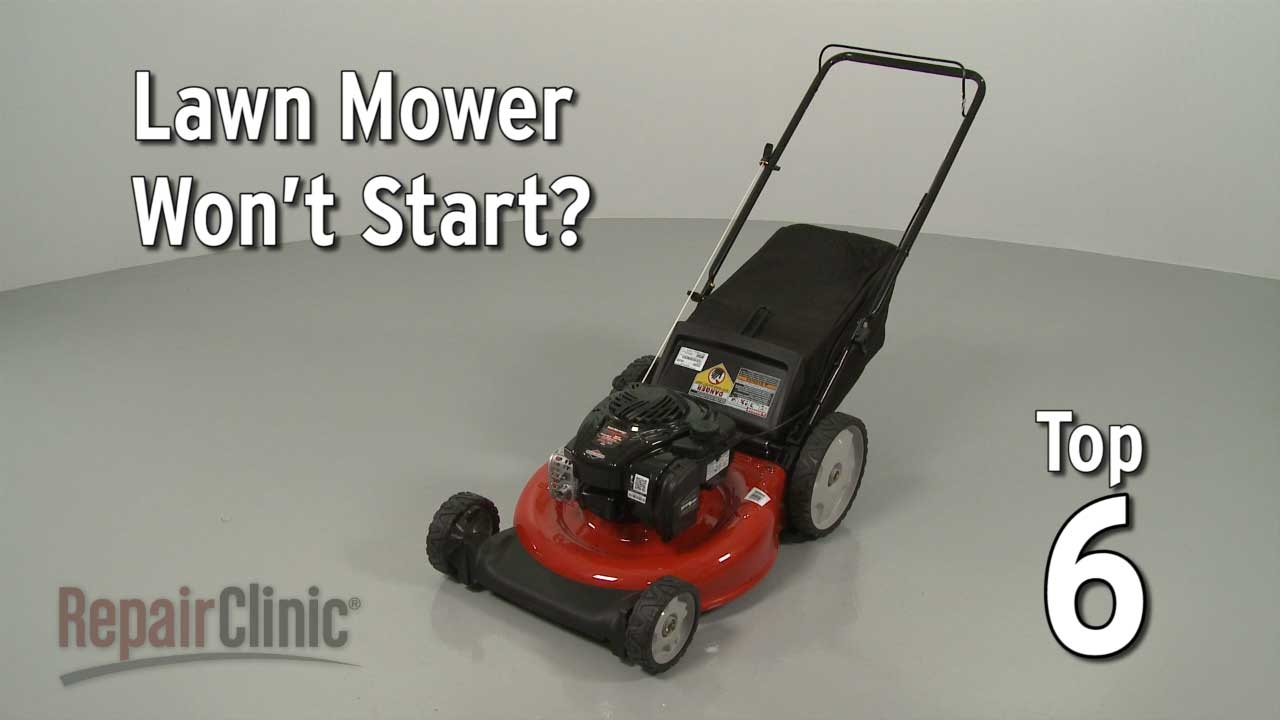
Image Source: i.ytimg.com
Fuel Issues: The Lifeblood of Your Mower
Your lawn mower needs clean, fresh gas to run. If it’s not getting it, it won’t start. This is one of the most common reasons a mower won’t fire up.
Stale Gas: A Common Culprit
Over time, gasoline can degrade. This is especially true if the mower sat unused over winter. Old gas loses its volatility, meaning it won’t ignite as easily.
- How to Check: If your mower has been stored for more than a month or two, the gas is likely stale. You can tell by its smell – it might smell a bit like varnish or be darker than usual.
- The Fix: Drain the old gas from the tank and carburetor. You can often do this by tipping the mower on its side (with the spark plug side up to prevent oil from entering the cylinder) or by using a siphon pump. Once drained, refill the tank with fresh gasoline. Always use the octane recommended in your owner’s manual.
Clogged Fuel Filter: Restricted Flow
The fuel filter prevents dirt and debris from reaching the carburetor. If it gets clogged, it stops fuel flow.
- How to Check: The fuel filter is usually located in the fuel line between the gas tank and the carburetor. Visually inspect it. If it looks dirty or discolored, it’s time for a replacement. Some filters are transparent, making this easy.
- The Fix: Replacing a fuel filter is a simple DIY job. Shut off the fuel supply (if your mower has a shut-off valve), disconnect the fuel line from the old filter, remove the old filter, and install the new one. Reconnect the fuel line securely.
Clogged Fuel Line: A Blocked Path
The fuel line itself can become clogged with debris or hardened fuel residue, preventing gas from reaching the engine.
- How to Check: Disconnect the fuel line from the carburetor. If you can’t see fuel flowing freely when you tilt the mower or try to start it, the line might be blocked. You can try blowing through it (with the tank cap off) to see if there’s resistance.
- The Fix: You can try cleaning the fuel line with compressed air or a thin wire. If it’s severely clogged or corroded, it’s best to replace the entire fuel line.
Ignition System Problems: The Spark of Life
Even with fresh gas, your mower needs a spark to ignite that fuel. The ignition system is responsible for creating this spark.
The Spark Plug: Essential for Ignition
The spark plug is a small but vital component that generates the spark to ignite the fuel-air mixture in the engine’s cylinder.
- How to Check:
- Appearance: Remove the spark plug using a spark plug wrench. Look for signs of damage, corrosion, or excessive carbon buildup on the electrode. A fouled or damaged spark plug won’t produce a strong spark.
- Spark Test: Reconnect the spark plug wire to the spark plug. Hold the metal base of the spark plug against a clean metal part of the engine block (away from the spark plug hole and fuel). Have someone pull the starter cord while you watch the spark plug gap. You should see a strong, blue spark. If the spark is weak, orange, or non-existent, the spark plug is likely the problem.
- The Fix: If the spark plug is dirty, you can try cleaning it with a wire brush and a bit of carb cleaner. However, spark plugs are inexpensive, and it’s often best to replace them if they show signs of wear or damage. Ensure the new spark plug is gapped correctly according to your mower’s manual.
Faulty Ignition Switch: No Signal Sent
The ignition switch is what you turn to start or stop the engine. If it’s faulty, it might not be sending the signal to the ignition coil to create a spark.
- How to Check: This is a bit more technical and often requires a multimeter to test for continuity. However, if your mower has a safety switch (often part of the handle assembly), a faulty safety switch can also prevent the engine from starting, mimicking an ignition switch issue.
- The Fix: If the ignition switch is indeed the problem, it will need to be replaced. This involves disconnecting the wires from the old switch and connecting them to the new one. If a safety switch is suspected, ensure it’s properly engaged or consider testing its functionality.
Damaged Ignition Coil: No Spark Generation
The ignition coil converts the low voltage from the battery or magneto into the high voltage needed to create a spark.
- How to Check: Testing an ignition coil usually requires specialized tools like a multimeter to check resistance values. Visually inspect the coil for any signs of cracks or damage to the casing.
- The Fix: If the ignition coil is faulty, it must be replaced. This is a more involved repair and might be best left to a professional if you’re not comfortable with engine components.
Airflow Problems: The Engine Needs to Breathe
Just like us, your lawn mower’s engine needs air to run. If the air intake is blocked, the engine won’t get the air it needs for combustion.
Clogged Air Filter: Restricted Breathing
The air filter prevents dirt and debris from entering the engine. A dirty air filter restricts airflow.
- How to Check: Locate the air filter housing. Remove the cover and inspect the air filter. If it looks dusty, dirty, or clogged with grass clippings, it’s time to clean or replace it.
- The Fix:
- Paper Filters: If your mower has a paper air filter, it usually cannot be cleaned effectively and should be replaced.
- Foam Filters: Foam air filters can often be cleaned by washing them with soap and water, then allowing them to dry completely. Once dry, you can lightly saturate it with clean engine oil and squeeze out any excess before reinstalling.
- Frequency: It’s a good practice to check and clean or replace your air filter at least once a season, or more often if you mow in dusty conditions.
Blocked Air Vents: Choking the Engine
Sometimes, the air intake vents on the mower itself can become blocked by grass clippings or debris, preventing air from reaching the filter and carburetor.
- How to Check: Visually inspect the area around the air filter housing and any other air intake points on the mower deck or engine.
- The Fix: Clear away any obstructions.
Mechanical Issues: Internal Problems
While less common than fuel or ignition issues, mechanical problems can also prevent your mower from starting.
Low Oil Level: Critical for Engine Health
Most modern lawn mowers have a low oil sensor that prevents the engine from starting if the oil level is too low. This is a safety feature to prevent catastrophic engine damage.
- How to Check: Locate the oil dipstick. Ensure the mower is on a level surface. Pull out the dipstick, wipe it clean, reinsert it fully, and pull it out again. Check the oil level against the markings on the dipstick. If it’s below the minimum mark, your mower likely won’t start due to this safety feature.
- The Fix: Add the correct type and amount of oil recommended in your owner’s manual. Do not overfill.
Binding Engine or Blade: Something is Stuck
If the engine or the mower blade is physically prevented from turning, the starter motor or the recoil starter will struggle or fail to engage.
- How to Check:
- Blade: With the spark plug disconnected (for safety!), try to manually turn the blade. If it’s very difficult to turn or doesn’t turn at all, there might be something jammed against it (like thick grass, a rock, or a damaged blade).
- Engine: If the blade turns freely but the engine still won’t engage, there could be a more internal issue, but it’s rare for a complete engine seizure to occur without prior warning.
- The Fix: Clear any debris jamming the blade. If the blade itself is bent or damaged, it should be replaced. If the engine feels seized, this is a more serious issue requiring professional mower repair.
Starter Motor Issues: The Cranking Problem
If your mower has an electric starter, a faulty starter motor will prevent the engine from being cranked over.
- How to Check: When you turn the key or push the start button, do you hear any sound at all? If you hear a click but no cranking, or absolutely nothing, the starter motor could be the culprit. You can also check the battery if it’s an electric start model.
- The Fix: A faulty starter motor will need to be replaced. This is a job that might require professional assistance.
Battery Problems (Electric Start Mowers)
For mowers with electric start, a dead or weak battery is a common reason for not starting.
Dead or Weak Battery: No Power to Crank
The battery provides the initial power to turn over the engine.
- How to Check:
- Symptoms: If the starter motor just clicks or doesn’t make any noise when you try to start, the battery might be dead or very low on charge.
- Testing: You can test the battery’s voltage with a multimeter. A fully charged 12-volt battery should read around 12.6 volts or higher. If it’s significantly lower, it needs charging or replacing.
- The Fix:
- Charging: Try charging the battery with a suitable battery charger.
- Cleaning Terminals: Ensure the battery terminals are clean and free from corrosion. Clean them with a wire brush if necessary.
- Replacement: If the battery is old or won’t hold a charge, it needs to be replaced.
Other Considerations and Troubleshooting Tips
- Safety Features: Most lawn mowers have safety interlocks. Ensure that the blade control lever is engaged, the parking brake is set (if applicable), and any other safety mechanisms are in their correct positions.
- Carburetor Problems: If the fuel system is fine, but the engine still sputters or won’t start, the carburetor might be the issue. It could be clogged internally or have a faulty float or needle valve. Carburetor cleaning or replacement is a common mower repair.
- Choke Operation: Ensure the choke is set correctly for starting a cold engine. If the engine is warm, the choke should be open.
- Primer Bulb: If your mower has a primer bulb, press it a few times (as per your manual) to help draw fuel into the carburetor. If the bulb remains soft or doesn’t seem to be filling with fuel, there might be a blockage in the fuel line or a problem with the primer assembly.
When to Call a Professional
While many lawn mower starting issues are DIY fixes, some problems are more complex and may require the expertise of a professional. You should consider calling a mower repair shop if:
- You’ve tried the common troubleshooting steps and still can’t get your mower to start.
- You suspect internal engine damage.
- You’re uncomfortable working with fuel systems or electrical components.
- The problem involves the starter motor or other complex mechanical parts.
Frequently Asked Questions (FAQ)
Q1: What is the most common reason a lawn mower won’t start?
A1: The most common reasons a lawn mower won’t start are stale gas, a clogged fuel filter, or a dirty or faulty spark plug.
Q2: Can I start a lawn mower without oil?
A2: No, most modern lawn mowers have a safety feature that prevents them from starting if the oil level is too low to protect the engine from damage.
Q3: How often should I change my lawn mower’s spark plug?
A3: It’s generally recommended to replace the spark plug at least once a year, typically at the beginning of the mowing season. However, you should also check it regularly for signs of wear or fouling.
Q4: What if my mower starts but then quickly dies?
A4: This often indicates a fuel delivery problem. It could be a clogged fuel line, a dirty carburetor, or a faulty fuel pump (if your mower has one). The engine is getting enough fuel to start, but not enough to keep running.
Q5: My electric start mower clicks but doesn’t crank. What could be wrong?
A5: This typically points to a battery issue. The battery might be dead, weak, or the battery terminals could be corroded, preventing good contact. It could also indicate a problem with the starter motor itself.
By systematically working through these potential causes, you can often diagnose and fix why your lawn mower isn’t starting, saving you time and money. Remember to always consult your owner’s manual for specific instructions related to your mower model.