
If your lawn mower won’t start, it’s often due to a few common issues. Can you fix a lawn mower that won’t start yourself? Yes, in many cases, you can resolve starting problems with simple checks and maintenance.
A lawn mower that refuses to kick into gear can be a frustrating problem, especially when you have grass to tame. The sheer number of components that need to work in harmony can make troubleshooting a daunting task. However, most starting issues are not insurmountable and can be addressed with a systematic approach. This guide will help you diagnose why your mower won’t turn over and provide you with straightforward solutions. We’ll cover everything from the most basic checks to more involved troubleshooting.
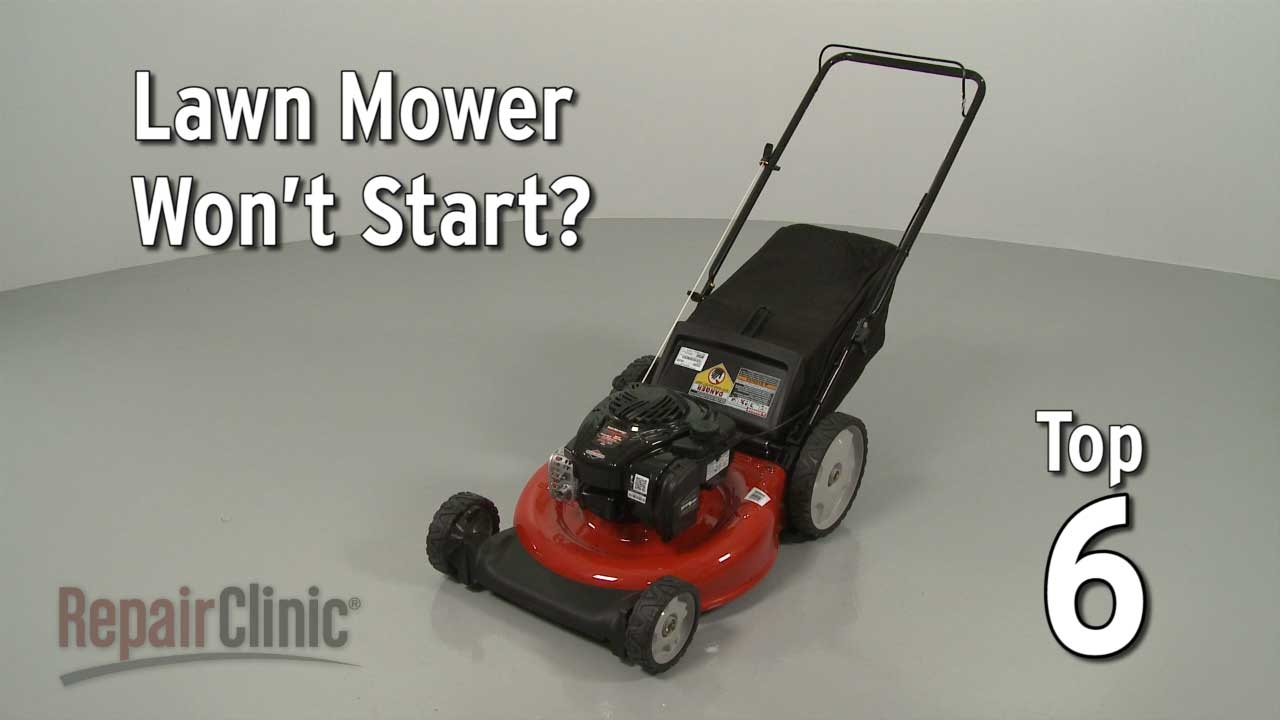
Image Source: i.ytimg.com
Grasping the Core Issues: Common Causes for a No-Start Mower
Several factors can prevent your lawn mower from roaring to life. Identifying the culprit is the first step to getting your yard in order.
Fuel System Woes: The Lifeblood of Your Mower
The engine needs a steady supply of fuel to run. If this supply is interrupted, your mower will remain stubbornly silent.
No Fuel in Mower: The Most Basic Check
This might sound obvious, but it’s surprising how often a lack of fuel is the reason a mower won’t start.
- Check the Fuel Tank: Always ensure there’s enough gasoline in the tank. Modern mower tanks are often translucent, allowing you to see the fuel level. If not, use a dipstick or a flashlight to check.
- Recent Fueling? If you recently refueled, double-check that you actually put gas in. It’s an easy mistake to make in a hurry.
- Old Fuel: Gasoline can go stale over time, especially if left in the tank over winter. Stale fuel loses its combustibility and can gum up the fuel system. If the fuel is more than a month or two old and the mower has been sitting, it’s best to drain and replace it.
Fuel Line Clogged: A Blocked Pathway
Even with fuel in the tank, a blockage in the fuel line can prevent it from reaching the engine.
- Visual Inspection: Look for any kinks or damage to the fuel line.
- Fuel Filter: Many mowers have a small fuel filter. If this filter is clogged with debris, it will stop fuel flow. Replacing a fuel filter is usually a simple task.
- Sediment in Tank: Debris can settle in the fuel tank and eventually get drawn into the fuel line. Draining the tank and cleaning it can resolve this.
Carburetor Problem: The Engine’s Mixer
The carburetor mixes fuel and air in the correct ratio for combustion. A dirty or faulty carburetor is a very common reason for a mower not starting.
- Gummed-Up Jets: Over time, fuel can leave deposits in the carburetor, particularly when the mower sits for extended periods. These deposits can block the tiny jets that regulate fuel flow.
- Cleaning the Carburetor: This often involves removing the carburetor, disassembling it carefully, cleaning all parts with carburetor cleaner, and reassembling. It’s a task that requires patience and attention to detail.
- When to Seek Help: If you’re not comfortable with mechanical tasks, a carburetor rebuild or replacement by a professional might be necessary.
Engine Flooded: Too Much of a Good Thing
An engine can become “flooded” with too much fuel, preventing it from starting. This often happens if you try to start the mower too many times without success, or if you prime it excessively.
- Symptoms: You might smell a strong odor of gasoline.
- Fix:
- Turn the choke off (if applicable).
- Move the throttle to the fast position.
- Try to start the mower again.
- If it still doesn’t start, wait about 15-20 minutes for the excess fuel to evaporate before trying again.
- For more stubborn cases, you might need to remove the spark plug, turn the mower on its side (with the carburetor facing up), and pull the starter cord a few times to clear the cylinder of excess fuel. Then, clean and reinstall the spark plug.
Ignition System Failures: The Spark of Life
For combustion to occur, a strong spark is needed at the right moment.
Spark Plug Issue: The Igniter
The spark plug is responsible for igniting the fuel-air mixture. A fouled, damaged, or improperly gapped spark plug will prevent the engine from starting.
- Removing the Spark Plug: Use a spark plug socket wrench.
- Inspection:
- Fouling: Check for carbon buildup, oil, or wetness on the electrode. If it’s black and sooty, it might be fouled.
- Damage: Look for cracks in the ceramic insulator or bent electrodes.
- Gap: Ensure the gap between the electrodes is correct according to your mower’s manual. You can use a feeler gauge for this.
- Cleaning and Re-gapping: You can often clean a fouled spark plug with a wire brush and a bit of carburetor cleaner. Then, re-gap it.
- Replacement: If the plug is damaged or heavily fouled, it’s best to replace it with a new one. Make sure it’s the correct type for your mower.
Ignition Coil or Magneto Problems: Generating the Spark
If the spark plug itself is fine, the issue might be with the component that generates the spark – the ignition coil or magneto.
- Testing: Diagnosing these components usually requires a spark tester or a multimeter. You’re looking to see if a strong spark is being produced.
- Signs of Failure: Cracks in the coil casing or visible damage can indicate a problem.
- Professional Help: Testing and replacing these parts can be more complex and may require professional assistance.
Mechanical and Electrical Hurdles: Beyond Fuel and Spark
Sometimes, the problem lies with the mechanical aspects of the mower or its electrical system.
Safety Switch Engaged: The Hidden Obstacle
Most modern lawn mowers have safety features that prevent them from starting in unsafe conditions.
- Blade Control Bar: On walk-behind mowers, the bar you hold to engage the blade (and stop the engine) often needs to be held in the “run” position for the engine to start.
- Drive Control Lever: On riding mowers, the parking brake, PTO (power take-off) lever, or transmission lever might need to be in a specific position for the engine to crank.
- Seat Switch: Riding mowers often have a switch under the seat that ensures the operator is seated before allowing the engine to start or continue running.
- Check Your Manual: Consult your owner’s manual to understand all the safety interlocks on your specific model.
Dead Battery Mower: The Silent Power Source (for electric start models)
If your mower has an electric start, a dead or weak battery is a prime suspect.
- Symptoms: You might hear a clicking sound, or nothing at all, when you turn the ignition key or press the start button.
- Testing the Battery: You can test the battery’s voltage with a multimeter. A fully charged 12-volt battery should read around 12.6 volts or higher.
- Charging: Batteries can often be recharged using a suitable battery charger.
- Replacement: If the battery is old or won’t hold a charge, it will need to be replaced.
Pull Cord Stuck or Broken: The Manual Start Dilemma
If your mower uses a pull cord to start, a stuck or broken cord will obviously prevent it from firing up.
- Stuck Cord:
- Blade Brake: Ensure the blade brake lever (the bar you hold) is released. If it’s engaged, it can prevent the engine from turning over.
- Engine Seized: In rare cases, the engine itself might be seized due to a lack of oil or internal damage, causing the cord to be impossible to pull.
- Debris: Sometimes, debris can lodge in the starter pulley mechanism.
- Broken Cord: The cord itself can snap, or the recoil mechanism can fail. This typically requires replacing the entire recoil assembly or just the cord.
No Oil in Mower: Crucial Lubrication
While not always the direct cause of a “won’t start” issue, very low oil levels can trigger a safety shut-off mechanism on some engines, preventing them from starting to avoid damage. More critically, a lack of oil can quickly lead to catastrophic engine failure.
- Check Oil Level: Always check the oil level using the dipstick.
- Add Oil if Needed: Use the correct type and amount of oil as specified in your owner’s manual.
Engine Won’t Crank: The Starter Motor’s Silence
When you turn the key or push the start button, and the engine doesn’t even attempt to turn over (crank), the problem often lies with the electrical starting system or a seized engine.
- Dead Battery: As mentioned, this is the most common cause.
- Faulty Starter Motor: The electric starter motor itself could be malfunctioning.
- Bad Solenoid: On some mowers, a solenoid acts as a switch for the starter motor.
- Wiring Issues: Loose or corroded electrical connections can prevent power from reaching the starter.
- Seized Engine: This is the worst-case scenario, meaning the engine’s internal parts are locked up. This could be due to lack of oil, hydro-locking (liquid in the cylinder), or a major internal failure.
Mower Won’t Turn Over: Distinguishing Crank vs. Start
It’s important to distinguish between an engine that won’t “crank” (meaning the starter motor doesn’t engage the engine to spin it) and an engine that cranks but won’t “start” (combust and run).
- Won’t Crank: Points to battery, starter, solenoid, or wiring issues.
- Cranks but Won’t Start: Points to fuel, spark, or compression issues.
Troubleshooting Steps: A Systematic Approach to Diagnosis
Here’s a step-by-step guide to help you pinpoint the problem when your mower won’t start.
Step 1: The Obvious Checks (Don’t Skip These!)
- Fuel Level: Is there gas in the tank? Is it fresh gas?
- Oil Level: Is the oil at the correct level?
- Safety Switches: Are all safety levers in their correct positions (blade brake, parking brake, PTO, seat)?
Step 2: The Fuel System Deep Dive
- Prime the Carburetor (if applicable): If your mower has a primer bulb, press it a few times (usually 3-5). If it feels empty, there might be a fuel delivery issue.
- Check the Fuel Filter: Locate and inspect the fuel filter. If it looks dirty or clogged, replace it.
- Inspect the Fuel Line: Ensure it’s not kinked or blocked.
- Drain Old Fuel: If the fuel is old, drain the tank and refill with fresh gasoline.
Step 3: The Ignition System Examination
- Inspect the Spark Plug: Remove it, check for fouling or damage, clean or replace it. Ensure it’s gapped correctly.
- Test for Spark: Use a spark tester or cautiously hold the spark plug against the engine block (while it’s still connected to the wire) and pull the cord. You should see a strong, blue spark. If there’s no spark or a weak one, investigate the ignition coil, kill switch wiring, and any other ignition components.
Step 4: Addressing Other Potential Issues
- Air Filter: A severely clogged air filter can restrict airflow, making it difficult for the engine to start. Check and clean or replace the air filter.
- Choke Operation: Ensure the choke mechanism is working correctly. If it’s stuck open, the engine may not start in cold weather. If it’s stuck closed, it can cause flooding.
Step 5: Electric Start Systems
- Battery Check: Test the battery voltage. If it’s low, try charging it.
- Connections: Ensure battery terminals and all starter motor connections are clean and tight.
- Starter Solenoid: Listen for a click when you try to start. If you hear a click but no cranking, the solenoid might be faulty.
Maintenance Tips to Prevent Future Starting Problems
Regular maintenance is the best way to ensure your lawn mower starts reliably every time you need it.
- Use Fresh Fuel: Always use fresh gasoline. Consider using a fuel stabilizer, especially if you won’t be using the mower for a while.
- Drain Fuel for Storage: Before storing your mower for the winter, either drain the fuel tank completely or fill it up and add a fuel stabilizer.
- Clean the Mower: Keep the mower clean, especially around the engine, carburetor, and spark plug.
- Regular Oil Changes: Change the oil at the recommended intervals.
- Clean or Replace Air Filter: Do this at least once a season, or more often if you mow in dusty conditions.
- Replace Spark Plug: It’s good practice to replace the spark plug annually or at least every other year.
- Keep it Covered: Protect your mower from the elements when not in use.
When to Call a Professional
While many starting issues are DIY-friendly, some problems require specialized tools or expertise.
- Internal Engine Damage: If you suspect a seized engine or other major mechanical failure.
- Complex Electrical Issues: If you’ve checked the battery and basic wiring but still have no power to the starter.
- Carburetor Rebuild/Replacement: If you’re not comfortable disassembling and cleaning the carburetor.
- Ignition System Diagnosis: If you lack the tools or knowledge to test ignition components like the coil or magneto.
By following these troubleshooting steps and understanding the common failure points, you can significantly increase your chances of getting your lawn mower running again quickly and efficiently. Regular care is key to a dependable machine.
Frequently Asked Questions (FAQ)
Q1: My lawn mower won’t crank at all when I turn the key. What could be wrong?
A1: If your mower won’t crank, it’s usually an issue with the battery (if it has electric start), starter motor, starter solenoid, or faulty wiring connections. Check the battery charge, ensure terminals are clean and tight, and listen for clicks from the solenoid when you attempt to start.
Q2: The pull cord on my mower is very hard to pull, or it’s stuck. What should I do?
A2: If the pull cord is hard to pull or stuck, first ensure the blade brake is disengaged. If it’s still stuck, there might be debris in the starter mechanism, or in more serious cases, the engine might be seized, potentially due to lack of oil or internal damage.
Q3: I checked the fuel, and it’s fresh. I checked the spark plug, and it looks good. Why is my mower still not starting?
A3: If fuel and spark seem okay, consider the air filter (a severely clogged one can prevent starting), the choke operation (if it’s stuck open or closed), or a clogged fuel line or carburetor. Also, ensure a safety switch isn’t preventing operation.
Q4: My mower starts, but it runs rough or dies soon after. What’s the likely cause?
A4: Rough running or dying shortly after starting often points to fuel delivery issues like a partially clogged fuel filter or carburetor, or a faulty fuel-to-air mixture. It could also be a dirty air filter or an issue with the ignition timing.
Q5: How often should I change the oil in my lawn mower?
A5: It’s generally recommended to change the oil in your lawn mower at least once a year, typically at the beginning or end of the mowing season. Always refer to your owner’s manual for specific recommendations based on your mower’s model and usage.