
Can you use lawn booster fertilizer frequently in Texas? Yes, but the frequency depends on your grass type, the specific fertilizer, and the time of year. Too much of a good thing can harm your lawn, so a balanced Texas lawn fertilization schedule is key. This guide will help you navigate the best times and frequencies for feeding your Texas turf.
Texas lawns face unique challenges, from intense summer heat to occasional droughts and varying soil conditions. Understanding your lawn nutrient needs Texas requires looking at the types of grass prevalent in the state and how they respond to fertilization throughout the year. A “lawn booster” is a general term, often implying a fertilizer designed for quick greening or to provide a broad spectrum of nutrients. We’ll break down how often you can apply these, ensuring your lawn thrives without over-fertilizing.
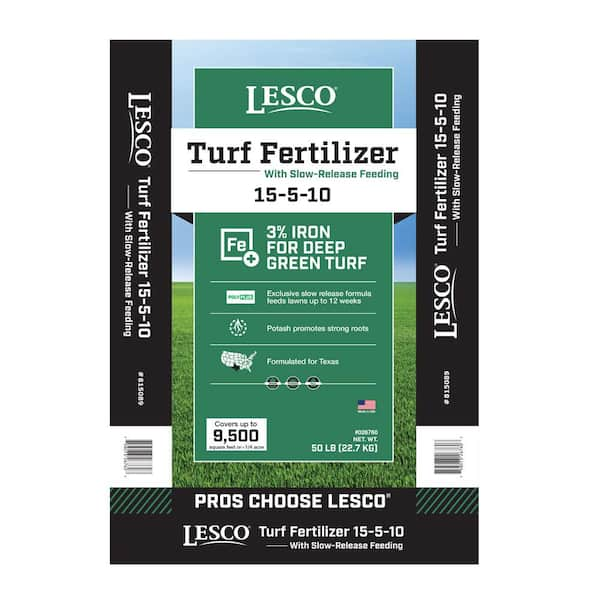
Image Source: images.thdstatic.com
Decoding Your Texas Lawn’s Needs
Texas is a vast state with diverse climates and soil types. This means the best time to fertilize Texas lawn can vary significantly from the Piney Woods in East Texas to the Panhandle. The foundation of any successful fertilization plan lies in knowing what kind of grass you have.
Warm-Season vs. Cool-Season Grasses in Texas
Texas is predominantly home to warm-season grass fertilizer Texas options because most of the state experiences hot summers ideal for these turf types. However, some areas, particularly the Panhandle and higher elevations, can support cool-season grasses.
-
Warm-Season Grasses: These grasses, such as Bermuda, Zoysia, St. Augustine, and Centipede grass, thrive in heat and go dormant in winter. They are active and growing during spring, summer, and early fall.
- Bermuda Grass: Requires regular feeding during its active growing season for best results.
- St. Augustine Grass: Benefits from consistent fertilization but can be sensitive to over-fertilization.
- Zoysia Grass: Has slower growth and typically needs less frequent fertilization than Bermuda.
- Centipede Grass: Is a low-maintenance grass that needs minimal fertilization.
-
Cool-Season Grasses: While less common for primary lawns, cool-season grasses like Fescue are often used in shaded areas or as overseeding for winter color in some parts of Texas. They grow best in cooler temperatures and go dormant in the summer heat.
- Fescue Grass: Needs feeding in the fall and spring, with reduced or no fertilization during the summer to avoid stress.
Soil Testing: The First Step
Before you start applying any fertilizer, it’s highly recommended to get a soil test. Local Texas A&M AgriLife Extension offices can help you with this. A soil test reveals:
- pH Level: The acidity or alkalinity of your soil. Most Texas soils are alkaline.
- Nutrient Levels: Which essential nutrients (Nitrogen, Phosphorus, Potassium – NPK) are deficient or in excess.
- Organic Matter Content: An indicator of soil health.
This information is crucial for selecting the right fertilizer and determining the correct application rates, directly impacting fertilizer application frequency Texas.
The Texas Lawn Care Calendar: A Fertilization Roadmap
A lawn care calendar Texas provides a framework for when to fertilize. For most Texas lawns, especially those with warm-season grasses, the growing season is key.
Spring Lawn Fertilizer Texas: Awakening the Grass
Spring is a vital time for fertilization, especially for warm-season grasses emerging from dormancy. This is when your lawn needs nutrients to recover from winter and prepare for the growing season.
- Timing: Generally, mid-spring (April to May) is the ideal time for the first application of spring lawn fertilizer Texas. Wait until the grass has greened up and is actively growing. For cool-season grasses, late spring is generally not recommended for fertilization as they begin to struggle with the heat.
- Type of Fertilizer: A balanced fertilizer with a higher nitrogen content is usually beneficial in spring to encourage healthy leaf growth and green color. Look for slow-release nitrogen to provide a steady supply of nutrients.
- Frequency: One application in mid-spring is typically sufficient for most established lawns. Over-fertilizing in spring can lead to excessive top growth, making the grass more susceptible to disease and stress later in the season.
Summer Lawn Care Texas: Navigating the Heat
Summer lawn care Texas requires a cautious approach to fertilization. The intense heat and potential for drought can stress your lawn, making it vulnerable to fertilizer burn.
- Timing: If you fertilize in summer, it should be done sparingly and only if necessary, preferably in early summer (late May to June) before extreme heat sets in. Avoid fertilizing during prolonged dry spells or heatwaves.
- Type of Fertilizer: Opt for fertilizers with a higher percentage of slow-release nitrogen. Organic fertilizers are also a good choice as they release nutrients slowly and are less likely to burn the lawn.
- Frequency: For most warm-season grasses, a summer application is often unnecessary and can be detrimental. If you do fertilize, it’s typically a single application, and your overall fertilizer application frequency Texas might be reduced during this challenging period. Some homeowners might skip summer fertilization altogether and focus on watering.
Fall Lawn Fertilizer Texas: Preparing for Dormancy and Winter
Fall is arguably the most important fertilization period for warm-season grasses in Texas. This feeding helps the grass store energy for winter dormancy and promotes root development.
- Timing: The ideal time for fall lawn fertilizer Texas is typically in early to mid-fall (September to October). The grass is still actively growing, but the extreme heat has subsided. For cool-season grasses, fall is the primary fertilization time.
- Type of Fertilizer: A fertilizer with a higher potassium content is beneficial in fall. Potassium helps improve the grass’s hardiness and ability to withstand winter stress and diseases. A balanced NPK ratio, or one slightly lower in nitrogen than spring applications, is good.
- Frequency: One application in early fall is usually sufficient for warm-season grasses. For cool-season grasses, a follow-up application in late fall can be beneficial after the first frost.
Winter Lawn Care Texas: A Rest Period
Generally, fertilization is not recommended during the winter months when most Texas lawns are dormant. Applying fertilizer to dormant grass is wasteful and can harm the lawn when it tries to emerge from dormancy.
How Often Can You Use Lawn Booster Fertilizer? Specific Considerations
The term “lawn booster” is broad. It could refer to a high-nitrogen product, a micronutrient blend, or a combination. The application frequency will hinge on the product’s composition and your lawn’s specific needs, as identified by a soil test or visible deficiencies.
Nitrogen: The Main Driver
Nitrogen is the most commonly applied nutrient and is responsible for green growth. However, too much nitrogen can:
- Stimulate excessive top growth, weakening the root system.
- Make the grass more susceptible to diseases and insect pests.
- Increase the risk of fertilizer burn, especially in hot weather.
- Pollute waterways if it leaches into the soil or runs off.
Most recommended Texas lawn fertilization schedules for healthy, established lawns involve 2-4 applications per year, spaced appropriately throughout the growing season.
Phosphorus and Potassium: Essential but Less Frequently Needed
Phosphorus is vital for root development and flowering, while potassium supports overall plant health, disease resistance, and stress tolerance.
- Phosphorus: Most Texas soils have adequate phosphorus. Excessive phosphorus can lead to environmental problems and is often restricted by local regulations. Soil tests will indicate if your lawn needs phosphorus. Fertilizers for established lawns typically don’t require frequent phosphorus additions.
- Potassium: While often present in Texas soils, potassium levels can be depleted over time, especially with heavy watering and mowing. Fall applications are a good time to ensure adequate potassium levels for winter hardiness.
Micronutrients: When and How Often?
Micronutrients like iron, manganese, and zinc are essential but needed in very small amounts. Deficiencies usually appear as yellowing or discolored patches.
- Application: Micronutrients are often applied as foliar sprays or as part of a granular fertilizer.
- Frequency: If a deficiency is confirmed by a soil test or visual symptoms, micronutrients might be applied as needed, often separately from regular NPK fertilization. Applying them too frequently can lead to toxicity.
Fertilizer Application Frequency Texas: General Guidelines
Based on the typical Texas lawn fertilization schedule for warm-season grasses, here’s a general guideline for fertilizer application frequency Texas. This is a starting point; always adjust based on soil tests and your lawn’s specific response.
| Season | Grass Type | Best Time for Fertilization | Fertilizer Type Suggestion | Frequency | Notes |
|---|---|---|---|---|---|
| Spring | Warm-Season | Mid-Spring (April-May) | Balanced NPK, higher Nitrogen (slow-release) | 1 application | Wait until grass is actively growing. |
| Summer | Warm-Season | Early Summer (May-June) | Low Nitrogen, slow-release or organic fertilizers | 0-1 application (optional, if needed) | Avoid during extreme heat or drought. |
| Fall | Warm-Season | Early to Mid-Fall (Sept-Oct) | Balanced NPK, higher Potassium, lower Nitrogen than spring | 1 application | Crucial for root development and winter hardiness. |
| Spring | Cool-Season | Early to Mid-Spring (March-April) | Balanced NPK | 1 application | Avoid late spring as heat stresses the grass. |
| Fall | Cool-Season | Early Fall (Sept-Oct) | Balanced NPK, higher Nitrogen | 1-2 applications | The primary feeding time for cool-season grasses. |
| Winter | All Grass Types | N/A | N/A | 0 applications | Grass is dormant; fertilization is unnecessary and can be harmful. |
What Does “Lawn Booster” Mean in Terms of Frequency?
If your “lawn booster” is a high-nitrogen product designed for rapid greening, you must be extremely careful with its frequency in Texas.
- For Quick Green-Up: These are best used sparingly, perhaps once in the spring and once in early fall, to give the lawn a boost at key growth periods.
- As a General Feed: If it’s a balanced fertilizer meant for ongoing feeding, follow the schedule above.
Applying a “lawn booster” more than 3-4 times a year, unless specifically recommended by a soil test for a particular deficiency, is generally too much for most Texas lawns. Over-application can lead to the issues mentioned earlier: weak roots, disease susceptibility, and environmental harm.
Applying Fertilizer Correctly: Key to Success
The method and timing of application are just as critical as the frequency.
Application Methods
- Granular Fertilizer: This is the most common type. Apply evenly using a spreader (broadcast or drop spreader). Ensure overlap is minimized to avoid stripes. Water lightly after application unless the product specifies otherwise.
- Liquid Fertilizer: Often provides a quicker green-up but may require more frequent applications. Apply using a hose-end sprayer or a tank sprayer.
Fertilization Dos and Don’ts in Texas
- DO: Water your lawn deeply before and after fertilizing (unless the product says not to) to help the nutrients penetrate the soil and reduce the risk of burning.
- DO: Sweep any fertilizer granules that land on hard surfaces (sidewalks, driveways) back onto the lawn. Fertilizer runoff can contaminate waterways.
- DO: Mow your lawn at the correct height for your grass type before fertilizing. This allows the fertilizer to reach the soil.
- DON’T: Fertilize a dormant lawn.
- DON’T: Fertilize when the grass is wet with dew, as this can cause fertilizer to stick to the blades and burn them.
- DON’T: Over-apply. More fertilizer does not mean a healthier lawn.
Common Fertilizer Application Frequency Texas Mistakes to Avoid
Many homeowners make common errors when trying to maintain a lush lawn, especially in the challenging Texas climate. Being aware of these can save your lawn from unnecessary stress and save you money.
Over-Application of Nitrogen
This is perhaps the most frequent mistake. A common misconception is that more nitrogen equals a greener, faster-growing lawn. However, as we’ve discussed, this can lead to a weaker plant that is more prone to problems. Stick to the recommended NPK ratios and application rates for your specific grass type and season.
Fertilizing During Peak Summer Stress
Texas summers are brutal. Applying fertilizers, especially those with a high percentage of quick-release nitrogen, during the hottest months can burn the grass. This is particularly true if the lawn is already suffering from lack of water. It’s often better to rely on proper watering and weed control during the peak of summer and focus fertilization on spring and fall.
Ignoring Soil Test Results
Many people fertilize based on a “cookbook” approach without considering their soil’s unique composition. A soil test is an invaluable tool that tells you exactly what your lawn needs. You might be over-applying nutrients that are already abundant, which is not only wasteful but can also be harmful to the environment.
Fertilizing Dormant Grass
When temperatures drop, warm-season grasses go dormant and turn brown. Fertilizing a dormant lawn is like trying to feed someone who is sleeping – it doesn’t get used and can be harmful. Wait for the grass to show signs of new growth in the spring before the first application.
Incorrect Spreader Settings
Even with the right fertilizer, applying it incorrectly can cause problems. Using a spreader without calibrating it or setting it to the wrong setting can lead to uneven application, resulting in some areas being over-fertilized and others under-fertilized. Always check the fertilizer bag for recommended spreader settings.
Frequently Asked Questions (FAQ)
Q1: Can I use a lawn booster fertilizer every month in Texas?
A1: No, using a lawn booster fertilizer every month in Texas is generally too frequent for most grass types. Over-fertilization can damage your lawn, making it susceptible to diseases and drought stress. A typical Texas lawn fertilization schedule involves 2-4 applications per year, timed appropriately for the growing seasons of your grass.
Q2: When is the absolute best time to fertilize my Texas lawn?
A2: For warm-season grasses, the best time to fertilize Texas lawn is generally in mid-spring (April-May) after the grass has greened up, and again in early to mid-fall (September-October) before the first frost. For cool-season grasses, fall is the primary fertilization time.
Q3: My lawn looks a little yellow. Can I just keep applying lawn booster fertilizer until it’s green?
A3: Yellowing can indicate nutrient deficiency, but it can also be a sign of over-watering, under-watering, poor drainage, disease, or pest issues. Before applying more fertilizer, it’s crucial to identify the cause of the yellowing. A soil test can help determine nutrient deficiencies. Over-applying fertilizer, especially nitrogen, can exacerbate problems and burn the grass.
Q4: I have St. Augustine grass in Houston. How often should I fertilize?
A4: For St. Augustine grass, a common Texas lawn fertilization schedule would include an application in mid-spring (April-May) and another in early fall (September-October). Avoid heavy fertilization in the summer heat. St. Augustine can be sensitive, so follow product instructions carefully and consider organic options if you’re concerned about burning.
Q5: What is a good frequency for cool-season grass fertilizer Texas?
A5: For cool-season grasses like Fescue, the primary fertilization times are in early to mid-fall (September-October) and again in early to mid-spring (March-April). Fertilizing in late spring or summer is not recommended as these grasses struggle in the heat. This means 2-3 applications per year are typical for cool season grass fertilizer Texas.
Q6: How often can I use lawn booster fertilizer if it’s organic?
A6: Organic fertilizers release nutrients more slowly and are less likely to cause fertilizer burn. While you might be able to apply them slightly more frequently than synthetic fertilizers, it’s still best to follow a seasonal Texas lawn fertilization schedule and consult the product’s specific instructions. Generally, 3-4 applications per year are still sufficient for most lawns.
By following these guidelines and tailoring them to your specific lawn, you can effectively use fertilizer to maintain a healthy, vibrant lawn throughout the diverse Texas climate.