
Blister beetles can be a real nuisance in your garden, munching on leaves and flowers and potentially causing harm. Can you get rid of them without harsh chemicals? Yes, you can! This guide will show you how to get rid of blister beetles in your garden using natural and safe methods, covering everything from organic blister beetle control to blister beetle prevention garden strategies.
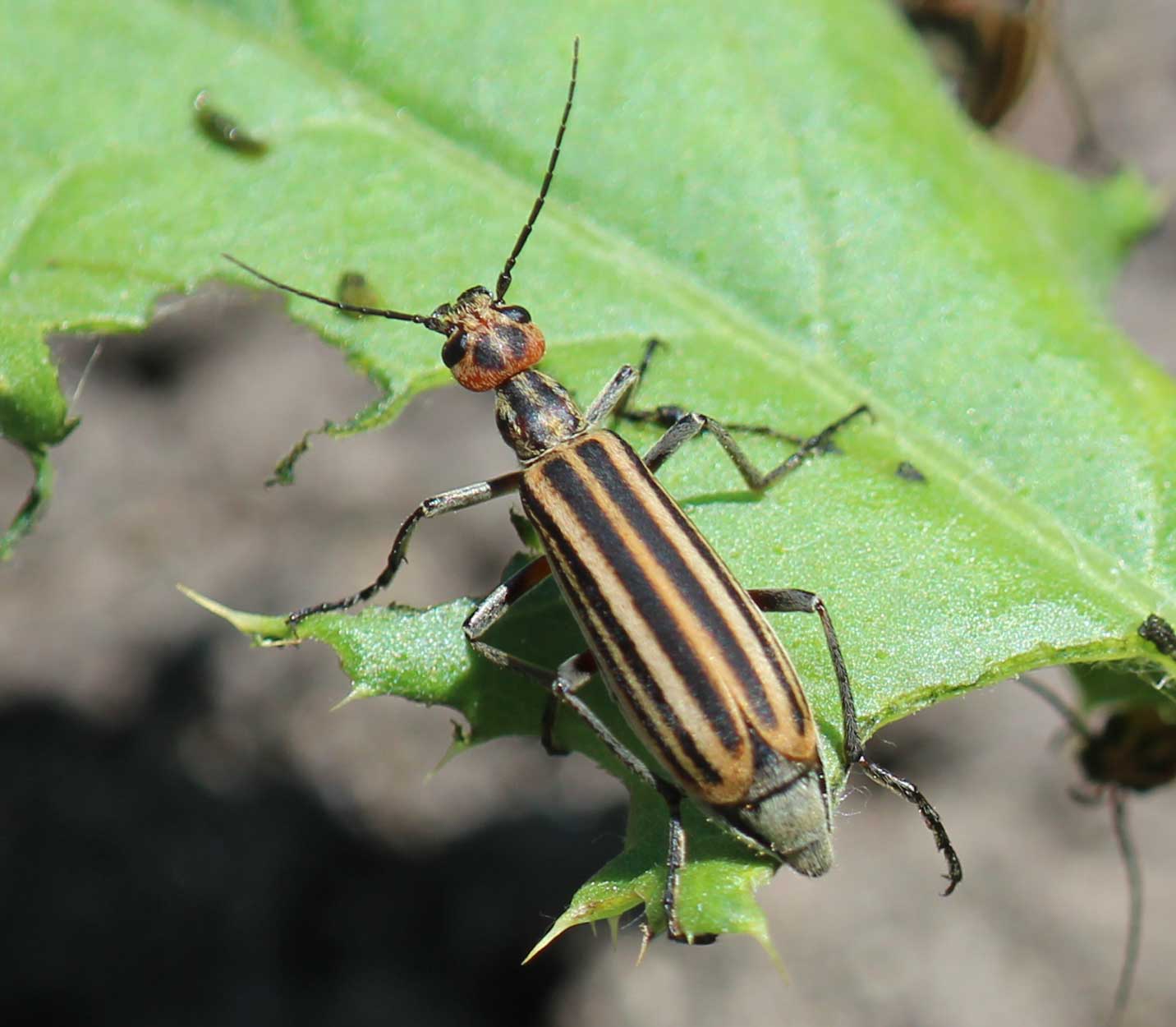
Image Source: extension.sdstate.edu
Identifying the Enemy: Blister Beetle Basics
Before we dive into removal, let’s learn a bit about these garden pests. Blister beetles are a diverse group, but many common garden offenders belong to the family Meloidae. They are typically elongated, with soft bodies and long antennae. Their most distinguishing feature is often their metallic sheen, which can range from black to iridescent blues and greens.
What Makes Them a Problem?
- Voracious Appetites: Both adult blister beetles and their larvae can cause significant damage. Adults feed on the foliage, flowers, and fruits of many garden plants, including tomatoes, potatoes, beans, roses, and even ornamental flowers.
- The “Blister” Factor: The name “blister beetle” comes from a defensive fluid called cantharidin that they can secrete. This substance is a powerful irritant and can cause blisters on human skin. It’s also toxic to livestock if ingested, particularly horses, making safe ways to kill blister beetles crucial.
- Life Cycle Nuances: Understanding their life cycle helps in targeting them effectively. Many blister beetles have complex life cycles, often involving multiple larval stages that may feed on grasshopper eggs or other insects. However, it’s the adult stage that most gardeners encounter as a pest.
Natural and Safe Blister Beetle Control Strategies
Dealing with blister beetles doesn’t require reaching for the strongest chemical sprays. There are many natural remedies for blister beetles that are effective and much kinder to your garden ecosystem, beneficial insects, and your own health.
Handpicking: The Direct Approach to Blister Beetle Infestation Treatment
While it might sound tedious, handpicking blister beetles is one of the most direct and effective organic blister beetle control methods available.
How to Handpick Effectively:
- Timing is Key: The best time to handpick is in the early morning or late evening when the beetles are less active and often found resting on leaves or flowers.
- Gear Up: Wear gloves to protect your skin from their irritating secretions.
- Collection Method: Have a bucket of soapy water ready. Gently pick the beetles off the plants and drop them into the bucket. The soap breaks the surface tension of the water, ensuring they drown.
- Consistency: This method works best when done regularly, especially during peak season for blister beetles. Early detection and removal can prevent a small problem from becoming a large blister beetle infestation treatment challenge.
Harnessing the Power of Plants: Companion Planting for Blister Beetle Prevention
Certain plants can deter blister beetles, making them valuable additions to your garden. This is a proactive way to implement blister beetle prevention garden techniques.
Plants That Deter Blister Beetles:
- Marigolds: Their strong scent is often cited as a repellent for various insects, including beetles.
- Garlic and Onions: The pungent aroma of alliums is known to deter many pests. Planting them near susceptible crops can offer protection.
- Certain Herbs: Rosemary, basil, and mint are also believed to have repellent properties against beetles.
How to Implement Companion Planting:
- Intercropping: Plant rows of deterrent plants between your main crops.
- Border Planting: Create a protective barrier around your garden beds with these repellent plants.
Beneficial Insects: Your Garden Allies
While blister beetles themselves can be a problem, some insects are natural predators that can help keep their populations in check. Encouraging these beneficials is a cornerstone of ecological pest management.
Key Beneficial Insects:
- Predatory Wasps: Some species of wasps parasitize blister beetle eggs or larvae.
- Praying Mantises and Ladybugs: While not specific to blister beetles, these generalist predators will consume them if given the opportunity.
How to Attract Beneficial Insects:
- Avoid Broad-Spectrum Pesticides: These kill beneficial insects along with pests.
- Provide Habitat: Plant a variety of flowering plants that offer nectar and pollen, such as dill, fennel, yarrow, and sunflowers.
- Water Source: A shallow dish of water with pebbles or marbles can provide a safe drinking spot.
DIY Natural Sprays to Stop Blister Beetles
For more immediate intervention, several homemade sprays can help deter or kill blister beetles. These are excellent natural remedies for blister beetles.
Garlic Spray for Blister Beetles: A Potent Deterrent
Garlic is a well-known natural pesticide due to its strong smell and sulfur compounds. Garlic spray for blister beetles can be highly effective.
Recipe for Garlic Spray:
- Ingredients:
- 1 bulb of garlic, minced or blended
- 1 quart of water
- 1 tablespoon of liquid castile soap (unscented is best)
- Instructions:
- Soak the minced garlic in water for at least 24 hours.
- Strain the garlic water through cheesecloth or a fine sieve.
- Add the castile soap to the strained liquid.
- Pour the mixture into a spray bottle.
How to Use Garlic Spray:
- Application: Spray directly onto affected plants, ensuring good coverage of leaves and stems where beetles are seen.
- Frequency: Apply every few days, especially after rain, as the spray can wash off.
- Test Spot: Always test on a small area of a plant first to ensure it doesn’t cause any adverse reactions.
Neem Oil for Blister Beetles: A Versatile Organic Solution
Neem oil is derived from the neem tree and possesses insecticidal, repellent, and growth-regulating properties. Neem oil for blister beetles is a popular and effective organic blister beetle control option.
How Neem Oil Works:
Neem oil disrupts the feeding and growth cycles of insects. It can act as an antifeedant, making plants unpalatable, and can interfere with molting, preventing young beetles from developing into adults.
How to Use Neem Oil:
- Dilution is Crucial: Always dilute neem oil according to the product instructions. Typically, 1-2 tablespoons of cold-pressed neem oil per gallon of water is recommended.
- Add Soap: Mix in a teaspoon of castile soap to help the oil emulsify (mix) with the water.
- Application: Spray the mixture thoroughly on all parts of the infested plants, especially the undersides of leaves, in the early morning or late evening.
- Frequency: Reapply every 7-14 days as needed.
- Caution: Avoid spraying during the hottest part of the day, as it can scorch leaves. Do not apply to plants that are stressed from drought.
Diatomaceous Earth Blister Beetles: A Mechanical Killer
Diatomaceous earth (DE) is a natural powder made from fossilized aquatic organisms. When used correctly, diatomaceous earth blister beetles can be an effective control method.
How Diatomaceous Earth Works:
DE has microscopic sharp edges that scratch the exoskeleton of insects. This causes them to dehydrate and die. It’s a physical killer, not a chemical one, making it a safe way to kill blister beetles.
Types of DE:
- Food-Grade DE: This is the type you want for your garden. Ensure it’s labeled as “food-grade.” Do not use pool-grade DE, which is chemically treated.
How to Apply Diatomaceous Earth:
- Application: Apply a thin, even layer of DE around the base of plants or directly onto foliage. A powder duster or shaker can help distribute it evenly.
- When to Apply: Apply when plants are dry, as DE is ineffective when wet. Reapply after rain or heavy dew.
- Target Areas: Focus on areas where beetles are active.
- Safety Note: While natural, inhaling DE dust can irritate the lungs, so wear a mask when applying. It is generally safe for pets and children if they don’t inhale it.
Other Natural Methods to Stop Blister Beetles
Beyond sprays and direct removal, other natural approaches can help manage blister beetle populations.
Row Covers: Physical Barriers for Blister Beetle Prevention
For smaller, susceptible plants, physical barriers are an excellent form of blister beetle prevention garden strategy.
How Row Covers Work:
These lightweight fabric covers are placed over plants to prevent insects from reaching them.
Implementation:
- Installation: Drape the fabric over hoops or frames, securing the edges with soil, rocks, or landscape staples.
- Coverage: Ensure there are no gaps where beetles can enter.
- Pollination: If your plants require pollination, you’ll need to remove the covers during flowering or use a cover with a fine enough mesh that still allows pollinators through, though this is less common for complete beetle exclusion.
Crop Rotation: Breaking the Cycle
While blister beetles can fly, rotating crops can disrupt their life cycle by moving susceptible plants away from areas where they might overwinter or lay eggs.
Principles of Crop Rotation:
- Avoid Planting Susceptible Crops: Don’t plant the same or related plants in the same spot year after year.
- Beneficial Rotation: Rotate with crops that are not hosts for blister beetles, or even with cover crops that can improve soil health.
Creating an Uninviting Environment
Making your garden less attractive to blister beetles can contribute to blister beetle prevention garden efforts.
Strategies:
- Weed Control: Many weeds can host blister beetles. Keeping your garden beds clean of weeds reduces their potential habitat.
- Remove Debris: Clear away garden debris where beetles might overwinter.
When Natural Methods Aren’t Enough: Understanding Your Options
In severe cases of blister beetle infestation treatment, you might need to consider more potent, yet still natural, options. The goal remains how to stop blister beetles without resorting to synthetic pesticides.
Bacillus thuringiensis (Bt)
- What is Bt? Bt is a naturally occurring soil bacterium. Different strains of Bt target different insect groups. While commonly known for targeting caterpillars, specific strains might have efficacy against other beetle larvae, but it’s less commonly cited for adult blister beetles. Always check the product label for target pests.
Insecticidal Soaps
- How They Work: Commercially available insecticidal soaps are fatty acid salts that disrupt the cell membranes of soft-bodied insects, including some beetle larvae and nymphs. They are less effective against the hardened exoskeletons of adult beetles but can be used as part of a broader strategy.
Safety First: Protecting Yourself and Your Garden
When dealing with any pest, especially one that can cause blisters, safety is paramount.
Personal Protection:
- Gloves: Always wear gloves when handling blister beetles or applying treatments.
- Long Sleeves and Pants: Protect your skin from accidental contact.
- Eye Protection: Consider safety glasses when spraying.
Protecting Beneficials:
- Targeted Application: Apply treatments only to affected areas.
- Timing: Spray in the early morning or late evening when pollinators are less active.
- Avoid Broad-Spectrum Sprays: Stick to targeted, natural solutions.
Frequently Asked Questions About Blister Beetles
Q1: What plants are most attractive to blister beetles?
A1: Blister beetles have a wide range of food preferences, but they are particularly fond of legumes (beans, peas), tomatoes, potatoes, peppers, roses, dahlias, and various weeds.
Q2: Can blister beetles fly?
A2: Yes, blister beetles are capable of flight, which allows them to move between plants and gardens.
Q3: Are blister beetles harmful to humans?
A3: Blister beetles themselves are not typically aggressive. However, if threatened or handled, they can secrete a substance called cantharidin, which can cause painful blisters on human skin. It’s also toxic if ingested.
Q4: What kills blister beetles instantly?
A4: While direct contact with soapy water or finely ground diatomaceous earth can be quite fast-acting, no natural method typically kills them “instantly” in the way some strong chemical pesticides might. Persistence and consistent application of natural methods are key.
Q5: When is the best time of year to see blister beetles?
A5: Blister beetle activity is usually highest during the summer months, typically from June through August, depending on your geographical location.
Conclusion: A Multi-Faceted Approach to Blister Beetle Management
Effectively managing blister beetles in your garden relies on a combination of methods. By employing organic blister beetle control techniques like handpicking blister beetles, utilizing natural remedies for blister beetles such as garlic spray for blister beetles, neem oil for blister beetles, and diatomaceous earth blister beetles, and focusing on blister beetle prevention garden strategies, you can successfully how to stop blister beetles from causing extensive damage. Remember, a healthy garden ecosystem, supported by beneficial insects and a vigilant approach, is your best defense. This ensures safe ways to kill blister beetles while promoting a thriving garden for you and the environment.