
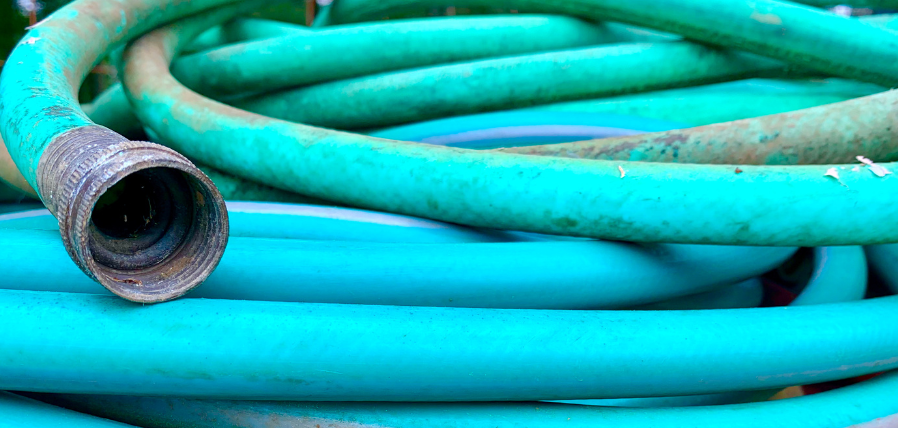
Image Source: www.cincinnati-oh.gov
How To Recycle A Garden Hose: Sustainable Tips
Can you recycle a garden hose? Yes, you can! While not all curbside recycling programs accept them, there are several effective ways to handle your old or broken garden hose, including repurposing it for various garden uses, exploring specialized recycling options, and even considering how some components might contribute to your compost. This guide delves into the best practices for sustainable garden hose disposal and offers creative solutions for your old hose.
The Garden Hose End of Life: When It’s Time for a Change
Garden hoses, much like any other tool, eventually reach their end of life. This can happen due to wear and tear, punctures, kinks that won’t straighten, or simply a desire for a more eco-friendly material. Knowing when your hose is truly done is the first step in responsible garden hose disposal.
Signs your garden hose needs replacing:
- Cracking and Brittleness: Exposure to sunlight, extreme temperatures, and improper storage can make your hose brittle and prone to cracking.
- Leaking: Numerous small leaks, especially near fittings, indicate the hose material is degrading.
- Kinks that Won’t Release: If your hose constantly kinks and restricts water flow, it’s a sign of internal damage or material breakdown.
- Mold and Mildew Growth: Persistent mold or mildew, especially within the hose, can be difficult to remove and may affect water quality.
- Punctures and Holes: Obvious holes or punctures that cannot be repaired effectively mean the hose is no longer functional.
- Degraded Fittings: Corroded or damaged couplings can prevent a secure connection and lead to leaks.
Beyond the Bin: Garden Hose Recycling Options
When your garden hose is no longer serving its primary purpose, tossing it in the regular trash should be a last resort. Thankfully, there are better options for garden hose recycling and disposal.
1. Repurpose Garden Hose for Creative Uses
One of the most satisfying ways to deal with an old garden hose is to repurpose garden hose for new tasks around your yard. This reduces waste and can even save you money on other gardening accessories.
Small Projects with Old Hose Sections
Even short lengths of hose can find new life.
- Seedling Protection: Cut lengths of hose and place them around young, tender plants to protect them from pests like slugs and snails, or from accidental damage by garden tools.
- Tool Grips: Slip sections of hose over the handles of shovels, rakes, or hoes to create a more comfortable and non-slip grip.
- Watering Aids: Poke small holes along a length of hose and connect it to your water source. Lay it at the base of plants for slow, targeted watering, especially useful for vegetable rows or hedges.
- Cable Management: Use hose pieces to bundle and protect electrical cords or irrigation tubing, keeping them tidy and preventing damage.
- Draft Stoppers: Longer sections can be filled with sand or gravel and placed at the base of doors or windows to block drafts.
- Protective Sleeves: Wrap hose around metal edges, chain links, or sharp corners to prevent scratches and injuries.
- Garden Markers: Cut pieces of hose, flatten them, and write plant names on them with a permanent marker.
- Shock Absorbers: Hang planters or bird feeders using sections of hose to absorb shock and prevent them from swinging too wildly in the wind.
- Exercise Equipment: Weighted hose sections can be used for light arm exercises.
Larger Projects for Whole Hoses
A whole, albeit damaged, hose can still be useful.
- Edging: Bury sections of hose along garden beds to create a soft, defined edge. This can help contain mulch and grass.
- Trellis Support: Weave hose through existing trellises or create simple supports for climbing plants.
- Drainage Solutions: For minor drainage issues in a garden bed, you can create a simple French drain by laying a perforated hose (you can add holes yourself) and covering it with gravel.
- Animal Deterrents: Hanging lengths of hose can deter some animals with their movement and sound.
2. Specific Garden Hose Recycling Options
When repurposing isn’t an option, and your local recycling center doesn’t accept hoses, look for specialized programs.
Rubber Hose Recycling
If your hose is made of natural or synthetic rubber, it might be accepted by specialized rubber recycling facilities. Rubber is a valuable material that can be processed into new products.
- Check with Local Recycling Centers: Even if they don’t accept it in the mixed recycling bin, some centers have specific drop-off points for rubber items.
- Tire Recycling Centers: Some tire recycling facilities might also process other rubber products. It’s worth a call to inquire.
- Manufacturer Take-Back Programs: While less common for garden hoses, some eco-conscious manufacturers may offer take-back programs for their products. Check the packaging or the manufacturer’s website.
Vinyl Hose Recycling
Vinyl (PVC) hoses are a bit trickier. PVC can be recycled, but often requires specific processing.
- Plastic Recycling Specialists: Look for local businesses that specialize in recycling specific types of plastics.
- Construction and Demolition Waste Recyclers: Sometimes, these facilities accept various plastic materials.
- Terracycle: Terracycle is a company that partners with brands and municipalities to recycle hard-to-recycle items, including some types of hoses. Check their website for available programs in your area.
3. Considering Compost Garden Hose Components
Can you compost garden hose? Generally, no, not the entire hose. Most modern garden hoses are made from synthetic materials like PVC, rubber, or a blend, which do not break down effectively in a compost pile and can introduce microplastics or chemicals.
However, if your hose has natural rubber components or you have a very old, genuine rubber hose, the situation is different.
- Natural Rubber: Pure natural rubber can eventually decompose, but it’s a slow process. It’s usually not recommended to add large quantities of it to a home compost bin.
- Synthetic Materials: PVC, vinyl, and other synthetic plastics will not break down and can contaminate your compost.
- Metal Fittings: Brass or aluminum fittings on hoses should always be removed before composting (and ideally recycled separately).
The Verdict on Composting: It’s best to avoid composting synthetic garden hoses. If you have a very old, genuine rubber hose, you might consider adding small pieces, but monitor your compost closely.
Dealing with Broken Hose Solutions
A broken hose doesn’t always mean the end. Sometimes, a repair can extend its life.
- Hose Repair Kits: These kits typically include a new coupling and a sleeve that clamps onto the hose to seal a leak or attach a new end.
- Hose Clamps and Tape: For small leaks or cracks, heavy-duty waterproof tape or hose repair tape can provide a temporary fix. You can also use hose clamps to seal off a damaged section if the leak is localized.
- Coupling Replacement: If the end fittings are damaged, you can often buy replacement couplings and attach them to the hose with a hose clamp.
Even if a repair isn’t feasible, the principles of repurposing and specialized recycling still apply to these “broken” hoses.
Sustainable Garden Hose Disposal: A Broader Look
When thinking about sustainable garden hose disposal, it’s about minimizing waste and maximizing resource recovery.
- Prioritize Repurposing: This is the most eco-friendly option as it gives the material a second life without requiring energy-intensive recycling processes.
- Seek Specialized Recycling: If repurposing isn’t possible, find a recycler who can handle the specific material of your hose.
- Choose Eco-Friendly Hoses: When purchasing a new hose, consider options made from recycled materials or those that are more durable and biodegradable (though fully biodegradable hoses are still rare). Look for hoses made from natural rubber or those with fewer chemical additives.
- Proper Storage: Extend the life of your current hose by storing it properly. Avoid leaving it in direct sunlight, drain it completely before storing, and avoid kinks. This reduces the frequency of needing to dispose of hoses.
What is the best way to get rid of an old garden hose?
The best way to get rid of an old garden hose is to repurpose it for other garden tasks or seek out specialized recycling options. Avoid throwing it in your regular household trash if possible, as synthetic materials can take hundreds of years to decompose in landfills and may release harmful chemicals.
Can I recycle a rubber hose?
Yes, rubber hose recycling is often possible. Check with local recycling centers, tire recycling facilities, or specialized rubber product recyclers in your area. Natural rubber will decompose eventually, but synthetic rubber requires specialized recycling.
What can I do with an old hose?
There are many old hose uses. You can repurpose it for seedling protection, tool grips, watering aids, cable management, garden edging, or even for creating simple trellises.
How do I dispose of a vinyl garden hose?
For vinyl hose recycling, look for specialized plastic recyclers or companies like Terracycle that handle hard-to-recycle materials. Avoid putting it in your standard curbside recycling bin unless your local program specifically accepts PVC.
What are broken hose solutions?
Broken hose solutions include using hose repair kits, hose clamps, waterproof tape for minor leaks, or replacing damaged couplings. If a repair isn’t viable, consider repurposing the functional parts or recycling the hose itself.
Frequently Asked Questions About Garden Hose Disposal
Q1: Will my local recycling center take my old garden hose?
A1: Many curbside recycling programs do not accept garden hoses because they are bulky, made of mixed materials, or contain plastics that are difficult to process with standard equipment. It’s best to check with your local recycling facility directly.
Q2: Are there companies that specialize in garden hose recycling?
A2: Yes, while not as common as plastic bottle recycling, companies like Terracycle offer programs for recycling various hard-to-recycle items. You can also search for local rubber recyclers or plastic recycling specialists who might accept garden hoses.
Q3: Can I cut up my old hose and put it in my garden?
A3: Yes, cutting up your old hose for repurpose garden hose projects is an excellent idea! Use sections for plant protection, tool grips, or other creative garden uses. Just ensure the material is safe for direct contact with plants if you’re using it for that purpose.
Q4: What if my hose is made of different materials?
A4: If your hose is a blend of materials or has metal fittings, it can be more challenging to recycle. Try to separate components where possible. Metal fittings, like brass or aluminum couplings, should always be removed and recycled with metals. For mixed-material hoses, repurposing or contacting specialized recyclers is your best bet.
Q5: How can I extend the life of my garden hose to reduce future disposal needs?
A5: Proper care is key! Store your hose away from direct sunlight, drain all water before storing, avoid sharp bends or kinks, and consider using a hose reel. This will help prevent premature wear and tear.
By embracing these sustainable practices, you can ensure that your old garden hose doesn’t become just another piece of waste, but rather a resource that is either reused creatively or responsibly recycled.