
A lawn mower battery typically ranges from 3 to 15 amps (A), with most residential electric and cordless lawn mowers using batteries that fall within this spectrum. However, the amperage isn’t the only crucial factor to consider; the lawn mower battery voltage and lawn mower battery capacity (measured in Amp-hours or Ah) are equally important for determining a mower’s power and run time.
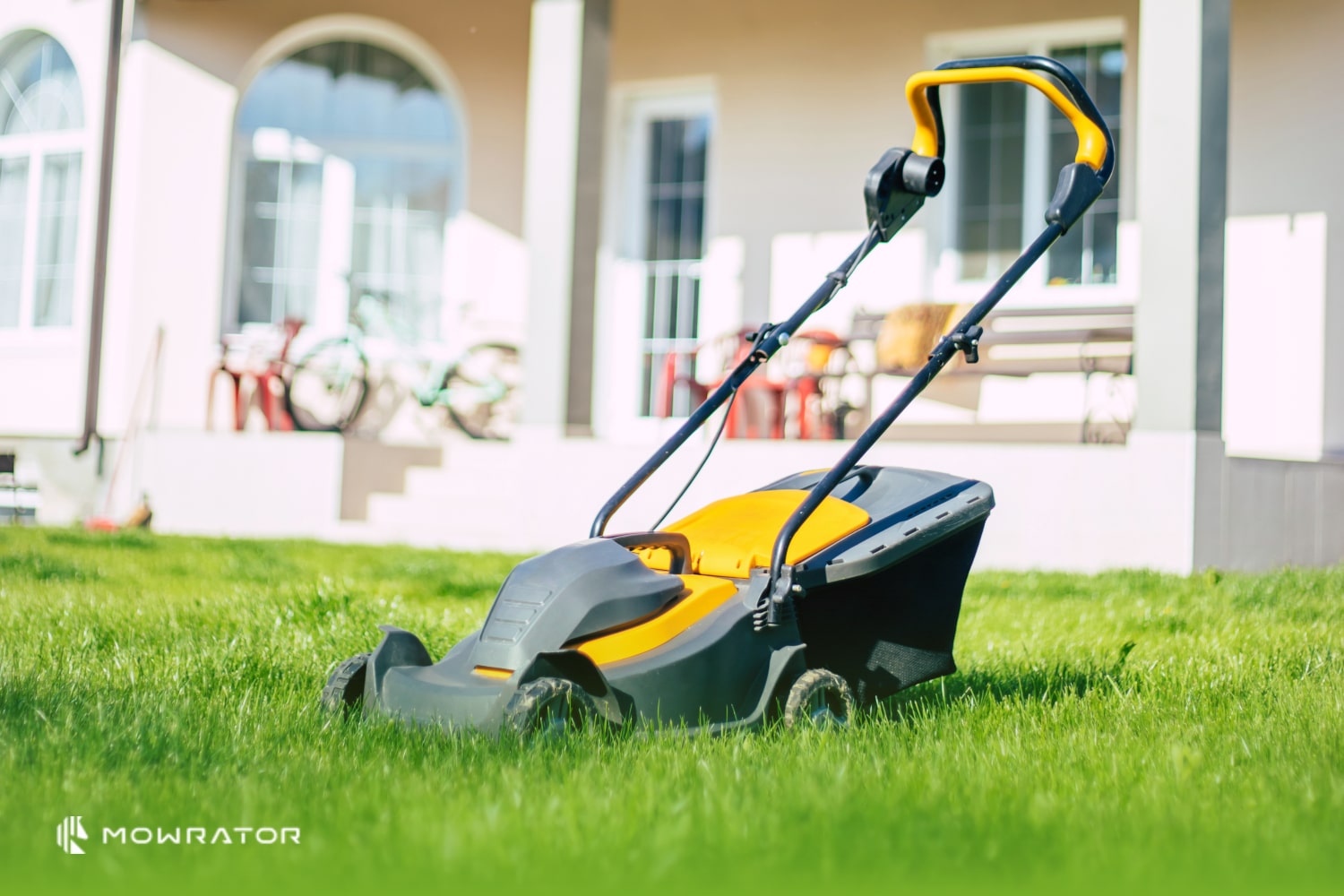
Image Source: au.mowrator.com
Deciphering Lawn Mower Battery Power: Amps, Voltage, and Capacity
When you’re looking to buy a new battery for your lawn mower or simply want to understand the power source driving your grass-cutting machine, you’ll encounter terms like amps, voltage, and amp-hours (Ah). These metrics work together to tell you how much power a battery can deliver and for how long. Let’s break them down.
What Are Amps (A)?
Amps, short for amperes, measure the rate of electrical current flow. In simpler terms, think of it as the “strength” or “flow” of electricity. A higher amp rating means more electricity is moving through the circuit at any given moment. For a lawn mower, this translates to the raw power available to turn the blades and drive the motor.
What is Lawn Mower Battery Voltage (V)?
Voltage is the electrical “pressure” that pushes the current through the circuit. It’s like the water pressure in a hose. Higher voltage means more “push” behind the electricity. Common lawn mower battery voltage ratings are 12V, 18V, 20V, 40V, 60V, and even 80V for more powerful models. A higher voltage battery generally allows the mower to operate with more power, especially when cutting through thick or wet grass.
What is Lawn Mower Battery Capacity (Ah)?
Capacity is measured in Amp-hours (Ah). This tells you how much current a battery can supply over a specific period. For example, a 5Ah battery can theoretically supply 5 amps for one hour, or 1 amp for five hours, or even 10 amps for 30 minutes. Essentially, lawn mower battery capacity is a measure of how long the battery can power your mower. A higher Ah rating means a longer run time on a single charge.
The Amperage of Lawn Mower Batteries: A Closer Look
While amperage is a key indicator of instant power, it’s less commonly used to directly label or compare batteries than voltage and Ah. Instead, amperage is often related to the motor’s draw.
Amperage Draw of Electric Lawn Mowers
Electric lawn mowers, both corded and cordless, draw a certain amount of amperage to operate their motors. This draw can fluctuate based on the cutting conditions.
- Light Cutting: When the grass is short and dry, the mower’s motor doesn’t need to work as hard, resulting in a lower amperage draw.
- Heavy Cutting: Cutting thick, wet, or overgrown grass requires more power. The motor will pull more amps to maintain blade speed and cutting performance.
Cordless Lawn Mower Battery Amperage
For cordless lawn mower battery units, the amperage is a reflection of the motor’s demand. A mower designed for demanding tasks might have a motor that can draw 10-15 amps or more during peak operation. The battery’s ability to deliver this consistent amperage without significant voltage drop is crucial for performance.
Riding Mower Battery Amps
Riding mower battery amps are often discussed in terms of Cold Cranking Amps (CCA) for starting the engine, similar to car batteries. However, the continuous running amperage of a riding mower’s electric systems is generally higher than a push mower. While not the primary rating, the battery must be able to supply the necessary current to power accessories like lights, self-propulsion, and blade engagement. Many riding mower batteries are 12V lead-acid types, often with CCA ratings between 200-500A. The running current, however, will be much lower.
Relating Amps, Voltage, and Watts (W)
Power, measured in watts (W), is the product of voltage and amperage:
Watts (W) = Voltage (V) × Amps (A)
This equation highlights how these three metrics are interconnected. A higher wattage means more overall power.
- A 40V mower that draws 8 amps is delivering 320 watts of power.
- A 20V mower that draws 10 amps is delivering 200 watts of power.
This illustrates that you can’t just look at one number. A higher voltage with a lower amperage draw can produce the same or even more power than a lower voltage with a higher amperage draw.
Lawn Mower Battery Capacity (Ah) and Run Time
The lawn mower battery capacity is what directly impacts how long you can mow. This is where the “Ah” rating shines.
Calculating Estimated Run Time
While it’s not an exact science due to varying grass conditions and mower efficiency, you can get an idea of potential run time by considering the battery’s Ah rating and the mower’s typical amperage draw.
- Example: If your battery powered mower has a 4Ah battery and your mower typically draws 5 amps, your estimated run time would be:
Run Time (hours) = Battery Capacity (Ah) / Amperage Draw (A)
Run Time = 4 Ah / 5 A = 0.8 hours (or 48 minutes)
Keep in mind this is a theoretical maximum. Real-world usage will likely be shorter due to factors like:
- Starting and stopping
- Cutting through dense patches
- Battery aging and reduced capacity
- Motor efficiency variations
Types of Lawn Mower Batteries and Their Amperage Characteristics
The type of lawn mower you have will dictate the type of battery you’ll find.
Cordless Lawn Mower Batteries (Lithium-ion)
Modern cordless lawn mower battery systems almost exclusively use lithium-ion (Li-ion) technology. These batteries are popular because they offer:
- Lightweight: Easier to handle and carry.
- High Energy Density: More power packed into a smaller size.
- No Memory Effect: You can charge them partially without harming capacity.
- Consistent Power Output: They tend to maintain their voltage better throughout the discharge cycle compared to older battery technologies.
The amperage ratings for these batteries are often implicitly tied to their voltage and Ah. A common setup might be a 40V system with batteries ranging from 2Ah to 6Ah. The mower’s motor will draw the necessary amps from the battery to meet the cutting demands.
Electric Lawn Mower Batteries (Older Models/Specialized)
Older electric mowers might have used sealed lead-acid (SLA) batteries. These are heavier and have a lower energy density than Li-ion. While less common in new models, they are still found in some budget or specialized equipment. Their amperage characteristics are similar to what’s found in 12V systems, but the overall run time and power output are typically lower.
Riding Mower Batteries
Riding mower battery types are predominantly 12-volt lead-acid batteries. These are designed to start a gasoline engine and power onboard electronics. Their rating is usually given in CCA (Cold Cranking Amps) and Ah. While the CCA is for starting, the continuous current draw for the mower’s systems might be in the range of 10-20 amps for accessories and self-propulsion, but the battery must be robust enough to handle the brief, high current demand of the starter motor.
What to Consider When Choosing a Lawn Mower Battery
When it’s time for mower battery replacement or you’re buying a new battery powered mower, several factors influence battery choice beyond just amperage.
Matching Voltage is Crucial
Never use a battery with a different voltage than what your mower is designed for.
- Too Low Voltage: The mower may not run, or it will be underpowered and struggle.
- Too High Voltage: This can damage the mower’s motor, electronics, and wiring due to overvoltage. Always ensure the lawn mower battery voltage matches your mower’s specifications.
Amp-Hours (Ah) for Extended Mowing
If you have a larger yard or often find yourself running out of power, look for batteries with a higher lawn mower battery capacity (Ah). A 4Ah battery will provide roughly twice the run time of a 2Ah battery, assuming all other factors are equal.
Amperage Output Capability
While not always explicitly stated for consumer batteries, the battery’s internal construction and its Battery Management System (BMS) influence its ability to deliver a sustained high amperage without overheating or significant voltage sag. Reputable brands design their batteries to meet the demands of their intended mower models.
Battery Management System (BMS)
Modern Li-ion batteries have a BMS that protects the battery from overcharging, over-discharging, overheating, and short circuits. It also helps balance the cells within the battery pack for optimal performance and longevity.
Lawn Mower Battery Life
The lawn mower battery life is influenced by several factors:
- Number of Charge Cycles: Li-ion batteries have a finite number of charge and discharge cycles.
- Charging Habits: Proper lawn mower battery charging practices, avoiding extreme temperatures and overcharging, extend battery life.
- Usage Intensity: Heavy use (cutting thick grass) will drain the battery faster and can put more stress on it over time.
- Storage Conditions: Storing batteries in a cool, dry place is ideal.
- Battery Quality: Higher-quality batteries from reputable manufacturers generally last longer.
Lawn Mower Battery Charging Best Practices
Proper lawn mower battery charging is essential for maximizing battery life and ensuring consistent performance.
Use the Correct Charger
Always use the charger that came with your mower or an officially recommended replacement. Using an incorrect charger can damage the battery or pose a safety hazard.
Avoid Extreme Temperatures
Do not charge a battery that is extremely hot or extremely cold. Allow it to reach a moderate temperature before connecting the charger.
Partial Charging is Okay
Unlike older battery technologies, Li-ion batteries don’t suffer from a “memory effect.” It’s perfectly fine to charge them partially if you only need a short mowing session.
Store Properly
If you’re storing the mower for an extended period (e.g., over winter), it’s best to store the battery with a partial charge (around 40-60%) in a cool, dry environment. Avoid storing it fully discharged or fully charged for long periods.
Keep Terminals Clean
Ensure the battery terminals and the charging contacts on the mower are clean and free of debris to ensure a good connection.
Common Issues and Troubleshooting
- Mower Not Starting/Running Weakly:
- Is the battery fully charged?
- Is the battery properly seated in the mower?
- Is the battery old and at the end of its lifespan? (Check voltage under load if possible)
- Are the battery terminals and mower contacts clean?
- Battery Not Charging:
- Is the charger plugged in and working?
- Is the battery properly connected to the charger?
- Is there a fault with the charger or the battery’s BMS?
When is it Time for Mower Battery Replacement?
The lifespan of a lawn mower battery varies, but most Li-ion batteries are rated for a certain number of charge cycles (often 500-1000 or more). You’ll know it’s time for a mower battery replacement when:
- The run time is significantly shorter than it used to be.
- The mower struggles even in light grass.
- The battery no longer holds a charge at all.
- The battery shows physical signs of damage (swelling, corrosion).
Frequently Asked Questions (FAQ)
Q1: Can I use a battery from a different brand for my lawn mower?
A: Generally, no, unless the batteries are specifically designed to be cross-compatible (e.g., some 40V systems allow for battery sharing between different brands of tools). Always check the voltage and connector type. Using an incompatible battery can damage your mower or the battery itself.
Q2: How often should I replace my lawn mower battery?
A: This depends heavily on usage, battery quality, and charging habits. A typical Li-ion lawn mower battery might last 3-7 years. Pay attention to a decrease in performance.
Q3: What does the “Ah” rating on a lawn mower battery mean?
A: “Ah” stands for Amp-hours. It indicates the battery’s capacity – how much current it can supply over time. A higher Ah rating means longer run time.
Q4: Is a higher voltage battery better for my lawn mower?
A: A higher voltage battery will provide more power, which is beneficial for tackling thicker grass or larger yards. However, you must match the voltage to your mower’s specifications. Using a higher voltage than recommended can cause damage.
Q5: How do I check the health of my lawn mower battery?
A: You can often check the battery’s charge level via an indicator on the battery itself. For a more technical assessment, you can use a multimeter to check the battery’s voltage. A significant drop in voltage when under load indicates a weakening battery.
Q6: What are the typical amperage requirements for an electric lawn mower?
A: Electric lawn mowers don’t have a fixed “amperage requirement” for the battery itself. Instead, the mower’s motor draws the necessary amps from the battery based on the cutting conditions. This draw can range from 5 amps to 15 amps or more for powerful models, particularly when cutting through tough grass. The battery’s ability to supply this current without significant voltage drop is key.
Q7: Do riding mower batteries use amps in the same way as push mower batteries?
A: For starting, riding mower batteries are rated in Cold Cranking Amps (CCA), which is a measure of their ability to deliver a large burst of current for a short time. When the engine is running, the electrical systems draw a continuous current, typically much lower than CCA. While the running draw isn’t usually expressed in amps as a primary rating, the battery must be capable of supplying it reliably.
Q8: How does battery capacity (Ah) affect cutting performance?
A: Battery capacity (Ah) primarily affects run time, not the peak cutting performance. Performance is more directly linked to the lawn mower battery voltage and the motor’s ability to draw sufficient amps. However, as a battery with lower capacity discharges, its voltage may drop more significantly, potentially impacting performance towards the end of its run time.
By familiarizing yourself with these battery metrics – amps, voltage, and Ah – you can make informed decisions about your lawn mower’s power source, ensuring efficient and enjoyable lawn care.