
The number of volts a lawn mower battery needs depends on the type of mower and its intended use. Typically, electric lawn mowers operate on batteries ranging from 18V for smaller trimmers and basic mowers to 40V, 56V, or even 80V for more powerful, larger models and riding mowers. Understanding lawn mower battery voltage is key to selecting a unit that can effectively tackle your yard.
The world of lawn care has been revolutionized by battery-powered technology. Gone are the days when electric mowers were limited by cords or powered by bulky, inefficient lead-acid batteries. Today’s battery powered mower volts offer a compelling alternative to gas-powered machines, providing quieter operation, lower maintenance, and a more environmentally friendly approach. But with a growing array of options, from the humble 18V trimmer to the robust 80V riding mower, how do you navigate the sea of lawn mower battery voltage options? This guide will help you decipher what matters and how to choose the right power for your needs.
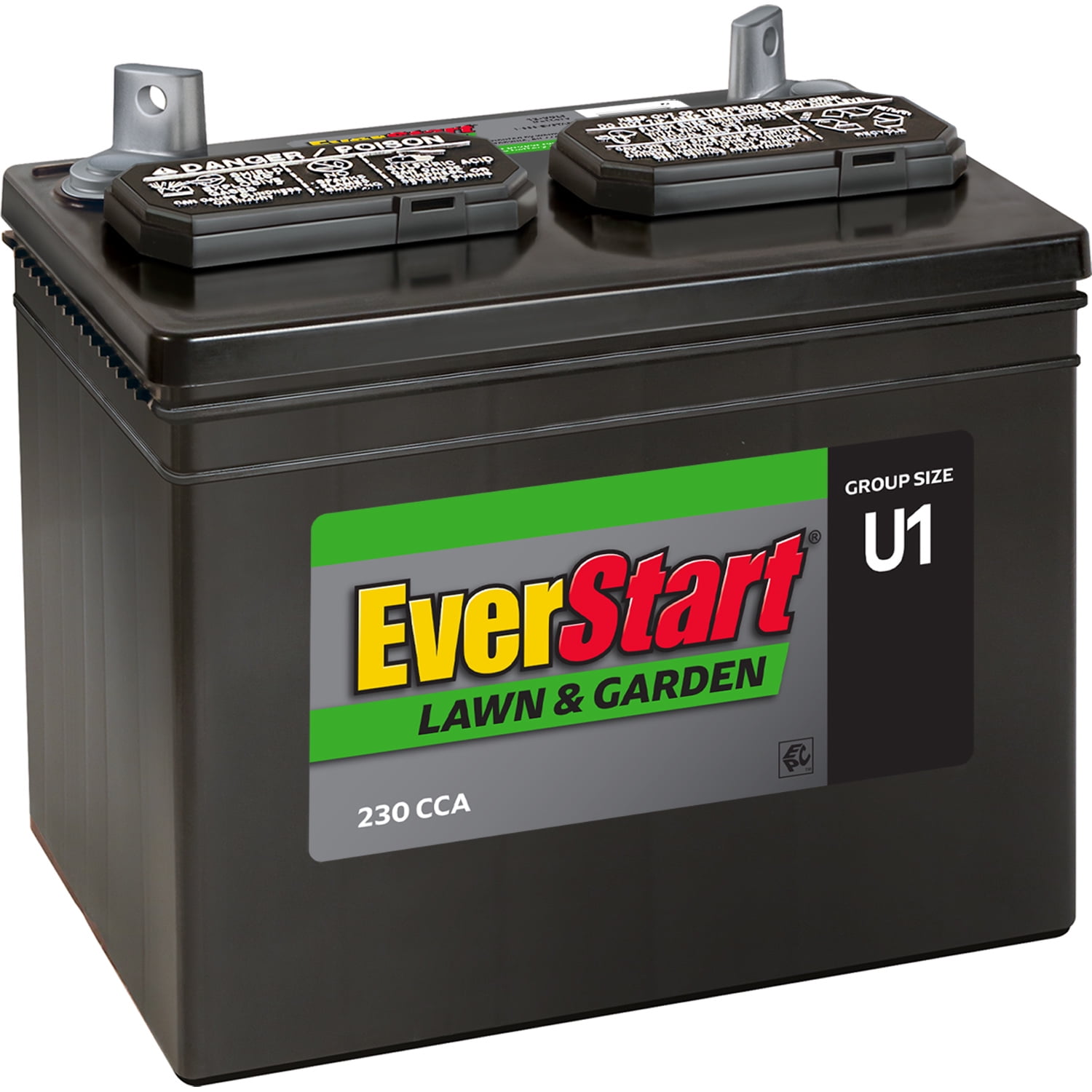
Image Source: i5.walmartimages.com
Deciphering Lawn Mower Battery Voltage: What Does it Mean?
Voltage, often denoted by the symbol ‘V’, is a measure of the electrical potential difference. In simpler terms, it’s the “push” or “force” that drives electricity through a circuit. For a lawn mower, a higher voltage generally means more power. Think of it like water pressure in a hose: higher pressure (voltage) allows you to spray water further and with more force.
Common Voltage Levels in Electric Mowers
Electric lawn mowers come with a variety of voltage ratings. These ratings are crucial because they indicate the mower’s power output and its ability to handle different lawn conditions.
- 18V to 20V: These are typically found in smaller, lighter tools like string trimmers, hedge trimmers, and very basic, small push mowers. They are best suited for small, flat lawns with light grass.
- 36V to 40V: This is a popular sweet spot for many cordeless electric push mowers. They offer a good balance of power, runtime, and weight, capable of handling medium-sized lawns with average grass.
- 56V to 60V: You’ll find these in more robust push mowers and some entry-level riding mowers. They provide significantly more power and can tackle thicker grass and larger areas more efficiently. The higher voltage often translates to faster blade speeds and better cutting performance.
- 80V and Above: These high-voltage systems are generally reserved for premium, high-performance push mowers and electric riding mowers. They deliver the power needed to cut through tough, overgrown grass and cover extensive acreage, often rivaling the performance of gas-powered counterparts.
When you see a lawn mower battery voltage rating, it’s a primary indicator of the mower’s potential performance.
The Role of Amperage-Hour (Ah) in Lawn Mower Batteries
While voltage is about the “push,” amperage-hour (Ah) is about the “capacity” or “stamina” of the battery. It tells you how much current (measured in amperes, A) the battery can deliver over one hour. A higher Ah rating means the battery can power the mower for a longer time on a single charge.
For example, a 4.0Ah battery will provide more runtime than a 2.0Ah battery when used with the same mower. If you have a large lawn or encounter thick grass that requires more power, you’ll want a battery with a higher Ah rating to ensure you can finish the job without needing to recharge.
When looking at a riding mower battery amps (specifically Ah), consider the total area you need to mow. A larger lawn will benefit from higher Ah batteries.
Battery Chemistry: Lithium-Ion Dominance
The vast majority of modern cordless electric lawn mowers use lithium ion lawn mower battery technology. This is due to several key advantages:
- Lightweight: Lithium-ion batteries are significantly lighter than older lead-acid batteries, making the mowers easier to maneuver and handle.
- High Energy Density: They can store a lot of energy in a small, light package.
- No Memory Effect: Unlike some older battery types, you don’t need to fully discharge them before recharging.
- Longer Lifespan: They typically offer more charge cycles than lead-acid batteries.
- Faster Charging: Many lithium-ion batteries can be recharged relatively quickly.
The lawn mower battery capacity is often expressed in both voltage and Ah, giving you a complete picture of the battery’s capabilities.
Corded vs. Cordless Mower Voltage: A Key Distinction
The choice between corded vs cordless mower voltage is a fundamental one.
Corded Electric Mowers
These mowers draw power directly from a wall outlet via an extension cord. They typically operate at standard household voltages (e.g., 120V or 240V).
Advantages:
* Unlimited Runtime: As long as you have power, the mower will run.
* Lighter Mower: No heavy battery pack to carry.
* Lower Initial Cost: Often cheaper to purchase than cordless models.
Disadvantages:
* Limited Range: You’re tethered to an outlet by the extension cord.
* Cord Management: Dealing with the cord can be cumbersome and a tripping hazard.
* Power Drop: Long or thin extension cords can lead to a voltage drop, reducing the mower’s performance.
* Less Power: Generally less powerful than higher-voltage cordless models.
When considering corded vs cordless mower voltage, the lack of a defined “battery voltage” for corded models makes it a different comparison point. Their power is directly linked to your home’s electrical supply.
Cordless Electric Mowers
These are the mowers that rely on rechargeable battery packs. This is where the discussion of battery powered mower volts and lawn mower battery voltage becomes most relevant.
Advantages:
* Freedom of Movement: No cords to restrict your mowing path.
* Quieter Operation: Generally quieter than gas mowers.
* Lower Maintenance: No oil changes, fuel filters, or spark plugs.
* Environmentally Friendly: No direct emissions.
* Variable Power Options: A wide range of voltage requirements for lawn mowers available.
Disadvantages:
* Limited Runtime: Dependent on battery charge.
* Charging Time: Batteries need time to recharge.
* Battery Cost: Replacement batteries can be expensive.
* Weight: The battery pack adds weight to the mower.
The electric lawn mower battery size is often directly proportional to its voltage and Ah rating; higher voltage and Ah typically mean a larger, heavier battery.
Gas Mower Battery Volts: A Different Kind of Power
Even though this guide focuses on electric mowers, it’s worth noting that gas mowers also have batteries. However, the purpose of a gas mower battery volts system is quite different.
Gas mowers typically use a 12-volt (12V) lead-acid battery. This battery’s primary function is not to power the cutting blade directly. Instead, it’s used to:
- Electric Start: Many modern gas mowers have an electric starter button, which uses the 12V battery to crank the engine to life.
- Power Small Electronics: Some gas mowers might have small control panels or lights that draw power from this battery.
The cutting power for a gas mower comes from the internal combustion engine, not the battery. Therefore, when discussing lawn mower battery voltage, it’s crucial to differentiate between the power source for the cutting mechanism itself.
Factors Influencing Your Lawn Mower Battery Choice
Choosing the right voltage requirements for lawn mowers involves more than just picking the highest number. Several factors come into play:
Lawn Size and Terrain
- Small Lawns (under 1/4 acre): 18V-20V or 36V-40V mowers are usually sufficient.
- Medium Lawns (1/4 to 1/2 acre): 40V to 60V mowers offer a good balance of power and runtime.
- Large Lawns (over 1/2 acre): 80V or higher, or even electric riding mowers, will be more practical.
- Hilly or Uneven Terrain: Higher voltage and more powerful motors are beneficial for maintaining blade speed on slopes.
Grass Type and Density
- Fine Grasses: Lower voltage mowers can often handle these with ease.
- Thick, Wet, or Tall Grass: These conditions demand more power. A higher voltage battery and a larger motor are essential to prevent the mower from bogging down. This is where a robust lithium ion lawn mower battery truly shines.
Runtime Requirements
Consider how long you typically need to mow. If your lawn is large, or you often let the grass grow longer between cuts, you’ll need a battery with a higher Ah rating for extended lawn mower battery capacity. Some systems allow you to swap batteries, giving you virtually unlimited runtime if you have multiple charged packs.
Mower Type: Push vs. Riding
- Push Mowers: These are generally lighter and more maneuverable. Voltages from 36V to 80V are common for effective cordless operation. The electric lawn mower battery size will vary based on the mower’s power and expected runtime.
- Riding Mowers: These are designed for larger properties and require significantly more power. They typically use higher voltage battery systems (often 40V, 48V, 60V, or even 80V, sometimes with multiple batteries) and often have larger riding mower battery amps (Ah) for extended use.
Budget
Higher voltage, higher Ah batteries, and the mowers that use them, often come with a higher price tag. It’s important to balance performance needs with your budget. However, consider the long-term savings on fuel and maintenance with electric mowers.
Selecting the Optimal Lawn Mower Battery Voltage
The optimal lawn mower battery voltage is the one that best matches your specific lawn care needs. There isn’t a single “best” voltage for everyone.
- For a small, easy-to-manage yard with light grass, a 40V system might be perfectly adequate and more affordable.
- If you have a medium-sized yard with some challenging patches of grass, a 56V or 60V mower will likely provide a more satisfying and efficient mowing experience.
- For large properties, dense grass, or frequent mowing, an 80V mower or an electric riding mower is the more appropriate choice.
The Power of Battery Platforms
Many manufacturers offer battery platforms where a single voltage battery (e.g., 40V, 56V, 80V) can be used across a range of their outdoor power equipment, from lawn mowers to trimmers, blowers, and snow blowers. This can be a significant advantage, as it allows you to invest in a battery system and then expand your tool collection without needing different batteries and chargers for each device. When looking at lawn mower battery voltage, consider if it fits into a broader platform you might want to utilize.
Maintenance and Care for Your Lawn Mower Battery
Proper care can significantly extend the life of your lithium ion lawn mower battery:
- Avoid Extreme Temperatures: Store batteries in a cool, dry place, away from direct sunlight and excessive heat or cold.
- Charge Appropriately: Follow the manufacturer’s charging instructions. Avoid overcharging or leaving the battery on the charger indefinitely after it’s full.
- Keep Contacts Clean: Ensure the battery terminals and mower’s battery connection points are clean and free from debris.
- Use the Correct Charger: Always use the charger specifically designed for your battery voltage and chemistry.
- Regular Inspection: Check for any signs of damage to the battery casing or connectors.
Frequently Asked Questions About Lawn Mower Battery Volts
Q1: Can I use a battery from a different brand or voltage on my lawn mower?
A1: No, you absolutely should not. Using a battery with a different voltage or from a different manufacturer can damage your lawn mower’s motor, electronics, or the battery itself. Always use the battery and charger recommended by the mower’s manufacturer. The voltage requirements for lawn mowers are specific to each model.
Q2: What does the “Ah” rating on a lawn mower battery mean?
A2: Ah stands for Ampere-hour, which is a measure of the battery’s capacity or runtime. A higher Ah rating means the battery can supply a given current for a longer period, thus providing more mowing time on a single charge. It’s a critical component of lawn mower battery capacity.
Q3: How long does a lithium-ion lawn mower battery typically last?
A3: With proper care and maintenance, a lithium ion lawn mower battery can last anywhere from 3 to 6 years, or between 500 to 1,000 charge cycles, depending on the brand, quality, and usage.
Q4: Is a higher voltage always better for a lawn mower?
A4: Not necessarily. While higher voltage generally means more power, it also typically means a heavier and more expensive battery. The optimal lawn mower battery voltage is one that provides sufficient power for your lawn conditions without being overkill or exceeding your budget. For small, flat lawns, a lower voltage might be perfectly adequate.
Q5: What is the difference in power between a 40V mower and an 80V mower?
A5: An 80V mower will generally have significantly more power than a 40V mower. This translates to a faster blade speed, the ability to cut through thicker grass with less effort, and potentially a wider cutting deck for faster mowing. The higher battery powered mower volts offer more robust performance.
Q6: Do gas mower batteries have the same role as electric mower batteries?
A6: No. Gas mower battery volts (typically 12V) are primarily for starting the engine and powering small accessories. The cutting power comes from the gas engine. In contrast, electric mower batteries provide the direct power to the motor that spins the blade, hence the wide range of lawn mower battery voltage discussed.
Q7: How do I choose the right electric lawn mower battery size?
A7: The electric lawn mower battery size is usually dictated by the voltage and Ah rating. You’ll want to consider your lawn’s size and grass type to determine the appropriate voltage and the necessary runtime, which translates to the Ah rating. A larger, higher-voltage mower will naturally require a larger lawn mower battery capacity.
Conclusion
Navigating the world of lawn mower battery voltage might seem complex at first, but it boils down to matching the mower’s power to your specific mowing needs. From the humble 18V trimmer to the powerful 80V riding mower, each voltage requirements for lawn mowers category serves a different purpose. Prioritizing lithium ion lawn mower battery technology ensures you benefit from lighter weight, longer life, and better performance. Whether you’re comparing corded vs cordless mower voltage, considering riding mower battery amps, or simply trying to find the optimal lawn mower battery voltage, remember that the right choice will lead to a cleaner, quieter, and more enjoyable lawn care experience. By carefully assessing your lawn’s size, terrain, and grass type, you can confidently select the battery-powered mower that’s just right for you.