
Can you put sand on a lawn? Yes, you can and often should put sand on a lawn as part of a practice called top dressing. This practice can significantly improve your lawn’s overall health and appearance. This detailed guide explores the benefits of using sand as a soil amendment, how it helps with leveling, drainage, and even promotes better grass seed germination.
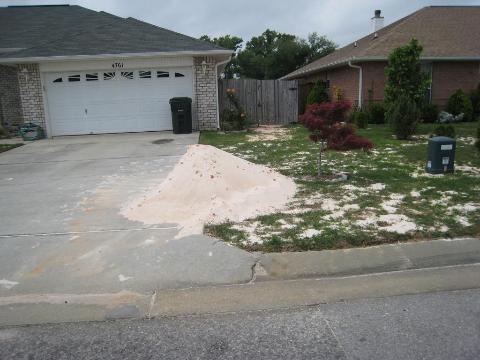
Image Source: nwdistrict.ifas.ufl.edu
Enhancing Your Lawn’s Foundation
Your lawn’s health starts with its soil. Just like a house needs a strong foundation, your grass needs healthy soil to thrive. Over time, soil can become compacted, lose its nutrients, and struggle to drain water effectively. This is where sand, used correctly, can be a game-changer. It’s not about transforming your lawn into a beach, but rather using sand as a strategic soil amendment to address specific lawn issues and promote robust lawn health.
The Science Behind Sand as a Soil Amendment
When we talk about putting sand on a lawn, we’re referring to a practice known as top dressing. This involves applying a thin layer of material, in this case, sand, over the existing turf. The key is using the right type of sand and applying it in the correct way. The primary goal is to improve the soil structure, which is the physical arrangement of soil particles.
- Improving Soil Structure: Soil is made up of mineral particles, organic matter, water, and air. The size of mineral particles determines whether soil is sandy, silty, or clayey. Most turfgrasses prefer a loam soil, which is a balanced mix. However, many lawns, especially those on heavy clay soils, suffer from poor structure. Sand, being granular, can help break up dense clay particles.
- Creating Air Pockets: Compacted soil has very few air pockets. Grass roots need air to breathe and grow. When sand is worked into the soil, it creates more space between soil particles, allowing for better aeration. This improved air circulation is crucial for root development.
- Enhancing Water Movement: In clay-heavy soils, water can sit on the surface, leading to root rot or runoff. In very sandy soils, water drains too quickly, taking nutrients with it. The right kind of sand, when mixed with existing soil, can improve the water-holding capacity of very sandy soil while also increasing drainage in heavier soils.
Solving Common Lawn Problems with Sand
Many of the issues that plague lawns can be traced back to poor soil conditions. Sand, used as a soil amendment, offers solutions to several of these problems.
Leveling Your Lawn Surface
Uneven lawns aren’t just unsightly; they can also be a tripping hazard and lead to uneven watering. Low spots collect water, potentially drowning grass or promoting disease, while high spots dry out faster.
How Sand Helps with Leveling Lawn
Applying sand is a common and effective method for leveling lawn surfaces.
- Filling Low Spots: You can strategically fill in shallow depressions with a layer of sand. As you do this, you can also rake it to ensure it’s smooth. Over time, the grass will grow up through the sand, and the low spot will be filled in.
- Gradual Application: For significant leveling, it’s best to apply sand in thin layers over several weeks or months. This prevents smothering the existing grass. Each application should be no more than ¼ to ½ inch thick.
- Integrating with Grass: The goal is for the sand to mix with the soil and allow the grass to grow through it. This integration is vital for success.
Table 1: Top Dressing for Leveling
| Issue | Solution Using Sand | Application Method |
|---|---|---|
| Low Spots | Filling in shallow depressions to create a smoother surface. | Apply a thin layer of sand (¼ – ½ inch) directly into the low spot. Rake smooth. Allow grass to grow through. Repeat if necessary. |
| Uneven Areas | Gradually raising low areas to match surrounding levels. | Apply thin, even layers of sand across the entire affected area. Rake to distribute. Allow grass to grow up through the sand between applications. |
| Minor Bumps | Smoothing out small undulations for a more even playing field. | Apply a light dusting of sand and gently rake to blend with the existing turf. |
Improving Drainage and Reducing Waterlogging
Poor drainage is a major enemy of a healthy lawn. When water can’t penetrate the soil, roots suffocate, and diseases like fungal infections become rampant.
Sand’s Role in Drainage Improvement
Sand’s granular nature is its primary asset when it comes to drainage improvement.
- Creating Channels: When sand is incorporated into the soil profile, it creates small channels. These channels allow excess water to flow away from the root zone more easily.
- Breaking Up Clay: In heavy clay soils, sand acts like a wedge, pushing apart the tightly packed clay particles. This creates more pore space, which is essential for water and air movement.
- Reducing Surface Runoff: By allowing water to infiltrate the soil more readily, sand can help reduce surface runoff. This not only benefits the lawn but can also help prevent erosion and water pollution.
- Addressing Soil Compaction: Often, poor drainage is a symptom of soil compaction. When soil is compacted, it’s like a tightly sealed lid, preventing water and air from entering. Aerating the lawn first, then top-dressing with sand, is a highly effective strategy.
When to Consider Sand for Drainage:
- Your lawn stays waterlogged for extended periods after rain.
- You notice a lot of surface runoff.
- Your soil is visibly heavy and sticky (clay).
- You have a history of fungal diseases on your lawn.
Boosting Grass Growth and Seed Success
Sand isn’t just about fixing problems; it’s also about actively encouraging better grass growth.
Promoting Healthier Roots and Shoots
The improved aeration and drainage that sand provides directly benefit the grass plant.
- Stronger Root Systems: Roots need oxygen and space to grow. By loosening compacted soil and creating air pockets, sand allows grass roots to penetrate deeper and spread wider. A stronger root system means the grass can access more water and nutrients, making it more resilient to stress.
- Increased Nutrient Uptake: Healthy roots are more efficient at absorbing nutrients from the soil. When soil structure is improved, nutrients become more available to the grass.
- Better Traffic Tolerance: Lawns that are compacted tend to be more susceptible to damage from foot traffic. Looser soil allows grass to recover more quickly from the stress of being walked on.
Enhancing Grass Seed Germination
When you’re trying to establish new grass or thicken existing turf through overseeding, good seed-to-soil contact and a favorable environment are critical.
- Ideal Seedbed: For grass seed germination, a fine, loose seedbed is ideal. Applying a thin layer of sand over existing turf before overseeding can help create this environment. The sand can help cover the seed lightly, ensuring good contact with the soil beneath.
- Moisture Retention: While sand drains well, the right kind of sand, when mixed with organic matter, can help retain just enough moisture for seeds to sprout. This is particularly beneficial in drier climates or during hot periods.
- Preventing Seed Washout: A light application of sand over newly sown seed can help anchor it, preventing it from being washed away by rain or irrigation.
The Role of Aeration in Sand Top Dressing
Aeration is a crucial step that often precedes sand top dressing, especially if soil compaction is a significant issue.
- Creating Openings: Aeration involves removing small cores of soil from the lawn. This creates holes that relieve compaction and allow air, water, and nutrients to penetrate the root zone.
- Facilitating Sand Penetration: After aerating, the holes created provide an ideal pathway for the sand to enter the soil profile. The sand can then mix with the soil, effectively improving its structure from within.
- Best Practice: The process is usually: Aerate first, then top dress with sand. This combination is far more effective than just applying sand to a compacted surface, as the sand might otherwise just sit on top.
Choosing the Right Sand for Your Lawn
Not all sand is created equal when it comes to lawn care. Using the wrong type can do more harm than good.
What Kind of Sand Should You Use?
The best sand for top dressing is coarse, sharp, washed sand.
- Coarse and Sharp: This refers to the size and shape of the sand grains. Larger, angular grains are better than small, round grains.
- Washed: It’s important that the sand is washed to remove fine dust and clay particles. These fine particles can clump together when wet, negating the benefits of drainage and aeration.
- Avoid Play Sand or Builder’s Sand: These types of sand often contain very fine particles or impurities that can clog soil pores and worsen compaction and drainage issues.
Sand Grain Size Matters
For optimal results, aim for a sand with a particle size typically between 0.05 mm and 2 mm in diameter. This range provides the necessary pore space for drainage and aeration without being too fine.
Table 2: Sand Types and Their Suitability for Lawn Top Dressing
| Sand Type | Particle Size Range (Approx.) | Suitability for Lawn Top Dressing | Notes |
|---|---|---|---|
| Coarse, Washed Masonry Sand | 0.5 mm – 2 mm | Excellent. This is the preferred type. Its sharp edges and larger grain size create good pore space for drainage and aeration. | Ensure it’s washed to remove fines. |
| Sharp Horticultural Sand | 0.5 mm – 2 mm | Excellent. Similar to masonry sand, specifically graded for horticultural use. | Often readily available from garden centers. |
| Builder’s Sand | Varies, often contains fines | Poor to Fair. Can contain too many fine particles, leading to compaction when wet. | Use only if guaranteed to be coarse and washed. Generally, avoid. |
| Play Sand | Varies, often very fine | Poor. Typically contains very fine particles and dust that will likely cause compaction and drainage issues. | Not suitable for amending existing soil. |
| River Sand | Varies | Fair to Good. Depends heavily on the specific source and if it’s been washed. Rounded particles are less effective for aeration. | Check for fineness and washability. |
How to Top Dress Your Lawn with Sand
Applying sand correctly is key to reaping its benefits.
The Process Explained
-
Prepare Your Lawn:
- Mow: Mow your lawn to a shorter height than usual. This makes it easier for the sand to reach the soil.
- Aerate (Highly Recommended): If your lawn is compacted, aerate it first. This is the ideal time to introduce sand.
- Rake: Lightly rake the lawn to remove thatch and debris. This further improves the seed-to-soil contact if you plan to overseed.
-
Apply the Sand:
- Thin Layers: Apply the sand in thin, even layers, typically no more than ¼ to ½ inch at a time.
- Spreading: Use a shovel to spread the sand onto the lawn. A spreader can also be used for larger areas, but ensure it can handle the sand type.
- Raking: Use a stiff garden rake to spread the sand evenly across the surface. Work it into the grass blades and the aeration holes. The goal is for the sand to be mostly invisible once you’re done.
-
Watering:
- Gentle Watering: After applying the sand, water the lawn gently. This helps settle the sand and washes any remaining dust off the grass blades.
-
Follow-up:
- Overseeding (Optional but Recommended): If you aerated, this is an excellent time to overseed. The sand helps provide a good seedbed, and the aeration ensures the seed reaches the soil.
- Repeat if Necessary: For significant leveling or soil improvement, you might need to repeat the top-dressing process several times a year, always applying thin layers.
When is the Best Time to Top Dress?
The best time to top dress with sand is during the active growing season of your grass type.
- Cool-Season Grasses (e.g., Kentucky Bluegrass, Fescues, Ryegrass): Early fall or early spring are ideal.
- Warm-Season Grasses (e.g., Bermuda, Zoysia, St. Augustine): Late spring or early summer, after the grass has started to green up and grow vigorously.
How Much Sand Do I Need?
The amount of sand depends on the size of your lawn and the extent of the soil issues.
- For Leveling: You might use more sand in specific low spots.
- For General Soil Improvement: A thin, even layer across the entire lawn is best.
A general guideline for a ¼-inch layer over 1,000 square feet is approximately 1 cubic yard of sand.
Table 3: Sand Application Rates
| Desired Top Dressing Thickness | Sand Volume per 1,000 sq ft (Approximate) |
|---|---|
| ¼ inch | 1 cubic yard |
| ½ inch | 2 cubic yards |
| ¾ inch | 3 cubic yards |
| 1 inch | 4 cubic yards |
Note: These are estimates. Actual volume may vary slightly based on sand density and how it settles.
Potential Downsides and How to Avoid Them
While sand top dressing offers many benefits, it’s important to be aware of potential issues.
The Risk of Creating “Sand Traps”
If you use the wrong type of sand, apply it too thickly, or apply it to already sandy soil, you can create problems.
- Using the Wrong Sand: As mentioned, fine-grained sand or sand with too many impurities can lead to a “cement-like” effect when mixed with soil, further hindering drainage and aeration.
- Applying Too Much Sand: Applying thick layers of sand can smother the grass, blocking sunlight and air.
- Over-sanding Sandy Soil: If your soil is already predominantly sandy, adding more sand can exacerbate water and nutrient leaching problems. In such cases, adding compost or organic matter might be a better soil amendment.
Avoiding These Pitfalls
- Choose the Right Sand: Always opt for coarse, sharp, washed sand.
- Apply Thin Layers: Never apply more than ½ inch at a time. It’s better to do it multiple times a year than to do one heavy application.
- Mix with Organic Matter: For heavy clay soils, mixing the sand with compost or other organic matter before applying can create a more balanced soil amendment and buffer against potential sand-related issues.
- Test Your Soil: Before embarking on a large sand top dressing project, consider a soil test. This can reveal your soil’s current composition and identify specific needs.
When Sand Isn’t the Best Solution
While beneficial, sand top dressing isn’t a magic bullet for every lawn problem.
Alternatives and Complements to Sand
- Compost and Organic Matter: For lawns suffering from nutrient deficiencies or poor water retention (even in clay soils), top dressing with compost or well-rotted manure is often a better choice. Organic matter improves soil structure, fertility, and water-holding capacity.
- Peat Moss: Can help improve water retention in very sandy soil, but use it cautiously as it can become hydrophobic if allowed to dry out completely.
- Gypsum: Can be effective in breaking up compacted clay soils, particularly those with high sodium content.
Combining Techniques for Optimal Results
Often, the best approach involves combining techniques.
- Aeration + Compost: For general soil health improvement and nutrient boost.
- Aeration + Sand: For heavy clay soils needing improved drainage and aeration, or for leveling lawn areas.
- Aeration + Sand + Overseeding: A powerful combination for renovating a lawn, improving its structure, and filling in thin areas.
Frequently Asked Questions (FAQ)
Q1: Is it always good to put sand on a lawn?
A1: No, it’s not always good. It’s beneficial for specific issues like compacted clay soils or leveling lawn areas. It’s not recommended for already sandy soil or if you use the wrong type of sand.
Q2: What is the best type of sand for top dressing?
A2: The best sand is coarse, sharp, washed sand with particle sizes ranging from 0.05 mm to 2 mm. Avoid builder’s sand or play sand.
Q3: How much sand should I apply?
A3: Apply sand in thin layers, no more than ¼ to ½ inch at a time. Over 1,000 square feet, this is roughly 1 to 2 cubic yards per application.
Q4: Can I put sand on my lawn in the summer?
A4: It’s generally best to top dress during the active growing seasons (spring or fall for cool-season grasses, late spring/early summer for warm-season grasses). Applying sand during extreme heat or drought can stress the grass.
Q5: Will sand kill my grass?
A5: If applied correctly in thin layers using the right type of sand, it should not kill your grass. Thick applications or using fine sand can smother or harm the grass.
Q6: How often can I top dress with sand?
A6: For soil improvement or leveling, you can repeat the process a few times a year, always applying thin layers and allowing the grass to recover between applications.
Q7: My soil is already very sandy, should I still add sand?
A7: Generally, no. Adding more sand to already sandy soil can worsen nutrient and water retention issues. Consider amending with compost or organic matter instead.
By following these guidelines, you can effectively use sand as a soil amendment to dramatically boost your lawn health, improve its structure, and create a more beautiful, resilient turf.