
Mushrooms appear in your yard because the conditions are right for fungi in lawn to thrive. These underground networks of fungal threads, called mycelium, are always present, but they only produce mushrooms when they have enough moisture, food, and the right temperature. Can you eat wild mushrooms from your yard? It’s generally not recommended unless you are an expert because many look-alike species are poisonous.
Many homeowners are surprised, and sometimes concerned, when they discover clusters or scattered specimens of lawn mushrooms popping up across their green spaces. These fascinating growths are a natural part of a healthy ecosystem, though their appearance can spark questions about their origin, purpose, and whether they pose a threat to your lawn or family. This comprehensive guide delves deep into the world of yard fungi, exploring the reasons behind their emergence and how to interpret their presence.
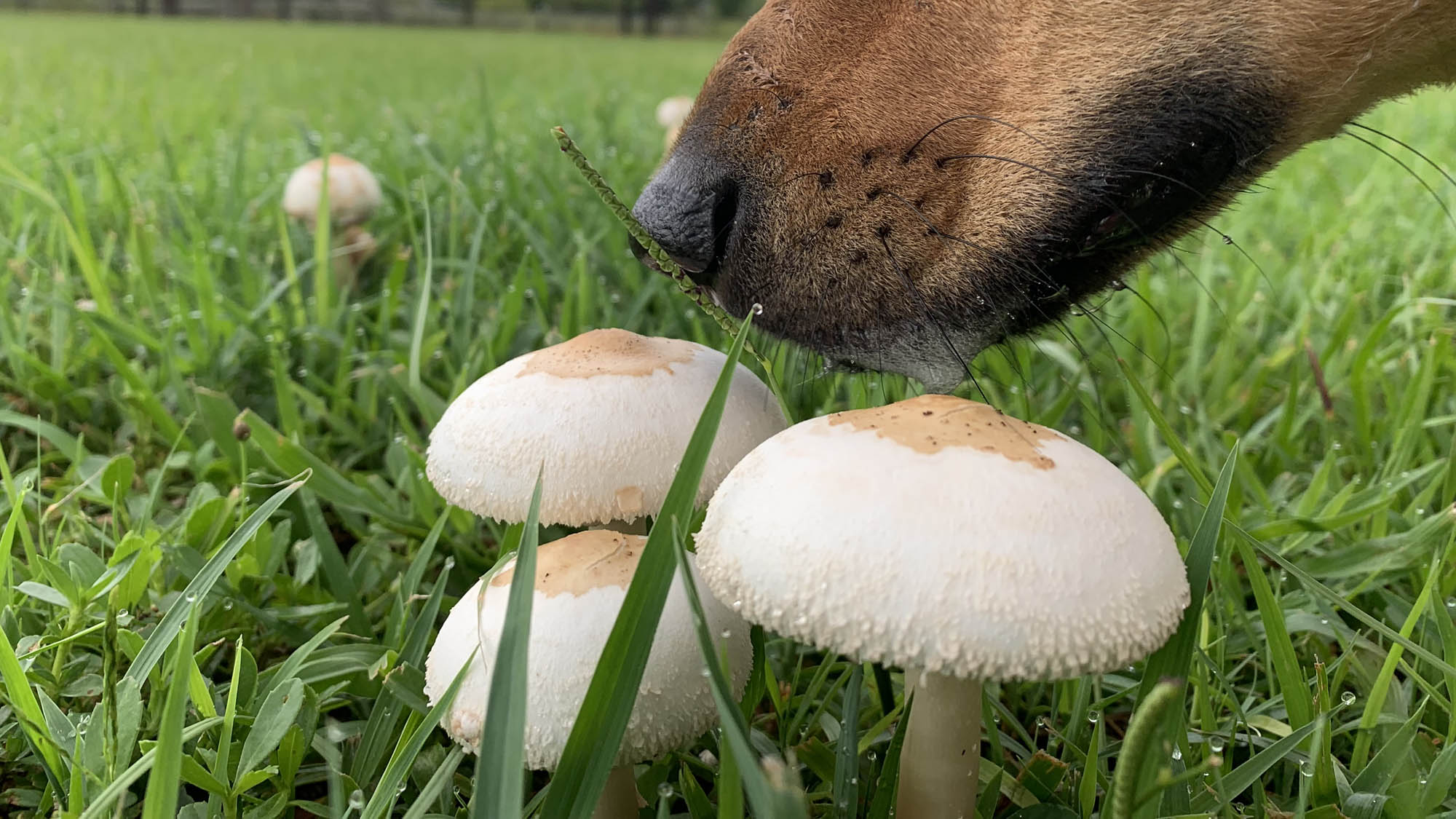
Image Source: homegrown.extension.ncsu.edu
The Hidden World: Mycelium and Its Role
Before we see the visible mushroom, there’s an entire organism working beneath the surface. The true body of a fungus is a network of thin, thread-like structures called mycelium. This underground web is incredibly extensive, often spreading much wider than the visible mushrooms suggest. Mycelium is the primary feeding and growing structure of the fungus. It breaks down organic matter in the soil, absorbing nutrients.
When conditions are favorable – typically after periods of rain, when the soil is moist and the temperature is moderate – the mycelium shifts its energy towards reproduction. This is when it produces the familiar fruiting bodies we know as mushrooms. Think of the mushroom as the “fruit” of the fungal plant, designed to release spores for new growth.
What Makes the “Perfect Storm” for Yard Mushrooms?
Several key factors contribute to the appearance of mushrooms in grass. These mushroom growth factors create the ideal environment for the mycelium to produce fruiting bodies.
Moisture: The Critical Ingredient
Water is paramount for mushroom development. Mycelium needs consistent moisture to survive and grow, but the fruiting bodies, in particular, require a significant surge of water to push through the soil. This is why you often see mushrooms appear after heavy rainfall or prolonged periods of damp weather.
- Rainfall: A good soaking rain is often the trigger.
- Dew and Humidity: High humidity and heavy morning dew can also provide enough moisture.
- Irrigation: Overwatering or inconsistent watering can create localized damp spots conducive to mushroom growth.
Food Sources: What Mycelium Eats
Mushrooms are decomposers. They feed on dead organic material present in the soil. Your lawn, with its thatch layer (dead grass blades), fallen leaves, and decaying plant matter, is a veritable buffet for these organisms.
- Thatch Layer: A thick layer of thatch provides ample decaying grass and plant material.
- Decomposing Wood: Buried roots, old stumps, buried construction debris, or even woody material in mulch can be food sources.
- Animal Waste: Droppings from pets or wildlife can also provide nutrients.
- Rich Soil: Lawns with a high organic content are more likely to host fungi.
Temperature: The Right Climate
While fungi can exist in a range of temperatures, specific species have optimal temperature ranges for fruiting. Generally, moderate temperatures, neither too hot nor too cold, are best. This is why mushrooms are most common in spring and fall.
- Spring: Warming soil after winter dampness.
- Fall: Cooling temperatures after summer heat, coupled with autumn rains.
- Summer: Can occur during cooler, wet spells, but extreme heat often inhibits growth.
- Winter: Dormant in colder climates, but may appear in milder regions if conditions are right.
Soil Conditions for Mushrooms
The type and health of your soil play a significant role in supporting yard fungi.
- Soil Structure: Well-aerated soil can be good, but compacted areas that retain moisture can also be prime spots.
- pH Levels: While many fungi are adaptable, some prefer slightly acidic or alkaline conditions.
- Organic Matter: As mentioned, abundant organic matter is key.
Natural Mushroom Reproduction: Spreading the Spores
The mushroom itself is the reproductive structure. When a mushroom matures, it releases microscopic spores, which are analogous to seeds in plants. These spores are carried by wind, water, insects, or even animals. When they land in a suitable environment with the right food and moisture, they can germinate and begin to form new mycelium, continuing the life cycle.
This natural process explains why mushrooms can reappear in the same areas year after year, or why they might suddenly appear in a new part of the yard if spores have been transported there.
Types of Yard Mushrooms: What Are You Seeing?
There are hundreds of species of fungi that can grow in lawns, ranging from the beneficial to the potentially problematic. Identifying types of yard mushrooms is crucial for determining their impact on your lawn.
Common Lawn Mushrooms
Many common lawn mushrooms are saprophytic, meaning they feed on dead organic matter and are not harmful to healthy grass. In fact, their presence can indicate a healthy soil ecosystem.
| Mushroom Type | Appearance | Habitat | Notes |
|---|---|---|---|
| Field Mushrooms | White to brown caps, gills underneath, stalk. | Open lawns, pastures, compost piles. | Often edible, but identification is critical. |
| Ink Caps | Slender stalks, delicate white or gray caps. | Lawns, gardens, wooded areas. | Caps often “melt” into an inky liquid as they age. Generally harmless. |
| Puffballs | Spherical or pear-shaped, no distinct stalk. | Lawns, fields, often in fairy rings. | Young puffballs are edible when pure white inside. |
| Coprinellus Species | Small, brown caps, often clustered. | Lawns, mulch beds, decaying wood. | Part of the ink cap family. |
| Agaricus Species | Classic mushroom shape, brown gills. | Lawns, meadows, woods. | Includes edible and toxic varieties. |
| Marasmius Species | Small, delicate, often with tough stalks. | Lawns, leaf litter. | Some are known to cause fairy rings. |
| Morels (Rare) | Distinctive honeycomb-like cap, hollow stem. | Wooded areas, sometimes near specific trees. | Highly sought after edible mushroom, but very specific habitat requirements. |
Fairy Rings
One of the most noticeable phenomena associated with yard fungi is the fairy ring. This is a circular or arc-shaped band of darker green grass, mushrooms, or both. The ring is formed by the outward growth of the mycelium. As the mycelium expands underground, it consumes organic matter, which initially fertilizes the grass, causing it to grow faster and darker. Eventually, the mycelium depletes the nutrients in that area, leading to a band of dead or dormant grass, followed by another band of healthy growth where the mycelium is actively feeding.
- Cause: Growth of fungal mycelium radiating outwards from a central point.
- Appearance: Rings of darker green grass, mushrooms, or brown, dead grass.
- Impact: Primarily aesthetic, but severe fairy rings can damage turf.
Mushroom Cultivation in Grass: It’s Not Intentional, It’s Environmental
When we talk about mushroom cultivation in grass, it’s important to clarify that this isn’t usually a deliberate act by the homeowner. Instead, it’s the environment in the lawn inadvertently providing the ideal conditions for wild fungi to establish and reproduce. Mycelium is often already present in the soil, dormant until the right combination of moisture, food, and temperature arrives.
To encourage or discourage mushrooms, you essentially need to manipulate these environmental factors.
Identifying Lawn Mushrooms: Safety First!
While many lawn mushrooms are harmless, some can be toxic. Identifying lawn mushrooms accurately is paramount. Never consume a wild mushroom unless you are 100% certain of its identification by a trained expert.
-
Key Identification Features:
- Cap: Shape, color, texture, presence of scales or warts.
- Gills/Pores: Color, spacing, attachment to the stem.
- Stem (Stipe): Color, texture, presence of a ring (annulus) or a volva (cup-like structure at the base).
- Spore Print: The color of the spores when deposited on a surface (often white, brown, or black).
- Habitat: Where the mushroom is growing (e.g., on wood, in grass, near specific trees).
- Bruising: Some mushrooms change color when bruised.
-
Resources for Identification:
- Field Guides: Local mushroom field guides are invaluable.
- Online Resources: Reputable mycological societies or university extension websites.
- Expert Consultation: Local mycologists or experienced mushroom hunters.
Important Note: Many poisonous mushrooms closely resemble edible ones. When in doubt, throw it out!
Benefiting from Beneficial Lawn Fungi
It’s not all about the unsightly mushrooms. Beneficial lawn fungi play a vital role in maintaining a healthy turf ecosystem.
Mycorrhizal Fungi
These are symbiotic fungi that form a relationship with plant roots. The fungal hyphae (threads) extend far beyond the reach of the plant’s roots, efficiently absorbing water and nutrients (especially phosphorus and nitrogen) from the soil and delivering them to the plant. In return, the plant provides the fungi with sugars produced through photosynthesis.
- Benefits of Mycorrhizal Fungi:
- Improved Nutrient Uptake: Enhanced absorption of phosphorus, nitrogen, and micronutrients.
- Increased Drought Tolerance: Better water absorption for the grass.
- Enhanced Root Development: Stronger and more extensive root systems.
- Disease Resistance: Can help protect grass from soil-borne pathogens.
- Improved Soil Structure: Mycelial networks help bind soil particles together.
While you won’t see these fungi as mushrooms, they are crucial for a resilient and healthy lawn. Their presence is often indicated by the overall vigor and health of your turf.
Decomposer Fungi
As discussed earlier, many yard fungi are decomposers. They are essential for breaking down dead organic matter, such as fallen leaves, thatch, and dead plant material. This process recycles nutrients back into the soil, making them available for living plants. Without these decomposers, organic matter would accumulate, and nutrient cycles would be disrupted.
Managing Lawn Mushrooms: What to Do When They Appear
Most of the time, mushrooms in the lawn are a sign of a healthy, albeit moist, environment with plenty of organic matter. They rarely cause significant harm to the grass itself. However, if you wish to reduce their appearance or manage them for aesthetic reasons, here are some strategies:
Cultural Practices for Mushroom Control
The most effective way to manage lawn mushrooms is through good lawn care practices that alter the conditions they favor.
- Reduce Thatch: A thick thatch layer provides food and shelter. Dethatch your lawn regularly (aeration also helps).
- How-To: Use a power dethatcher or a manual rake to lift and remove matted grass clippings and dead organic matter.
- Improve Drainage: Standing water or overly saturated soil encourages fungal growth.
- Solutions: Aerate compacted areas, consider installing drainage systems if persistent waterlogging is an issue.
- Water Appropriately: Avoid overwatering. Water deeply but infrequently, allowing the soil surface to dry out between waterings.
- Timing: Water in the morning so grass can dry before evening.
- Remove Debris: Rake up fallen leaves and other organic debris promptly.
- Address Underlying Issues: If mushrooms consistently appear in specific spots, investigate potential buried wood or other organic matter.
Physical Removal
If you simply want the mushrooms gone, physical removal is the easiest method.
- Method: Simply pick the mushrooms by hand or use a shovel to scoop them up.
- Disposal: Compost them if they are not likely poisonous, or bag them and dispose of them in the trash to prevent spore dispersal.
Chemical Treatments (Use with Caution)
Chemical fungicides are available, but they are generally not recommended for cosmetic mushroom control.
- Why Caution is Needed:
- Effectiveness: Fungicides target specific fungal diseases, not necessarily all types of saprophytic fungi that cause mushrooms. They may not be effective and can be costly.
- Environmental Impact: Fungicides can harm beneficial soil microorganisms, including mycorrhizal fungi.
- Targeting: You’d need to know the specific fungus causing the issue, which is difficult.
If you suspect a disease is causing widespread fungal issues (like brown patches or dollar spot), then a targeted fungicide for that specific disease might be appropriate, but this is different from simply removing mushrooms.
Frequently Asked Questions (FAQ)
Q1: Are mushrooms in my yard dangerous?
A1: Most lawn mushrooms are not dangerous to your lawn. However, some species are poisonous if ingested by pets or humans. It is crucial to never eat wild mushrooms from your yard unless positively identified by an expert. Keep pets and children away from mushrooms.
Q2: Can I encourage mushrooms to grow in my yard?
A2: While you can’t directly “cultivate” wild mushrooms in grass in a controlled manner like you would in a mushroom farm, you can create conditions that are more favorable for certain wild species by increasing organic matter and ensuring consistent moisture. However, this also means you’re more likely to get unwanted mushrooms.
Q3: Why do mushrooms grow in rings?
A3: Mushrooms grow in rings due to the outward radial growth of the underground mycelium. The mycelium spreads in all directions from a starting point, and when conditions are right, it produces fruiting bodies (mushrooms) along its leading edge, forming a circle or arc.
Q4: Do mushrooms harm my grass?
A4: Generally, no. The mushrooms themselves are temporary structures. The underlying mycelium is feeding on dead organic matter, which is usually beneficial. In the case of fairy rings, the inner part of the ring can have super-fertilized grass, while the outer edge might show some temporary stress as the mycelium depletes nutrients, but this is rarely severe damage.
Q5: How do I get rid of mushrooms in my yard permanently?
A5: It’s virtually impossible to permanently eliminate all yard fungi because their spores are ubiquitous and their mycelium exists in most soils. The best approach is to manage the conditions that encourage mushroom fruiting by reducing thatch, improving drainage, and watering correctly. Consistent good lawn care is your best defense.
Q6: What are “fairy rings”?
A6: Fairy rings are circular patterns of mushrooms or differently colored grass that appear in lawns and fields. They are caused by the underground growth of fungal mycelium, which spreads outwards from a central point.
Q7: Are there beneficial fungi in my lawn?
A7: Yes! Mycorrhizal fungi are essential beneficial lawn fungi that form symbiotic relationships with grass roots, helping them absorb water and nutrients. Decomposer fungi are also beneficial as they break down organic matter, recycling nutrients back into the soil.
Q8: What is the best time of year for mushrooms to grow?
A8: Mushrooms typically appear most frequently in spring and fall, as these seasons often provide the ideal combination of moisture and moderate temperatures for fungal growth.
By understanding the intricate life cycle of fungi and the environmental factors that influence their appearance, you can better appreciate the natural processes occurring in your yard and manage the presence of lawn mushrooms effectively. While they may seem mysterious, these humble growths are a testament to a living, breathing soil ecosystem.