
Can you plant marigolds in your vegetable garden? Absolutely! Marigolds are fantastic additions to any vegetable garden, offering a surprising array of benefits that go far beyond their cheerful blooms. These hardy flowers are not just pretty faces; they are powerful allies for your edible crops, acting as a natural pest deterrent, a key component of companion planting, and a booster for soil health.
The practice of companion planting has been around for centuries, and marigolds are a star player in this gardening strategy. By strategically placing certain plants together, gardeners can create a more robust and productive ecosystem. Marigolds, with their distinctive scent and chemical compounds, are exceptionally good at deterring common garden pests that can wreak havoc on your precious vegetables. This natural method of pest deterrent means less reliance on chemical sprays and a healthier garden overall.
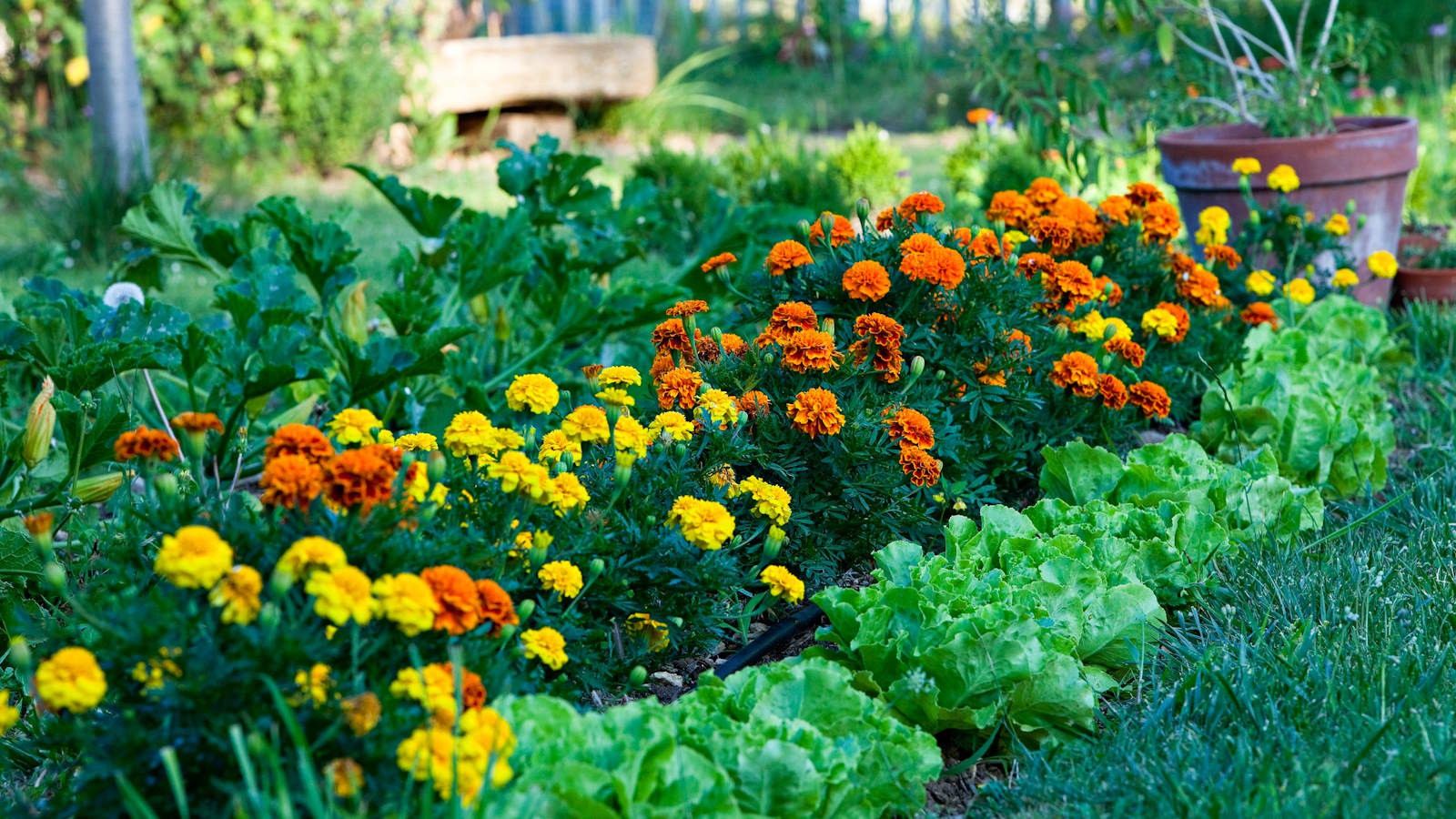
Image Source: cdn.mos.cms.futurecdn.net
The Power of Marigolds: A Natural Shield for Your Veggies
Marigolds are more than just a splash of color; they are a gardener’s secret weapon against unwanted visitors. Their vibrant flowers and unique scent serve a crucial purpose in protecting your vegetables. Let’s delve into the multifaceted advantages these flowers bring to your vegetable patch.
Pest Deterrent Qualities: Keeping the Bad Guys Away
One of the most significant reasons to welcome marigolds into your vegetable garden is their remarkable ability to keep pests at bay. Many common garden nuisances find the scent and chemical compounds produced by marigolds highly unpleasant.
Specific Pests Marigolds Repel
- Aphids: These tiny, sap-sucking insects can multiply rapidly and weaken young plants. Marigolds are renowned as an effective aphid repellent. Their strong fragrance masks the scent of host plants, making it harder for aphids to find them. Some varieties are particularly effective.
- Whiteflies: Similar to aphids, whiteflies feed on plant sap and can transmit viruses. The pungent aroma of marigolds can deter these delicate flying insects.
- Tomato Hornworms: These large, voracious caterpillars can strip tomato plants bare in a single night. Planting marigolds nearby can help ward them off, reducing the likelihood of infestations.
- Mexican Bean Beetles: These metallic blue-green beetles are a menace to bean crops. Marigolds can act as a barrier, discouraging them from settling on your bean plants.
- Spider Mites: These microscopic pests spin webs and cause stippling on leaves. The oils in marigold foliage are thought to deter spider mites.
How Marigolds Work Their Magic
Marigolds release certain volatile compounds from their roots and foliage. These compounds can disrupt the feeding and reproductive cycles of various pests. For instance, the scent acts as a masking agent, confusing insects that rely on scent to locate their food sources. This makes your vegetables less appealing and harder to find.
Nematode Control: A Root-Level Defense
Beyond deterring flying and crawling insects, marigolds offer a unique benefit at the root level: nematode control. Nematodes are microscopic roundworms that live in the soil, and some species are plant parasites, attacking plant roots and causing stunted growth, wilting, and reduced yields.
The Science Behind Nematode Repulsion
Certain varieties of marigolds, particularly French marigolds ( Tagetes patula ), are known to produce compounds called thiophenes. When these marigolds are planted, their roots release these thiophenes into the soil. These compounds are toxic to many common plant-parasitic nematodes, effectively killing them or repelling them from the root zone of your vegetables.
- How Thiophenes Work: Thiophenes interfere with the respiration of nematodes, essentially suffocating them. This makes the soil a less hospitable environment for these damaging organisms.
- Best Varieties for Nematode Control: French marigolds are widely recognized as the most effective for nematode control. Varieties like ‘Nemafest’ and ‘Bonanza’ are often cited for their potent nematode-repelling properties.
- Incorporating Marigolds for Soil Health: For maximum benefit, marigolds can be planted as a cover crop and then tilled into the soil after a growing season. This process, known as biofumigation, releases the thiophenes directly into the soil, further enhancing soil health and reducing nematode populations for subsequent crops.
Attracting Beneficial Insects: Allies in the Garden
While marigolds deter pests, they also play a crucial role in attracting beneficial insects. These are the natural predators and pollinators that contribute to a healthy and balanced garden ecosystem.
Pollinators and Predators
- Pollinators: Bees, butterflies, and other pollinators are drawn to the bright, sunny colors of marigolds. These pollinators are essential for the fruit set of many vegetables, such as tomatoes, cucumbers, and squash. By planting marigolds, you are indirectly boosting the productivity of your vegetable crops by ensuring they are adequately pollinated.
- Predatory Insects: Ladybugs, lacewings, and hoverflies are natural predators of common garden pests like aphids. Marigolds provide nectar and pollen, which these beneficial insects need to survive and reproduce. A garden with a healthy population of beneficial insects acts as a natural pest control system.
Enhancing Soil Health: More Than Just Nutrients
The benefits of marigolds extend beneath the surface, positively impacting soil health in several ways. Their root systems and the compounds they release contribute to a more robust and fertile soil environment.
Root Systems and Organic Matter
- Improving Soil Structure: The fibrous root systems of marigolds help to break up compacted soil, improving aeration and drainage. This makes it easier for vegetable roots to grow and access water and nutrients.
- Adding Organic Matter: As marigolds decompose after their growing season, they add valuable organic matter to the soil. This organic matter improves soil fertility, water retention, and the overall structure of the soil.
- Nutrient Cycling: By drawing up certain nutrients from deeper soil layers, marigolds can make them more accessible to shallower-rooted vegetables when the marigold plant decomposes.
Disease Prevention: A Healthy Barrier
Marigolds can also contribute to disease prevention in the vegetable garden. While not a cure-all, their presence can create an environment that is less conducive to certain fungal and bacterial diseases.
Mitigating Fungal and Bacterial Issues
- Allelopathic Properties: Some research suggests that marigolds possess allelopathic properties, meaning they can release biochemicals that inhibit the growth of certain pathogens or competing plants.
- Reducing Moisture and Airflow: When planted strategically, marigolds can help to improve airflow around vegetable plants, reducing the moisture buildup on leaves that can encourage fungal diseases like powdery mildew. They can also act as a physical barrier, preventing soil-borne pathogens from splashing onto lower leaves.
Marigold Varieties and Their Roles in the Vegetable Garden
Not all marigolds are created equal when it comes to their benefits for vegetable gardens. Understanding the different types can help you choose the best companion flowers for your needs.
French Marigolds (Tagetes patula)
These are the workhorses of the marigold world for vegetable gardeners. They are compact, prolific bloomers, and widely recognized for their pest-repelling and nematode control capabilities.
- Key Benefits: Excellent aphid repellent, effective nematode control, deters whiteflies and tomato hornworms.
- Appearance: Typically grow 6-18 inches tall, with single or double blooms in shades of yellow, orange, red, and mahogany.
- Recommended Varieties: ‘Bonanza’ series, ‘Nemafest’, ‘French Brocade’ series.
African Marigolds (Tagetes erecta)
While they may not be as potent for nematode control as their French cousins, African marigolds are still valuable companion flowers in the vegetable garden. They are taller and have larger blooms.
- Key Benefits: Deters some pests with their scent, attracts beneficial insects, and provides a beautiful visual contrast.
- Appearance: Can grow 2-3 feet tall, with large, dense, pom-pom like flowers in shades of yellow and orange.
- Recommended Varieties: ‘Crackerjack’ series, ‘Inca’ series.
Signet Marigolds (Tagetes tenuifolia)
These are smaller, more delicate marigolds with a distinct citrusy scent. They are less commonly cited for pest control but are excellent for attracting pollinators.
- Key Benefits: Attracts pollinators, adds a delicate beauty.
- Appearance: Grow 8-12 inches tall, with small, single flowers in shades of yellow, orange, and red, often with intricate patterns.
- Recommended Varieties: ‘Gem’ series, ‘Paprika’.
Implementing Marigolds in Your Vegetable Garden: Practical Tips
Integrating marigolds into your vegetable garden is a straightforward process with significant rewards. Here are some practical tips to maximize their benefits.
Strategic Placement: Maximizing Companion Planting Benefits
The placement of your marigolds is key to leveraging their companion planting advantages.
- Interplanting: Plant marigolds directly amongst your vegetable crops. This allows their roots to interact with the soil and their scent to deter pests from nearby vegetables. For example, plant a row of marigolds every few rows of carrots or beets, or place a few plants around your tomato or pepper plants.
- Border Planting: Create a living fence or border around your vegetable garden with marigolds. This can act as a deterrent for pests attempting to enter the garden.
- Container Gardening: Even in containers, marigolds can provide natural pest control for individual plants like herbs or a single tomato.
Companion Marigolds for Specific Vegetables
Different marigold varieties can be paired with specific vegetables for optimal results.
| Vegetable | Recommended Marigold Varieties | Specific Benefits |
|---|---|---|
| Tomatoes | French Marigolds | Aphid repellent, deters tomato hornworms, nematode control, attracts pollinators. |
| Peppers | French Marigolds | Aphid repellent, nematode control. |
| Beans | French Marigolds | Deters Mexican bean beetles, aphid repellent. |
| Cucumbers | French Marigolds | Aphid repellent, deters cucumber beetles. |
| Squash | French Marigolds | Aphid repellent, attracts pollinators. |
| Carrots | French Marigolds | Nematode control, deters carrot rust flies. |
| Potatoes | French Marigolds | Nematode control, deters potato beetles. |
| Broccoli/Cabbage | French Marigolds | Aphid repellent, deters cabbage moths. |
Planting and Care
Marigolds are generally easy to grow and care for.
- Starting Seeds: Marigolds can be started from seed indoors about 6-8 weeks before the last frost. They can also be sown directly into the garden after the danger of frost has passed.
- Sunlight: Marigolds thrive in full sun, requiring at least 6-8 hours of direct sunlight per day.
- Soil: They are not particularly fussy about soil type but prefer well-draining soil. Adding compost will improve their growth and beneficial properties.
- Watering: Water regularly, especially when young, but avoid overwatering. Once established, they are quite drought-tolerant.
- Deadheading: Regularly removing spent blooms (deadheading) encourages more flowering and prolongs the blooming season, ensuring their continuous benefit to the garden.
Marigolds as Cover Crops for Soil Health and Nematode Control
For serious nematode control and long-term soil health improvement, marigolds can be grown as a dedicated cover crop.
- Planting: Sow seeds densely in late spring or early summer after your main vegetable harvest or in an empty bed. French marigolds are the preferred choice here.
- Growth: Allow the marigolds to grow for at least 60-90 days. During this time, their roots will release thiophenes into the soil, actively working to kill nematodes.
- Incorporation: Before the marigolds go to seed, till the entire plant – roots, stems, and leaves – into the soil. This process releases the beneficial compounds directly into the soil, further boosting soil health and creating a clean slate for your next planting. This is a fantastic example of natural pest control.
Frequently Asked Questions About Marigolds in Vegetable Gardens
Q1: What is the best type of marigold for pest control?
French marigolds (Tagetes patula) are generally considered the most effective for pest control, particularly for deterring nematodes and repelling aphids.
Q2: Can I plant marigolds next to my tomatoes?
Yes, planting marigolds next to tomatoes is highly recommended. They act as companion planting, repelling pests like tomato hornworms and aphids, and improving the overall health of the tomato plants.
Q3: Do marigolds really control nematodes?
Yes, certain varieties of French marigolds release compounds called thiophenes from their roots, which are toxic to many common plant-parasitic nematodes. This makes them an excellent natural method for nematode control.
Q4: What other flowers can I plant with marigolds for companion planting?
Other beneficial companion flowers that work well in vegetable gardens include nasturtiums (which can act as a trap crop for aphids), calendula, and zinnias (which attract pollinators and beneficial insects).
Q5: Do marigolds help with fungal diseases?
While not a primary function, marigolds can indirectly contribute to disease prevention by improving airflow around plants and potentially having some allelopathic properties that inhibit pathogen growth.
Q6: How far apart should I plant marigolds for maximum benefit?
For companion planting, intersperse marigolds every 2-3 feet among your vegetables. For border planting, a dense row around the perimeter is effective. If using them as a cover crop for nematode control, plant them densely.
Q7: What is natural pest control?
Natural pest control refers to methods of managing pests without using synthetic chemical pesticides. This includes using beneficial insects, companion planting, crop rotation, physical barriers, and plants like marigolds that have inherent pest deterrent properties.
Q8: Are marigolds insect repelling plants?
Yes, marigolds are a prime example of insect repelling plants. Their strong scent and chemical compounds deter a variety of common garden pests, making them valuable allies in natural pest control.
Q9: Do marigolds attract beneficial insects?
Absolutely! The vibrant blooms of marigolds are a magnet for pollinators like bees and butterflies, and they also attract predatory insects such as ladybugs and lacewings, which help keep pest populations in check.
Q10: Can I use marigolds as an organic pest control method?
Indeed. Marigolds are a cornerstone of organic gardening practices, providing natural pest control and contributing to a healthier garden ecosystem without the use of synthetic chemicals. Their role in companion planting and nematode control is highly valued in organic systems.