
Have you looked out at your lawn and seen a surprising number of mushrooms popping up? Yes, it’s normal to see mushrooms in your yard, especially after rain. This increase in yard fungi is often a sign that your soil is healthy and teeming with life, though it can also point to specific environmental conditions. Let’s explore why you might be seeing so many lawn mushrooms and what it means for your outdoor space.
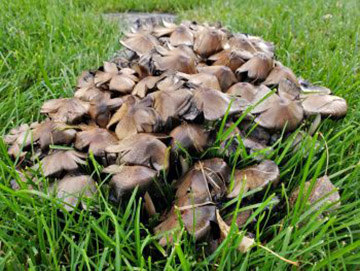
Image Source: organolawn.com
Fathoming Fungal Growth: The Root of the Matter
Mushrooms are simply the fruiting bodies of fungi. The real work happens underground, where a vast network of thread-like structures called mycelium spreads through the soil. This mycelium is the main part of the fungus and is responsible for breaking down organic material and absorbing nutrients. When conditions are just right, the mycelium produces mushrooms to release spores and begin the reproductive cycle.
The Role of Decomposing Organic Matter
One of the primary reasons for abundant fungal growth in a yard is the presence of decomposing organic matter. Think of your soil as a pantry for fungi. They are nature’s recyclers, diligently breaking down dead leaves, grass clippings, fallen twigs, and even buried wood.
- Leaves and Mulch: A thick layer of fallen leaves or mulch provides a rich food source for fungi. As these materials decompose, they release nutrients into the soil, supporting the growth of the fungal network.
- Dead Grass and Thatch: If your lawn has a significant layer of thatch (a dense layer of dead and living grass shoots, stems, and roots), it acts as an excellent substrate for fungi.
- Buried Wood: Old tree stumps, roots, or even wood chips used in landscaping can harbor extensive fungal colonies for years, often leading to mushroom appearances nearby.
- Animal Waste: If pets frequent your yard, their droppings also provide organic matter that fungi can consume.
Essentially, the more organic material your soil has to work with, the more fungal activity you’re likely to see, and consequently, more mushrooms.
The Importance of Soil Moisture
Water is crucial for all life, and fungi are no exception. Adequate soil moisture is a key driver for mushroom production.
- Rainfall: After periods of heavy rain or consistent watering, the soil becomes saturated. This moisture triggers the mycelium to shift from vegetative growth to reproductive growth, resulting in the emergence of mushrooms.
- Humidity: High humidity levels, often accompanying rainy weather, also play a role. They help prevent the delicate mushroom caps from drying out, allowing them to mature and release spores.
- Shady Areas: Shady areas in your yard tend to retain moisture longer than sunny spots. This can lead to a higher concentration of mushrooms in these cooler, damper locations.
- Inconsistent Watering: Ironically, periods of drought followed by heavy watering can also stimulate mushroom growth. The sudden influx of water signals to the fungi that it’s time to reproduce.
Soil Type and Compaction
While not as direct a cause as organic matter or moisture, the type of soil and its condition can indirectly influence fungal growth.
- Clay Soils: Clay soils tend to hold moisture for longer periods, which can be beneficial for fungi. However, if they become compacted, drainage can be poor, creating consistently damp conditions that favor certain types of yard fungi.
- Sandy Soils: Sandy soils drain quickly and may not retain enough moisture for extensive fungal activity unless frequently watered.
- Soil Compaction: Compacted soil restricts air circulation and water penetration. While this might seem counterintuitive, it can create pockets of anaerobic (oxygen-poor) conditions that some fungi thrive in. It also makes it harder for grass to grow, leaving more bare patches for fungi to colonize.
Temperature Fluctuations
While not the primary driver, temperature changes can influence when you see mushrooms. Many common lawn mushrooms prefer moderate temperatures.
- Spring and Fall: These seasons often bring the ideal combination of rain and moderate temperatures, making them prime times for mushroom appearances.
- Summer: While heat can dry out the soil and inhibit mushroom growth, occasional summer thunderstorms can still lead to a flush of fungi.
Deciphering Different Types of Yard Mushrooms
The appearance of mushrooms can vary wildly. Knowing some common types of yard mushrooms can help you better understand what’s happening in your lawn. It’s important to remember that while some are harmless, others can be toxic, so mushroom identification is crucial if you have pets or small children.
Common Lawn Mushrooms and Their Characteristics
| Mushroom Type | Appearance | Preferred Conditions | Notes |
|---|---|---|---|
| Meadow Mushroom | White to light brown cap, gills that turn pink then brown with age. Solitary or in clusters. | Rich soil, lawns, pastures. | Edible varieties exist, but lookalikes can be poisonous. |
| Ink Cap | Tall, slender, bell-shaped cap that ages into an inky liquid. | Lawns, disturbed soil, decaying organic matter. | Not typically considered desirable in a lawn. |
| Puffball | Round or pear-shaped, with no discernible stem or cap. White when young, turns brown. | Damp soil, often in lawns, gardens, and meadows. | Young, firm puffballs are edible. Older ones can be poisonous. |
| Shiitake (less common in lawns) | Brown, umbrella-shaped cap, white gills. | Primarily on dead hardwood logs, but can appear in mulched areas. | Highly prized edible mushroom. |
| False Truffles | Irregular, lumpy shapes, often underground or just beneath the surface. | Various soils, often associated with trees. | Primarily a nuisance; can be smelly. |
| Deadly Galerina | Small, brown cap, thin stem, often grows in clusters. | Decaying wood, mulch, tree stumps. | EXTREMELY POISONOUS. Do not touch or consume. |
Important Note: Accurate mushroom identification can be challenging. Never consume a wild mushroom unless you are 100% certain of its species and edibility. Many poisonous mushrooms closely resemble edible ones.
Fairy Rings: A Mystical Phenomenon
One of the most intriguing manifestations of fungal growth in yards is the formation of fairy rings. These are circular or arc-shaped clusters of mushrooms, and sometimes even a darker green ring of grass.
- How They Form: Fairy rings develop as the underground mycelium of certain fungi grows outwards from a central point. As the mycelium expands, it exhausts the nutrients in the soil it has already colonized. It then continues to grow outwards, seeking new food sources. The mushrooms that appear are the reproductive structures, often emerging at the outer edge of the expanding mycelial ring.
- The Grass Ring: The darker green grass within or around a fairy ring is often due to the fungi releasing nitrogen as they break down organic matter. This excess nitrogen fertilizes the grass, making it appear lusher and greener. Conversely, in very dry conditions, the outward-growing mycelium can deplete the soil’s moisture, causing the grass within the ring to die off, creating a brown circle.
- Common Culprits: Many different types of fungi can cause fairy rings, including species of Marasmius, Lycorus, and Agaricus.
While visually striking, fairy rings are generally a harmless sign of a healthy, albeit unevenly colonized, soil ecosystem.
Addressing the Mushroom Invasion: Mushroom Control and Prevention
For many homeowners, the presence of numerous mushrooms is more of an aesthetic concern or a worry about toxicity rather than a sign of soil health. If you’re looking for mushroom control or mushroom prevention, here are some strategies:
Strategies for Mushroom Control
Directly killing the mushrooms is often a temporary fix. The real goal is to address the underlying conditions that promote fungal growth.
- Remove the Mushrooms: The simplest and most immediate solution is to pick the mushrooms by hand or mow them down. This prevents them from releasing spores and spreading further, and also removes them from sight. Dispose of them properly in a sealed bag, ideally in the trash, to prevent spore dispersal.
- Improve Drainage: If your yard tends to stay waterlogged, improving drainage can help. Aerating compacted soil allows for better air and water movement, making conditions less favorable for many mushroom-producing fungi. Consider core aeration if your lawn is particularly dense.
- Reduce Organic Matter: Regularly rake up fallen leaves and grass clippings. Avoid overly thick layers of mulch, especially around tree trunks. If you have old stumps or buried wood, consider removing them.
Strategies for Mushroom Prevention
Prevention focuses on creating a less hospitable environment for the fungi that produce mushrooms.
-
Proper Lawn Care:
- Mow Regularly: Keep your grass at the recommended height for your grass type. This helps the grass canopy shade the soil, keeping it cooler and less hospitable to some fungi.
- Water Wisely: Water your lawn deeply but infrequently. This encourages deeper root growth for your grass and allows the surface to dry out between waterings, which is less ideal for surface-level fungal activity. Avoid watering late in the evening, as prolonged moisture on the grass blades and soil surface can encourage fungal growth.
- Fertilize Appropriately: Over-fertilizing, especially with nitrogen-rich fertilizers, can sometimes lead to more vigorous fungal growth. Follow a balanced fertilization schedule.
-
Address Thatch Buildup: A thatch layer thicker than half an inch can be a breeding ground for fungi. Dethatch your lawn annually or as needed to remove this excess organic material.
-
Sunlight Exposure: If certain areas of your yard are constantly shaded and damp, consider pruning nearby trees and shrubs to allow more sunlight to reach the ground. More sunlight helps the soil dry out more quickly.
-
Soil Aeration: Regularly aerating your lawn improves air circulation and water penetration. This breaks up compacted soil, which can indirectly discourage certain types of fungal growth.
-
Remove Dead Wood: As mentioned, decaying wood is a prime food source. Remove any dead trees, fallen branches, or rotting wood from your yard.
-
Manage Pet Waste: Promptly clean up after pets to remove potential food sources for fungi.
When to Be Concerned
While most mushrooms in the yard are harmless, there are a few situations where you might want to take extra precautions:
- Toxicity: If you have pets or young children who might be tempted to eat mushrooms, it’s essential to be vigilant. Mushroom identification is key here. If you suspect a particularly dangerous species, consider consulting with a local mycologist or extension office.
- Excessive Thatch: A very thick thatch layer can be detrimental to lawn health, making it more susceptible to diseases and insect infestations, in addition to fostering mushrooms.
- Poor Drainage: Persistent waterlogged areas can weaken your turfgrass and create ideal conditions for a wider range of fungal issues.
Frequently Asked Questions (FAQ)
Are mushrooms in my yard bad for my grass?
Generally, no. Mushrooms are a sign of a healthy soil ecosystem and decomposing organic matter. The fungi that produce mushrooms are often beneficial, breaking down dead material and returning nutrients to the soil. However, very dense fungal growth can sometimes indicate underlying issues like poor drainage or excessive thatch, which can indirectly impact grass health.
Can I eat the mushrooms growing in my yard?
Absolutely not, unless you are a trained expert in mushroom identification. Many common lawn mushrooms have toxic look-alikes that can cause serious illness or even death. It is best to admire them from afar and avoid any consumption.
How do I get rid of mushrooms in my yard permanently?
It’s very difficult to permanently eliminate fungi from your soil, as they are a natural part of the ecosystem. Instead, focus on mushroom prevention by managing the conditions that encourage their fruiting bodies. This includes reducing decomposing organic matter, improving soil moisture management, aerating the soil, and ensuring adequate sunlight.
Why do mushrooms appear after rain?
Rain provides the necessary soil moisture that triggers the underground fungal network (mycelium) to produce mushrooms. Mushrooms are the reproductive structures of the fungus, and moisture is essential for their development and spore dispersal.
What causes fairy rings?
Fairy rings are caused by the outward growth of underground fungal mycelium. As the fungus spreads in a circle, it produces mushrooms at the leading edge of its growth. The variations in grass color often associated with fairy rings are due to the fungi’s impact on soil nutrients and moisture.
Should I be worried about mushrooms if I have pets?
Yes, you should exercise caution if you have pets. Some types of yard mushrooms are highly toxic. Even if the mushrooms themselves are not directly eaten, some pets can ingest spores or mycelium. Regular removal of mushrooms and diligent mushroom identification if you are unsure are recommended.
Is a lot of mushroom growth a sign of a healthy lawn?
A moderate amount of mushroom growth can be an indicator of a healthy soil microbiome with plenty of decomposing organic matter. However, excessive or persistent mushroom outbreaks might signal issues like poor drainage, compacted soil, or an overabundance of thatch, which could stress your lawn. Addressing these underlying conditions through proper lawn care is key.