
Is your trusty riding lawn mower suddenly puffing out smoke? Seeing smoke from your lawnmower smoking can be alarming, but often there’s a clear reason. Yes, you can typically fix a smoking riding lawn mower yourself if you identify the cause. This guide will help you decipher the different colors of smoke and what they mean for your mower.
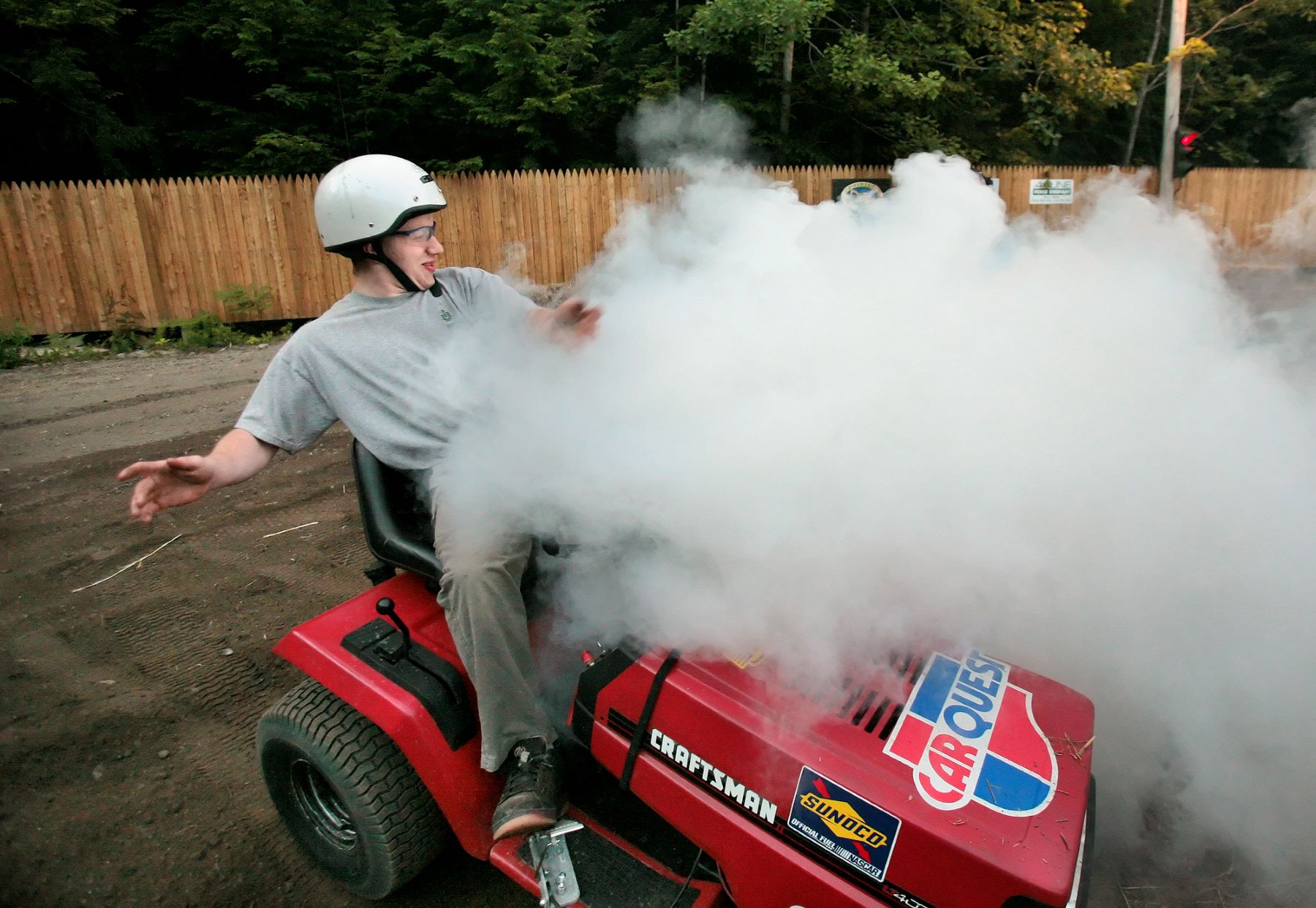
Image Source: www.motorbiscuit.com
Deciphering Smoke Colors: A Visual Guide
The color of the smoke coming from your riding lawn mower’s exhaust is a key indicator of the problem. Each color points to a different type of issue within the engine or fuel system.
Blue Smoke: Burning Oil
If your riding lawn mower is emitting blue smoke, it strongly suggests that oil is getting into the combustion chamber and burning along with the fuel. This is often referred to as burning oil.
Why Blue Smoke Happens
Several things can cause oil to enter the combustion chamber:
- Worn Piston Rings: These metal rings seal the gap between the pistons and the cylinder walls. If they become worn or damaged, oil can seep past them into the combustion chamber.
- Damaged Cylinder Walls: Similar to worn rings, scratched or scored cylinder walls can allow oil to leak into where the combustion occurs.
- Overfilled Oil Reservoir: Adding too much oil to your mower’s engine can cause the oil level to rise too high, allowing it to be drawn into the combustion chamber, especially during operation.
- Faulty Valve Seals: The valves control the flow of fuel and exhaust gases. The valve stems are typically lubricated by oil. If the seals around these valves wear out, oil can drip down the valve stems and into the combustion chamber.
- Tilting the Mower Incorrectly: If you tilt your riding mower the wrong way when performing maintenance (like changing the oil or blades), oil can flow into the carburetor or cylinder, leading to blue smoke when you next start it. Always tilt the mower with the carburetor side up.
Fixing Blue Smoke Issues
Addressing blue smoke involves checking and potentially replacing worn parts:
- Check Oil Level: The simplest fix is to ensure the oil is at the correct level. If it’s overfilled, drain the excess oil.
- Inspect Piston Rings: This is a more involved repair. If you suspect worn piston rings, you might need to remove the cylinder head to inspect them. Replacing them will require disassembling part of the engine.
- Examine Cylinder Walls: Look for any scoring or damage. If the walls are damaged, the engine may need professional attention or replacement.
- Replace Valve Seals: If valve seals are the culprit, this is another repair that often requires removing the cylinder head.
White Smoke: Unburned Fuel or Moisture
White smoke is generally less common than blue or black smoke in riding lawn mowers. It can indicate either unburned fuel escaping the combustion chamber or, more frequently, moisture or coolant entering the combustion process.
Why White Smoke Appears
- Moisture in the Fuel System: Water contamination in your fuel tank or lines can lead to white smoke as the water turns to steam during combustion.
- Coolant Leak (Less Common in Air-Cooled Mowers): While most riding lawn mowers have air-cooled engines, some very large or specialized models might have liquid cooling. A leak in the cooling system could allow coolant to enter the combustion chamber, producing white steam.
- Head Gasket Failure (for liquid-cooled engines): If the head gasket fails on a liquid-cooled engine, coolant can leak into the cylinders.
- Carburetor Issues: A carburetor that is set too rich (too much fuel, not enough air) can lead to incomplete combustion and white smoke, though this often presents as black smoke. However, very rich mixtures can sometimes result in a lighter smoke.
- Condensation: On a cold start, you might see a small amount of white vapor, which is just condensation. This should dissipate quickly.
Fixing White Smoke Problems
The approach to fixing white smoke depends on the cause:
- Drain and Refill Fuel: If you suspect water in the fuel, drain the fuel tank and lines completely and refill with fresh, clean gasoline.
- Check for Coolant Leaks: If your mower is liquid-cooled, carefully inspect the cooling system for any signs of leaks. Repairing a blown head gasket is a significant job.
- Adjust Carburetor: If the carburetor is suspected, it may need cleaning and adjustment or replacement. This is a task best left to those with mechanical experience.
- Allow Mower to Warm Up: For condensation issues, simply allow the mower to run for a few minutes to burn off any internal moisture.
Black Smoke: Rich Fuel Mixture or Carbon Buildup
Black smoke is a sign of incomplete combustion, meaning the engine is getting too much fuel or not enough air. This is often a sign of a mower overheating due to the engine working too hard under these conditions.
Why Black Smoke Occurs
- Clogged Air Filter: A dirty or clogged air filter restricts airflow to the engine. When there’s less air, the fuel-to-air ratio becomes too rich, leading to incomplete burning and black smoke. This is a very common cause.
- Faulty Carburetor: Similar to white smoke, a carburetor that is delivering too much fuel to the engine can cause black smoke. This could be due to a stuck float, incorrect adjustment, or debris.
- Choke Stuck On: If the choke remains partially or fully engaged after the engine has warmed up, it will continuously provide a richer fuel mixture.
- Dirty Spark Plug: A fouled or worn spark plug can lead to weak or inconsistent sparks, causing incomplete fuel combustion.
- Engine Overheating: While black smoke can cause overheating, mower overheating can also worsen black smoke. If the engine is running too hot, it can affect the air-fuel mixture.
- Excessive Load: Trying to cut very tall, thick, or wet grass can put too much strain on the engine, leading to a richer mixture and black smoke.
Fixing Black Smoke Issues
Resolving black smoke usually involves restoring the proper air-fuel balance:
- Clean or Replace Air Filter: This is the most frequent fix for black smoke. Inspect your air filter. If it’s dirty, clean it according to your owner’s manual’s instructions, or replace it if it’s damaged or excessively dirty.
- Inspect and Adjust Carburetor: A dirty or misadjusted carburetor will need cleaning and potentially re-calibration.
- Check Choke Operation: Ensure the choke mechanism is functioning correctly and disengaging as the engine warms up.
- Replace Spark Plug: Examine your spark plug. If it’s black, oily, or worn, replace it with a new one of the correct type.
- Reduce Engine Load: Mow in sections if the grass is too tall or thick, and ensure you’re not overloading the mower.
Other Reasons for Engine Smoking
Beyond the specific colors, other factors can contribute to your engine smoking.
Mower Overheating
Mower overheating can manifest as smoke, and it often exacerbates other smoke-producing issues. When an engine gets too hot, oil can break down, seals can fail, and the fuel mixture can become unstable.
Causes of Overheating
- Blocked Cooling Fins: On air-cooled engines, dust, grass clippings, and debris can clog the cooling fins on the engine block, preventing proper heat dissipation.
- Low Oil Level: Insufficient oil means less lubrication and less cooling for the engine’s moving parts.
- Overworked Engine: Cutting thick, wet grass, or mowing at too high a speed can cause the engine to work harder and hotter.
- Faulty Thermostat (if applicable): If your mower has a thermostat, a malfunctioning one could prevent the engine from cooling effectively.
Preventing and Fixing Overheating
- Clean Cooling Fins Regularly: After each use, blow or brush out debris from the engine’s cooling fins.
- Maintain Proper Oil Level: Always check and top off the oil as needed.
- Adjust Mowing Practices: Mow when the grass is dry, and don’t attempt to cut too much height at once.
- Professional Inspection: If overheating persists, have a mechanic check the cooling system.
Leaks and Spills
Sometimes, lawnmower smoking isn’t due to internal engine problems but rather external spills.
Common Spills
- Fuel Spills: Gasoline spilled on hot engine parts can evaporate and produce smoke.
- Oil Spills: If oil is spilled during an oil change or top-off, it can drip onto hot exhaust components and burn off, creating smoke.
What to Do About Spills
- Clean Thoroughly: If you notice a fuel or oil spill, use an absorbent cloth or paper towels to clean it up immediately.
- Burn Off Residue: If a small amount of oil or fuel landed on a hot exhaust part, it should burn off quickly. However, ensure there’s no lingering flammability risk.
Troubleshooting Steps for a Smoking Riding Lawn Mower
When your riding lawn mower starts smoking, follow these systematic steps to diagnose and fix the problem.
Step 1: Safety First!
- Turn Off the Engine: Immediately stop the engine if you notice smoke.
- Let it Cool: Allow the mower to cool down completely before attempting any inspection or repairs. Hot engine parts can cause severe burns.
- Disconnect Spark Plug: To prevent accidental starting, disconnect the spark plug wire before working on the engine.
Step 2: Identify the Smoke Color
Observe the color of the smoke carefully. This is your primary clue to the problem.
Step 3: Check the Oil Level and Condition
- Locate Dipstick: Find the oil dipstick.
- Check Level: Pull out the dipstick, wipe it clean, reinsert it fully, and then pull it out again. Check the oil level against the markings.
- Inspect Oil Condition: Is the oil dark, sludgy, or milky? Milky oil can indicate coolant contamination.
Step 4: Inspect the Air Filter
- Access Air Filter: Locate the air filter housing.
- Examine Filter: Remove the air filter and check for dirt, debris, or oil saturation.
Step 5: Check the Spark Plug
- Remove Spark Plug: Use a spark plug socket to carefully remove the spark plug.
- Analyze Plug: Look at the color and condition of the electrode. Black, sooty deposits suggest a rich mixture. Oily deposits indicate oil burning.
Step 6: Examine the Fuel System
- Fuel Tank: Check for any signs of water or contamination in the fuel.
- Fuel Lines: Look for kinks or blockages.
Step 7: Consider Recent Maintenance or Usage
- Recent Oil Change: Did the smoking start after an oil change? You might have overfilled it or tilted the mower incorrectly.
- Type of Grass: Were you cutting very tall, wet, or thick grass? This could indicate an overloaded engine.
Step 8: Consult Your Owner’s Manual
Your owner’s manual is an invaluable resource for specific troubleshooting guides related to your mower’s model.
Table: Common Smoke Causes and Solutions
| Smoke Color | Likely Cause(s) | Potential Fixes |
|---|---|---|
| Blue | Burning Oil | Check and correct oil level; Inspect/replace piston rings; Check/replace valve seals; Check cylinder walls. |
| White | Moisture in fuel; Coolant leak; Carburetor too rich | Drain/refill fuel; Inspect cooling system (if applicable); Adjust/clean carburetor. |
| Black | Clogged air filter; Carburetor too rich; Choke stuck | Clean/replace air filter; Clean/adjust carburetor; Check choke mechanism; Replace spark plug. |
When to Seek Professional Help
While many causes of mower smoke can be resolved with basic maintenance, some issues require specialized tools and expertise.
- Persistent Smoking: If you’ve tried basic fixes and the mower continues to smoke, it’s time for a professional diagnosis.
- Internal Engine Damage: If you suspect major internal engine problems like worn cylinder walls or a blown head gasket, it’s best to take it to a qualified small engine mechanic.
- Carburetor Overhaul: While some carburetor adjustments are simple, a thorough cleaning and overhaul might be best left to experts.
- Lack of Confidence: If you’re not comfortable performing engine repairs, it’s always safer to hire a professional to avoid causing further damage.
Frequently Asked Questions (FAQ)
Can I continue to mow if my riding lawn mower is smoking lightly?
It’s generally not recommended to continue mowing if your riding lawn mower is smoking, especially if the smoke is blue or black. While a tiny puff of white vapor on a cold start is normal, persistent smoke indicates a problem that could worsen and cause more significant damage to the engine. It’s best to stop immediately and diagnose the issue.
How often should I check my riding lawn mower’s oil?
You should check your riding lawn mower’s oil level before each use. This simple check can prevent major engine damage and is a crucial part of routine maintenance.
What type of oil should I use in my riding lawn mower?
Always refer to your owner’s manual for the recommended oil type and viscosity for your specific riding lawn mower model. Using the wrong oil can lead to poor lubrication, overheating, and increased wear.
My mower smoked for a bit then stopped. Should I be worried?
If the smoke was white and dissipated quickly after starting, it was likely just condensation. However, if it was blue or black smoke that stopped on its own, it might have been a temporary condition, perhaps from a small oil spill that burned off, or a brief rich mixture that corrected itself. It’s still a good idea to check your oil and air filter to ensure everything is in order, and keep an eye on it for future uses. If it happens again, investigate the potential causes more thoroughly.
Is it expensive to fix a smoking lawn mower?
The cost of fixing a smoking mower can vary greatly. Simple fixes like cleaning or replacing an air filter or spark plug are very inexpensive. Addressing issues like worn piston rings or valve seals can be more costly, especially if you pay for labor. The most expensive repairs typically involve significant internal engine damage or complete engine replacement.
By paying attention to the color of the smoke and following these troubleshooting steps, you can effectively diagnose and address the issues causing your riding lawn mower to smoke, keeping your machine running smoothly for seasons to come.