
Lawn moss is a common sight for many homeowners, often appearing as a thick, green carpet. So, why is my lawn growing moss? Moss thrives in conditions that are unfavorable for healthy grass growth, such as low sunlight, poor soil, and excess moisture. This article will delve into the primary reasons behind moss’s prevalence in your lawn and provide solutions to restore a vibrant, green turf.
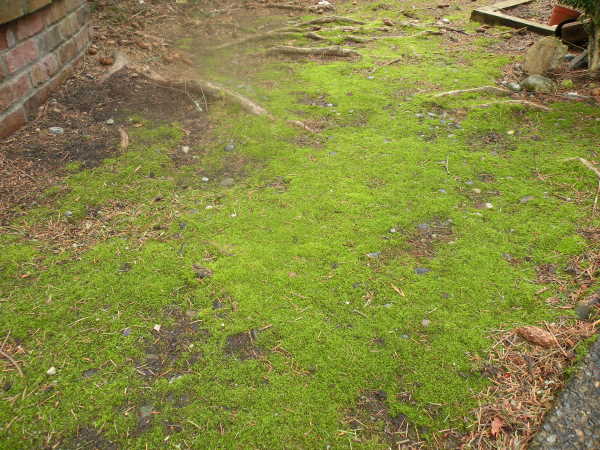
Image Source: turfgator.com
Deciphering Moss’s Appeal: What Makes it Grow?
Mosses are ancient plants, belonging to the Bryophyte division. Unlike grasses, they don’t have true roots, stems, or flowers. Instead, they anchor themselves with tiny root-like structures called rhizoids and absorb water and nutrients directly through their leaves. This unique physiology allows them to colonize areas where grass struggles to establish and survive.
Moss isn’t inherently bad for your lawn; in fact, it can indicate healthy soil structure in some cases. However, its vigorous growth often signals that the underlying conditions are not optimal for your desired turfgrass. When moss takes over, it can smother grass, leading to thin patches and an unsightly appearance. The key to controlling moss lies in addressing the environmental factors that encourage its growth.
Top Culprits Behind Mossy Lawns
Several environmental and management factors contribute to moss’s rapid spread. Let’s explore these in detail.
1. Damp Lawn Conditions and Poor Soil Drainage
One of the most significant contributors to moss growth is persistent moisture. Moss loves consistently wet environments. If your lawn stays wet for extended periods after rain or watering, it creates an ideal habitat for moss to flourish.
-
How it Happens:
- Heavy Clay Soils: These soils have small pore spaces, making it difficult for water to drain away quickly. Water can sit on the surface and in the soil for long periods.
- Low-Lying Areas: Depressions in your lawn tend to collect water, creating localized soggy spots that favor moss.
- Overwatering: Applying too much water, or watering too frequently, can saturate the soil, even in well-draining areas.
- Insufficient Grading: If your lawn slopes towards your house or other structures, water can pool in these areas.
-
Impact on Grass: While grass needs water, prolonged saturation suffocates grass roots, making them weak and susceptible to disease. This weakness creates an opening for moss to move in.
2. Acidic Soil pH
The acidity or alkalinity of your soil, measured by its pH level, plays a crucial role in what can grow. Mosses generally prefer acidic soil conditions, typically with a pH below 6.0. Most desirable turfgrasses, on the other hand, thrive in a slightly acidic to neutral pH range, usually between 6.0 and 7.0.
-
Why Acidic Soil Favors Moss:
- Mosses have a higher tolerance for acidic conditions than most grasses. As the soil pH drops, grass struggles, and moss finds it easier to compete and spread.
- Certain soil amendments and natural processes can lead to soil acidification over time.
-
Testing Your Soil: A simple soil test kit, available at garden centers or through local extension offices, can accurately determine your lawn’s pH. This is a vital step in diagnosing and treating moss problems.
3. Shady Lawn Areas and Lack of Sunlight
Sunlight is essential for photosynthesis, the process by which plants convert light energy into food. Grass requires a good amount of sunlight to grow strong and dense. Moss, conversely, can tolerate and even thrive in shaded conditions where grass struggles.
-
Shade Sources:
- Mature Trees: Large trees with dense canopies can significantly reduce the amount of sunlight reaching the ground.
- Buildings and Fences: Structures can cast long shadows, especially during certain times of the day or year.
- Overgrown Shrubs: Dense shrubbery can also block sunlight.
-
Consequences for Grass: In shady areas, grass becomes thin, weak, and less competitive. This reduced vigor makes it easier for moss to establish and spread, often outcompeting the struggling grass.
4. Compacted Soil
Soil compaction occurs when soil particles are pressed closely together, reducing the pore space between them. This has several negative effects on your lawn, all of which can indirectly favor moss.
-
How Compaction Happens:
- Heavy Foot Traffic: Frequent walking or playing on the lawn, especially when wet.
- Mower Wheels: Repeatedly driving mowers over the same paths.
- Construction Activity: Heavy machinery can severely compact soil.
- Fine-Textured Soils: Clay soils are more prone to compaction.
-
Effects of Compaction:
- Restricted Root Growth: Grass roots cannot penetrate compacted soil easily, limiting their access to water and nutrients. This weakens the grass.
- Poor Drainage: Compaction reduces the soil’s ability to absorb water, leading to surface runoff and prolonged dampness, which, as we’ve seen, moss loves.
- Reduced Air Circulation: Roots need oxygen. Compacted soil limits the availability of air, stressing grass plants.
5. Low Mowing Height
How you mow your lawn can significantly impact its health and its susceptibility to moss. Mowing your grass too short, often referred to as “scalping,” stresses the grass and exposes the soil surface.
-
Why Short Mowing is Bad:
- Shallow Roots: When grass is cut very short, its root system also becomes shallow. Shallow roots are less resilient to drought and disease.
- Increased Evaporation: A shorter turf canopy exposes more soil to the sun and wind, leading to faster drying. While this might seem counterintuitive for moss, it stresses the grass more.
- Direct Sunlight on Soil: Close mowing exposes the soil surface directly to sunlight. While grass might tolerate this for a short period, moss can thrive in the less intense light filtered through the remaining grass blades or in the bare patches.
-
Ideal Mowing: Aim for the higher end of the recommended mowing height for your grass type. This encourages deeper root growth and a denser turf that can better outcompete moss.
6. Infrequent Watering
While overwatering leads to damp conditions, underwatering can also create problems that encourage moss. This happens because stressed grass is more vulnerable.
-
How Infrequent Watering Harms Grass:
- Drought Stress: When grass doesn’t receive enough water, it weakens and can go dormant. Dormant grass is susceptible to diseases and can die back, leaving bare patches.
- Weakened Competition: Stressed grass has less energy to compete with opportunistic plants like moss.
-
The Cycle: If you water infrequently, but heavily, this can lead to deep dry spells followed by sudden saturation if it rains or you irrigate heavily. This cycle stresses grass and can create periods of moisture that moss exploits.
7. Thin Turf Density
A dense, healthy lawn is the best defense against moss. When your turf is thin, with bare patches or sparse growth, it provides an open invitation for moss to colonize.
-
Reasons for Thin Turf:
- Compaction: As discussed, compacted soil hinders root growth.
- Poor Fertility: A lack of essential nutrients weakens grass.
- Disease or Pests: These can kill grass, leaving gaps.
- Improper Mowing: Scalping or mowing too high can weaken the turf.
- Shade: Lack of sunlight stunts grass growth.
-
Moss’s Advantage: Moss doesn’t need deep roots and can spread easily across bare soil or thin grass cover. It fills in the gaps that healthy grass should occupy.
8. Nutrient Deficiency
Grass, like all plants, requires a balanced supply of nutrients to grow strong and healthy. A deficiency in key nutrients can weaken the turf, making it more susceptible to moss invasion.
-
Essential Nutrients:
- Nitrogen (N): Crucial for leafy green growth. A lack of nitrogen results in pale, slow-growing grass.
- Phosphorus (P): Important for root development and overall plant vigor.
- Potassium (K): Aids in stress tolerance (drought, disease) and overall plant health.
-
Impact of Deficiency: When grass is starved of nutrients, it becomes weak and sparse. This reduced vigor allows moss to gain a foothold and spread into areas where the grass is struggling to maintain its density.
Tackling Moss: A Multi-Pronged Approach
Controlling moss isn’t usually a one-time fix; it requires addressing the underlying issues that allow it to thrive. Here’s how you can tackle moss and promote a healthier lawn:
1. Improve Drainage and Reduce Dampness
- Aeration: This process involves creating small holes in the soil to allow air, water, and nutrients to penetrate more easily. It’s particularly effective for compacted soils.
- Tools: Core aerators are best, as they remove small plugs of soil. Spike aerators can be used for less severe compaction.
- Timing: Aerate when your grass is actively growing (spring or fall for cool-season grasses, late spring or early summer for warm-season grasses).
- Top Dressing: After aerating, you can apply a thin layer of compost or soil. This helps to fill the aeration holes and can improve soil structure over time, especially if you have clay soil.
- Amend Soil: For severe drainage issues, consider incorporating organic matter (like compost) into the soil. This improves the structure of clay soils, making them drain better, and helps sandy soils retain moisture more effectively.
- Address Low Spots: Fill in any dips or depressions where water collects with soil. Ensure the new soil is slightly higher than the surrounding area to promote runoff.
- Irrigation Management: Water deeply but infrequently. Allow the soil surface to dry out slightly between waterings. Check sprinklers for even coverage and avoid watering during cooler parts of the day when evaporation is low.
2. Adjust Soil pH
- Liming: If your soil test reveals acidic soil (pH below 6.0), you’ll need to apply lime.
- Type of Lime: Dolomitic lime adds magnesium as well as calcium, while calcitic lime primarily adds calcium.
- Application Rate: Follow the recommendations from your soil test. Applying too much lime can cause alkalinity problems.
- Timing: It’s best to apply lime in the fall or early spring. It takes time for lime to react with the soil.
- Sulfur: If your soil is too alkaline (rarely the cause of moss), you might need to add sulfur.
3. Manage Shade
- Prune Trees: Thin out the canopy of large trees by removing some lower branches or thinning out crowded branches. This allows more sunlight to reach the lawn.
- Remove Obstructions: Trim overgrown shrubs or consider relocating smaller plants that cast significant shade.
- Shade-Tolerant Grasses: In heavily shaded areas where light cannot be improved, consider overseeding with grass varieties known for their shade tolerance. Examples include Fine Fescues.
4. Alleviate Soil Compaction
- Aeration: As mentioned above, aeration is the most effective way to combat soil compaction.
- Reduce Traffic: Minimize foot traffic on the lawn, especially when it’s wet. Create designated pathways if necessary.
- Avoid Mowing Wet Lawns: This prevents further compaction from mower wheels.
5. Practice Proper Mowing Techniques
- Raise the Mower Blade: Mow at a higher setting, typically 2.5 to 3.5 inches, depending on your grass type. This encourages deeper root growth and a denser turf.
- Mow Regularly: Avoid cutting off more than one-third of the grass blade at a time. This prevents stress.
- Sharpen Blades: Dull mower blades tear grass, making it susceptible to disease and browning.
6. Strategic Watering and Fertilizing
- Water Wisely: Aim for deep watering that encourages roots to grow deeper. Water the soil, not the leaves. The best time to water is early morning.
- Fertilize Appropriately: Use a balanced fertilizer based on your soil test results and the needs of your grass type. Fertilizing in the fall and spring is generally recommended for cool-season grasses.
- Slow-Release Fertilizers: These provide nutrients over a longer period, promoting consistent growth.
7. Overseeding for Thicker Turf
- Fill Bare Spots: After addressing the underlying issues, overseeding can help fill in thin areas and create a denser turf.
- Choose the Right Seed: Select grass seed varieties that are suitable for your climate, light conditions, and soil type. Mixing in shade-tolerant varieties can be beneficial for partially shaded areas.
- Timing: Overseed in the fall for cool-season grasses and late spring/early summer for warm-season grasses.
8. Moss Control Products
While addressing the environmental factors is key, you can also use moss control products.
- Iron-Based Products: Many commercial moss killers contain iron sulfate. Iron can “burn” moss, turning it black. It also acts as a fertilizer for grass.
- Application: Apply according to product instructions. Be aware that iron can stain concrete and other surfaces.
- Manual Removal: You can physically rake or pull out moss. This is most effective after applying a moss killer, as it loosens the moss’s grip. Raking also helps to aerate the soil and remove thatch.
Frequently Asked Questions About Lawn Moss
Q1: Will moss kill my grass?
Moss itself doesn’t directly kill grass. However, its presence indicates that the conditions are unfavorable for your grass to thrive. Moss outcompetes the grass for light, water, and nutrients, leading to thinner turf and weaker grass plants.
Q2: Can I just rake the moss out?
Raking out moss can remove it temporarily, but if the underlying conditions (shade, poor drainage, acidic soil, compaction) are not addressed, the moss will return. Raking is best done after applying a moss control product, as it helps to loosen the moss and prepare the soil for reseeding.
Q3: Is moss a sign of bad soil?
Moss growth often signals that your soil is too acidic, compacted, or waterlogged, all of which are detrimental to healthy grass. While moss can grow in healthy soil in very specific, shaded, and damp conditions, widespread moss usually points to underlying soil or environmental issues.
Q4: How often should I water my lawn to prevent moss?
Water deeply and infrequently. The goal is to moisten the soil to a depth of 4-6 inches, allowing the surface to dry out between waterings. This encourages deeper root growth in grass and discourages the consistently damp surface conditions that moss prefers. Early morning is the best time to water.
Q5: What is the best time to treat moss?
The best time to treat moss is typically in the spring or fall when your grass is actively growing. This allows the grass to recover and fill in any areas that were affected by the moss treatment. Treating moss in cooler, moist weather can be more effective as moss is actively growing then.
Q6: Can I put down new grass seed after removing moss?
Yes, after removing moss and addressing the underlying issues, overseeding is an excellent way to thicken your lawn. Ensure the soil is loosened (e.g., by raking or light aeration) and that the seed makes good contact with the soil. Keep the seeded area consistently moist until the new grass is established.
Conclusion
The appearance of moss on your lawn is a clear signal from nature. It’s your lawn telling you that the conditions are leaning more towards what moss prefers than what your grass needs. By identifying the specific reasons for moss growth – whether it’s damp lawn conditions, poor soil drainage, acidic soil pH, shady lawn areas, compacted soil, low mowing height, infrequent watering, lack of sunlight, thin turf density, or nutrient deficiency – you can take targeted steps to correct these issues. Implementing strategies like improving drainage, adjusting soil pH, managing shade, aerating compacted soil, and adopting proper mowing and watering practices will not only control moss but also cultivate a healthier, more resilient, and visually appealing lawn. Remember, a healthy, dense turf is the best long-term defense against opportunistic growth like moss.