
Seeing white mushrooms sprout up in your lawn can be a bit of a surprise. Can you eat them? Are they harmful to your grass? Generally, white mushrooms in your yard are a sign of decomposition happening in the soil, indicating a healthy ecosystem. They are not typically a direct threat to your lawn’s health, though certain types of yard fungi might cause aesthetic concerns or, in rare cases, indicate underlying issues with your soil conditions.
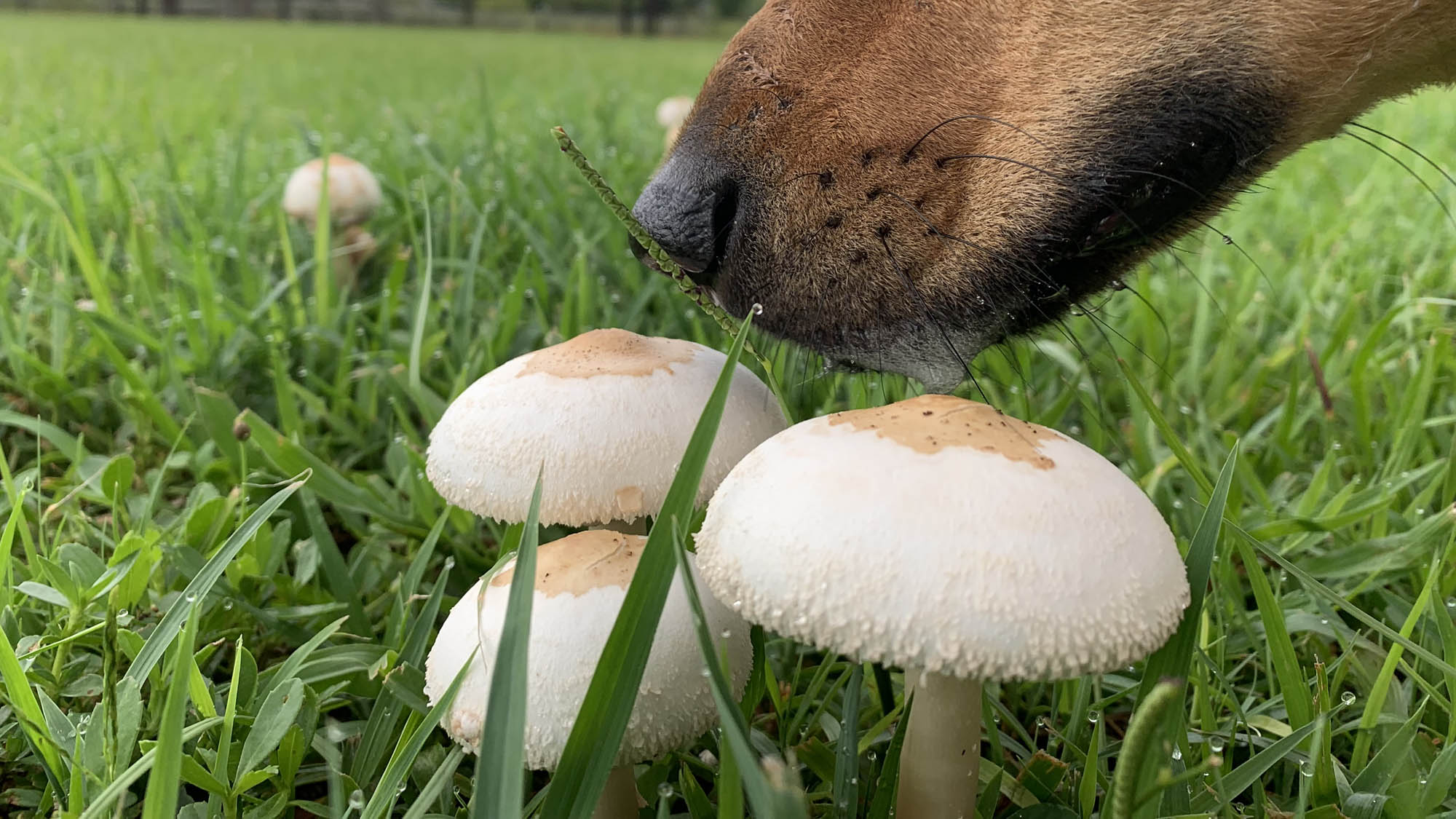
Image Source: homegrown.extension.ncsu.edu
Deciphering the Mushroom Growth
Mushrooms are the fruiting bodies of fungi. They appear when the conditions are just right for these underground organisms to reproduce. Think of them like apples on a tree – the tree is the main organism, and the apples are how it spreads its seeds. In your lawn, the “tree” is a vast network of fungal threads called mycelium hidden beneath the soil.
Common Mushroom Causes
Several factors contribute to the appearance of mushrooms in your yard. These aren’t necessarily problems, but rather indicators of your lawn’s environment.
- High Moisture Levels: Fungi thrive in damp conditions. Excessive rain, over-watering, or poor drainage can create the perfect environment for mushrooms to flourish.
- Organic Matter: The mycelium feeds on decaying organic material in the soil. This can include dead grass clippings, fallen leaves, buried tree roots, or even animal waste. A lawn rich in organic matter, while good for the soil, can also be a buffet for fungi.
- Shady Areas: Fungi often prefer cooler, shadier spots where moisture can linger. Areas under trees or in perpetually shaded parts of your yard are more prone to mushroom growth.
- Compacted Soil: Compacted soil can hinder water drainage, leading to waterlogged areas where fungi can thrive. It also restricts air circulation, which can benefit certain types of yard fungi.
- Nutrient-Rich Soil: While not always the case, sometimes mushrooms can pop up in areas where there’s an abundance of organic nutrients readily available for the mycelium.
Interpreting Mushroom Appearance
The appearance of mushrooms is not inherently bad. In fact, fungi play a crucial role in breaking down organic matter and recycling nutrients, which is essential for overall lawn health.
Types of Yard Fungi
There are thousands of types of fungi, and many of them can appear in lawns. Identifying specific types of yard fungi can be tricky, and it’s generally not necessary unless you suspect a harmful species or are curious about fungi identification.
Here are a few common reasons for white mushrooms in your yard:
- Common Field Mushrooms (Agaricus campestris): These are often edible and are the familiar button mushrooms you might see in stores. They typically grow in fairy rings.
- Ink Caps (Coprinus species): These mushrooms often start white and then turn black and liquefy. They are saprophytic, meaning they feed on dead organic matter.
- Leucocoprinus birnbaumii: Often found in potted plants but can appear in lawns, these are typically small and bright white to yellowish.
- Calocybe gambosa (St. George’s Mushroom): Appears in spring and is known for its pleasant smell.
It’s important to remember that while some mushrooms are edible, many are poisonous. Never consume wild mushrooms unless you are an expert in fungi identification. The primary concern for homeowners is usually the aesthetic appearance and any potential underlying lawn health issues.
The Role of Fungi in Your Lawn Ecosystem
Fungi are vital to a healthy lawn. They are nature’s recyclers, breaking down dead plant material and returning essential nutrients to the soil. This process is crucial for supporting plant life.
Decomposition and Nutrient Cycling
When leaves fall, grass clippings accumulate, or old plant roots die, fungi get to work. The mycelium network spreads through the soil, secreting enzymes that break down complex organic compounds into simpler substances that plants can absorb. This decomposition process is what feeds your grass and other plants.
Soil Conditions and Fungal Activity
The health of your soil directly influences fungal growth.
- Soil Structure: Well-aerated soil with good drainage supports a healthy balance of soil microbes, including beneficial fungi. Compacted soil can create anaerobic conditions that favor certain types of fungi.
- Soil pH: While most fungi tolerate a wide range of pH, some prefer slightly acidic or alkaline conditions.
- Soil Biology: A diverse soil microbiome, including bacteria, fungi, and other microorganisms, is a sign of a healthy soil ecosystem. The presence of mushrooms can simply indicate that this ecosystem is active.
Moisture Levels: A Key Factor
Moisture levels are arguably the most significant factor in mushroom appearance.
- Adequate Rainfall: Natural rainfall provides the consistent moisture fungi need.
- Over-Watering: Irrigating your lawn too frequently or too deeply can create a damp environment that is ideal for fungal growth. This is particularly true if your lawn has poor drainage.
- Humidity: High humidity, especially after periods of rain, can also encourage mushroom development.
Identifying When Mushrooms Signal a Problem
While mushrooms are often harmless, their persistent or excessive appearance can sometimes point to issues with your lawn health.
Recognizing “Toadstools in Lawn”
The term “toadstools” is often used interchangeably with mushrooms, but it sometimes carries a negative connotation, implying an undesirable presence. If you’re seeing a significant number of toadstools in lawn, it might be time to assess your lawn care practices.
When to Be Concerned
- Sudden, Widespread Growth: If mushrooms suddenly appear in large numbers across your entire lawn, it could indicate a significant change in moisture or organic matter, perhaps due to recent heavy rains or a large amount of undecomposed material.
- Association with Bare Patches or Disease: If mushrooms are growing in or around areas of bare, dead, or diseased grass, they might be a symptom of a more serious underlying problem, like a fungal disease affecting the grass itself.
- Toxicity Concerns: If you have pets or small children who might ingest mushrooms, you’ll want to ensure you know what types are present. Fungi identification is crucial here, and it’s best to err on the side of caution.
Assessing Lawn Health
Mushrooms are indicators, not necessarily the cause of problems. To assess your lawn health in relation to mushroom growth, consider these points:
- Drainage: Is your lawn waterlogged after rain? Does water stand on the surface for extended periods?
- Thatch Buildup: A thick layer of thatch (dead grass and organic matter) can harbor fungi and retain excess moisture.
- Soil Compaction: Can you easily push a screwdriver into your soil? If not, it’s likely compacted.
- Grass Species: Some grass types are more susceptible to fungal diseases than others.
- Recent Treatments: Have you recently applied fertilizers or amendments that might have boosted organic activity?
Managing Mushroom Growth in Your Yard
If you find the presence of white mushrooms unsightly or suspect they might indicate an underlying issue, there are several mushroom control methods you can employ. The goal is usually to address the environmental conditions that promote their growth rather than directly attacking the mushrooms themselves.
Natural Lawn Care Practices
Many of the best mushroom control methods involve improving your overall lawn health and reducing the conditions fungi prefer.
- Improve Drainage:
- Aeration: Core aeration helps to relieve soil compaction and improve air and water penetration.
- Dethatching: Removing excess thatch reduces the amount of organic matter that retains moisture.
- Proper Grading: Ensure your yard slopes away from your house to prevent water accumulation.
- Water Wisely:
- Water deeply but infrequently. This encourages deeper root growth, making your grass more resilient.
- Avoid watering in the evening, as prolonged leaf wetness can promote fungal growth. Water in the morning so grass can dry throughout the day.
- Manage Organic Matter:
- Rake leaves and grass clippings regularly. While some clippings are beneficial, excessive buildup can create a food source for fungi.
- If you have large amounts of decaying wood (like old tree stumps), consider removing them.
- Sunlight: Prune trees or shrubs that cast excessive shade on your lawn to increase sunlight exposure and help the soil dry out.
- Soil Amendments: If your soil is particularly poor or compacted, adding compost can improve its structure and drainage over time.
Addressing Specific Situations
Fairy Rings
Fairy rings, which are circular or semi-circular patches of mushrooms, are a common phenomenon. They are caused by the outward growth of the mycelium. While they can be unsightly, they are often a sign of healthy soil.
- Treatment: For cosmetic reasons, you can simply mow the mushrooms or break them up with a rake. Improving lawn health through proper watering, fertilization, and aeration can help the grass within the ring to become more vigorous and mask the appearance.
Mushroom Control Products
If natural methods aren’t sufficient, or you’re looking for a quicker solution for mushroom control, there are products available.
- Fungicides: While chemical fungicides can kill mushrooms, they often target the symptoms rather than the cause. They can also harm beneficial soil microbes. If you choose to use a fungicide, select one specifically labeled for lawn use and follow the instructions carefully. It’s often more effective to use a broad-spectrum fungicide if you’re unsure of the specific type of yard fungi.
- Other Treatments: Some people have success with simple solutions like removing the mushrooms by hand and then breaking up the soil where they were growing.
Important Note: Always prioritize addressing the underlying environmental factors. Simply removing mushrooms without improving drainage, managing organic matter, or adjusting watering practices will likely result in them returning.
Frequently Asked Questions About White Mushrooms in the Yard
Q1: Are white mushrooms in my yard poisonous?
A1: Many white mushrooms found in yards are not poisonous, but many others are highly toxic. It is impossible to tell if a mushroom is safe to eat just by its color. Never eat a wild mushroom unless you are an expert in fungi identification and are absolutely certain of its identity. For lawn owners, the concern is usually for pets and children who might accidentally ingest them.
Q2: Can I just ignore the mushrooms?
A2: Yes, in most cases, you can. If your lawn is otherwise healthy and the mushrooms are not a concern for pets or children, they are a sign of a healthy soil ecosystem at work. They will typically disappear on their own as conditions change.
Q3: What is the best way to get rid of mushrooms?
A3: The most effective way to manage mushroom growth is to address the soil conditions and moisture levels that promote them. Improving drainage, managing organic matter, and watering correctly are key mushroom control strategies. Physically removing them by hand or mowing them down is a temporary aesthetic solution.
Q4: Do mushrooms harm my grass?
A4: Generally, no. Most mushrooms that appear in lawns are saprophytic, meaning they feed on dead organic matter, not living plants. In fact, their activity contributes to nutrient cycling, which benefits lawn health. However, if mushrooms are consistently appearing in dead or dying patches of grass, it might indicate a more serious fungal disease affecting the grass itself.
Q5: What causes white mushrooms to suddenly appear after rain?
A5: Rain provides the necessary moisture levels for fungal mycelium to produce fruiting bodies (mushrooms). If your soil also contains ample decomposition material and is perhaps compacted or shaded, the rain can trigger a widespread mushroom bloom.
Q6: Are fairy rings a sign of bad lawn health?
A6: No, fairy rings are typically a sign of a healthy, established lawn with an active soil fungal network. The mycelium is growing outwards, and the mushrooms appear at the edge of this growth. While they can be unsightly, they don’t usually indicate disease in the grass itself.
Q7: Should I use a fungicide for mushroom control?
A7: Fungicides can offer a quick fix, but they don’t address the root cause. They can also harm beneficial soil organisms. It’s generally recommended to try natural mushroom control methods first by improving drainage and managing organic matter. If you do use a fungicide, choose one specifically for lawns and apply it according to the label instructions.
Q8: How can I identify the specific types of yard fungi?
A8: Fungi identification can be complex and requires expert knowledge. Many online resources and local mycological societies can offer assistance, but it’s important to be cautious. If you are concerned about toxicity, it’s best to consult a professional or simply treat all unknown mushrooms with caution.
By understanding the reasons behind white mushroom growth and focusing on improving your overall lawn health, you can effectively manage these common lawn visitors.