
Moss in your lawn is usually a sign that something is wrong with the growing conditions for grass. Can I get rid of moss in my lawn? Yes, you can! By addressing the underlying issues that encourage moss growth, you can create a healthier environment for your grass to thrive.
Moss, that soft, green, carpet-like growth, isn’t a weed in the traditional sense. It’s a primitive plant that thrives in conditions where grass struggles. Fathoming why moss appears is the first step to reclaiming a lush, green lawn. This article will delve into the common reasons for moss proliferation and provide practical, effective solutions to combat it.
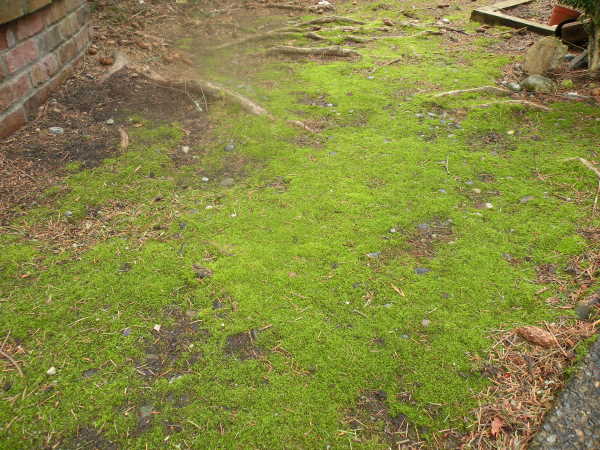
Image Source: turfgator.com
The Roots of the Problem: Deciphering Moss Growth
Moss doesn’t actively harm your grass; instead, its presence highlights deficiencies in your lawn’s environment. It capitalizes on opportunities where grass can’t get enough light, nutrients, or air.
Shady Areas: The Ideal Habitat
One of the most common culprits is lack of sunlight. Grass, particularly the types commonly found in home lawns, needs a good amount of sun to grow strong and healthy. Moss, on the other hand, prefers shade. When parts of your lawn receive less than four hours of direct sunlight per day, moss can easily outcompete grass. This is especially true in areas shaded by mature trees, buildings, or fences.
- Why shade favors moss: Moss plants don’t have deep root systems like grass. They absorb moisture and nutrients directly through their leaves. In shaded areas, the soil stays cooler and moister for longer periods, creating a perfect microclimate for moss.
Poor Drainage and Wet Conditions: A Moss Magnet
Wet conditions are a major contributor to moss growth. If your lawn doesn’t drain well, water sits on the surface or saturates the soil. This creates an anaerobic environment, meaning there’s less oxygen available in the soil. Grass roots need oxygen to survive and function. When roots suffocate, they weaken, making the grass susceptible to disease and moss takeover.
- Compacted soil exacerbates poor drainage. When soil is compacted, it becomes dense, and the small air pockets that allow water and air to move through the soil are squeezed out. This prevents water from draining away efficiently, leading to persistently wet conditions.
Compacted Soil: The Foundation of Failure
As mentioned, compacted soil is a significant problem. Foot traffic, mowing, and even heavy rainfall can compress the soil over time. This makes it difficult for grass roots to penetrate deeply and access air and water. Compacted soil also hinders the movement of water, leading to the persistent dampness that moss loves.
- Signs of compacted soil:
- Water pooling on the surface after rain.
- Grass that appears thin and unhealthy, even with regular watering.
- Difficulty pushing a screwdriver or probe into the soil.
- A springy or spongy feel to the lawn.
Low Soil pH: An Unwelcoming Environment for Grass
Grass thrives in slightly acidic to neutral soil, typically with a pH between 6.0 and 7.0. Moss, however, tolerates and even prefers more acidic soil. If your low soil pH goes unaddressed, it can weaken grass plants, making them less competitive against moss.
- What affects soil pH?
- Acidic rainfall: In some regions, rainfall can naturally lower soil pH.
- Certain fertilizers: Some nitrogen fertilizers can increase soil acidity over time.
- Organic matter decomposition: The breakdown of organic materials can also affect pH.
Overwatering: Too Much of a Good Thing
While grass needs water, overwatering can be just as detrimental as drought. Excessive watering leads to the same issues as poor drainage: saturated soil, lack of oxygen for grass roots, and an environment conducive to moss. It’s important to water your lawn deeply but infrequently to encourage strong root growth.
Lack of Fertilizing: Nutrient Deficiencies
Grass needs nutrients to grow vigorously. If your lawn is not receiving adequate fertilizing, the grass will be weak and unable to compete with opportunistic plants like moss. Low nutrient levels can stunt grass growth, making it sparse and more vulnerable to shade and moisture.
Tackling the Moss: Effective Solutions
Once you’ve identified the reasons for moss in your lawn, you can implement targeted solutions. The goal is not just to kill the moss but to create an environment where grass can flourish.
Improving Light Conditions: Let There Be Sun!
For shady areas, the most effective solution is to increase sunlight.
- Prune trees and shrubs: Trim lower branches of trees and prune shrubs that are casting dense shade.
- Thin dense canopies: If possible, thin out the canopy of large trees to allow more dappled sunlight to reach the lawn.
- Consider shade-tolerant grass: In very shady spots where sunlight can’t be improved, consider overseeding with a grass variety that is specifically bred for shady conditions.
Addressing Drainage and Compaction: Creating a Breathable Base
Poor drainage and compacted soil go hand in hand and require a two-pronged approach.
Aeration: Giving Your Lawn Room to Breathe
Aeration is crucial for breaking up compacted soil and improving air and water penetration. This process involves removing small plugs of soil from the lawn, which allows air, water, and nutrients to reach the root zone.
- When to aerate: The best times to aerate are during the active growing seasons for your grass type – typically spring or fall for cool-season grasses, and late spring or early summer for warm-season grasses.
- Types of aerators:
- Spike aerators: These push spikes into the ground but can sometimes further compact the soil if used on very hard ground.
- Core aerators: These are the most effective as they pull out plugs of soil, leaving small holes behind.
Dethatching: Removing the Barrier
Thatch is a layer of dead and living grass stems, roots, and debris that accumulates between the green grass blades and the soil surface. A thin layer of thatch is beneficial, but a thick layer (more than half an inch) can block water, air, and nutrients from reaching the soil and roots, contributing to poor drainage and a breeding ground for moss.
- Dethatching methods:
- Raking: For light thatch, a stiff-bristled rake can work.
- Power raking/Scarifying: This is a more aggressive method using a machine with rotating tines to pull up thatch.
- Dethatching machines: Similar to power raking, these machines are specifically designed to remove thatch.
Improving Soil Structure: Long-Term Solutions
- Topdressing with compost: After aeration, applying a thin layer of compost can improve soil structure, aeration, and water retention in the long run.
- Adding organic matter: Incorporating compost or other organic materials into the soil can help break up clay soils and improve drainage.
Adjusting Soil pH: The Right Balance for Grass
Soil testing is essential to determine your lawn’s pH level. You can purchase DIY soil test kits or send samples to a local university extension office for a more comprehensive analysis.
- Raising pH (if too acidic): If your low soil pH is confirmed, you can amend the soil by applying lime.
- Types of lime: Dolomitic lime contains magnesium, while calcitic lime contains calcium. The best choice depends on your soil’s mineral content.
- Application: Follow the recommendations from your soil test. Apply lime when the grass is dry, and water it in afterward. It’s best to apply lime in the fall or early spring.
- Lowering pH (if too alkaline): If your soil is too alkaline (pH above 7.0), you can lower it by applying elemental sulfur or by using fertilizers that have an acidifying effect.
Optimizing Watering Practices: Water Wisely
Avoid overwatering.
- Water deeply and infrequently: Aim to water long enough for the moisture to penetrate 4-6 inches into the soil. This encourages deeper root growth.
- Water in the morning: This allows the grass blades to dry off before evening, reducing the risk of fungal diseases.
- Adjust watering based on weather: Water less during cool or rainy periods and more during hot, dry spells.
- Check soil moisture: Before watering, check the soil moisture. If it feels damp an inch or two down, you likely don’t need to water yet.
Proper Fertilizing: Feeding Your Grass
Regular and appropriate fertilizing will help your grass grow thick and healthy, making it more resistant to moss.
- Choose the right fertilizer: Select a balanced lawn fertilizer based on the season and your grass type.
- Follow application rates: Too much fertilizer can burn your lawn, while too little won’t provide enough nutrients.
- Timing is key: Fertilize during your grass’s active growing periods.
Eliminating Existing Moss: Targeted Treatments
Once the underlying causes are being addressed, you can actively remove existing moss.
Manual Removal
For small patches, you can simply rake out the moss. A stiff wire rake works well to pull up the moss and thatch. This can be done before or after applying a moss killer.
Chemical Treatments
Several products are available to kill moss. These typically contain active ingredients like:
- Iron sulfate (ferrous sulfate): This is a common and effective moss killer. It turns the moss black, and it can then be raked out. Iron also acts as a fertilizer, greening up the grass. Be cautious as iron can stain concrete and other surfaces.
- Fatty acids: These soap-like compounds desiccate and kill moss. They are generally considered safer for the environment than some other options.
- Ammonium sulfate: This can also kill moss and acts as a nitrogen fertilizer. However, it can also make the soil more acidic over time.
Application Tips for Moss Killers:
- Follow label instructions precisely.
- Apply when the moss is actively growing (usually spring or fall).
- Ensure the lawn is dry when applying granular products.
- Water the lawn thoroughly after application if the product instructions recommend it.
- Rake out the dead moss a week or two after treatment to allow sunlight and air to reach the soil for grass regrowth.
Re-establishing Grass: The Final Touch
After removing moss and addressing the underlying issues, it’s time to encourage grass regrowth.
- Overseeding: In bare patches where moss has been removed, overseed with a high-quality grass seed appropriate for your lawn’s conditions (sun or shade).
- Topdressing: Applying a thin layer of compost or a good quality topsoil can provide a nutrient-rich seedbed for new grass.
- Consistent watering: Keep the newly seeded areas consistently moist until the grass is established.
Frequently Asked Questions (FAQ)
Q1: Will moss kill my grass?
A: No, moss doesn’t kill grass directly. It thrives in conditions that weaken grass, such as shade, compaction, and moisture, and its presence is a sign that the grass is struggling.
Q2: Is moss bad for my lawn?
A: Moss itself isn’t harmful, but its presence indicates that your lawn is unhealthy and susceptible to problems. It can also make the lawn feel spongy and retain excess moisture.
Q3: How often should I aerate my lawn?
A: For compacted lawns or those with persistent moss, aerating once a year is often beneficial. In less severe cases, aerating every 1-2 years is usually sufficient.
Q4: Can I apply moss killer and seed at the same time?
A: It’s generally best to wait a week or two after applying a moss killer before seeding. This ensures the moss killer has had time to work and that the new grass seed isn’t inhibited from germinating.
Q5: My lawn is very shady, what grass should I plant?
A: For shady areas, look for grass seed mixes that include fine fescues (e.g., creeping red fescue, chewings fescue) or specific shade-tolerant varieties like ‘Merion’ Kentucky bluegrass. Always check the seed packet for its shade tolerance.
By systematically addressing the factors that favor moss and implementing a consistent lawn care regimen, you can transform a moss-ridden lawn into a healthy, vibrant carpet of grass. Remember, a healthy lawn is the best defense against moss and other lawn problems.