
Mushrooms popping up in your yard can be a curious sight, and you might wonder: Why are mushrooms growing in my yard? The simplest answer is that mushrooms are the fruiting bodies of fungi, and their growth is typically a sign of a healthy, albeit sometimes damp, ecosystem. These fungi play a vital role in breaking down organic matter. This article will delve into the common mushroom causes and factors contributing to their appearance, helping you understand and manage your yard health.
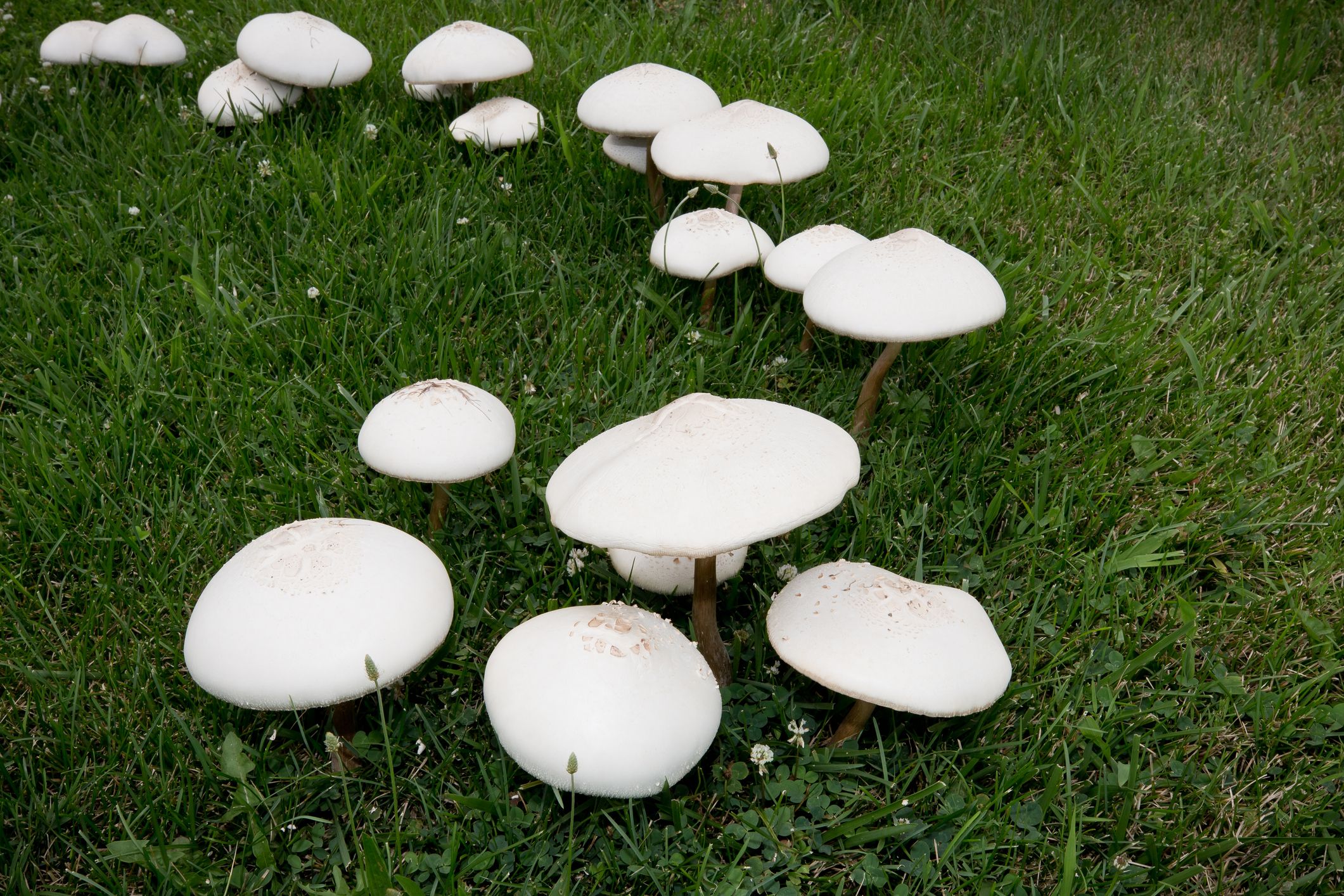
Image Source: hips.hearstapps.com
The Unseen World: What Are Fungi in Lawn?
Before we explore the specific reasons for mushrooms, it’s essential to grasp what we’re dealing with. Fungi in lawn are not plants; they belong to their own kingdom. They don’t make their food from sunlight like plants do. Instead, they get their nutrients by breaking down dead or decaying organic material. This decomposition process is crucial for a healthy soil ecosystem, as it recycles nutrients back into the soil, making them available for grass and other plants.
The visible mushroom is just the tip of the iceberg. Beneath the surface, a vast network of thread-like structures called mycelium spreads through the soil. This mycelium is the main body of the fungus, and when conditions are right – usually a combination of moisture, temperature, and available food – it produces the mushrooms we see.
Common Mushroom Causes in Your Yard
Several factors contribute to the spontaneous appearance of mushrooms in your lawn and garden. Recognizing these mushroom causes will help you manage them effectively.
1. Abundant Moisture and Damp Areas
One of the most significant drivers for mushroom growth is moisture. Fungi thrive in damp environments. Heavy rainfall, overwatering, poor drainage, or even consistently humid weather can create ideal conditions for mycelium to flourish and produce mushrooms.
- Rainfall: Following a period of significant rain, you’ll often notice an increase in mushroom activity. The soil becomes saturated, providing the necessary moisture for fungal growth.
- Overwatering: If your lawn is receiving too much water, either through manual irrigation or natural precipitation, it can lead to waterlogged soil. This creates anaerobic (low oxygen) conditions that favor certain types of fungi.
- Poor Drainage: Areas in your yard that tend to collect water, such as low-lying spots or areas with compacted soil, are prime locations for mushrooms. Water can’t drain away effectively, keeping the soil consistently moist.
- Humidity: High humidity in the air can also contribute to moisture on the soil surface and on plant material, creating a favorable microclimate for mushrooms.
2. Decomposing Organic Matter: A Fungal Feast
Mushrooms are nature’s recyclers. They feed on dead and decaying organic matter. The more of this “food source” available in your soil, the more likely you are to see mushrooms.
- Thatch Buildup: Thatch is a layer of dead and living grass stems, roots, and other organic debris that accumulates on the soil surface. A thick thatch layer traps moisture and provides a ready food source for fungi that produce mushrooms.
- Buried Wood and Roots: If you’ve removed trees or shrubs, buried roots or pieces of wood left in the ground can continue to decompose for years, acting as a long-term food source for fungi. Fairy rings, which are circular patterns of mushroom growth, are often caused by a buried piece of wood at the center.
- Leaf Litter and Debris: Piles of leaves, grass clippings, or other yard debris that are left to decompose can also fuel mushroom growth, especially if they remain damp.
- Compost or Mulch: While beneficial in many ways, compost and mulch are, by definition, decaying organic matter. Mushrooms can appear in these areas, particularly when they are applied thickly or remain consistently moist.
3. Soil Conditions: More Than Just Moisture
Beyond moisture, other soil conditions play a role in mushroom proliferation.
- Soil Type: Different soil types can retain moisture differently. Clay soils, for instance, tend to hold more water than sandy soils, potentially leading to more mushroom growth in clay-heavy areas.
- Soil Compaction: Compacted soil restricts air and water movement. This can lead to pockets of consistently moist soil where fungi can thrive.
- Nutrient Levels: While fungi break down organic matter for nutrients, certain imbalances or excesses of nutrients, particularly nitrogen, can sometimes encourage specific types of fungal growth.
- pH Levels: While less common, extreme pH levels in the soil can favor certain types of fungi over others, potentially leading to mushroom appearances.
4. The Ubiquitous Mushroom Spores
Mushroom spores are microscopic reproductive units produced by fungi, much like seeds are produced by plants. They are everywhere – in the air, on the soil, and carried by wind, water, and animals.
- Airborne Dispersal: Spores are constantly circulating in the environment. When they land on a suitable surface with the right combination of moisture, food source, and temperature, they can germinate and begin to grow.
- Animal and Foot Traffic: Pets, wildlife, and even your own footsteps can carry spores from one area to another, introducing them to new potential growing sites.
- New Plantings: When you bring in new plants, soil, or mulch, you might also be introducing dormant mushroom spores.
5. Temperature Fluctuations
While moisture and food are primary drivers, temperature also plays a role. Most mushrooms prefer moderate temperatures.
- Spring and Fall: These transitional seasons often bring the ideal combination of rain and mild temperatures, making them peak times for mushroom sightings.
- Summer Showers: Even in warmer months, a series of cool, rainy days can trigger mushroom growth.
6. Lawn Care Practices
Certain lawn care practices can inadvertently create conditions conducive to mushroom growth.
- Over-Fertilizing: While not a direct cause, applying too much fertilizer, especially nitrogen-rich types, can sometimes encourage fungal growth if other conditions are met. It can also lead to thatch buildup if the grass grows too rapidly and doesn’t decompose efficiently.
- Improper Mowing: Mowing too low can stress the grass, making it more susceptible to fungal diseases and potentially creating a more favorable environment for other fungi.
- Leaving Grass Clippings: While grass clippings can add nutrients to the soil, leaving thick layers of them can trap moisture and contribute to thatch, feeding fungi.
Deciphering the Mushrooms: Mushroom Identification
One important aspect of dealing with mushrooms in your yard is mushroom identification. Not all mushrooms are the same, and some can be toxic. It’s crucial to know what you’re dealing with, especially if you have children or pets who might be tempted to sample them.
Key factors for mushroom identification include:
- Cap Shape and Size: Is it bell-shaped, conical, flat, or convex? How large is it?
- Color: What is the color of the cap, stem, and gills?
- Gills/Pores: Most common mushrooms have gills on the underside of the cap. Are they crowded, spaced, attached to the stem, or free? Some mushrooms have pores instead of gills.
- Stem (Stipe): Does it have a ring (annulus)? Is there a volva (cup-like structure) at the base? What is its texture and color?
- Spore Print: The color of the spores is a critical identification feature. You can often obtain a spore print by placing the mushroom cap on a piece of paper overnight.
- Habitat: Where is it growing? In grass, on wood, near trees?
- Odor: Some mushrooms have distinctive smells.
Warning: Never consume a wild mushroom unless you are an expert or have had it positively identified by one. Many edible mushrooms have poisonous look-alikes.
Table 1: Common Types of Lawn Mushrooms and Their Association
| Mushroom Type (Common Name) | Typical Habitat | Potential Cause Association | Notes |
|---|---|---|---|
| Fairy Rings | In lawns, forming circles or arcs | Buried wood or roots, decomposition, thatch | Can be persistent; grass inside or outside the ring may be darker. |
| Ink Caps | Lawns, gardens, often in groups | Rich soil, decomposing organic matter, moisture | Caps often dissolve into an inky liquid as they mature. |
| Puffballs | Lawns, fields, often in grassy areas | Decomposing organic matter, fertile soil, moisture | Edible when young and firm, but identification is crucial. |
| Horse Mushrooms | Lawns, pastures, often in fertilized areas | Nutrient-rich soil, decomposing organic matter, manure | Can be confused with poisonous Agaricus species. |
| Coprinus Species | Lawns, gardens, often appearing after rain | Decomposing organic matter, damp soil | Many species autodigest (turn to ink). |
Note: This table provides general associations. Precise identification requires careful examination.
Addressing Mushrooms: Management and Home Remedies
Seeing mushrooms in your yard might be a cause for concern, especially regarding toxicity or aesthetic appeal. While often a sign of a healthy soil, you might wish to reduce their numbers.
1. Improving Yard Health and Drainage
The most effective long-term solution is to address the underlying causes of mushroom growth, primarily focusing on yard health.
- Improve Drainage: Aerate your lawn regularly to improve soil structure and drainage. For persistently waterlogged areas, consider installing French drains or amending the soil with organic matter that improves drainage.
- Reduce Thatch: Dethatch your lawn if the thatch layer is more than ½ inch thick. This removes the trapped moisture and food source for fungi.
- Water Wisely: Avoid overwatering. Water your lawn deeply but infrequently to encourage deeper root growth and prevent surface saturation. Check your irrigation system for leaks and ensure sprinklers aren’t over-saturating any particular areas.
- Clear Debris: Rake up fallen leaves and grass clippings promptly. Don’t let them accumulate and decompose in damp conditions.
- Manage Soil: If soil compaction is an issue, regular aeration is key. Consider top-dressing with compost to improve soil structure.
2. Removing Existing Mushrooms
Physically removing the visible mushrooms is a temporary solution, as it doesn’t address the mycelium underground. However, it can prevent spore dispersal.
- Hand Removal: Pull mushrooms up by the base. Try to get the entire fruiting body and as much of the stem as possible.
- Dispose of Them: Place them in a sealed bag and dispose of them in the trash to prevent spores from spreading. Do not compost mushrooms unless you are certain they are not toxic or problematic.
3. Chemical Treatments (Use with Caution)
While chemical fungicides can kill mushrooms, they are often a short-term fix and can sometimes harm beneficial soil organisms. They are generally not recommended for typical lawn mushrooms unless there is a significant fungal disease issue. Always follow product instructions carefully.
4. Natural and Home Remedies
Some gardeners opt for home remedies to manage mushroom growth.
- Increase Sunlight: Trim overhanging branches or thin dense shrubs to allow more sunlight to reach the affected areas. Sunlight helps to dry out the soil.
- Vinegar Solution: A diluted solution of white vinegar and water (e.g., 1 part vinegar to 10 parts water) can sometimes be sprayed directly onto mushrooms. However, this can also harm grass and needs to be used sparingly.
- Baking Soda: Some sources suggest sprinkling baking soda on the affected areas, as it can alter the soil pH in a way that discourages certain fungi.
Important Note on Home Remedies: The effectiveness of most home remedies for mushroom control is anecdotal and can vary greatly. They are generally safe to try on a small scale but do not offer a guaranteed solution.
When to Worry About Mushrooms in Your Yard
For the most part, mushrooms in your yard are a sign of a healthy ecosystem. However, there are a few situations where you might want to pay closer attention:
- Toxicity Concerns: If you have young children or pets who might ingest the mushrooms, it’s essential to identify them and take steps to remove them.
- Excessive Growth: If mushrooms are appearing in massive numbers or in areas where you’ve never seen them before, it could indicate a more significant soil issue, such as severe waterlogging or an abundance of buried organic matter.
- Fairy Rings: While not inherently harmful, large or persistent fairy rings can indicate a substantial amount of buried organic matter that might be impacting the aesthetic of your lawn.
Frequently Asked Questions (FAQ)
Can I Eat the Mushrooms Growing in My Yard?
It is strongly advised NOT to eat any mushrooms found growing in your yard unless you are an expert mushroom identifier or have had them positively identified by a professional. Many edible mushrooms have poisonous look-alikes, and mistaking one for another can have severe, even fatal, consequences. It’s best to err on the side of caution.
Are Mushrooms Bad for My Lawn?
Generally, mushrooms are not bad for your lawn. They are a sign of a healthy soil ecosystem that is effectively decomposing organic matter. They indicate that your soil is likely rich and moist enough to support fungal life. However, excessive mushrooms can sometimes point to underlying drainage issues or too much thatch.
How Do I Get Rid of Mushrooms Permanently?
There is no foolproof way to get rid of mushrooms permanently because their mushroom spores are ubiquitous and will always be present in the environment. The best approach is to manage the soil conditions and lawn care practices that encourage their growth. By improving drainage, reducing thatch, watering appropriately, and clearing debris, you can significantly reduce the frequency and abundance of mushrooms.
What Does a Fairy Ring Mean?
A fairy ring is a circular or arc-shaped pattern of mushrooms that appears in lawns or pastures. It indicates the presence of a fungus that grows outwards from a central point. Often, this central point is a piece of buried wood or organic matter. The grass within or around the ring may appear darker or more vibrant due to the nutrients released by the decomposing matter.
Should I Remove Mushrooms?
Removing mushrooms is a personal choice. If you are concerned about their appearance, toxicity, or potential for spore dispersal, you can pull them by hand and dispose of them in a sealed bag. However, remember that this is a temporary solution, as the mycelium remains in the soil. Addressing the underlying environmental factors is more effective for long-term management.
Is It Normal to See Mushrooms After Watering?
Yes, it is very normal to see mushrooms appear after watering, especially if the watering leads to consistently moist soil conditions. Moisture is a key trigger for fungal growth and the emergence of mushrooms from the mycelium in the soil.
By paying attention to your yard health, managing soil conditions, and practicing good lawn care, you can enjoy a beautiful and healthy lawn while also appreciating the natural role of fungi in lawn.