
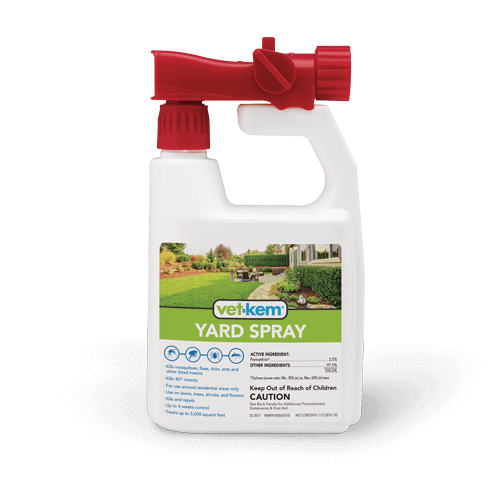
Image Source: www.prnpharmacal.com
How To Treat Yard For Roundworms Safely and Effectively
Can you treat your yard for roundworms safely and effectively? Yes, you can significantly reduce roundworm populations in your yard through diligent sanitation, environmental modification, and targeted treatments. This post will guide you through comprehensive strategies for yard parasite control, focusing on lawn deworming and soil nematode treatment while prioritizing pet-safe yard treatments and preventing roundworm transmission.
Recognizing the Presence of Roundworms in Your Yard
Roundworms, also known as nematodes, are microscopic parasites that can inhabit your soil. While many nematodes are beneficial, certain species can affect pets and, in rare cases, humans. Their presence is often subtle, but signs can include poor lawn health, unexplained pet digestive upset, or visible signs of pets digging or consuming soil excessively. Identifying these signs is the first step in effective dog worm prevention yard and cat worm prevention yard strategies.
Common Signs of Roundworm Infestation
- Unexplained Illness in Pets: Pets, especially puppies and kittens, are susceptible to roundworm infections. Symptoms can include vomiting (sometimes with visible worms), diarrhea, pot-bellied appearance, poor coat quality, and lethargy. If your pet shows these signs, a veterinary visit is crucial.
- Deteriorating Lawn Health: While not always directly caused by pet-borne roundworms, general nematode imbalances in the soil can manifest as yellowing patches, stunted growth, or increased susceptibility to other lawn diseases.
- Excessive Digging or Soil Consumption by Pets: Pets may instinctually try to consume soil if they are experiencing parasitic discomfort, or if they are attracted to the scent of infected soil.
The Roundworm Life Cycle: Why Yard Treatment Matters
To effectively treat your yard, it’s important to grasp the roundworm life cycle, particularly for common canine and feline roundworms like Toxocara canis and Toxocara cati. Parasite eggs in soil are shed in the feces of infected animals. These eggs are highly resilient and can remain viable in the environment for extended periods, sometimes years, under favorable conditions.
- Ingestion of Eggs: When a susceptible animal (like a puppy or kitten) ingests these eggs from contaminated soil or surfaces, the larvae hatch in the intestines.
- Larval Migration: The larvae then migrate through the animal’s body, often passing through the lungs before returning to the intestines to mature into adult worms.
- Environmental Contamination: Adult female roundworms in the intestines produce eggs that are passed in the feces, perpetuating the cycle.
This cycle highlights why preventing roundworm transmission is a critical aspect of yard parasite control. Your yard can become a reservoir for these parasites, posing an ongoing risk to your pets.
Safe and Effective Yard Treatment Strategies
Treating your yard for roundworms requires a multi-pronged approach that combines environmental management with appropriate treatments. The goal is to break the parasite’s life cycle and minimize exposure.
1. Sanitation: The Cornerstone of Yard Treatment
Regular and thorough removal of pet feces is paramount. This is the single most effective way to prevent the spread of parasite eggs in soil.
Daily Fecal Removal
- Frequency: Pick up feces daily, or at least every other day.
- Disposal: Seal feces in a plastic bag and dispose of it in a secure trash receptacle. Avoid composting pet waste unless you have a specialized hot composting system that reaches temperatures high enough to kill parasite eggs.
- Designated Areas: If possible, designate specific areas of your yard for pets to relieve themselves. This concentrates the fecal matter, making cleanup more efficient.
Cleaning Affected Areas
- Spot Cleaning: Even with daily cleanup, some contamination might remain. For heavily soiled areas, consider flushing the spot with a hose and then applying a disinfectant.
- Disinfectants: Diluted bleach (1 part bleach to 30 parts water) can be effective in killing parasite eggs on non-porous surfaces like patios or concrete. Always test disinfectants in an inconspicuous area first and rinse thoroughly. Ensure the area is completely dry before allowing pets access.
2. Environmental Modifications for Pet-Safe Yard Treatments
Making your yard less hospitable to roundworms can significantly reduce their presence.
Sunlight Exposure
- Larvicidal Effects: Sunlight, particularly UV radiation, can help break down parasite eggs in soil.
- Trimming Vegetation: Trim back overgrown bushes, trees, and tall grass that create shady, moist areas where eggs can survive. This allows for better sunlight penetration and air circulation.
Soil Aeration and Drainage
- Reducing Moisture: Roundworm eggs thrive in moist environments. Improving soil drainage can make the yard less hospitable.
- Aeration: Aerating your lawn helps improve air circulation and water penetration, which can indirectly reduce the survival rate of parasite eggs in soil.
Keeping Pets Hydrated and Well-Fed
- Reduced Soil Ingestion: Ensure your pets have constant access to fresh water and a balanced diet. Thirsty or nutritionally deficient pets may be more inclined to eat grass or soil, increasing their risk of ingesting parasite eggs in soil.
3. Targeted Yard Treatments for Lawn Deworming
While sanitation is key, in cases of heavy infestation or for proactive yard parasite control, targeted treatments may be necessary. It’s crucial to choose treatments that are effective against roundworm eggs and larvae while remaining safe for pets and the environment. This is where safe lawn care for pets becomes paramount.
Soil Nematode Treatment Options
- Nematocidal Products: Specific products are available that target nematodes in the soil. It’s essential to read product labels carefully to ensure they are effective against the types of nematodes you are concerned about and are safe for use around pets.
- Beneficial Nematodes: Ironically, some beneficial nematodes can be used to control parasitic nematodes. However, this is a more advanced approach typically used in gardening and may not be directly effective against the roundworm species that affect pets.
- Chemical Treatments (Use with Extreme Caution):
- Veterinary-Recommended Products: Some veterinarians may recommend specific topical or granular treatments that can be applied to the yard. These are often designed to be pet-safe once dry. Always follow veterinary advice precisely regarding application rates and re-entry times for pets.
- Broad-Spectrum Insecticides/Nematicides: These should be used as a last resort and only when absolutely necessary, following strict adherence to label instructions. Many conventional chemical treatments can be harmful to pets, beneficial insects, and the environment. Prioritize organic and pet-safe alternatives whenever possible.
Organic Yard Pest Control Approaches
For those seeking organic yard pest control, several options can contribute to lawn deworming and soil nematode treatment:
- Diatomaceous Earth (Food Grade): While primarily known as an insecticide, food-grade diatomaceous earth can desiccate and kill microscopic organisms, including some nematode larvae, by damaging their outer layers. Apply it as a fine dust to dry areas. Ensure it is food-grade and keep pets away during application until it settles.
- Neem Oil: Neem oil has some insecticidal and nematicidal properties. When diluted and applied to the soil, it can disrupt the life cycle of certain nematodes. Follow dilution instructions carefully and ensure the area is dry before pets have access.
- Compost and Soil Amendments: Healthy soil with a robust microbial population can naturally suppress parasitic nematodes. Regularly amending your soil with high-quality compost can improve soil structure and introduce beneficial microorganisms that compete with or prey on harmful nematodes.
4. Preventing Roundworm Transmission: A Continuous Effort
Effective yard parasite control is not a one-time event. It requires ongoing vigilance and proactive measures to prevent the re-establishment of roundworm populations and to minimize the risk of your pets becoming infected.
Regular Veterinary Check-ups and Deworming
- Internal Parasite Prevention: This is crucial for dog worm prevention yard and cat worm prevention yard. Your veterinarian is your best resource for appropriate deworming schedules and products for your pets. Regular deworming of your pets breaks the cycle by eliminating adult worms before they can shed eggs into the environment.
- Fecal Exams: Annual fecal exams can detect the presence of parasite eggs, allowing for early intervention.
Pet Health and Hygiene
- Washing Paws: After spending time in the yard, consider washing your pet’s paws to remove any potential parasite eggs in soil they may have picked up.
- Clean Bedding: Regularly clean your pet’s bedding and toys to prevent the accumulation of parasite eggs in soil that may be tracked indoors.
Yard Maintenance Best Practices
- Avoid Overwatering: Ensure your lawn and garden are not consistently waterlogged, as moisture promotes egg survival.
- Mulching: Use mulch in garden beds. While not a direct treatment for roundworms, it can help prevent soil from being splashed onto surfaces and can contribute to overall soil health.
- Covering Sandboxes: If you have a sandbox for children or pets, keep it covered when not in use to prevent it from becoming a latrine for stray animals or a collection point for contaminated soil.
Choosing the Right Products for Safe Lawn Care for Pets
When selecting products for yard parasite control, always prioritize safety for your pets and the environment.
Factors to Consider:
- Pet Toxicity: Always check the product label for warnings regarding toxicity to pets. Look for products specifically labeled as “pet-safe” or “for use in pet-occupied areas.”
- Environmental Impact: Consider the impact on beneficial insects, earthworms, and the broader ecosystem. Organic and naturally derived products are generally preferred.
- Effectiveness: Ensure the product is proven effective against roundworm eggs or larvae.
Product Application Guidelines:
- Read and Follow Instructions: This is non-negotiable. Adhere strictly to application rates, timing, and re-entry periods for pets and children.
- Apply to Dry Surfaces: Many granular products require application to dry surfaces for proper activation.
- Avoid Storm Drains: Do not apply treatments near storm drains or waterways to prevent environmental contamination.
- Ventilation: If using any spray treatments, ensure good ventilation and keep pets and people indoors during application and until the product is dry.
When to Seek Professional Help
If you have a persistent problem with roundworms or are unsure about the best course of action, consult with professionals.
- Veterinarian: Your veterinarian can diagnose parasitic infections in your pets and provide tailored advice for prevention and treatment, including recommendations for safe yard parasite control.
- Pest Control Professionals: For severe infestations or if you’re having trouble identifying the specific pest, a professional pest control service that specializes in pet-safe yard treatments can assess the situation and recommend appropriate solutions.
Frequently Asked Questions (FAQ)
Q1: How quickly do roundworm treatments work in the yard?
A1: The effectiveness and speed of yard treatments for roundworms can vary depending on the product used and the specific environmental conditions. Sanitation methods, like daily fecal removal, start working immediately by removing the source of contamination. Chemical or organic treatments may take several days to weeks to significantly reduce populations of parasite eggs in soil and larvae. Always follow product instructions for re-entry times for pets.
Q2: Can I use human dewormers on my yard?
A2: No, you should never use human dewormers on your yard. These medications are formulated for internal use in humans and are not designed or approved for environmental application. They can be harmful to your lawn, beneficial soil organisms, and potentially toxic to your pets and the environment.
Q3: How long do roundworm eggs survive in the soil?
A3: Roundworm eggs are remarkably resilient. Under favorable conditions (moisture and moderate temperatures), they can survive in the soil for months, and in some cases, even years. This resilience is why consistent sanitation and yard parasite control are so important.
Q4: Are there natural ways to kill roundworm eggs in the soil?
A4: Yes, several natural methods can help. Sunlight (UV radiation) can degrade eggs, so trimming back vegetation to increase sun exposure is beneficial. Improving soil drainage reduces moisture, which is crucial for egg survival. Some organic products like neem oil and food-grade diatomaceous earth may also have some efficacy. Healthy soil rich in organic matter can also support beneficial microbes that may compete with or prey on parasitic nematodes.
Q5: What is the best time of year to treat my yard for roundworms?
A5: The best time to implement yard parasite control measures is typically in the spring and fall when temperatures are milder, and pets are more likely to spend time outdoors. However, daily sanitation should be a year-round practice. If you are using treatments, consider applying them after periods of heavy rain or when you observe increased signs of potential contamination.
Q6: Can my pet get roundworms from a neighbor’s yard?
A6: Yes, if your neighbor’s yard is contaminated with parasite eggs in soil from infected animals, your pet can be exposed. This is why preventing roundworm transmission extends beyond your own property. If you have shared fence lines or if your pet roams freely, their risk of exposure increases.
By implementing these comprehensive strategies, you can effectively and safely manage roundworm populations in your yard, creating a healthier environment for your pets and family. Remember that consistency in sanitation and a proactive approach to lawn deworming and soil nematode treatment are key to successful yard parasite control.