
A lawn tractor battery typically lasts between 3 to 5 years. However, this can vary based on several factors.
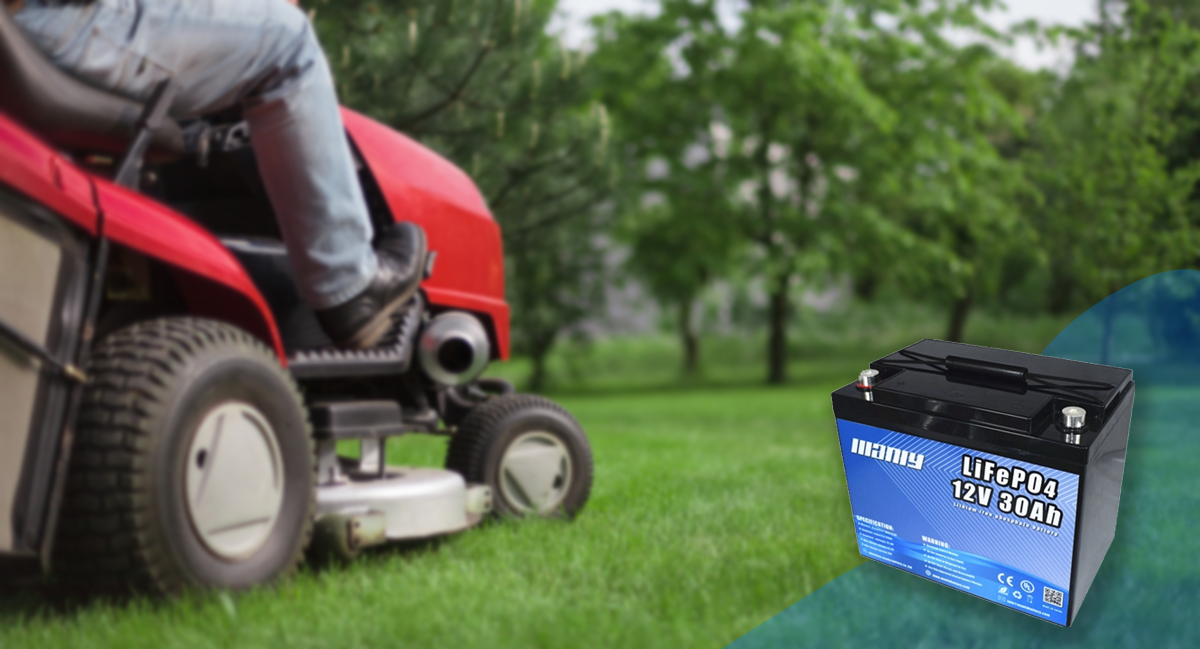
Image Source: manlybattery.com
Deciphering Your Tractor Battery’s Lifespan
The heart of your trusty lawn tractor, that small but mighty battery, plays a crucial role in getting your mowing done. But like all things, it has a finite life. So, how long can you expect your lawn tractor battery to keep chugging along? While a general estimate of 3 to 5 years is often cited, the reality is a bit more nuanced. Several factors come into play, influencing the lawn mower battery life and ultimately how often you’ll be looking at a lawn tractor battery replacement cost. Let’s dive deep into what determines your tractor battery’s endurance and how you can maximize it.
What Influences Tractor Battery Life?
Think of your tractor battery like the battery in your car. It’s subjected to various conditions, and how you treat it directly impacts its tractor battery lifespan. Here’s a breakdown of the key influences:
Usage Patterns and Frequency
The more you use your lawn tractor, the more the battery is cycled. Regular, consistent use, within reason, is often better than infrequent, prolonged periods of disuse.
- Frequent Starts: Each time you turn the key, the battery expends energy. Many short trips with frequent starts can strain a battery more than a longer mowing session.
- Infrequent Use: Leaving a tractor to sit for long periods, especially with a partially discharged battery, can lead to sulfation, a process that degrades the battery’s ability to hold a charge. This is a significant factor in a shortened riding mower battery duration.
Environmental Conditions
Your tractor’s battery isn’t living in a climate-controlled garage, so the environment plays a big part.
- Temperature Extremes:
- Heat: High temperatures accelerate the chemical reactions inside the battery, leading to faster degradation. Batteries left in scorching hot sheds or under direct sunlight during hot weather will suffer.
- Cold: While cold doesn’t damage the battery itself as much as heat, it significantly reduces its cranking power. A battery that’s already weak will struggle even more in frigid temperatures.
- Humidity: While less impactful than temperature, excessive humidity can contribute to corrosion on the battery terminals, hindering proper electrical connections.
Charging Habits and Battery Maintenance
How you keep your battery charged and the general care you provide are paramount to its longevity.
- Overcharging/Undercharging: Modern tractors have alternated charging systems, but issues can still arise. Consistently undercharging means the battery never reaches its full capacity, while overcharging can damage the internal components.
- Deep Discharges: Letting the battery drain completely frequently can shorten its life.
- Neglect: Simply ignoring the battery, not checking terminal connections, or failing to clean any corrosion can all lead to premature failure. This highlights the importance of lawn tractor battery maintenance.
Quality of the Battery
Not all batteries are created equal. The quality of the battery you start with significantly impacts its potential lifespan.
- Brand Reputation: Established brands often invest more in research and development, leading to more robust and reliable batteries.
- Materials and Construction: The quality of the lead plates, the electrolyte, and the overall construction of the battery case contribute to its durability. Opting for a best lawn tractor battery from a reputable manufacturer is a wise investment.
Alternator Functionality
The alternator is responsible for recharging the battery while the tractor is running.
- Faulty Alternator: If the alternator isn’t working correctly, it won’t sufficiently recharge the battery, leading to a constantly undercharged state and eventually a dead battery.
- Overcharging Alternator: Conversely, an alternator that overcharges can rapidly damage the battery.
Signs of a Bad Lawn Tractor Battery
Recognizing the early warning signs of a failing battery can save you a lot of frustration and prevent you from being stranded mid-mow. Keep an eye out for these common indicators:
- Slow Engine Crank: The most common symptom. If your tractor engine turns over slowly or struggles to start, it’s a strong indication the battery is losing its power.
- Clicking Sound: When you turn the key, you might hear a rapid clicking sound. This often means the battery has enough power to engage the starter solenoid, but not enough to turn the engine over.
- Dimming Lights: If your tractor has headlights or dashboard lights, observe their brightness. If they appear dim, especially when the engine isn’t running at full throttle, the battery might be weak.
- Corrosion on Terminals: While not a direct sign of a dead battery, significant corrosion on the battery terminals ( a white or bluish powdery substance) can impede the flow of electricity and mimic symptoms of a weak battery. This is often a sign that lawn tractor battery maintenance is needed.
- Swollen or Bloated Battery Case: This is a serious sign of internal damage, often caused by overcharging or extreme heat. A swollen battery is dangerous and should be replaced immediately.
- Unpleasant Odor: A rotten egg smell emanating from the battery can indicate it’s overheating or leaking electrolyte, both serious issues.
- Battery Age: As mentioned earlier, batteries typically have a lifespan of 3-5 years. If your battery is approaching or exceeding this age, it’s wise to test it or consider replacement proactively.
Maximizing Your Lawn Tractor Battery’s Life
Preventative care and smart usage are your best allies in extending the tractor battery lifespan. Here’s how to get the most out of your investment:
Regular Inspection and Cleaning
- Terminal Check: Periodically (every few months or at least before the mowing season), check the battery terminals for corrosion.
- Cleaning: If you see corrosion, disconnect the battery cables (negative first, then positive). Use a wire brush or a dedicated battery terminal cleaner to remove the corrosion. A mixture of baking soda and water can also be effective. Rinse with clean water and dry thoroughly before reconnecting the cables (positive first, then negative).
- Secure Connections: Ensure the battery cables are securely fastened to the terminals. Loose connections can lead to poor electrical flow and charging issues.
Proper Charging Practices
- Use the Right Charger: If you need to charge your battery manually, use a charger specifically designed for the type of battery you have (e.g., a 12-volt battery charger). Avoid trickle chargers that can overcharge if not properly regulated.
- Avoid Deep Discharges: Try not to let the battery drain completely. If you finish mowing and the tractor sits for a while, it’s good practice to put it on a charger to ensure it’s topped up.
- Smart Storage: If you store your tractor for extended periods (e.g., over winter), it’s crucial to maintain the battery’s charge.
- Full Charge: Ensure the battery is fully charged before storage.
- Disconnection: Disconnecting the battery from the tractor prevents parasitic drain (the small amount of power used by the tractor’s electronics even when off).
- Periodic Charging/Trickle Charger: Connect a smart trickle charger designed for battery maintenance. These chargers monitor the battery and provide a low charge only when needed, preventing overcharging and sulfation. This significantly impacts lawn tractor battery charge life.
Using a Battery Tender
A battery tender (or maintainer) is an invaluable tool for lawn tractor battery maintenance. Unlike a simple trickle charger, a smart battery tender monitors the battery’s voltage and delivers a charge only when necessary. This prevents overcharging and keeps the battery in optimal condition, especially during off-seasons.
Checking the Alternator
If you suspect your battery isn’t holding a charge well, it’s worth checking your tractor’s alternator. A mechanic can test this for you, or if you’re comfortable, you can use a multimeter to check the charging voltage while the engine is running.
Choosing the Best Lawn Tractor Battery
When it’s time to replace your battery, selecting the right one ensures optimal performance and longevity. Here’s what to consider when looking for the best lawn tractor battery:
- Group Size: Tractor batteries come in various group sizes (e.g., Group 24, Group U1). This is determined by the physical dimensions and terminal placement. Consult your tractor’s owner’s manual or the old battery itself to identify the correct group size.
- Cold Cranking Amps (CCA): This rating indicates the battery’s ability to start an engine in cold temperatures. A higher CCA rating is generally better, especially if you live in a region with cold winters.
- Reserve Capacity (RC): This measures how long the battery can deliver a specific amount of current. A higher RC means the battery can power accessories for longer or provide power if the charging system fails.
- Terminal Type: Ensure the terminals match your tractor’s cables. Most lawn tractors use standard automotive-style posts.
- Warranty: A good warranty can be an indicator of the manufacturer’s confidence in their product. Look for batteries with at least a one-year replacement warranty.
- Brand and Reviews: Research reputable brands and read reviews from other users to gauge reliability and performance.
Understanding Lawn Tractor Battery Replacement Cost
The lawn tractor battery replacement cost can vary significantly based on the brand, type, and where you purchase it.
- Basic Batteries: You can find basic, reliable batteries starting from around $60 to $100.
- Premium Batteries: Higher-end batteries with better warranties, higher CCA ratings, and from top brands can range from $100 to $200 or more.
- Installation: If you have a dealer or repair shop install the battery, expect an additional labor charge, typically between $20 and $50. Many owners find lawn tractor battery replacement a straightforward DIY task, saving on this cost.
How Often to Replace Tractor Battery
While the general guideline is every 3 to 5 years, you shouldn’t just replace it blindly. Proactive testing and recognizing the signs of a bad lawn tractor battery are better indicators.
- Annual Testing: Have your battery tested annually, especially before the peak mowing season. Many auto parts stores offer free battery testing.
- Age as a Factor: If your battery is 4 or 5 years old and starts showing any of the warning signs, it’s a good time to consider replacement, even if it’s still technically “working.” This helps avoid being caught out unexpectedly.
Frequently Asked Questions (FAQ)
Can I use a car battery in my lawn tractor?
Generally, no. While both are 12-volt batteries, car batteries are designed for the high bursts of power needed to start a car engine, whereas tractor batteries are designed for deeper discharge cycles and sustained power for accessories and the engine. Using a car battery can lead to premature failure of both the battery and potentially your tractor’s electrical system. Always use a battery designed for your specific tractor.
How do I know if my lawn tractor battery is dead?
A dead lawn tractor battery will typically fail to crank the engine at all. You might hear a single click or nothing when you turn the ignition key. Lights will likely be very dim or non-existent. If it previously cranked slowly and now won’t crank at all, it’s a strong indication of a dead battery.
What causes a lawn tractor battery to die quickly?
Several factors can cause a battery to die quickly:
* Leaving the tractor unused for long periods without charging the battery.
* A faulty alternator that isn’t recharging the battery properly.
* Extreme temperatures, especially prolonged heat.
* Corroded or loose battery terminals.
* Overcharging or undercharging due to electrical system issues.
* Using accessories that draw too much power without the engine running at sufficient RPMs.
Does leaving my lawn tractor battery on a trickle charger hurt it?
A proper trickle charger designed for battery maintenance should not harm your battery. However, older or less sophisticated trickle chargers can sometimes overcharge a battery, which can lead to damage. A “smart” battery tender or maintainer is a safer and more effective option for long-term storage as it automatically regulates the charge.
How do I check the lawn tractor battery charge life?
You can check the lawn tractor battery charge life using a multimeter. With the tractor off, measure the voltage across the terminals. A fully charged 12-volt battery should read around 12.6 volts or slightly higher. Anything below 12.4 volts indicates a partial discharge, and below 12.2 volts suggests the battery is significantly discharged and may be damaged if left in that state. You can also have it tested at an auto parts store, which will give a more comprehensive report on its health.
By paying attention to these details, you can ensure your lawn tractor battery serves you reliably for its intended lifespan and even beyond. Proper lawn tractor battery maintenance is key to avoiding unexpected breakdowns and costly replacements.