
Yes, you can treat your lawn for mushrooms, and it’s often about managing the underlying conditions that encourage their growth. Mushrooms in your yard aren’t just a visual nuisance; they’re a sign that your lawn’s ecosystem might be out of balance. This comprehensive guide will equip you with the knowledge to tackle those unwelcome mushroom patches in your yard, offering effective and safe lawn mushroom control strategies.
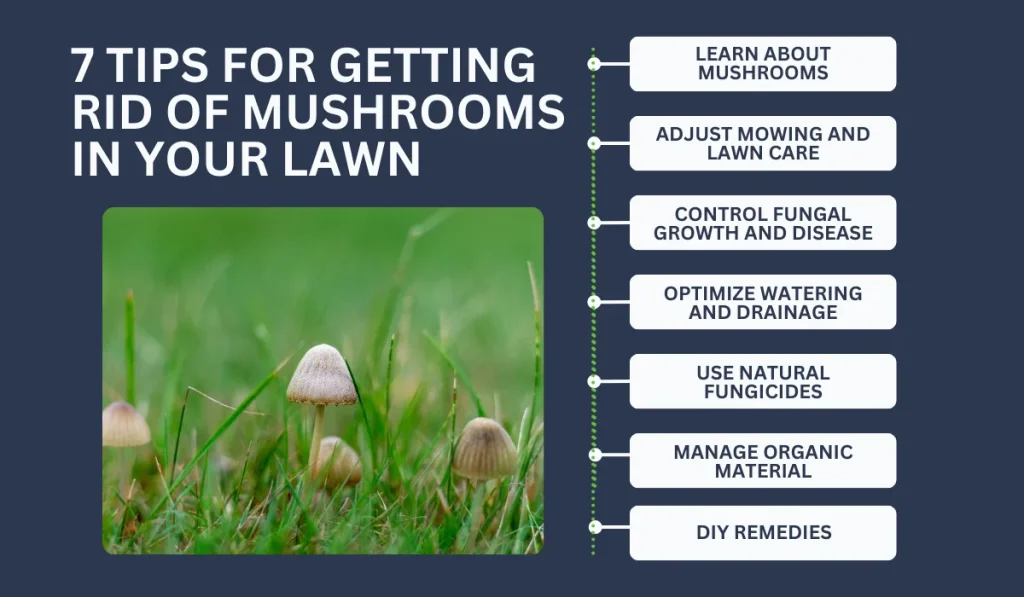
Image Source: sodlawn.com
Why Do Mushrooms Appear in My Lawn?
Mushrooms are the fruiting bodies of fungi that live underground. They thrive in damp, shady conditions and feed on decaying organic matter. Seeing mushrooms popping up is a natural part of the soil’s decomposition process, but excessive growth can indicate several issues:
- Excessive Moisture: Your lawn might be holding too much water due to poor drainage, over-watering, or compacted soil.
- Thatch Buildup: A thick layer of dead grass and organic material at the base of your grass blades creates a damp, nutrient-rich environment for fungi.
- Shady Areas: Many fungal species prefer shade, so areas under trees or dense shrubs are prime mushroom real estate.
- Decomposing Organic Matter: Buried roots, old tree stumps, animal waste, or even fallen leaves can provide a food source for these fungi.
- Soil Imbalances: Extreme pH levels or a lack of essential nutrients can stress your grass, making it more susceptible to fungal diseases.
Identifying the Type of Mushroom
While most common lawn mushrooms are harmless to your grass, it’s wise to be cautious, especially if you have pets or small children. Most lawn mushrooms are not poisonous to touch, but ingestion could be problematic for animals. However, for the purpose of lawn care for fungal growth, the specific type of mushroom is less critical than the conditions that allow it to grow. The goal is generally lawn mushroom control by addressing the environment, not by specifically targeting individual mushroom species.
Safe and Effective Lawn Mushroom Control Methods
Dealing with mushrooms on your lawn involves a multi-pronged approach. It’s about creating an environment where mushrooms don’t want to grow. Here’s how to get rid of mushrooms in grass safely and effectively.
1. Manual Removal: The Simplest Solution
The most immediate way to deal with visible mushrooms is to remove them.
How to Remove Mushrooms by Hand:
- Wear Gloves: Always wear gloves to avoid contact with any potential irritants or allergens, though most lawn mushrooms aren’t toxic to touch.
- Pull Them Out: Gently grasp the mushroom at its base and pull it straight up from the soil. Try to get the entire base.
- Dispose Properly: Place the mushrooms in a sealed bag and discard them in the trash. Don’t leave them on the lawn or compost them, as this can spread spores.
- Break Them Up: If you can’t pull them out whole, you can break them up and remove the pieces.
Important Note: Removing the mushrooms themselves is a temporary fix. They will return if the underlying conditions aren’t corrected. This is the first step in dealing with mushrooms on lawn but not the entire solution.
2. Improve Drainage and Reduce Moisture
Excessive moisture is a primary culprit. Addressing drainage is crucial for lawn disease treatment and preventing fungal issues.
Steps to Improve Drainage:
- Aeration: Core aeration involves pulling small plugs of soil from the lawn. This loosens compacted soil, allowing air, water, and nutrients to reach the roots, and helps surface water drain away more efficiently.
- Dethatching: If your thatch layer is more than half an inch thick, it’s time to dethatch. This process removes the matted layer of dead grass and organic material, improving air circulation and reducing moisture retention.
- Leveling Low Spots: Fill in any depressions in your lawn where water tends to pool.
- Adjust Watering Schedule: Water deeply but infrequently. Allow the soil to dry out slightly between waterings. Aim to water in the early morning so the grass blades can dry before nightfall.
3. Manage Thatch Buildup
A thick thatch layer is a breeding ground for fungi, including those that produce mushrooms. Lawn care for fungal growth often centers on thatch management.
Thatch Reduction Techniques:
- Dethatching (Scarifying): Use a power dethatcher or a garden rake with stiff tines to pull out the thatch. Do this in the spring or fall when the grass is actively growing.
- Proper Fertilization: Avoid over-fertilizing, especially with high-nitrogen fertilizers, as this can encourage rapid thatch development.
- Mowing Practices: Mow your lawn at the correct height for your grass type. Don’t cut off more than one-third of the grass blade at a time. Leave grass clippings on the lawn (mulching mower) unless they are excessively long, as they break down and return nutrients to the soil.
4. Address Shade Issues
If mushrooms are persistent in shady areas, consider how to manage the shade.
Shade Management Strategies:
- Prune Trees: Trim lower branches of trees and thin out dense canopies to allow more sunlight and air circulation to reach the lawn.
- Choose Shade-Tolerant Grass Varieties: If you have consistently shady areas, consider overseeding with grass species that are known to perform well in low-light conditions.
- Reduce Watering in Shady Spots: These areas dry out slower, so they require less watering.
5. Eliminate Food Sources
Mushrooms feed on decaying organic matter. Removing potential food sources can help with organic lawn mushroom removal.
Eliminating Food Sources:
- Remove Debris: Regularly rake up fallen leaves, twigs, and other organic debris.
- Bury or Remove Animal Waste: Promptly clean up after pets.
- Remove Old Stumps and Roots: If you have old tree stumps or large buried roots, these are prime spots for mushroom growth. While removing large stumps can be a significant undertaking, smaller ones can be dug out. For larger stumps, consider hiring a professional.
6. Fertilization and Soil Health
A healthy lawn is more resistant to fungal issues. Proper soil health is key to lawn care for fungal growth.
Promoting Soil Health:
- Soil Testing: Get your soil tested to determine its pH and nutrient levels.
- Correct pH: Amend the soil if the pH is too acidic or alkaline. Most grasses prefer a slightly acidic to neutral pH (6.0-7.0).
- Balanced Fertilization: Use a balanced fertilizer according to soil test recommendations. Avoid over-fertilizing.
- Compost Application: Top-dressing your lawn with a thin layer of compost can improve soil structure, drainage, and microbial activity, creating a healthier environment.
7. Natural Lawn Fungus Remedies and Treatments
While many commercial fungicides target specific turf diseases, there are also natural lawn fungus remedies that can help with mushroom control.
Natural Options:
- Baking Soda: A diluted solution of baking soda and water can sometimes help control fungal growth. Mix 1 tablespoon of baking soda with 1 gallon of water and a few drops of mild liquid soap. Apply to affected areas. Test on a small patch first, as it can affect grass color.
- Vinegar: Similar to baking soda, a diluted vinegar solution can be used. Mix 1 part white vinegar with 4 parts water. Apply with caution, as it can also affect grass.
- Compost Tea: Applying compost tea can introduce beneficial microbes that compete with or inhibit fungal growth.
- Corn Gluten Meal: Applied in early spring before mushroom growth, corn gluten meal acts as a natural pre-emergent herbicide and can also suppress fungal growth by inhibiting root development of certain fungi. This is a good approach for organic lawn mushroom removal.
Table 1: Natural Lawn Fungus Remedies
| Remedy | Application Method | Notes |
|---|---|---|
| Baking Soda | Spray diluted solution (1 tbsp/gallon water) | Test on small area first. May temporarily affect grass color. |
| Vinegar | Spray diluted solution (1 part vinegar: 4 parts water) | Use with caution, can harm grass. Best for spot treatment. |
| Compost Tea | Water or foliar spray | Introduces beneficial microbes. Promotes overall soil health. |
| Corn Gluten Meal | Broadcast spreader | Apply in early spring. Acts as pre-emergent and can suppress fungal growth. |
8. Chemical Treatments (Use with Caution)
While not always necessary, if you’re struggling with persistent and widespread mushroom growth that you suspect is linked to a more serious lawn disease treatment, chemical fungicides might be considered.
Chemical Fungicide Considerations:
- Identify the Problem: If you suspect a fungal disease beyond just mushrooms, consult a local extension office or a lawn care professional to accurately diagnose the issue.
- Read Labels Carefully: Always follow product instructions precisely. This includes application rates, timing, safety precautions, and environmental impact.
- Target Specific Fungi: Most fungicides are designed for specific fungal diseases. Generic mushroom control is less common, as mushrooms are just the visible part of a larger fungal network.
- Environmental Impact: Be aware that chemical fungicides can affect beneficial soil organisms and may have environmental consequences. This is why organic lawn mushroom removal and natural methods are often preferred for dealing with mushrooms on lawn.
When to Consider Professional Help:
If you’ve tried several methods and the mushroom problem persists, or if you suspect a more serious underlying lawn disease, it might be time to call a professional. They can accurately diagnose the problem and recommend the most effective lawn disease treatment.
Lawn Mushroom Prevention: Keeping Them Away
The best approach to dealing with mushrooms on lawn is prevention. Once you’ve cleared existing mushrooms, focus on maintaining a healthy lawn.
Key Prevention Strategies:
- Maintain Healthy Turf: A dense, healthy lawn is more resistant to fungal invasion.
- Proper Watering: Avoid overwatering. Water deeply but less frequently, preferably in the morning.
- Regular Aeration and Dethatching: Keep thatch to a minimum (under half an inch). Aerate annually or bianquially.
- Adequate Sunlight: Trim trees to allow more light penetration.
- Good Air Circulation: Ensure your lawn isn’t surrounded by dense, overgrown shrubs or fences that block airflow.
- Clean Up Organic Debris: Rake leaves and other debris promptly.
- Balanced Fertilization: Feed your lawn appropriately, but don’t overdo it.
By focusing on these preventative measures, you can create a lawn environment that is less hospitable to the fungi that cause mushroom patches in yard. This proactive approach is crucial for long-term lawn mushroom prevention.
Frequently Asked Questions (FAQ)
Q1: Are lawn mushrooms dangerous to my pets or children?
Most common lawn mushrooms are not poisonous to touch. However, it’s always best to discourage pets and children from eating any wild mushrooms, as some species can be toxic if ingested. The primary concern for pets is usually accidental consumption.
Q2: Can I just ignore the mushrooms?
While ignoring them won’t harm your grass directly, the presence of mushrooms often indicates underlying soil or moisture issues that could, over time, lead to more serious lawn disease treatment needs or weaker turf. They are a visual indicator that something might need adjustment in your lawn care for fungal growth practices.
Q3: How long does it take to get rid of lawn mushrooms?
There’s no immediate fix. Removing visible mushrooms is temporary. It can take several weeks or months of consistent management of soil conditions, drainage, and thatch to significantly reduce their recurrence. Lawn mushroom prevention is a continuous process.
Q4: Will fungicides kill the mushrooms?
Fungicides are designed to kill fungi. However, they are typically targeting specific turf diseases and might not be effective against all types of fungi that produce mushrooms. Furthermore, they don’t address the root cause (poor soil conditions, moisture) that allows mushrooms to thrive. They are a last resort for lawn disease treatment rather than a primary method for lawn mushroom control.
Q5: What is the best time of year to deal with lawn mushrooms?
Mushrooms typically appear after periods of rain and in humid weather, often in late summer and fall. However, the best time to prevent them is year-round by maintaining good lawn care practices, and specifically to dethatch and aerate in the spring or fall. Addressing the underlying causes is key to effective lawn mushroom control.
Q6: Is it okay to leave grass clippings on the lawn?
Yes, in moderation. Grass clippings break down and return nutrients to the soil. However, if you’ve mowed very long grass or if the clippings are clumped, they can contribute to thatch buildup and retain moisture, potentially encouraging fungal growth. Use a mulching mower and avoid leaving excessive clippings.
By following these guidelines, you can effectively manage and prevent mushroom growth in your lawn, creating a healthier and more attractive outdoor space. Remember, a healthy lawn is the best defense against all types of fungal issues.