
Can you clean aluminum garden furniture? Yes, you absolutely can! Keeping your aluminum garden furniture looking its best is easier than you might think. With the right approach, you can remove dirt, grime, and even minor corrosion, restoring that attractive shine. This guide will walk you through the process of aluminium furniture cleaning and outdoor furniture maintenance.
Aluminum garden furniture is a popular choice for many homes. It’s lightweight, durable, and generally resistant to rust. However, over time, exposure to the elements can cause it to lose its luster. Dust, pollen, bird droppings, and general dirt can accumulate, making your furniture look dull and uninviting. If left untreated, stubborn stains and even a slight greenish tint (oxidation) can appear. Fortunately, with a few simple steps, you can effectively clean garden furniture made of aluminum and bring back its original sparkle.
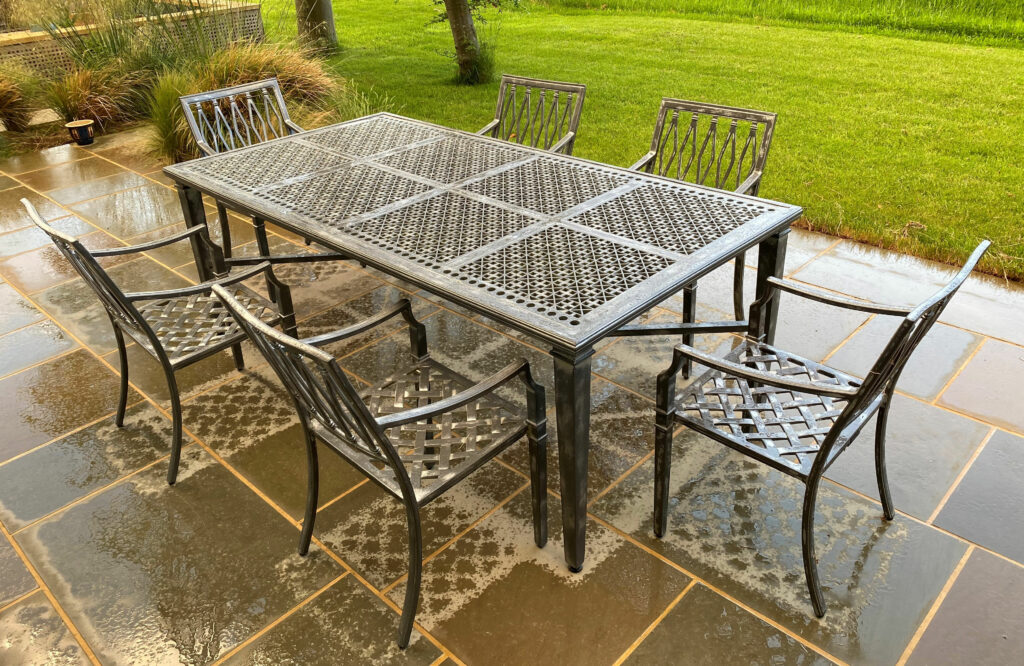
Image Source: www.oxleys.com
Preparing Your Workspace
Before you start cleaning, it’s important to prepare your workspace. This ensures a smooth and efficient cleaning process and protects surrounding areas.
Gather Your Supplies
Having all your tools and cleaning agents ready before you begin is crucial. This prevents interruptions and ensures you have what you need for each step.
Here’s a list of essential supplies for aluminium furniture cleaning:
- Buckets: You’ll need at least two buckets – one for your cleaning solution and one for rinsing.
- Soft Brushes: A soft-bristled brush or an old toothbrush is great for scrubbing intricate areas and getting into crevices.
- Microfiber Cloths or Soft Sponges: These are ideal for washing and drying without scratching the aluminum surface.
- Hose or Water Source: For rinsing away the cleaning solution and dirt.
- Mild Soap: Dish soap is usually sufficient for general cleaning.
- Baking Soda (Optional): A great natural abrasive for tougher stains.
- Vinegar (Optional): Can help with water spots and some types of grime.
- Protective Gloves: To protect your hands from cleaning solutions.
- Old Towels or Drop Cloths: To protect the ground beneath your furniture.
- Metal Polish (Optional): For restoring a high shine.
Choose the Right Location
Select a location that’s easy to clean and won’t be affected by runoff from your cleaning.
- On the Lawn: This is often a good choice as grass can absorb excess water and soap.
- On a Patio or Deck: Lay down old towels or drop cloths to protect the surface from the cleaning solutions and to catch drips.
- Out of Direct Sunlight: Cleaning in direct sunlight can cause cleaning solutions to dry too quickly, leaving streaks. Choose a shaded spot or clean during the cooler parts of the day.
The Cleaning Process: Step-by-Step
Now that you have your supplies and workspace ready, let’s get down to the actual aluminium furniture cleaning.
Step 1: Initial Rinse
Begin by giving your aluminum furniture a good rinse with water from a hose. This will remove loose dirt, dust, and debris, making the subsequent washing more effective.
- Use a gentle spray from your hose.
- Pay attention to any cushions or fabric parts; if they are removable, take them off to clean separately.
Step 2: Prepare Your Cleaning Solution
The best way to clean aluminium typically involves a mild solution. For most cleaning tasks, a simple mixture of mild dish soap and water is highly effective.
DIY Aluminium Furniture Cleaner Options
You have a few choices for creating your cleaning solution:
- Mild Soap and Water: This is the go-to for everyday cleaning.
- Fill one bucket with warm water.
- Add a few drops of mild dish soap.
- Stir gently to create suds.
- Baking Soda Paste: For tougher grime or light oxidation, baking soda is your friend.
- Mix baking soda with a little water to form a thick paste.
- This paste acts as a gentle abrasive.
- Vinegar Solution: White vinegar can help tackle water spots and mineral deposits.
- Mix equal parts white vinegar and water in a bucket.
- Use this sparingly and rinse thoroughly.
Table 1: Cleaning Solution Strengths
| Problem | Recommended Solution | Method |
|---|---|---|
| General Dust and Grime | Mild soap and water | Wash with a soft cloth/sponge, rinse well. |
| Stubborn Stains, Bird Droppings | Baking soda paste | Apply paste, let sit for a few minutes, gently scrub, rinse well. |
| Water Spots, Mineral Deposits | White vinegar and water (50/50) | Apply with a cloth, let sit briefly, scrub gently, rinse thoroughly. |
Step 3: Washing the Furniture
Now it’s time to apply your chosen cleaning solution.
- Dip your soft cloth or sponge into the cleaning solution.
- Wipe down the entire surface of the aluminum furniture. Work in small sections.
- For stubborn spots, gently scrub with your soft-bristled brush. Remember, aluminum can be scratched, so avoid abrasive pads or harsh scrubbing.
- If using the baking soda paste, apply it to the stained areas and let it sit for 5-10 minutes before gently scrubbing.
- Ensure you clean all parts, including legs, arms, and any decorative elements.
Step 4: Rinsing Thoroughly
Rinsing is a critical step to ensure no soap residue is left behind, which can cause streaks or attract dirt later.
- Use your hose to rinse the furniture thoroughly.
- Start from the top and work your way down, ensuring all soap is washed away.
- Double-check crevices and joints for any hidden soap residue.
Step 5: Drying the Furniture
Proper drying is essential to prevent water spots and maintain the shine.
- Use clean, dry microfiber cloths to wipe down all surfaces.
- Pat the furniture dry rather than rubbing vigorously.
- Allow the furniture to air dry completely in a shaded area.
Tackling Tougher Issues
Sometimes, aluminum garden furniture faces more than just general dirt. Here’s how to address common problems like oxidation and stubborn stains.
Removing Oxidation (The Greenish Tint)
Aluminum can oxidize when exposed to moisture and air, creating a dull, chalky or sometimes greenish-white layer. This is not rust, but rather a form of corrosion. You need to remove corrosion aluminium and other oxidation marks.
Methods to Remove Oxidation
- Baking Soda Paste: As mentioned earlier, a paste of baking soda and water is often effective for light oxidation.
- Apply the paste to the oxidized areas.
- Gently scrub with a soft cloth or sponge.
- Rinse thoroughly and dry.
- Commercial Aluminum Cleaners: For more stubborn oxidation, specialized aluminum cleaners are available.
- Always test these on an inconspicuous area first to ensure they don’t damage the finish.
- Follow the manufacturer’s instructions carefully. Wear gloves and ensure good ventilation.
- Steel Wool (Use with Extreme Caution): For very heavy oxidation on certain types of aluminum finishes (like raw, unpainted aluminum), very fine grade steel wool (0000 grade) can be used.
- This is a last resort and can scratch the finish.
- Always rub in the direction of the grain if visible.
- Use it with a mild lubricant like soapy water.
- Rinse and dry immediately.
Important Note: If your aluminum furniture has a painted or powder-coated finish, avoid abrasive methods like steel wool or harsh cleaners that can strip the paint. Stick to mild soap and water or a specialized cleaner designed for painted surfaces.
Dealing with Stubborn Stains
- Grease or Oil Stains: Try a degreasing dish soap or a paste made from baking soda and water. For very tough grease, a small amount of mineral spirits on a cloth can be used, but test in an inconspicuous area first and rinse thoroughly.
- Mold or Mildew: A solution of equal parts water and white vinegar can help. For persistent mold, a very diluted bleach solution (1 part bleach to 10 parts water) can be used, but rinse immediately and thoroughly. Always wear gloves and ensure good ventilation when using bleach.
Restoring the Shine: Polishing Aluminium Furniture
Once your aluminum furniture is clean and dry, you might want to restore its original gleam. Polishing can really make a difference.
Options for Polishing
- Commercial Aluminum Polish: These products are specifically designed to shine aluminum.
- Apply a small amount of polish to a clean, soft cloth.
- Rub the polish onto the aluminum surface using a circular motion or following the grain.
- Buff off the residue with a separate clean, dry cloth until the desired shine is achieved.
- Ensure you use a polish suitable for outdoor furniture.
- Car Wax: A high-quality car wax can provide a protective shine and make future cleaning easier.
- Apply a thin, even coat of car wax to the clean, dry surface.
- Allow it to haze over according to the product instructions.
- Buff off with a clean, soft cloth.
- DIY Polish (For Lighter Shine): For a subtle shine, you can sometimes use a bit of olive oil or mineral oil on a cloth. Apply a very thin layer and buff it in. This is more of a temporary fix and won’t provide the lasting shine of dedicated polishes.
Table 2: Shine Restoration Methods
| Desired Outcome | Method | Application |
|---|---|---|
| High, Lasting Shine | Commercial Aluminum Polish | Apply with cloth, rub, buff off. |
| Protective Sheen | Car Wax | Apply thin coat, let haze, buff off. |
| Subtle, Temporary Shine | Mineral Oil/Olive Oil | Apply very thin layer with cloth, buff in. (Less durable) |
Protecting Your Polished Furniture
After polishing, applying a protective coating is a good idea. This helps to repel dirt, water, and UV rays, keeping your furniture looking good for longer.
- Car Wax: As mentioned, car wax provides a durable protective layer.
- Specialized Sealants: You can find sealants specifically designed for outdoor furniture or metal surfaces. These often offer UV protection as well.
Protecting Aluminium Garden Furniture: Ongoing Maintenance
Outdoor furniture maintenance isn’t a one-time event. Regular care will extend the life and beauty of your aluminum furniture.
Regular Cleaning
- Weekly Wipe-Down: Even a quick wipe with a damp cloth can prevent the buildup of dust and pollen.
- Address Spills Immediately: Clean up bird droppings, food spills, or sap as soon as possible to prevent staining.
Seasonal Care
- Spring Cleaning: Give your furniture a thorough cleaning at the beginning of the season.
- End-of-Season Storage: Before storing your furniture for winter, clean it thoroughly. If you live in an area with harsh winters, consider covering your furniture with breathable furniture covers or storing it in a shed or garage. This protects it from snow, ice, and extreme temperature fluctuations.
What to Avoid
- Harsh Chemicals: Avoid abrasive cleaners, oven cleaners, and strong solvents unless specifically recommended for aluminum and the furniture’s finish.
- Abrasive Scrubbing Tools: Steel wool (unless 0000 grade for specific issues on raw aluminum, with extreme caution), scouring pads, and stiff brushes can scratch the surface.
- Pressure Washers (Use with Caution): While a gentle rinse from a pressure washer might be okay from a distance, high pressure can damage finishes and force water into crevices.
Frequently Asked Questions (FAQ)
Here are some common questions people have about cleaning aluminum garden furniture.
Q1: Can I use a pressure washer on aluminum garden furniture?
A1: It’s best to avoid high-pressure washing. If you do use one, use the lowest setting, keep the nozzle a good distance away, and never aim directly at any joints or seams, as this could damage the finish or push water into areas where it could cause problems. A gentle hose rinse is usually sufficient and safer.
Q2: What’s the difference between aluminum and wrought iron furniture cleaning?
A2: Aluminum is generally lighter and doesn’t rust like iron. Iron furniture, especially if it has a painted finish, can chip and rust, requiring rust removal treatments and repainting. Aluminum cleaning focuses more on removing surface grime, oxidation, and maintaining its finish without damaging the metal itself.
Q3: How often should I clean my aluminum garden furniture?
A3: For best results and to maintain its appearance, a light cleaning every few weeks and a more thorough cleaning at the beginning and end of the outdoor season is recommended. Addressing spills as they happen will also help.
Q4: Will baking soda scratch my aluminum furniture?
A4: Baking soda is a mild abrasive. When used as a paste with water and scrubbed gently with a soft cloth or sponge, it’s unlikely to scratch most aluminum finishes. However, always test in an inconspicuous area first, especially if your furniture has a delicate painted or coated finish. Avoid vigorous scrubbing.
Q5: How do I deal with white powdery residue on my aluminum furniture?
A5: This is likely oxidation. Try cleaning it with a mild soap and water solution first. If that doesn’t work, use a baking soda paste or a specialized aluminum cleaner designed to remove oxidation. Ensure you rinse and dry thoroughly afterward.
Q6: Can I leave my aluminum furniture outside all year round?
A6: While aluminum is weather-resistant, leaving it exposed to harsh winter elements like snow and ice can still cause wear and tear. It’s ideal to store it in a protected area like a shed or garage, or at least cover it with a breathable furniture cover to prolong its life and keep it looking its best.
By following these steps, you can effectively clean garden furniture made of aluminum, remove corrosion aluminium that may appear, and keep it looking shiny and new for years to come. Regular maintenance and proper cleaning techniques are key to enjoying beautiful, functional outdoor living spaces.