
Can you stop tree roots from sprouting in your lawn? Yes, you can! The best way involves a combination of proactive measures and targeted solutions to manage and redirect root growth, preventing them from causing issues.
Tree roots are vital for a tree’s health, anchoring it and drawing up water and nutrients. However, when these natural growth patterns intersect with our carefully manicured lawns and even our homes, they can become a significant problem. Encountering unruly roots pushing up through your grass can be frustrating, and worse, they can damage foundations, disrupt plumbing, and create tripping hazards. Fortunately, there are effective strategies to prevent tree roots growing into lawn and to stop tree roots damaging foundations. This guide will delve into the most effective methods for managing intrusive tree roots and keeping your lawn looking its best.
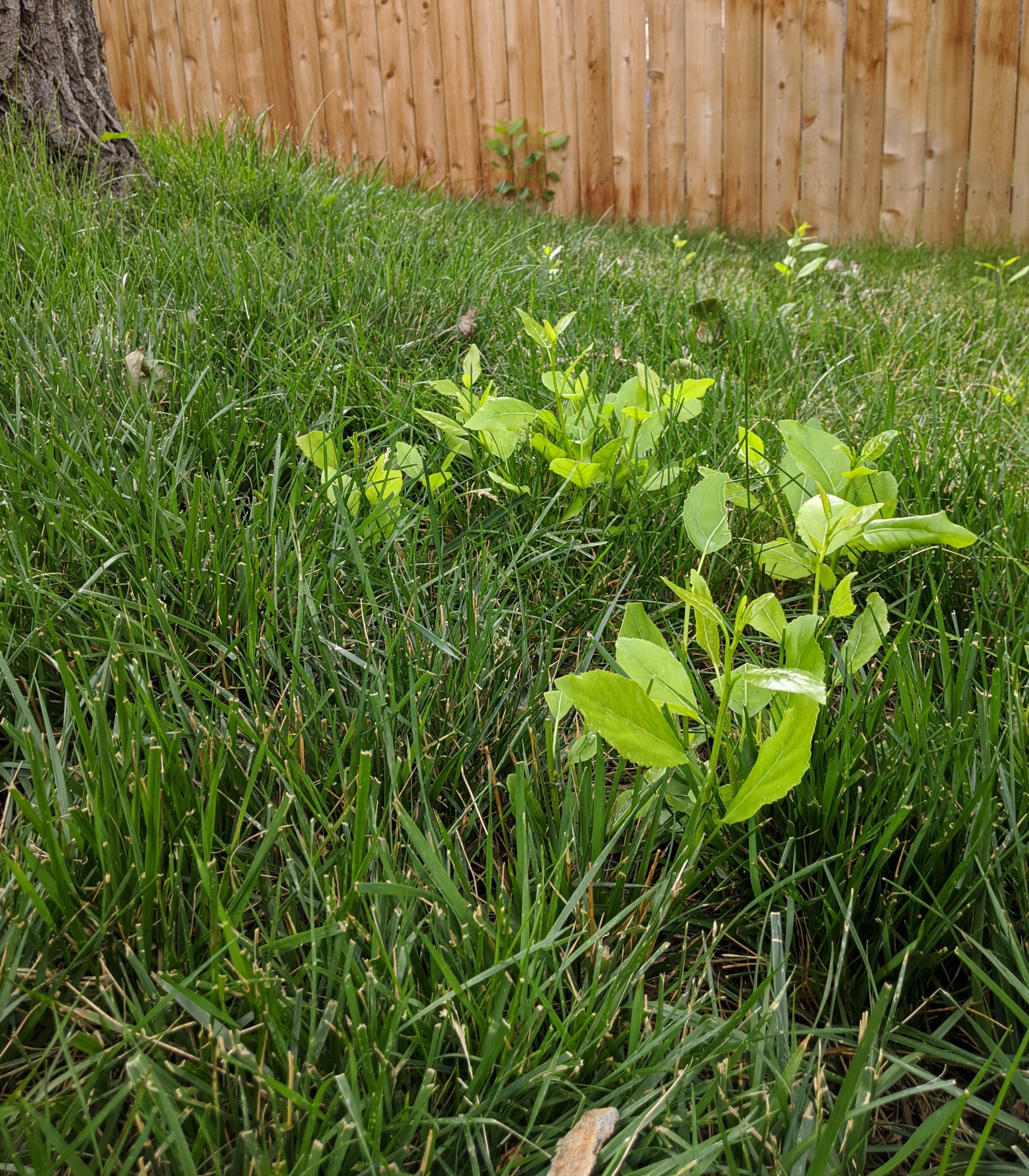
Image Source: organolawn.com
Why Tree Roots Become a Lawn Problem
Before we explore solutions, it’s helpful to grasp why tree roots venture into your lawn.
- Water and Nutrients: Tree roots naturally seek out sources of moisture and nutrients. If your lawn is well-watered and fertilized, it becomes an attractive destination for root systems, especially if the soil around the tree’s base is less hospitable.
- Compacted Soil: Heavily compacted soil around a tree’s trunk can restrict root growth downwards. This forces roots to spread horizontally, often into the looser, more accessible soil of your lawn.
- Shallow Rooted Trees: Some tree species, by nature, have shallower and more extensive root systems. Oaks, maples, and willows are common examples.
- Construction and Landscaping: Nearby construction, trenching, or even aggressive landscaping can damage a tree’s primary root system, encouraging compensatory outward and upward growth.
- Hardscaping: The presence of hard surfaces like patios, driveways, or sidewalks can also create barriers, pushing roots towards the surface and into your lawn.
Methods to Stop Tree Roots Sprouting in Your Lawn
Effectively managing tree roots requires a multi-pronged approach. The goal is not always to kill tree roots in lawn entirely, as this can harm the tree, but rather to control their direction and growth.
1. Physical Root Barriers
Physical root barriers are one of the most effective long-term solutions for managing tree roots in soil. These are structures installed in the ground to redirect root growth away from desirable areas.
Types of Physical Root Barriers:
-
Solid Barriers: These are typically made from heavy-duty plastic (polyethylene or polypropylene), fiberglass, or treated lumber. They are installed vertically into the ground, forming an impermeable wall.
- Installation Depth: The key is to install them deep enough to intercept the majority of surface-rooting growth. A depth of 24-36 inches is often recommended, but this can vary depending on the tree species and its typical root depth.
- Material Considerations: Opt for UV-resistant and durable materials that won’t degrade quickly in the soil. Thick, high-density polyethylene (HDPE) is a popular choice.
- Joints and Seams: Ensure that seams are properly overlapped or sealed to prevent roots from finding gaps.
-
Silt Fences/Landscape Fabric: While less robust than solid barriers, these can offer a degree of root control for smaller or younger trees. They are primarily designed to prevent soil erosion but can also slow down shallow root expansion. However, they are prone to being breached by more determined roots over time.
Installing a Tree Root Barrier:
- Identify the Root Zone: Determine the likely path of the roots you want to block. This often involves looking for visible surface roots or considering the tree’s drip line.
- Excavate a Trench: Dig a trench along the planned barrier line. The width of the trench should accommodate the barrier material and allow for backfilling.
- Place the Barrier: Carefully install the barrier material into the trench, ensuring it’s vertical and extends to the required depth. If using panels, overlap them generously.
- Backfill and Compact: Backfill the trench with soil, compacting it gently around the barrier.
- Replant Lawn: Once the barrier is in place, you can re-sod or re-seed the lawn.
Advantages of Physical Root Barriers:
- Long-lasting and effective.
- Environmentally friendly (no chemicals).
- Can be very precise in their application.
Disadvantages of Physical Root Barriers:
- Labor-intensive to install.
- Can be costly, especially for large areas.
- Requires digging, which can disturb existing soil structure.
2. Root Pruning
Root pruning is a technique used to sever or redirect intrusive roots. While it can be effective, it must be done carefully to avoid harming the tree.
When to Consider Root Pruning:
- When surface roots are a tripping hazard.
- When roots are actively pushing up patio stones or walkways.
- As a preventative measure before construction near a tree.
How to Prune Roots Safely:
- Depth Matters: Generally, avoid pruning roots deeper than 12-18 inches, as this is where the majority of the tree’s feeder roots reside.
- Cut Cleanly: Use sharp, sterilized tools like a root saw or sharp spade to make clean cuts. Ragged cuts are more susceptible to disease.
- Distance from Trunk: Avoid pruning roots within the root collar zone (the area where the trunk flares out to meet the roots), as this can severely damage the tree. A general guideline is to stay at least 10-15 tree trunk diameters away from the trunk for established trees.
- Limit the Amount: Do not remove more than 20-30% of the total root system at one time. If extensive pruning is needed, do it in stages over several years.
- Consider the Side: If you’re pruning roots to install a tree root barrier, prune on the side where the barrier will be installed.
Advantages of Root Pruning:
- Can be effective for immediate problem areas.
- Can encourage deeper root growth if done correctly.
Disadvantages of Root Pruning:
- Risk of damaging the tree if done improperly.
- Roots can regrow if the underlying cause isn’t addressed.
- Temporary solution if not combined with other methods.
3. Chemical Root Control
Chemical root control involves using specialized herbicides to inhibit or kill tree roots. This method should be approached with caution and is often best left to professionals.
How Chemical Root Control Works:
These chemicals are typically applied to the soil in trenches or along the edge of the root zone. They work by:
- Inhibiting cell division: Preventing roots from growing and elongating.
- Killing root tips: Making them unable to absorb water and nutrients.
Common Chemicals and Applications:
- Dichlobenil: This is a common herbicide used in chemical root control for pipes and hardscapes. It is applied as a granular formulation into a trench. It’s important to note that dichlobenil is a soil sterilant and can affect other plants if it leaches or is misapplied.
- Proprietary Root Inhibitors: Several companies offer specific formulations designed for managing tree roots in soil. These are often professional-grade products.
Important Considerations for Chemical Root Control:
- Environmental Impact: Chemicals can leach into groundwater or affect non-target plants. Use them judiciously and according to label instructions.
- Tree Health: Overuse or misapplication can damage the tree itself, especially if the chemical comes into contact with the trunk or main root flares.
- Professional Application: Due to the risks, it is highly recommended to hire a certified arborist or pest control professional for chemical root control applications. They have the knowledge and equipment to apply these chemicals safely and effectively.
- Best Root Killer for Lawns: When seeking a best root killer for lawns, it’s crucial to differentiate between killing weeds and controlling tree roots. Many general lawn herbicides are not effective against tree roots, and some can harm your lawn itself. Products specifically designed for root control are necessary.
Advantages of Chemical Root Control:
- Can be effective in preventing roots from entering specific areas, like sewer lines.
- Less labor-intensive than installing physical barriers.
Disadvantages of Chemical Root Control:
- Potential for environmental harm.
- Risk to tree health if misapplied.
- May require repeat applications.
- Often expensive.
4. Strategic Planting and Landscape Design
Sometimes, the best way to prevent tree roots growing into lawn is through careful planning before planting or by adjusting your current landscape.
Choosing the Right Tree:
- Shallow-Rooted Species: If you are planting a new tree near a sensitive area like a patio or foundation, research species known for their deeper, less invasive root systems. Consult local arborists for recommendations.
- Root Flare: Ensure trees are planted with their root flare exposed, not buried. This encourages proper root development.
Landscape Modifications:
- Soil Amendments: Improving soil structure around the tree can encourage roots to grow downwards rather than spreading horizontally.
- Watering Practices: Avoid over-watering the lawn, especially near the tree. Water deeply and infrequently to encourage roots to seek water deeper in the soil.
- Edging and Mulching: A well-maintained landscape edge with a deep mulch layer can sometimes help to discourage surface root growth into the lawn. However, this is often a temporary or minor deterrent.
5. Direct Intervention for Visible Roots
When roots are already visible and causing problems in your lawn, you have a few direct options.
Root Removal from Lawn Surface:
- Careful Excavation: For minor surface intrusions, you can carefully excavate the soil around the offending root.
- Pruning: If the root is small and manageable, you can prune it cleanly with a sharp saw. Again, ensure you are not cutting into the main root flares or removing a significant portion of the root system.
- Soil Leveling: After pruning, you can backfill the area with soil and reseed your lawn.
Using a “Best Root Killer for Lawns” (with caveats):
As mentioned, the term “root killer” can be misleading. For visible roots causing immediate surface disruption, you might consider carefully applied herbicides. However, this is risky. If you’re looking to kill tree roots in lawn specifically, products with glyphosate are sometimes used, but they are non-selective and will kill any plant they touch, including your grass. Their effectiveness against established tree roots is also limited, and they pose significant risks to the tree’s health. This is generally not the recommended approach for controlling tree roots in a lawn setting due to the potential for collateral damage.
Preventing Tree Roots Damaging Foundations
Stop tree roots damaging foundations by implementing barriers and managing root growth well before any issues arise.
Proximity is Key:
- Planting Distance: The most critical preventative measure is to plant trees at an appropriate distance from your home’s foundation. For larger trees, this can mean 15-30 feet or more, depending on the species and its mature root spread.
- Species Selection: Choose trees with less aggressive or shallower root systems for planting closer to structures.
Foundation Barriers:
- Vertical Barriers: Similar to those used for lawn control, vertical tree root barriers can be installed along the foundation to prevent roots from growing towards the house. These should be installed deep enough to intercept growing roots.
- Horizontal Barriers: In some cases, a horizontal barrier placed just below the surface can help to encourage roots to grow downwards away from the foundation.
Drainage Management:
- Proper Grading: Ensure that your yard’s grading directs water away from the foundation.
- Drainage Systems: Install French drains or other drainage solutions if water tends to pool near the foundation, as this can attract roots.
Monitoring and Maintenance:
- Regularly inspect the area around your foundation for any signs of root intrusion.
- Address small problems before they become major ones.
Eliminating Intrusive Tree Roots: A Holistic Approach
Eliminating intrusive tree roots is often about management and redirection rather than complete eradication. A holistic approach considers the tree’s health, your landscape’s aesthetics, and the structural integrity of your property.
Key Strategies Summarized:
| Strategy | Description | Best For | Considerations |
|---|---|---|---|
| Physical Root Barriers | Installing impermeable walls in the soil to redirect root growth. | Long-term control, protecting structures, severe root intrusion. | Labor-intensive, costly, requires careful installation. |
| Root Pruning | Carefully severing roots that are causing problems. | Immediate removal of surface roots, targeted problem areas. | Risk of tree damage if done incorrectly, temporary if not combined with other methods. |
| Chemical Root Control | Using specialized herbicides to inhibit or kill roots. | Preventing roots in pipes, specific containment needs (often professional). | Environmental risks, potential harm to tree, requires expert application. |
| Strategic Planting | Choosing appropriate tree species and planting them at a suitable distance. | New plantings, long-term prevention. | Requires research, planning, and knowledge of tree species. |
| Landscape Modifications | Improving soil, adjusting watering, using mulch. | Encouraging deeper root growth, minor deterrence. | Limited effectiveness for severe problems, complements other methods. |
| Direct Intervention | Excavating and pruning visible surface roots. | Minor surface intrusions, immediate aesthetic fixes. | Must be done carefully to avoid harming the tree. |
When to Call a Professional:
For significant root problems, especially those impacting structures or involving mature trees, it’s always advisable to consult with a certified arborist or a landscaping professional specializing in root management. They can:
- Assess the extent of the root problem.
- Identify the tree species and its root characteristics.
- Recommend the most appropriate and safest solutions.
- Perform specialized treatments like chemical root control or advanced root pruning.
Frequently Asked Questions (FAQ)
Q1: How deep do tree roots grow?
Tree roots can grow surprisingly deep, though the majority of a tree’s root system (around 90%) is typically found in the top 18-36 inches of soil. However, taproots of some species can extend much deeper, sometimes to the water table. The spread can also be very wide, often extending 2-3 times the width of the tree’s canopy.
Q2: Can I just cut off tree roots that sprout in my lawn?
Yes, you can cut off small, visible roots that are sprouting in your lawn, but it needs to be done carefully. Use a sharp saw and make a clean cut. Avoid cutting major roots close to the trunk, and do not remove more than 20-30% of the root system. This is often a temporary fix unless combined with other management strategies.
Q3: What is the best root killer for lawns?
For tree roots, there isn’t a single “best root killer for lawns” that is safe for your grass and effective against tree roots without causing harm. Chemicals designed to kill tree roots are usually specific herbicides that are best applied by professionals and can damage your lawn if misused. For managing intrusive roots, physical barriers or careful root pruning are generally safer and more effective methods than chemical “killers” in a lawn setting.
Q4: Will a tree root barrier completely stop roots?
A properly installed tree root barrier is highly effective at redirecting root growth. While it’s difficult to guarantee complete cessation of all root activity, a barrier installed to the correct depth and width will force the roots to grow around it, away from the protected area.
Q5: How can I prevent tree roots from growing into my sewer line?
To stop tree roots damaging foundations and pipes, especially sewer lines, consider installing a physical tree root barrier along the line of the pipe or using specialized chemical root treatments designed for sewer lines (often applied by professionals). Choosing a tree species with less aggressive roots for planting near utilities is also crucial.
By employing a combination of these methods and understanding the natural growth patterns of trees, you can successfully manage intrusive roots and maintain a healthy, attractive lawn and property.