
So, how often should you mow your lawn in summer? In summer, you’ll typically need to mow your lawn once a week, but this can vary. Factors like grass type, weather, and how much you water your lawn all play a role.
Summer is a busy time for your lawn, and for you! It’s when grass really wants to grow. To keep your lawn looking its best and staying healthy, you need to know the right lawn mowing frequency. This guide will help you figure out exactly how often to mow your lawn during the summer months.
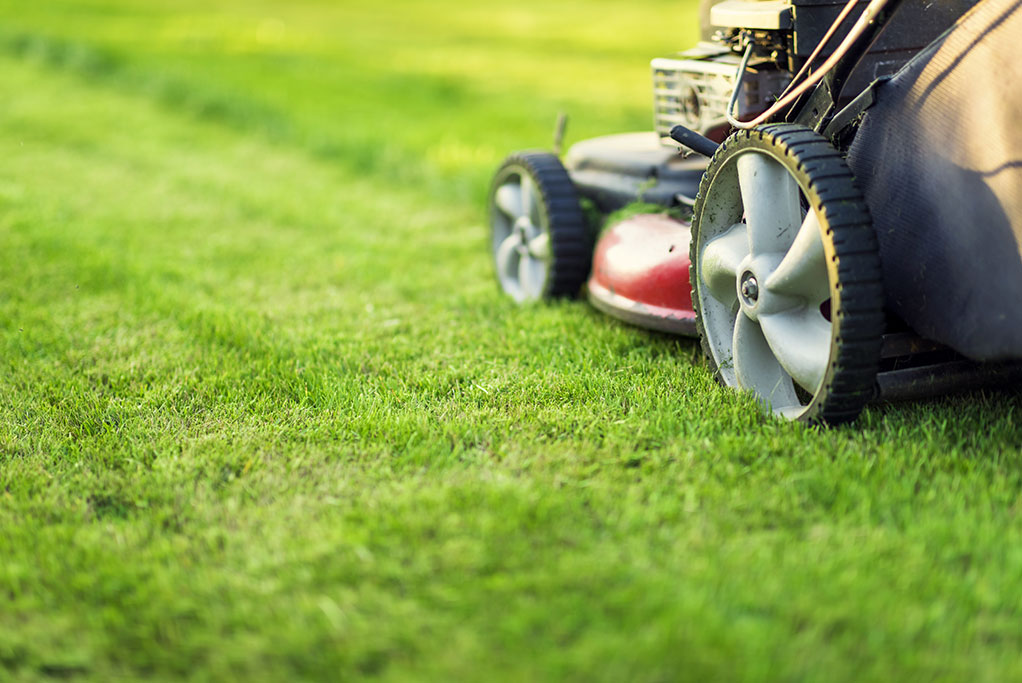
Image Source: www.powerproequipment.com
Seasonal Grass Growth and Mowing Needs
Summer weather, with its warm temperatures and often ample sunlight, is prime time for grass growth. However, this growth can be a double-edged sword. While vigorous growth is good, excessive heat and dryness can stress your lawn. Adjusting your lawn maintenance schedule to account for these factors is crucial for maintaining a lush and healthy yard.
Factors Affecting Grass Growth Rate
Several things influence how fast your grass grows:
- Grass Type: Different types of grass have different growth rates. Cool-season grasses (like fescue and bluegrass) may slow down in extreme heat, while warm-season grasses (like Bermuda and Zoysia) thrive and grow rapidly in summer.
- Temperature: Grass grows fastest within its optimal temperature range. For cool-season grasses, this is typically between 60-75°F (15-24°C). Warm-season grasses prefer temperatures between 80-95°F (27-35°C).
- Sunlight: Plenty of sunshine provides the energy grass needs to grow.
- Water: Adequate watering encourages growth. However, overwatering can lead to problems.
- Fertilization: Proper feeding with the right nutrients will boost growth.
Table 1: Common Grass Types and Their Summer Growth Tendencies
| Grass Type | Growth Tendency in Summer | Ideal Mowing Height (Inches) | Typical Mowing Frequency (Summer) |
|---|---|---|---|
| Kentucky Bluegrass | Moderate (may slow in extreme heat) | 2.5 – 3.5 | Weekly |
| Tall Fescue | Moderate to Vigorous | 3 – 4 | Weekly |
| Perennial Ryegrass | Moderate | 2 – 3 | Weekly |
| Zoysia Grass | Vigorous | 1 – 2.5 | Twice Weekly (or as needed) |
| Bermuda Grass | Very Vigorous | 0.5 – 1.5 | Twice Weekly (or as needed) |
| St. Augustine | Moderate to Vigorous | 3 – 4 | Weekly |
| Centipede Grass | Moderate | 1.5 – 2.5 | Weekly |
Determining Your Lawn’s Ideal Mowing Height
The ideal mowing height is not a one-size-fits-all answer. It depends on your grass type and the time of year. In summer, mowing slightly higher can benefit your lawn.
Why Mowing Height Matters in Summer
- Shade for Soil: Taller grass blades shade the soil, which helps keep it cooler and reduces water evaporation. This is vital for dealing with heat and drought stress.
- Deeper Roots: Grass that is allowed to grow taller develops deeper root systems. Deeper roots can access moisture further down in the soil, making the lawn more resilient during dry spells.
- Weed Suppression: Taller grass can crowd out weeds, preventing them from getting sunlight and establishing themselves.
Adjusting Mowing Height for Different Grass Types
As seen in Table 1, different grass types have different preferred heights. Always consult recommendations for your specific grass variety. For example, if you have Bermuda grass, which thrives in heat, you’ll likely need to mow more often and at a shorter height than if you have fescue.
The Rule of Thirds: A Mowing Guideline
A fundamental principle in lawn care is the “rule of thirds.” This means you should never remove more than one-third of the grass blade’s length in a single mowing session.
How the Rule of Thirds Impacts Frequency
- Stress Reduction: Removing too much grass at once shocks the plant, stresses it, and can lead to browning or weakened growth. By adhering to the rule of thirds, you ensure the grass remains healthy and can recover quickly.
- Consistent Growth: Following this rule helps maintain a consistent growth cycle, encouraging a denser and more robust lawn.
- Calculating Frequency: If your grass type’s ideal height is 3 inches, and you want to maintain it at 3 inches, you should mow when it reaches 4 inches. This means you’re cutting off 1 inch, which is less than a third of the blade. If your grass is growing quickly, this might mean mowing more than once a week. If growth slows due to heat, you might extend the time between mows.
Best Time to Mow Your Lawn in Summer
The best time to mow your lawn in summer is crucial for both the health of your grass and your own comfort.
Morning Mowing
Mowing in the morning, after the dew has dried, is generally a good practice.
- Benefits: The grass blades are firm and upright, making them easier to cut cleanly. The grass has the rest of the day to recover from the mowing before the cooler evening temperatures.
- Considerations: Avoid mowing too early, especially if the grass is wet, as this can lead to clumping and potential disease spread.
Afternoon Mowing
While possible, mowing in the heat of the afternoon can be stressful for both you and the grass.
- Risks: Mowing when temperatures are very high can further stress the grass, potentially causing it to wilt or turn brown. The cut blades may also dry out quickly.
- Tips if you must mow in the afternoon: Ensure your lawn is well-watered beforehand. Mow at the highest recommended setting for your grass type.
Evening Mowing
Mowing in the evening can also be a good option, especially if mornings are busy.
- Benefits: The heat of the day has begun to subside, making it more comfortable for you.
- Considerations: Ensure you finish before dark to avoid missing any spots and to allow the grass to settle before nightfall. Avoid mowing when the grass is still damp from dew.
Watering and Mowing: A Crucial Partnership
Watering and mowing are interconnected elements of good summer lawn care. Proper watering can influence how often you need to mow and how well your lawn tolerates mowing.
Watering Before Mowing
- Benefits: A well-hydrated lawn is more resilient. Watering a day or two before mowing can help the grass blades stand up straighter, making for a cleaner cut. It also reduces stress on the grass if you need to mow slightly shorter than usual.
- Caution: Never mow wet grass. This can lead to clumping, uneven cuts, dull mower blades, and can spread diseases. Ensure the grass is dry before you start mowing.
Watering After Mowing
- Benefits: If you’ve mowed and the weather is hot and dry, watering afterwards can help the grass recover and prevent wilting.
- Timing: It’s best to water deeply and infrequently rather than shallowly every day. Watering in the early morning is ideal, as it minimizes evaporation and allows the grass to absorb moisture before the heat of the day.
Best Practices for Summer Lawn Mowing
Beyond frequency and timing, several other practices contribute to healthy summer lawn care.
Keep Your Mower Blades Sharp
Sharp blades are essential for a clean cut. Dull blades tear the grass, leaving ragged edges that can lead to browning and increase susceptibility to disease.
- Frequency: Aim to sharpen your mower blades at least once a year, or more often if you have a large lawn or encounter tough grass.
- Benefit: Sharp blades promote faster healing of grass blades, leading to a healthier and more attractive lawn.
Mulch Your Grass Clippings
When you mow, consider leaving the clippings on the lawn. This practice is called “grasscycling.”
- Benefits: Grass clippings are a natural source of nitrogen and other nutrients, acting as a free fertilizer. They also help retain moisture in the soil.
- When to Avoid: Don’t mulch if the clippings are too long and clumpy. If they form thick mats, they can smother the grass beneath. In these cases, it’s better to bag them or compost them.
Adjust for Heat and Drought
During periods of extreme heat or drought, it’s best to adjust your mowing routine.
- Reduce Frequency: If your lawn is struggling with heat stress, reduce your mowing frequency. Allow the grass to grow slightly taller to provide more shade to the soil.
- Raise Mower Deck: Always raise your mower deck to the highest recommended setting for your grass type.
- Avoid Mowing Dormant Grass: If your lawn goes dormant due to drought (turns brown but isn’t dead), do not mow it. Mowing dormant grass can cause further damage. Resume mowing only when the grass begins to green up again.
Dealing with Diseased Grass
If you notice signs of fungal disease, take extra precautions.
- Avoid Mowing: Do not mow diseased grass, as this can spread the spores to other areas of your lawn or to neighboring properties.
- Clean Equipment: Thoroughly clean your mower and any other tools that have come into contact with the diseased grass to prevent further spread.
- Water Wisely: Avoid watering in the evening, as this can exacerbate fungal growth.
Frequency of Cutting Grass: A Practical Approach
So, how does this all translate into the actual frequency of cutting grass?
- Typical Summer Week: For most homeowners with established lawns in average summer conditions, a weekly mow is usually sufficient to adhere to the rule of thirds.
- Fast Growth Periods: If you fertilize your lawn, receive consistent rainfall, or have a fast-growing grass type, you might find yourself needing to mow twice a week to keep up.
- Slow Growth Periods: During extreme heat waves or drought, your lawn might slow its growth significantly. In these cases, you might extend mowing to every 10-14 days, ensuring you only remove a small portion of the blade each time.
Lawn Health Tips for Summer
To maintain a healthy lawn throughout the summer, consider these additional lawn health tips:
- Aeration: If your soil is compacted, consider aerating your lawn in the spring or fall. This improves air, water, and nutrient penetration to the roots, which is beneficial for summer health.
- Dethatching: Remove any excessive thatch (a layer of dead grass stems and roots) in the spring or fall. A thick thatch layer can prevent water and nutrients from reaching the soil.
- Overseeding: For cool-season grasses that may struggle in the heat, overseeding in the fall with more heat-tolerant varieties can improve resilience for the following summer.
- Pest and Disease Monitoring: Regularly inspect your lawn for signs of pests or diseases. Early detection and treatment can prevent widespread damage.
Frequently Asked Questions (FAQ)
Q1: How often should I mow my lawn in the summer heat?
A1: During peak summer heat, it’s best to mow less frequently, if at all. Raise your mower deck to the highest setting and only mow when necessary, ensuring you don’t remove more than one-third of the blade. If your lawn is dormant, do not mow.
Q2: Can I mow my lawn when it’s wet?
A2: No, it’s strongly advised not to mow wet grass. This can lead to clumping, uneven cuts, damage to the mower, and spread diseases. Wait until the grass is dry.
Q3: Is it okay to leave grass clippings on the lawn?
A3: Yes, leaving grass clippings on the lawn (grasscycling) is beneficial. They act as a natural fertilizer and help retain soil moisture. Avoid doing this if the clippings are long and form thick clumps.
Q4: What is the best time of day to mow my lawn in summer?
A4: The best times are generally in the morning after the dew has dried, or in the late afternoon/early evening when temperatures are cooler. Avoid mowing during the hottest part of the day.
Q5: My grass is growing very fast. How often should I mow?
A5: If your grass is growing rapidly, you will need to increase your mowing frequency to maintain the ideal height and follow the rule of thirds. This could mean mowing twice a week for certain grass types in optimal conditions.
Q6: Does watering my lawn affect how often I should mow?
A6: Yes, proper watering supports healthy growth. A well-watered lawn might grow faster, potentially requiring more frequent mowing. Conversely, if you are intentionally limiting water to manage drought stress, growth will slow, and mowing frequency can decrease. Ensure the lawn is dry before mowing, even if it has been watered.
By following these guidelines, you can ensure your lawn stays healthy, vibrant, and looks its best throughout the summer months, navigating the challenges of heat and rapid growth with confidence.