
What is the best way to remove rabbit poop from my yard? The most effective method involves a combination of raking, scooping, and proper disposal, tailored to the amount of droppings and the type of surface.
Rabbit droppings, often referred to as rabbit pellets or “cocoa puffs,” are a common sight in yards where wild rabbits frequent or where pet rabbits spend time outdoors. While generally harmless and even beneficial as fertilizer in moderation, accumulated droppings can be unsightly, potentially attract pests, and create an unsanitary environment. This guide will walk you through how to remove rabbit poop from yard areas, ensuring a clean and tidy outdoor space. We’ll cover everything from basic rabbit droppings cleanup to more advanced rabbit waste removal techniques for various situations, including dealing with pet rabbit poop in garden areas and managing outdoor rabbit droppings.
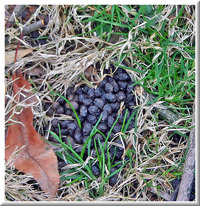
Image Source: 9a3b1f6d90-custmedia.vresp.com
Why Clean Up Rabbit Poop?
Before diving into the “how,” let’s briefly touch on the “why.” While rabbit droppings are organic and will eventually decompose, there are several compelling reasons for prompt rabbit droppings cleanup:
- Aesthetics: Large accumulations of droppings can make a yard look untidy and uninviting.
- Hygiene: In areas where children or pets play, it’s good practice to remove droppings to minimize contact with potential bacteria or parasites, although the risk is generally low for healthy rabbits.
- Garden Health: While rabbit poop is excellent fertilizer, excessive amounts can burn plant roots or attract unwanted insects. For pet rabbit poop in garden scenarios, you might want to control its distribution.
- Preventing Over-fertilization: Like any fertilizer, too much of a good thing can be detrimental. Removing excess droppings helps maintain a balanced nutrient level in your soil.
- Discouraging Further Activity: While rabbits are drawn to certain areas by food and shelter, keeping their waste cleaned up can, in some cases, make an area less appealing for them to frequent.
Tools and Supplies for Rabbit Poop Removal
Gathering the right tools makes the task of rabbit waste removal much simpler and more efficient. Here’s what you’ll typically need:
Essential Tools
- Garden Rake: A sturdy metal rake is ideal for gathering droppings from grassy areas.
- Scoop or Shovel: For collecting larger piles or droppings on hard surfaces. A trowel can also work for smaller jobs.
- Plastic Bags or Bucket: For temporary collection of the waste. Biodegradable bags are a good eco-friendly option.
- Gloves: Protect your hands from contact with the droppings.
- Wheelbarrow or Garden Cart: For transporting larger quantities of droppings if needed.
Optional but Helpful Tools
- Leaf Blower: Can be surprisingly effective for consolidating droppings on large, open lawn areas, especially when dry.
- Stiff Brush: Useful for cleaning droppings from hard surfaces like patios or sidewalks.
- Water Hose: For rinsing away any residue after collection.
Methods for Rabbit Poop Removal by Surface Type
The most effective approach to cleaning rabbit excrement often depends on where the droppings are located.
1. Removing Rabbit Poop from Lawns and Grass
This is the most common scenario for backyard rabbit waste.
Step-by-Step Process:
- Wait for Dry Conditions: Rabbit droppings are much easier to collect when they are dry and firm. If the droppings are wet or mushy, wait for a dry spell.
- Use a Rake: For grassy areas, a metal garden rake is your best friend. Gently rake the affected areas. The tines of the rake will effectively gather the pellets. Work in one direction to consolidate the droppings into piles.
- Scoop the Piles: Once you have created manageable piles, use a scoop or a gloved hand (with a bag) to collect them.
- Consider a Leaf Blower (Dry Droppings Only): For very large, sparse droppings on a dry lawn, a leaf blower can help push the pellets together into a central location for easier collection. Be mindful of wind direction.
- Bagging: Place the collected droppings into plastic bags or a dedicated bucket.
Tips for Lawn Cleanup:
- Frequency: Regularly inspect your lawn and remove droppings as you see them. This prevents significant build-up.
- Avoid Mowing Over: If droppings are left to decompose, mowing over them can help break them down. However, this isn’t ideal for immediate garden cleanliness rabbit droppings concerns.
2. Removing Rabbit Poop from Garden Beds and Flower Pots
Dealing with pet rabbit poop in garden areas requires a slightly different approach, especially if you are cultivating edibles.
Step-by-Step Process:
- Manual Collection: The most precise method is careful hand-picking. Wear gloves and use a small trowel or your gloved fingers to collect the droppings directly from the soil or around plants.
- Gentle Raking (if appropriate): If the droppings are on bare soil in a garden bed and not too close to delicate plants, a gentle raking can help consolidate them for collection. Be very careful not to disturb plant roots or damage young seedlings.
- Use a Soft Brush: For droppings stuck to leaves or stems, a soft brush can help dislodge them without causing damage.
- Bagging: Collect all removed droppings in bags for disposal.
Important Considerations for Gardens:
- Fertilizer Value: Rabbit droppings are rich in nitrogen, phosphorus, and potassium, making them an excellent organic fertilizer. If you’re dealing with organic rabbit poop removal, you might choose to leave a moderate amount in garden beds to decompose and enrich the soil, especially for non-edible plants.
- Edible Plants: If you have pet rabbit poop in garden beds where you grow vegetables or fruits, it’s generally recommended to remove the droppings to avoid any potential transfer of bacteria to your produce, or simply to control the nutrient levels.
- Composting: Rabbit droppings are excellent additions to a compost pile.
3. Removing Rabbit Poop from Paved Surfaces (Patios, Decks, Sidewalks)
This is usually the easiest type of outdoor rabbit droppings to manage.
Step-by-Step Process:
- Scoop Directly: Use a dustpan and brush, a small shovel, or a gloved hand to scoop the droppings directly into a bag or bucket.
- Sweep: A stiff-bristled broom can be effective for gathering droppings on these surfaces.
- Rinse (Optional): Once the bulk of the droppings are removed, you can rinse the area with a hose to remove any lingering residue.
- Bagging: Collect all removed droppings.
Safe Removal of Rabbit Feces: Disposal Options
Once you’ve collected the rabbit droppings, how do you dispose of them? Proper rabbit pellets disposal is key.
- Trash Bin: The most straightforward method is to bag the droppings securely and place them in your regular household trash. This is especially recommended for pet rabbit poop in garden areas to prevent cross-contamination.
- Composting: Rabbit droppings are a “green” material, rich in nitrogen, making them a valuable addition to a compost bin. Mix them with “brown” materials like dry leaves, shredded paper, or straw for a balanced compost.
- Composting Benefits: Turns waste into nutrient-rich soil amendment.
- Composting Process: Mix droppings with carbon-rich materials. Allow the pile to heat up and decompose over several months. Ensure the compost is well-aged before using it on edible plants.
- Burying (with caution): In areas where permitted and not close to water sources, you can bury a moderate amount of droppings. However, this is generally less controlled than composting and not ideal for large quantities or if you’re concerned about garden cleanliness rabbit droppings.
- Using as Fertilizer (with care): Fresh rabbit droppings are potent fertilizers. If you choose to use them directly, mix them well into the soil around plants (not directly touching roots) and water thoroughly. It’s often better to let them age slightly or compost them first to avoid burning plants. This is a form of organic rabbit poop removal that directly benefits your soil.
Table: Disposal Method Comparison
| Disposal Method | Pros | Cons | Best For |
|---|---|---|---|
| Trash Bin | Simple, contained, prevents spread | Takes up landfill space | All situations, especially for pet waste |
| Composting | Creates valuable fertilizer, eco-friendly | Requires space and time, potential odor if not managed | Backyard waste, non-pet waste, general garden |
| Burying | Natural decomposition, out of sight | Potential for leaching, less controlled | Small amounts, remote areas |
| Direct Use | Immediate fertilization | Risk of burning plants, potential nutrient imbalance | Aged droppings or well-mixed into soil |
Dealing with Large Infestations of Outdoor Rabbit Droppings
If your yard is a popular spot for wild rabbits, you might encounter a significant amount of outdoor rabbit droppings.
Strategies for Large-Scale Cleanup:
- Rake and Shovel: For extensive grassy areas, a wide rake and a shovel or scoop are essential. You might consider renting a garden rake with a wider head for efficiency.
- Wheelbarrow: A wheelbarrow or garden cart will be invaluable for moving large quantities of collected droppings to your disposal point.
- Scheduled Cleanups: If rabbits are a persistent issue, schedule regular cleanups. Instead of one big task, breaking it down into smaller, frequent sessions makes it more manageable.
- Discouraging Rabbits: While not directly a rabbit droppings cleanup method, reducing the rabbit population can decrease the amount of waste. This can involve:
- Removing attractants: Clear away fallen fruit, dense brush, and overgrown vegetation where rabbits like to hide.
- Fencing: Install fencing around gardens or specific areas.
- Repellents: Natural or commercial repellents can deter rabbits.
Cleaning Rabbit Excrement from Specific Items
Sometimes, droppings can end up on items like outdoor furniture, toys, or even pet shelters.
- Outdoor Furniture: Use a brush or cloth to sweep or wipe away droppings. For stubborn residue, a damp cloth or a gentle spray of water can help. Ensure furniture is dry afterward to prevent mildew.
- Toys: Sweep or wipe droppings off. If plastic toys are heavily soiled, they can be washed with soap and water.
- Pet Enclosures: If your pet rabbit uses an outdoor enclosure, regular rabbit waste removal from bedding and surfaces is crucial for their health and hygiene. This usually involves scooping out soiled bedding and wiping down surfaces.
Frequently Asked Questions (FAQ) about Rabbit Poop Removal
Q1: Is rabbit poop dangerous to humans?
A1: Rabbit droppings themselves are not typically dangerous to humans. However, like any animal waste, they can potentially carry bacteria or parasites. It’s always good practice to wash your hands thoroughly after handling them and to avoid direct contact with food.
Q2: Can I leave rabbit poop in my garden?
A2: Yes, in moderation, rabbit poop is an excellent organic fertilizer. If you have wild rabbits, a few droppings scattered around are fine. If you have a pet rabbit in the garden or a large concentration of droppings, it’s best to remove the excess to prevent over-fertilization or potential issues with edible plants.
Q3: How often should I remove rabbit poop?
A3: This depends on how many rabbits are present and how quickly the droppings accumulate. For wild rabbits, a weekly or bi-weekly check and cleanup is often sufficient. For pet rabbits using an outdoor area, daily spot cleaning of their living space is recommended.
Q4: Does rabbit poop attract other pests?
A4: While rabbit droppings themselves are not a primary attractant for many pests, any organic matter left to decompose can potentially attract insects like flies or beetles. Keeping the area clean minimizes this possibility.
Q5: What is the best way to dispose of large amounts of rabbit poop?
A5: For large amounts, composting is the most environmentally friendly option. If composting isn’t feasible, bagging and disposing of it in your regular trash is the next best step.
Conclusion: Maintaining a Tidy Yard
Effectively managing outdoor rabbit droppings is a manageable task with the right approach. By understanding the best tools and techniques for different surfaces, you can ensure your yard remains clean, tidy, and pleasant. Whether you’re dealing with occasional wild rabbit visitors or maintaining a space for pet rabbit poop in garden areas, consistent rabbit droppings cleanup and proper rabbit waste removal will contribute to a healthier and more enjoyable outdoor environment. Remember to prioritize safe removal of rabbit feces and explore options like composting for a sustainable way to handle rabbit pellets disposal and enhance your garden’s health. Achieving excellent garden cleanliness rabbit droppings is within reach with a little effort and the right strategy.