
When can you walk on an overseeded lawn? You can generally walk on an overseeded lawn lightly once the new grass blades are at least 2-3 inches tall and have started to fill in. Avoid heavy foot traffic, especially during the initial germination period and seed establishment phase.
Overseeding your lawn is a fantastic way to thicken it, improve its color, and introduce more resilient grass varieties. However, the success of your overseeding efforts hinges critically on proper watering. Getting the watering right is the most crucial step in ensuring those tiny seeds sprout and thrive. This guide will walk you through everything you need to know about how often to water an overseeded lawn, from the first sprinkle to healthy seed establishment.
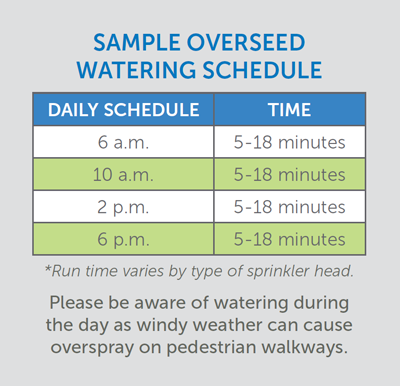
Image Source: www.brightview.com
The Importance of Consistent Moisture for Germination
The germination period is a delicate phase for newly sown grass seeds. For seeds to sprout, they need consistent moisture. Think of it like providing the perfect environment for a tiny seed to wake up and grow. If the soil dries out too much, the germination process can stop, and even already sprouted seedlings can die.
What Seeds Need to Germinate
- Moisture: This is the absolute key. Seeds absorb water, which triggers the sprouting process.
- Temperature: The soil temperature needs to be within the ideal range for the specific grass type you’ve sown.
- Oxygen: Roots need air to breathe.
- Light: Some seeds need light, while others prefer darkness.
For watering purposes, our main focus is maintaining that critical moisture level.
Maintaining Optimal Moisture Levels
The goal is to keep the top inch of soil consistently moist, but not waterlogged. This might sound tricky, but it’s achievable with the right approach.
- Frequent, Light Watering: Instead of deep, infrequent watering, opt for shorter, more frequent watering sessions. This prevents the surface from drying out, which is vital for those delicate seedlings.
- Checking Soil Moisture: The best way to know if you’re watering enough is to check the soil. Gently probe the soil with your finger or a trowel. If it feels dry an inch down, it’s time to water.
- Environmental Factors: Wind, sun intensity, and temperature will all affect how quickly the soil dries out. On hot, windy days, you’ll need to water more often.
Your Overseeding Watering Schedule: A Step-by-Step Approach
Developing a proper watering schedule for your overseeded lawn requires observation and adaptation. There isn’t a single fixed schedule that works for everyone, as conditions vary. Instead, we’ll focus on a responsive approach.
Phase 1: From Seeding to Germination (The Critical First Two Weeks)
This is the most sensitive period. Your primary objective is to keep the seedbed constantly moist.
- Watering Frequency: You’ll likely need to water 1-3 times a day.
- Watering Techniques: Use a fine spray or mist setting on your hose or sprinkler. The goal is to moisten the soil surface without washing away the seeds. A heavy stream of water can dislodge seeds and create uneven germination.
- Duration: Keep each watering session short, perhaps 5-10 minutes. The aim is to keep the top layer of soil consistently damp, not saturated.
- Observation is Key: Watch the weather. If it’s hot and dry, you’ll need to water more frequently. If it’s cool and humid, you might get away with less.
- Avoid Drying Out: Never let the soil surface dry out completely during this phase. This is the fastest way to kill your efforts.
Daily Watering Routine (Example for Phase 1)
| Time of Day | Action | Notes |
|---|---|---|
| Early Morning | Light watering (mist setting) | Helps rehydrate the soil after the cooler night. |
| Mid-day | Light watering (mist setting) – If needed | Crucial on hot, sunny, or windy days to prevent the surface from drying. Check soil moisture before watering. |
| Late Afternoon/Early Evening | Light watering (mist setting) | Ensures seeds remain moist overnight, especially important if you had a dry day or a particularly warm evening. Avoid watering too late into the night, which can encourage fungal diseases. |
Phase 2: Seedling Emergence and Early Growth (Weeks 2-4)
Once you see those tiny green shoots pushing through the soil, it’s an exciting milestone! Your watering strategy needs to adapt slightly.
- Watering Frequency: You can start to reduce watering frequency slightly, perhaps to once or twice a day.
- Watering Techniques: Continue using a fine spray. However, you can gradually increase the duration of each watering to encourage deeper root growth.
- Goal: Shift from keeping the surface moist to encouraging roots to grow downwards into the soil.
- Soil Hydration: Aim to keep the soil hydrated to a depth of about 1-2 inches.
- Observation: Continue to monitor the soil moisture. If the top half-inch feels dry, it’s time for a watering.
Adjusting the Watering Schedule
As seedlings grow, they become a bit more resilient but still need consistent moisture.
- Reduce Frequency, Increase Duration: Instead of watering three times for 5 minutes, try watering twice for 10 minutes. This encourages roots to seek water deeper in the soil.
- Monitor Seedling Appearance: If the young grass blades start to look a bit dull or droopy, it’s a sign they need water.
Phase 3: Establishing the New Grass (Week 4 Onwards)
As your new grass gets more established, you can transition to a more mature lawn watering schedule.
- Watering Frequency: Aim for 2-3 times per week, depending on rainfall and temperature.
- Watering Techniques: Now you can switch to deeper watering. The goal is to soak the soil to a depth of 4-6 inches. This encourages the grass roots to grow deep, making the lawn more drought-tolerant.
- Duration: Each watering session should be longer, potentially 20-30 minutes or more, to achieve that deep soil hydration.
- Watering Times: Water in the early morning. This allows the grass blades to dry off during the day, reducing the risk of fungal diseases. Avoid watering in the evening.
Transitioning to a Regular Watering Plan
- Deep and Infrequent: This is the mantra for established lawns. It builds a strong root system.
- Monitor Lawn Needs: Your lawn will tell you when it needs water. Look for signs like a dull blue-grey color, or footprints that remain after you walk on it.
- Rainfall: Always consider natural rainfall. If you receive a good soaking, you can skip a scheduled watering.
Factors Influencing Your Watering Frequency
Several factors will influence how often you need to water your overseeded lawn. Being aware of these will help you fine-tune your watering schedule.
Soil Type
Different soil types retain moisture differently.
- Sandy Soils: Drain quickly and don’t hold much water. You’ll need to water more frequently, but perhaps for shorter durations.
- Clay Soils: Hold water longer and drain more slowly. You’ll need to water less frequently, but ensure you water deeply to avoid saturation and potential runoff.
- Loamy Soils: A good balance, retaining moisture well while also draining adequately.
Weather Conditions
This is perhaps the biggest variable.
- Temperature: Hotter temperatures increase evaporation, meaning you’ll need to water more often.
- Sunlight: Direct, intense sunlight dries out the soil faster.
- Wind: Wind significantly increases evaporation rates, especially from the soil surface and grass blades.
- Humidity: High humidity can slow down evaporation, while low humidity speeds it up.
Grass Type
Different grass species have different water needs. Cool-season grasses (like fescues and ryegrasses, common for overseeding in many climates) generally need consistent moisture, especially when young. Warm-season grasses have different requirements.
Overseeding Season
Whether you’re doing spring overseeding or fall overseeding, the environmental conditions will differ.
- Spring Overseeding: Often coincides with increasing temperatures and sunshine, potentially leading to faster drying. However, spring can also bring more frequent rainfall.
- Fall Overseeding: Generally cooler temperatures mean less evaporation. However, shorter days and less intense sunlight can also mean the soil dries out more slowly. Fall can also bring more unpredictable rain patterns.
Watering Techniques for Optimal Seed Establishment
Beyond just how often, how you water also matters immensely for new grass care.
Using the Right Sprinkler or Hose Attachment
- Fine Mist/Spray: Essential for the initial germination period. This mimics gentle rain and prevents seed displacement.
- Oscillating or Rotary Sprinklers: Can be effective for larger areas, but ensure they are set to deliver a fine spray and cover the area evenly. Avoid sprinklers with strong jets.
- Soaker Hoses: Can be a good option for smaller areas, delivering water directly to the soil surface.
Avoiding Seed Washout
This is a common mistake. If you apply water too forcefully, you can wash the seeds to one side of your lawn, creating patchy growth.
- Watering Early in the Day: Allows any moisture on the grass blades to evaporate, reducing disease risk.
- Watering Slowly and Evenly: ensures the seeds are gently moistened.
Deep Watering for Root Development
Once the seedlings have emerged and are growing, you need to encourage deep root growth.
- Infrequent, Deep Soaking: This teaches the roots to grow downwards in search of moisture, making the grass more drought-tolerant and resilient.
- Check Penetration: Use a screwdriver or soil probe to check how deep the water has penetrated. You want to see moisture in the top 4-6 inches of soil for established grass.
Common Pitfalls to Avoid with Overseeded Lawns
Even with the best intentions, some common watering mistakes can derail your overseeding success.
Overwatering
- Signs: Yellowing grass, soggy soil that never seems to dry, increased fungal diseases, root rot.
- Why it’s Bad: While seeds need moisture, constantly saturated soil can suffocate roots and promote disease. It can also lead to shallow root growth.
Underwatering
- Signs: Dry, powdery soil, wilting or browning grass seedlings.
- Why it’s Bad: As mentioned, this is the most direct way to kill germinating seeds and young grass.
Inconsistent Watering
- Signs: Patchy germination, weak and spindly grass in some areas, dormant or dead patches.
- Why it’s Bad: The constant cycle of drying out and being re-watered stresses the delicate seedlings and hinders proper root development.
Watering at the Wrong Time of Day
- Evening Watering: Can leave grass blades wet overnight, creating a perfect environment for fungal diseases like dollar spot or brown patch.
- Mid-day Watering (with intense sun): While sometimes necessary to prevent drying, water droplets on the blades can act like tiny magnifying glasses, potentially scorching the grass. Morning watering is generally preferred.
Spring Overseeding vs. Fall Overseeding: Watering Nuances
The season in which you overseed can subtly alter your watering approach.
Spring Overseeding Watering
- Pros: Longer daylight hours and warming soil temperatures can encourage faster germination.
- Cons: Spring weather can be unpredictable, with periods of intense sun and wind. You might also have less natural rainfall than in the fall, requiring more manual watering.
- Focus: Be prepared for more frequent watering in early spring if conditions are dry and windy.
Fall Overseeding Watering
- Pros: Cooler temperatures mean less evaporation, potentially requiring less frequent watering. Many cool-season grasses thrive in fall conditions.
- Cons: Shorter days and less intense sunlight can mean the soil dries out more slowly, but also that germination might be slower if temperatures are too cool. You might also have periods of heavy rain, so ensure good drainage.
- Focus: Monitor soil moisture carefully. While less frequent watering might be needed due to cooler weather, don’t let the soil dry out, especially during early germination.
Tools and Tips for Effective Watering
Investing in a few simple tools can make watering your overseeded lawn much easier and more effective.
Rain Gauge
- Purpose: Helps you track how much natural rainfall you’re receiving, so you don’t overwater.
- Use: Place it in an open area and check it after each rain event.
Soil Moisture Meter
- Purpose: Provides a more accurate reading of soil moisture levels than just feeling it with your finger.
- Use: Insert the probe into the soil at the appropriate depth (1-2 inches for germination, 4-6 inches for established grass).
Timer for Sprinklers
- Purpose: Automates your watering schedule, ensuring consistency even when you’re busy or away.
- Use: Set it for early morning watering. For the initial germination phase, manual checks and adjustments are still crucial, but a timer can help with consistency during later stages.
Fertilizing Your Overseeded Lawn and Watering
Fertilizer can give your new grass a boost, but timing and watering are important.
- Starter Fertilizer: Most overseeding projects benefit from a starter fertilizer, which contains phosphorus to promote root development. Apply it according to the product instructions, often at the time of seeding.
- Watering After Fertilizing: Always water lightly after applying a starter fertilizer to help it dissolve and move into the soil. This also helps prevent the fertilizer from burning the new seedlings.
- Subsequent Fertilization: Avoid heavy nitrogen fertilization too early, as this can promote weak top growth at the expense of root development. Follow the recommendations for your specific grass type and overseeding product.
Addressing Specific Overseeding Scenarios
Overseeding a Dormant Lawn (Winterizer Approach)
If you overseed in late fall, aiming for a dormant seeding strategy, the watering needs are different.
- Initial Watering: Water lightly after seeding to settle the seeds into the soil.
- Winter Moisture: The goal is to maintain slight soil moisture through winter, primarily relying on natural precipitation. Avoid heavy watering, which can lead to ice damage or disease.
- Spring Awakening: As temperatures warm in spring, you may need to adjust watering based on soil moisture and new growth.
Overseeding Bare Patches
When overseeding smaller bare spots, the principles remain the same, but the scale is different.
- Preparation: Loosen the soil in the bare patch before seeding.
- Watering: Use a watering can with a rose attachment or a hose with a fine spray to keep the small area consistently moist until the grass is established.
Frequently Asked Questions About Watering Overseeded Lawns
Q1: How long should I water my overseeded lawn each day?
A1: During the germination phase (first 1-2 weeks), aim for multiple short watering sessions (5-10 minutes) each day to keep the top inch of soil consistently moist. As seedlings emerge and grow, you can gradually increase the duration and decrease the frequency.
Q2: Can I walk on my overseeded lawn?
A2: It’s best to avoid walking on your overseeded lawn as much as possible until the new grass is at least 2-3 inches tall and starts to fill in. Light foot traffic is okay once the seedlings are visibly established, but avoid heavy activity.
Q3: My overseeded lawn looks yellow. What’s wrong?
A3: Yellowing can be a sign of overwatering (root rot) or underwatering (stress). Check the soil moisture. If it’s soggy, reduce watering frequency. If it’s dry and crumbly, you need to water more often. It could also indicate a lack of nutrients if you haven’t fertilized appropriately.
Q4: How do I know if I’m watering too much or too little?
A4: Check the soil moisture by probing with your finger. If the soil is constantly saturated and feels boggy, you’re likely overwatering. If the soil is dry and dusty an inch down, you’re underwatering. Watch the grass seedlings for signs of stress, such as wilting or a dull, bluish-grey color (underwatering) or yellowing and sogginess (overwatering).
Q5: Should I water during a light rain?
A5: If you’re in the critical germination phase and the rain is very light, you may still need to water to ensure adequate moisture. If it’s a good, soaking rain, you can likely skip a watering session. Always check the soil moisture.
Q6: What if I miss a watering session during the germination period?
A6: If you miss a session and the soil starts to dry out, water immediately. However, try to be as consistent as possible during these first two weeks. A missed watering can set back germination significantly.
Q7: How do I encourage deep roots in my new grass?
A7: Once the seedlings are a few inches tall, transition to deeper, less frequent watering. This encourages the roots to grow down into the soil in search of moisture, making the lawn more drought-tolerant.
By paying close attention to your lawn’s needs and adapting your watering practices accordingly, you’ll give your overseeded grass the best possible chance to thrive. Consistent, appropriate moisture is the silent hero behind a lush, green lawn from seed.