
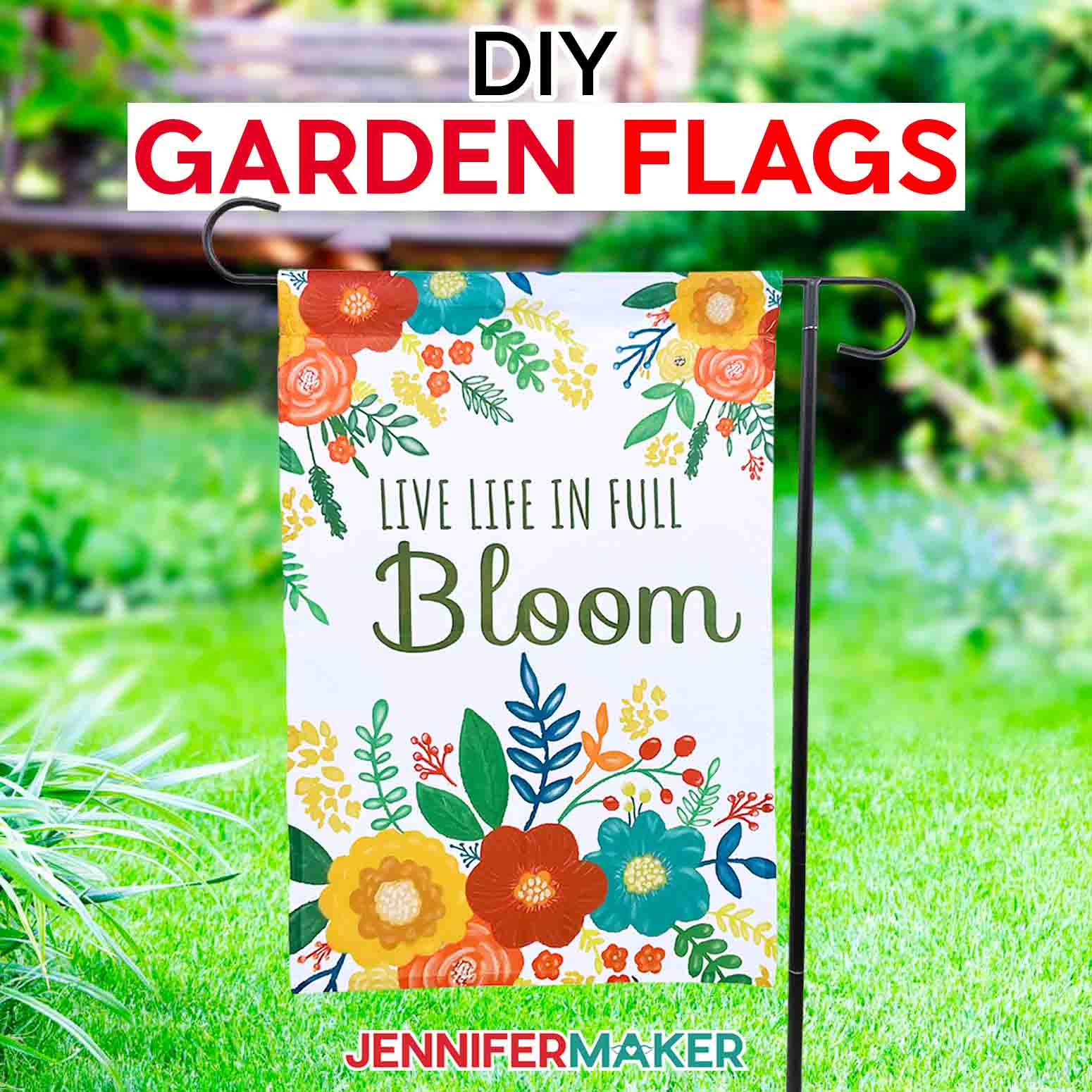
Image Source: jennifermaker.com
How To Make A Garden Flag: Easy DIY Steps for a Personalized Outdoor Garden Flag
Can I make a garden flag? Yes, you absolutely can make a garden flag! What is a garden flag? A garden flag is a small, decorative banner designed to be displayed outdoors, typically in a garden or yard. Who is a garden flag for? Anyone who wants to add a personal touch to their outdoor space! This guide will walk you through creating your very own DIY garden flag, transforming a simple piece of fabric into a vibrant display of your personality and style. Whether you’re aiming for a sewing garden flag masterpiece or a quick no-sew garden flag project, we’ve got you covered. Get ready to create a personalized garden flag that will make your outdoor space truly unique.
Creating your own outdoor garden flag is a rewarding way to express your creativity and enhance your garden’s charm. You don’t need to be a master crafter to produce a beautiful and durable fabric garden flag. This comprehensive guide will cover everything from choosing the right materials to applying your chosen garden flag design. We’ll explore various techniques, ensuring you can craft a custom garden flag that perfectly suits your aesthetic. From intricate garden flag patterns to simple text, the possibilities are endless.
Choosing Your Garden Flag Materials
The foundation of any great DIY garden flag is the right material. You want something that will look good and stand up to the elements.
Fabric Selection for Durability
For an outdoor garden flag, durability is key. You need a fabric that can withstand sun, rain, and wind without fading or fraying quickly.
- Polyester: This is a popular choice for outdoor fabrics due to its excellent durability, resistance to shrinking, and good colorfastness. It dries quickly and holds its shape well. Many pre-made garden flags are made from polyester.
- Nylon: Similar to polyester, nylon is strong, lightweight, and resistant to water and mildew. It’s often used for flags that need to be very weather-resistant.
- Cotton Canvas: While natural, cotton canvas is less ideal for long-term outdoor use as it can absorb moisture and be prone to mildew and fading. If you opt for cotton, look for a heavier weight canvas and consider using a fabric sealant.
- Blends: Many outdoor fabrics are blends of polyester and cotton or other synthetic fibers, offering a good balance of durability, feel, and cost.
When selecting your fabric, consider its weight. A medium-weight fabric will be easier to work with and hang nicely without being too flimsy.
Thread and Adhesives
The choice of thread and adhesive depends on your chosen method:
- Sewing Garden Flag: You’ll need a strong, UV-resistant polyester thread. This type of thread is designed to withstand sun exposure without breaking down.
- No-Sew Garden Flag: Fabric glue or iron-on adhesive (like Heat ‘n Bond) are excellent options. Ensure the adhesive is strong and flexible enough to withstand movement and weather.
Embellishments and Design Elements
What will make your personalized garden flag unique? Think about how you’ll add your garden flag design:
- Fabric Paints: Acrylic fabric paints are versatile and come in a wide range of colors.
- Fabric Markers: These are great for lettering and detailed designs.
- Iron-On Transfers: You can print your design onto transfer paper and iron it onto the fabric.
- Appliqué: Cut shapes from other fabrics and sew or glue them onto your flag.
- Stencils: Create your own stencils for repeating patterns or specific shapes.
Planning Your Garden Flag Design
Before you start cutting and crafting, take time to plan your garden flag design. This is where your custom garden flag truly comes to life.
Brainstorming Ideas for Your Design
What do you want your outdoor garden flag to say or show? Consider:
- Seasonal Themes: Holidays (Christmas, Halloween, Easter), seasons (spring flowers, autumn leaves).
- Personal Interests: Hobbies, pets, favorite quotes, family names.
- Garden Ambiance: Butterflies, birds, flowers, inspirational messages.
- Simple Patterns: Stripes, polka dots, geometric shapes.
Think about the size of your flag. Standard garden flags are typically around 12 inches by 18 inches, but you can adjust this.
Sketching and Prototyping
It’s a good idea to sketch out your garden flag design on paper first. This helps you visualize the layout, colors, and text placement. You can also create a small prototype on scrap fabric to test your techniques and colors.
Considering Color Palettes
Choose colors that complement your garden and home. Consider how the colors will look against the green of your lawn and plants. Weather-resistant paints and fabrics are often formulated with UV inhibitors to prevent fading, so opting for high-quality materials will ensure your colors stay vibrant.
Method 1: Sewing a Garden Flag
For a durable and classic fabric garden flag, sewing is a great option. This method allows for layered designs and a very professional finish.
Step-by-Step Sewing Instructions
-
Prepare Your Fabric:
- Cut your main fabric piece to your desired size (e.g., 12×18 inches).
- Decide on the orientation – portrait or landscape.
- For a finished edge, add an extra inch to each side for hemming. So, if you want a 12×18 inch flag, cut a 14×20 inch piece.
-
Hem the Edges:
- On each of the four sides, fold the fabric edge over by about 1/2 inch. Press it flat with an iron.
- Fold it over again by another 1/2 inch to create a double hem. Press again. This creates a clean, strong edge that won’t fray.
- If you’re planning to add a sleeve for the flag pole, you’ll need to adjust the hemming on one side.
-
Create the Pole Sleeve (Optional but Recommended):
- On one of the longer sides (the side that will be the top of your flag), fold the fabric over by about 2 inches. Press it flat.
- Fold it over again by about 2 inches to create a wider hem, forming a sleeve. Press again. This sleeve will slide onto your garden flag pole.
-
Apply Your Design:
- This is where your garden flag design comes into play! You can use fabric paints, markers, appliqué, or iron-on transfers.
- For Appliqué: Cut out your design elements from contrasting fabrics. Position them on your main flag piece and use fabric glue or pins to hold them in place. Then, carefully sewing garden flag elements onto the main fabric using a zigzag stitch or a straight stitch for a decorative effect.
- For Painted or Marked Designs: Ensure your design is sketched or stenciled onto the fabric. Use fabric paints or markers to bring your design to life. Allow ample drying time.
-
Sew the Hems:
- Using your durable polyester thread and a sewing machine, sew along the folded edges of your hems. Sew close to the inner fold to secure it neatly.
- If you created a pole sleeve, sew along the inner edge of the sleeve to create the channel.
-
Finishing Touches:
- Trim any loose threads.
- Give your personalized garden flag a final press with an iron to ensure everything is crisp and neat.
Tips for Sewing Success
- Use a sharp needle: A sharp needle will prevent snags and ensure smooth stitching.
- Test your stitch: Before sewing on your actual flag, test your stitch settings on a scrap piece of fabric.
- Iron as you go: Pressing your fabric as you fold and sew will create a much neater and more professional-looking result.
- Consider a topstitch: Adding a topstitch around the edges or around appliqué elements can add extra durability and a decorative touch.
Method 2: No-Sew Garden Flag
If you don’t have a sewing machine or prefer a quicker approach, a no-sew garden flag is a fantastic option. This method uses fabric glue or iron-on adhesive to create a durable and attractive flag.
Step-by-Step No-Sew Instructions
-
Prepare Your Fabric:
- Cut your main fabric piece to your desired size (e.g., 12×18 inches).
- As with the sewing method, add an extra inch to each side for hemming if you want a clean finish.
-
Create the Pole Sleeve (No-Sew Method):
- On the side where you want your pole sleeve, fold the fabric over by about 2 inches. Press it flat.
- Apply a strong, permanent fabric glue along the inside edge of this fold.
- Fold over again by another 2 inches, pressing firmly to adhere the layers together. Make sure the glue is evenly distributed for a strong bond. Allow it to dry completely according to the glue manufacturer’s instructions. Alternatively, use iron-on adhesive following the product’s directions.
-
Hem the Other Edges:
- For the remaining three sides, fold the fabric edge over by 1/2 inch. Apply fabric glue or iron-on adhesive to the inside of the fold.
- Fold over again by another 1/2 inch, pressing firmly to adhere. For iron-on adhesive, use your iron according to the product’s instructions. Ensure all edges are securely attached.
-
Apply Your Design:
- This is where you can get creative with your garden flag design!
- Fabric Paints and Markers: Apply your designs directly onto the fabric. Allow them to dry completely.
- Iron-On Transfers: Print your design onto transfer paper. Carefully position it on your flag and iron it on according to the transfer paper’s instructions. Ensure it adheres well.
- Appliqué (No-Sew): Cut out your design elements. Use fabric glue or iron-on adhesive to attach them to your main flag fabric. Press firmly and allow ample drying time.
-
Finishing Touches:
- Ensure all glued or ironed sections are fully adhered and dry.
- Trim any loose threads.
Tips for No-Sew Success
- Use high-quality fabric glue: Invest in a good quality fabric glue that is specifically designed for outdoor use and is permanent.
- Read adhesive instructions carefully: Different glues and iron-on adhesives have varying drying times and application methods.
- Clamp or weigh down edges: While the glue or adhesive is drying, use clamps or heavy objects to hold the folded edges in place.
- Work on a protected surface: Fabric glue can be messy, so cover your work area with newspaper or a plastic sheet.
Advanced Techniques and Embellishments
Once you’ve mastered the basics, you can explore more advanced techniques to make your personalized garden flag even more special.
Layering Fabrics for Depth
Using different fabrics for your garden flag design can create a beautiful, dimensional effect. Cut shapes from contrasting fabrics and layer them onto your base flag. This is where appliqué truly shines.
Using Stencils for Precision
Stencils are perfect for creating clean lines, repeating patterns, or specific lettering. You can buy stencils or make your own using cardstock or plastic sheets.
-
How to Make a Stencil:
- Draw or print your design onto sturdy paper or cardstock.
- Cut out the design carefully using a craft knife.
- If using paper, you might want to laminate it or cover it with packing tape for durability and to prevent paint bleeding.
-
Using a Stencil:
- Secure the stencil firmly to your fabric using temporary fabric spray adhesive or masking tape.
- Apply fabric paint or spray paint using a brush or sponge, dabbing gently to avoid paint seeping under the stencil.
- Carefully remove the stencil while the paint is still slightly wet for the cleanest lines.
Incorporating Embroidery
For a truly unique and textured custom garden flag, consider adding embroidery. You can hand-embroider designs, letters, or borders onto your flag. This adds a touch of handcrafted elegance.
Weatherproofing Your Garden Flag
To ensure your weather-resistant garden flag stays vibrant and intact, consider these tips:
- Choose UV-Resistant Materials: As mentioned, polyester fabrics and UV-resistant threads are crucial.
- Fabric Sealants: After your paint or design is dry, you can apply a fabric sealant spray. Look for products that offer UV protection and water resistance. Test the sealant on a scrap piece first to ensure it doesn’t alter the fabric’s color or texture.
- Regular Cleaning: Gently rinse your flag with mild soap and water periodically to remove dirt and debris. Avoid harsh scrubbing.
- Bring Indoors During Extreme Weather: While your flag is designed to be weather-resistant, bringing it indoors during severe storms, heavy snow, or prolonged periods of intense sunlight can significantly extend its lifespan.
Popular Garden Flag Patterns and Ideas
Looking for inspiration for your garden flag design? Here are some popular garden flag patterns and ideas to get you started:
Seasonal and Holiday Flags
- Spring: Flowers (tulips, daffodils), bunnies, Easter eggs, pastel colors.
- Summer: Sunflowers, beach themes, barbecues, patriotic motifs.
- Autumn: Pumpkins, fall leaves, scarecrows, harvest themes, warm colors.
- Winter: Snowflakes, evergreens, Christmas ornaments, New Year’s themes, cozy designs.
- Holidays: Hearts for Valentine’s Day, shamrocks for St. Patrick’s Day, spooky designs for Halloween, etc.
Inspirational and Whimsical Flags
- Welcome Messages: “Welcome,” “Home Sweet Home,” “Gather.”
- Inspirational Quotes: Short, uplifting phrases.
- Nature Motifs: Birds, butterflies, dragonflies, trees, landscapes.
- Animal Designs: Cats, dogs, chickens, garden gnomes.
- Personalized Flags: Family name, house number, initials.
Abstract and Geometric Designs
- Stripes and Polka Dots: Classic and easy to create.
- Chevron Patterns: Trendy and visually appealing.
- Color Blocking: Bold sections of color.
- Mandala or Paisley Designs: Intricate and beautiful.
Displaying Your Garden Flag
Once your beautiful DIY garden flag is complete, it’s time to show it off!
Choosing a Flagpole
- Standard Garden Flag Poles: These are widely available and come in sections for easy assembly. They usually have a hook at the top to hang your flag.
- Heavy-Duty Poles: If you live in a windy area, consider a sturdier pole.
- Decorative Poles: You can find poles with decorative finials.
Installation Tips
- Secure Placement: Insert the flagpole firmly into the ground, ensuring it’s stable and won’t tip over.
- Flag Position: Hang your flag so it’s easily visible and doesn’t drag on the ground, which can cause premature wear.
- Rotation: Consider rotating your flag with the seasons or holidays to keep your garden looking fresh and exciting.
Frequently Asked Questions About Garden Flags
Here are some common questions people have when making their own garden flags.
Q: How big are typical garden flags?
A: Most standard garden flags measure approximately 12 inches by 18 inches. However, you can customize the size to fit your preference and space.
Q: What is the best fabric for an outdoor garden flag?
A: Polyester or polyester blends are generally the best choices due to their durability, UV resistance, and quick-drying properties, making them suitable for an outdoor garden flag.
Q: Can I use regular craft paint on a garden flag?
A: It’s best to use acrylic fabric paints. Regular craft paints may crack, peel, or wash away when exposed to the elements. Fabric paints are designed to be flexible and durable.
Q: How do I make sure my garden flag is weather-resistant?
A: Use weather-resistant fabrics, UV-resistant threads, and consider applying a fabric sealant with UV protection. Bringing the flag indoors during extreme weather also helps.
Q: Can I create a garden flag without any sewing?
A: Yes, absolutely! You can create a no-sew garden flag using strong fabric glue or iron-on adhesive for hemming and securing designs.
Q: How long will a DIY garden flag last?
A: The lifespan of a DIY garden flag can vary depending on the quality of materials used, the craftsmanship, and the local climate. A well-made weather-resistant garden flag using good materials can last several seasons.
Q: Where can I find garden flag patterns?
A: You can find numerous garden flag patterns online through crafting blogs, Pinterest, and craft supply websites. You can also create your own custom designs.
Making a DIY garden flag is a fantastic way to personalize your outdoor space. Whether you choose to sew or go no-sew, the process is enjoyable and the results are rewarding. With a little creativity and these easy steps, you can craft a beautiful personalized garden flag that will bring joy to your garden for seasons to come. Happy crafting!