
The cost of a yard of sand can vary significantly, typically ranging from $20 to $70 per cubic yard. This price is influenced by several factors, including the type of sand, its intended use, and delivery costs.
When you’re planning a project, whether it’s a backyard makeover, a new patio, or a construction job, knowing the price of materials is key. Sand is one of those essential components that pops up in many different types of projects. But how much does it actually cost to get that sand delivered to your doorstep? Let’s dive deep into the factors that affect the cost of sand per cubic yard.
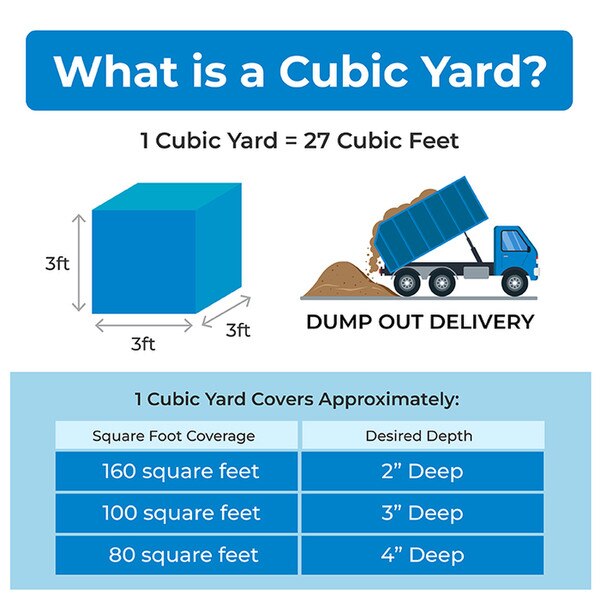
Image Source: www.cumminlandscapesupply.com
Deciphering Sand Pricing: What You Need to Know
Sand is more than just tiny grains; it’s a vital material with diverse applications. From building foundations to creating play areas, its price tag is as varied as its uses. Understanding the sand pricing by volume is crucial for budgeting any project accurately.
Factors Influencing Sand Prices
Several elements contribute to the final price you pay for a yard of sand.
- Type of Sand: Different sand types have different costs. For instance, specialized sands like play sand or decorative sand will generally cost more than basic builder’s sand.
- Quality and Purity: Sand that has been washed and screened to remove debris and achieve a specific grain size will be more expensive than raw, unwashed sand.
- Location: Where you live can impact the cost. Sand is a heavy commodity, so transportation costs play a significant role. Areas closer to sand quarries or suppliers will likely have lower delivery fees.
- Quantity: While we’re focusing on a cubic yard, buying in bulk can sometimes lead to a lower per-unit cost. However, very small quantities purchased in bags will have a higher cost per yard.
- Delivery Fees: Most suppliers charge a fee for delivery, which can vary based on distance and the amount of sand being delivered.
- Seasonality: Demand for sand can fluctuate, especially in areas with seasonal construction or landscaping booms.
Exploring Different Sand Types and Their Costs
The variety of sand available means the price of construction sand will differ from the playground sand cost, and both will be distinct from the price of decorative sand. Let’s break down some common types.
Builder’s Sand (All-Purpose Sand)
Builder’s sand, also known as all-purpose sand, is a common and versatile type of sand used in many construction applications. It’s typically coarser than play sand and contains a mix of grain sizes.
- Uses: Mortar mixes, concrete, bricklaying, backfill, leveling areas.
- Cost: Generally, builder’s sand is one of the more affordable options. You can expect to pay between $20 to $40 per cubic yard.
Play Sand
Play sand is specifically processed for children’s play areas. It’s typically washed, screened, and free from harmful contaminants, making it safe for digging and building castles.
- Uses: Sandbox filler, children’s play areas.
- Cost: Due to the extra processing for safety and purity, play sand usually costs a bit more. The playground sand cost can range from $30 to $50 per cubic yard.
Mason Sand
Mason sand is a finer-grained sand, often used in mortar for bricklaying and masonry work. Its fine texture allows for a smooth finish.
- Uses: Mortar, stucco, plaster.
- Cost: Mason sand often falls in a similar price range to builder’s sand, typically between $25 to $45 per cubic yard.
Concrete Sand
Concrete sand is specifically graded for use in concrete mixes. It has a mix of coarse and fine grains to ensure proper strength and workability of the concrete.
- Uses: Concrete production.
- Cost: Its specific grading can sometimes make it slightly more expensive, often between $30 to $50 per cubic yard.
Decorative Sand
Decorative sands come in a wide array of colors and textures, used for aesthetic purposes in landscaping, gardens, and craft projects.
- Uses: Top dressing for gardens, pathways, decorative borders, terrariums, crafts.
- Cost: This is where prices can really vary. Basic colored sand might be similar to play sand, but specialized sands, polished pebbles, or finely ground decorative materials can cost significantly more, potentially $50 to $100+ per cubic yard, depending on the material.
River Sand
River sand is natural sand found in riverbeds. It’s often rounded and smooth due to erosion.
- Uses: Landscaping, decorative applications, sometimes in concrete mixes.
- Cost: Prices can be competitive, often in the $25 to $45 per cubic yard range, but can increase with specialized screening or washing.
Bulk vs. Bagged Sand: A Cost Comparison
When you need sand, you often have the choice of buying it in bulk or in pre-packaged bags. This choice can impact your overall spending.
Bulk Sand Delivery Prices
Buying sand in bulk is usually the most cost-effective way if you need a larger quantity, typically a cubic yard or more. Suppliers deliver this sand directly to your location using trucks.
- Advantages: Lower price per cubic yard, less waste, convenient for large projects.
- Cost: As mentioned, bulk sand typically ranges from $20 to $70 per cubic yard, depending heavily on the type of sand and delivery distance.
How Much Does a Truckload of Sand Cost?
A truckload of sand can vary in size, but often refers to a standard dump truck load, which can carry anywhere from 10 to 14 cubic yards.
- Cost Estimate: For a typical 10-yard load of basic builder’s sand, you might expect to pay between $200 to $400, including delivery. However, this is a rough estimate, and prices can be higher for specialized sands or longer delivery distances. Always get a specific quote.
Bag of Sand Price
Sand sold in bags is convenient for smaller projects or when you only need a small amount. Common bag sizes are 50 lbs or 70 lbs.
- Advantages: Easy to transport for small jobs, good for precise measuring.
- Disadvantages: Significantly more expensive per cubic yard than bulk sand, more packaging waste.
- Cost: A 50 lb bag of sand typically costs between $4 to $8. To put this into perspective, a cubic yard is roughly 2000-2700 lbs (depending on moisture content and sand type). This means a cubic yard of bagged sand could cost anywhere from $160 to $300+, making it considerably more expensive than buying in bulk.
Table 1: Bag vs. Bulk Sand Cost Comparison (Estimates)
| Purchase Method | Typical Bag Size | Cost Per Bag | Estimated Cost Per Cubic Yard (Bulk Equivalent) |
|---|---|---|---|
| Bagged | 50 lbs | $4 – $8 | $160 – $300+ |
| Bagged | 70 lbs | $5 – $10 | $140 – $280+ |
| Bulk | 1 Cubic Yard | N/A | $20 – $70 |
Note: These are estimates and can vary widely by region and supplier.
Sand for Landscaping Projects
Sand prices for landscaping are a key consideration for homeowners and professional landscapers alike. The type of sand used will depend on the specific landscaping application.
Using Sand in Gardens and Flower Beds
Sand can be beneficial in gardens to improve drainage. Mixing sand into heavy clay soil can create a lighter, more workable soil.
- Type: Coarse builder’s sand or coarse river sand is often recommended.
- Cost: For landscaping purposes, expect to pay around $25 to $45 per cubic yard for bulk delivery. If you need bags for smaller areas, the cost per cubic yard equivalent can be much higher.
Sand for Pathways and Patios
Sand is often used as a base layer for patios and pathways, especially for paver installations. It helps to create a level and stable foundation.
- Type: Coarse sand or paver base sand is ideal.
- Cost: The cost of sand per cubic yard for these applications is typically in the $30 to $50 range, factoring in the quality needed for a stable base.
Decorative Landscaping Sands
For a more aesthetic appeal, decorative sands can be used as top dressings, in dry creek beds, or to fill gaps between pavers.
- Type: Colored sands, pea gravel (which is often discussed alongside sand), or specialized decorative aggregates.
- Cost: These can range from $40 to $100+ per cubic yard, depending on the color, grain size, and origin of the material.
Gravel vs. Sand Cost: A Comparative Look
It’s common to consider both gravel and sand for landscaping and construction projects. While they serve different purposes, their costs can be compared.
- Gravel: Gravel is typically crushed rock or recycled concrete. Its primary uses include creating driveways, pathways, drainage layers, and as a base for patios.
- Sand: As discussed, sand is used for mortar, concrete, leveling, play areas, and as a fine base material.
Gravel vs. sand cost often sees gravel being slightly more expensive per cubic yard than basic builder’s sand, especially crushed gravel. Unwashed or screened gravel can be in the $30 to $60 per cubic yard range, while decorative gravels can be much higher. Washed and screened sand typically falls within a similar, or slightly lower, price bracket than comparable grades of gravel.
Table 2: General Price Comparison (Per Cubic Yard, Bulk)
| Material Type | Typical Price Range (per cubic yard) | Common Uses |
|---|---|---|
| Builder’s Sand | $20 – $40 | Concrete, mortar, backfill, leveling |
| Play Sand | $30 – $50 | Sandboxes |
| Mason Sand | $25 – $45 | Mortar, plaster |
| Concrete Sand | $30 – $50 | Concrete |
| Decorative Sand | $40 – $100+ | Landscaping, crafts |
| Basic Gravel | $30 – $60 | Driveways, pathways, base layers, drainage |
| Crushed Gravel | $40 – $70 | Driveways, base layers, drainage |
| Decorative Gravel | $50 – $100+ | Landscaping, pathways, decorative features |
Note: Prices are estimates and vary by location, quality, and supplier.
Understanding Delivery Costs
Delivery is a significant factor in the overall cost of sand per cubic yard. Because sand is heavy, transporting it adds considerably to the price.
Factors Affecting Delivery Fees
- Distance: The farther the supplier has to travel from their yard to your location, the higher the delivery fee will be.
- Truck Size: Different delivery trucks have different capacities and operating costs.
- Minimum Order: Some suppliers have a minimum order quantity for delivery.
- Delivery Location Accessibility: If your location is difficult to access (e.g., narrow roads, steep driveways), there might be additional charges.
- Same-Day or Rush Delivery: If you need sand on short notice, expect to pay a premium.
Finding Cheap Sand Delivery
To get the best prices for cheap sand delivery:
- Shop Around: Get quotes from multiple local suppliers.
- Order in Bulk: If you need more than one cubic yard, ordering it all at once in a single delivery can reduce the per-yard delivery cost.
- Coordinate with Neighbors: If you have neighbors who also need sand, you might be able to place a larger joint order, potentially qualifying for a lower delivery rate or sharing the delivery cost.
- Consider Pickup: If you have a suitable vehicle (like a truck or trailer), picking up the sand yourself can save on delivery fees, especially for smaller quantities.
- Check for Off-Season Discounts: Sometimes, suppliers offer discounts during slower periods.
Calculating How Much Sand You Need
Before you can determine the total cost, you need to know how much sand you actually require. Ordering too little means extra deliveries and costs, while ordering too much can lead to waste.
How to Calculate Cubic Yards
To calculate the volume of sand needed in cubic yards:
- Measure the Area: Determine the length and width of the area you need to cover in feet.
- Determine the Depth: Decide on the depth of sand you need in feet. For common projects:
- Paver base: 4-6 inches (0.33 – 0.5 feet)
- Sandbox: 12-18 inches (1 – 1.5 feet)
- Garden amendment: 2-4 inches (0.17 – 0.33 feet)
- Calculate Volume in Cubic Feet: Multiply length x width x depth (all in feet).
- Example: For a patio base of 10 feet long by 8 feet wide, with a depth of 4 inches (0.33 feet):
10 ft x 8 ft x 0.33 ft = 26.4 cubic feet
- Example: For a patio base of 10 feet long by 8 feet wide, with a depth of 4 inches (0.33 feet):
- Convert Cubic Feet to Cubic Yards: There are 27 cubic feet in 1 cubic yard. Divide your cubic feet volume by 27.
- Example: 26.4 cubic feet / 27 cubic feet/cubic yard = 0.98 cubic yards.
- Always round up to the nearest half or full cubic yard to account for settling and compaction, and to ensure you have enough. In this case, you would order 1 cubic yard.
Factors Affecting Sand Volume
- Compaction: Sand will settle and compact once it’s laid down, especially when wet or under pressure. This is why ordering a little extra is wise.
- Moisture Content: Wet sand is heavier and takes up more volume than dry sand. Suppliers usually quote prices based on dry sand volume.
Frequently Asked Questions (FAQ)
What is the average cost of sand per cubic yard?
The average cost of sand per cubic yard typically falls between $20 and $70, but this can vary greatly based on sand type, quality, delivery location, and supplier.
Can I get cheap sand delivery?
Yes, you can find cheap sand delivery by shopping around for quotes, ordering in bulk, coordinating with neighbors, or considering a pickup option if feasible.
How much does a truckload of sand typically cost?
A typical truckload of sand (around 10 cubic yards) can cost between $200 and $400, including delivery, but this is a rough estimate and depends on the sand type and distance.
What is the difference in price between gravel and sand?
Generally, basic builder’s sand is often less expensive than most types of gravel, especially crushed or decorative gravel. Prices for both can overlap significantly depending on quality and specific type.
Where can I buy sand for my project?
You can buy sand from landscape supply yards, building material suppliers, home improvement stores (often in bags), and directly from quarry operators.
Conclusion: Making an Informed Sand Purchase
The cost of sand per cubic yard is not a single, fixed number. It’s a dynamic figure influenced by a range of factors. By knowing the different types of sand available, understanding the impact of bulk versus bagged purchases, considering delivery fees, and accurately calculating your needs, you can make an informed decision and budget effectively for your project. Always remember to get specific quotes from local suppliers to get the most accurate pricing for your area. Whether it’s for a foundation, a sandbox, or a beautiful garden, getting the right sand at the right price is the first step to a successful outcome.