
Can you prevent mushrooms from growing in your yard? Yes, you can take several steps to discourage mushrooms from appearing. Mushrooms are a natural part of a healthy ecosystem, but their appearance in your lawn can be unsightly and, in some cases, indicate underlying issues with your soil or lawn care practices. This guide will walk you through effective strategies for fungal growth control and yard appearance improvement.
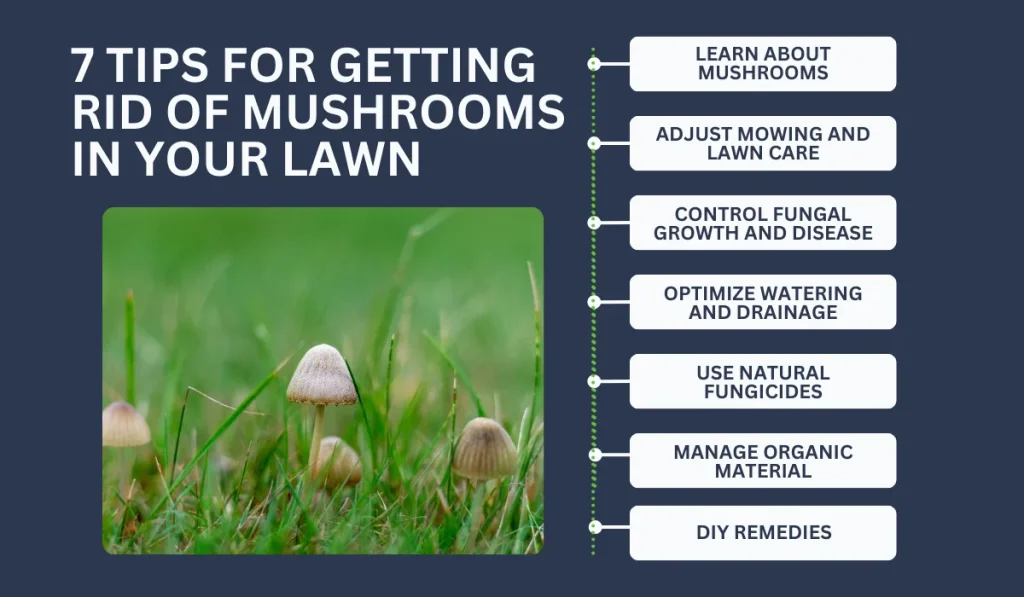
Image Source: sodlawn.com
Why Do Mushrooms Appear in Yards?
Mushrooms are the fruiting bodies of fungi. These fungi live underground as a network of threads called mycelium. They are nature’s recyclers, breaking down dead organic matter. Mushrooms pop up when the conditions are just right: plenty of food (decaying organic material), moisture, and the right temperature.
Several factors contribute to mushroom growth in lawns:
- Decomposing Organic Matter: This is the most common culprit. Think fallen leaves, old tree stumps, buried pet waste, thatch buildup in your lawn, or even dead roots. The fungi feed on this material and produce mushrooms.
- Excess Moisture: Fungi thrive in damp environments. Overwatering, poor drainage, and heavy rainfall can create the perfect conditions.
- Shady Areas: Many fungi prefer shady, cooler spots where the soil stays moist longer.
- Compacted Soil: Compacted soil hinders drainage and can trap moisture, creating a favorable environment for fungi.
- Unhealthy Lawn: Thin, weak grass allows more sunlight to reach the soil surface, keeping it cooler and moister, and also provides more room for fungal growth.
Practical Steps for Mushroom Removal and Prevention
Mushroom removal is often the first step people take, but without addressing the root causes, they’ll just keep coming back. The key to preventing toadstools is a combination of good lawn maintenance and addressing environmental factors.
1. Yard Sanitation: Removing the Food Source
This is the most crucial step in fungal growth control. You need to eliminate what the fungi are eating.
Clearing Debris
- Leaf Removal: Regularly rake up fallen leaves. Leaves create a damp, dark environment that fungi love. They are also a prime food source.
- Wood Removal: Remove any old logs, branches, or rotting wood from your yard. Even small pieces can harbor fungi. If you have large stumps, consider grinding them down or treating them to speed up decomposition.
- Pet Waste Cleanup: Pet waste is a rich source of nutrients for fungi. Clean up after your pets promptly.
Thatch Management
Thatch is a layer of dead and living grass stems, roots, and leaves that builds up between the green grass and the soil. A thin layer of thatch is normal and beneficial, but a thick layer (over half an inch) can smother your lawn and provide an ideal habitat for fungi.
- Dethatching: Aeration and power raking can help reduce thatch.
- Aeration: This process involves pulling out small plugs of soil, which helps improve air circulation, water penetration, and nutrient access to the grass roots, while also breaking up thatch.
- Power Raking: A power rake (or dethatcher) has vertical blades that cut into the thatch layer, pulling it to the surface so it can be removed. This is best done in the spring or fall when the grass is actively growing.
2. Dampness Reduction: Controlling the Moisture
Fungi need moisture to survive and reproduce. Reducing excess dampness in your yard is vital for preventing toadstools.
Improving Drainage
- Address Low Spots: If parts of your yard collect water after rain, they are prime mushroom-growing areas. Fill these low spots with soil and reseed.
- Check Gutters and Downspouts: Ensure your home’s gutters are clean and that downspouts direct water away from your lawn.
- Aeration: As mentioned, aeration also helps improve drainage by allowing water to penetrate the soil more effectively.
Watering Practices
- Water Deeply and Infrequently: Instead of light, frequent watering, water your lawn deeply only when it needs it. This encourages deeper root growth and allows the surface to dry out between waterings.
- Water in the Morning: Watering in the morning allows the grass blades to dry off throughout the day, reducing the time they remain wet. Avoid watering in the evening, as this leaves moisture on the grass overnight.
- Avoid Overwatering: Stick to the rule of thumb: most established lawns need about 1 inch of water per week, including rainfall. Use a rain gauge to monitor this.
3. Grass Care: Promoting a Healthy Lawn
A dense, healthy lawn outcompetes fungi. Good grass care practices are a powerful form of fungal growth control.
Proper Mowing
- Mow at the Right Height: Taller grass shades the soil, keeping it cooler and moister, which sounds counterintuitive for preventing mushrooms. However, a healthy, taller turf creates a denser canopy that actually helps to suppress weed growth and reduces the surface area of exposed soil where fungi can thrive. Aim for the higher end of the recommended mowing height for your grass type.
- Keep Mower Blades Sharp: Dull blades tear grass, creating wounds that are susceptible to disease and making the grass weaker. Sharp blades make clean cuts that heal faster.
- Mulch Grass Clippings: Unless the clippings are excessively long or wet, mulching them back into the lawn provides nutrients and helps retain soil moisture in a beneficial way. However, if you have a severe thatch problem or are seeing excessive mushrooms, consider bagging clippings temporarily.
Fertilization
- Fertilize Appropriately: A balanced fertilization program supports strong grass growth. Over-fertilizing, especially with nitrogen, can lead to rapid, lush growth that may be more susceptible to fungal issues. Follow soil test recommendations for the best approach.
Overseeding
- Fill in Bare Spots: Thin patches in your lawn are invitations for weeds and fungi. Overseeding in the fall or spring helps to create a denser turf.
4. Soil Health: The Foundation of a Healthy Yard
Good soil health is fundamental to a resilient lawn that can naturally resist fungal growth.
Soil Testing
- Check pH and Nutrients: A soil test will reveal your soil’s pH and nutrient levels. Correcting pH imbalances and nutrient deficiencies can significantly improve grass health and its ability to resist disease. Your local extension office can help you with soil testing.
Improving Soil Structure
- Compost Application: Top-dressing your lawn with a thin layer of compost can improve soil structure, aeration, and drainage, and adds beneficial microbes that can compete with disease-causing fungi.
- Avoid Compaction: Minimize foot traffic and heavy equipment use on your lawn, especially when it’s wet.
5. Natural Mushroom Repellents and Treatments
While not always a permanent fix, some methods can help deter mushrooms.
Using Baking Soda or Vinegar (with caution)
- Baking Soda: Some gardeners sprinkle baking soda around areas where mushrooms frequently appear. The idea is that baking soda raises the soil pH slightly, making it less hospitable to certain fungi. Use sparingly, as too much can harm your grass.
- Vinegar: A diluted solution of white vinegar (5% acidity) can be sprayed directly on mushrooms. Vinegar is a mild acid that can kill the mushroom itself. Be careful not to spray the grass, as it can also harm or kill it. This is more of a mushroom removal technique than a preventative measure for the mycelium.
Corn Gluten Meal
- Natural Pre-emergent: Corn gluten meal is a natural pre-emergent herbicide that also contains nitrogen. When applied to lawns, it can inhibit seed germination. Some gardeners believe it also inhibits fungal spore germination, though research is ongoing. It’s applied in early spring.
Organic Mushroom Repellent Options
While there isn’t one single “organic mushroom repellent” that works universally, the practices of good yard sanitation and promoting soil health are the most effective organic strategies. Ensuring your lawn is well-maintained naturally discourages fungal growth.
6. Addressing Specific Mushroom Types and Situations
Fairy Rings
Fairy rings are circular patterns of mushrooms, often with a ring of darker green or dead grass around them. They are caused by the mycelium of certain fungi growing outwards from a central point.
- Treatment: For smaller fairy rings, improving lawn maintenance – especially grass care and dampness reduction – can often suppress them. For persistent or large fairy rings, core aeration and lightly top-dressing with compost can help break up the fungal network. Avoid excessive watering.
Mushroom Colonies Near Trees or Stumps
If mushrooms are consistently appearing near trees or stumps, the tree or stump is likely the source of food for the fungi.
- Stump Removal: If possible, remove the offending stump. Grinding it down is effective.
- Encourage Decomposition: If removal isn’t an option, you can speed up the decomposition of the stump by drilling holes into it and filling them with a nitrogen-rich material like compost or manure. This encourages faster breakdown by beneficial organisms.
What to Do if You Find Mushrooms in Your Yard
- Identify: Try to determine the cause. Is it a specific area with lots of leaf litter? Is it a spot that stays wet?
- Remove: Pick the mushrooms by hand. It’s best to wear gloves, as some mushrooms can be toxic or cause skin irritation. Dispose of them in a sealed bag in the trash. Do not compost them, as this could spread spores.
- Treat the Cause: Implement the sanitation, drainage, and grass care strategies discussed above.
- Monitor: Keep an eye on the area. If mushrooms reappear, repeat the removal and treatment steps.
Table: Mushroom Prevention Checklist
| Area of Focus | Action | Benefit for Fungal Growth Control |
|---|---|---|
| Yard Sanitation | Rake and remove fallen leaves. | Removes food source and moisture trap. |
| Remove old wood, logs, and stumps. | Eliminates primary food sources for fungi. | |
| Promptly clean up pet waste. | Removes nutrient-rich material. | |
| Dethatch lawn if thatch layer is thick (over ½ inch). | Improves air circulation and reduces habitat for fungi. | |
| Moisture Control | Ensure good drainage; fill low spots. | Reduces prolonged dampness, which fungi need. |
| Direct downspouts away from the lawn. | Prevents localized over-saturation. | |
| Water lawn deeply and infrequently in the morning. | Allows surface to dry, discouraging fungal growth. | |
| Grass Care | Mow at the correct height for your grass type. | Creates a denser turf that shades soil and outcompetes fungi. |
| Keep mower blades sharp. | Prevents grass damage, reducing entry points for disease. | |
| Fertilize appropriately based on soil test results. | Promotes healthy, resilient grass. | |
| Overseed bare or thin spots for a denser lawn. | Reduces open spaces where fungi can establish. | |
| Soil Health | Conduct a soil test and amend as needed (e.g., pH). | Creates an environment less conducive to many types of fungi. |
| Top-dress with compost to improve soil structure and drainage. | Enhances aeration and supports beneficial soil microbes. | |
| Avoid soil compaction. | Promotes better water infiltration and air circulation. |
Frequently Asked Questions (FAQ)
Q1: Are mushrooms in my yard dangerous?
A1: Some mushrooms can be poisonous if ingested by pets or humans. It’s best to err on the side of caution and remove any mushrooms you find, especially if you have pets or young children who might encounter them. Even non-poisonous mushrooms can indicate underlying lawn issues.
Q2: Can I just spray the mushrooms with a hose to get rid of them?
A2: Spraying mushrooms with a hose might knock them down temporarily, but it won’t kill the underground fungal network (mycelium). They will likely regrow. Addressing the environmental conditions is key to long-term fungal growth control.
Q3: Is it okay to leave mushrooms in my yard if I don’t like them?
A3: While leaving them won’t necessarily harm your lawn directly, they are a sign that conditions are favorable for fungal growth. These conditions (excess moisture, decaying organic matter) can eventually lead to lawn diseases. Removing them and addressing the cause is better for overall yard appearance improvement.
Q4: How quickly can I expect to see results after taking these steps?
A4: Results can vary depending on the severity of the fungal problem and the consistency of your efforts. You might see fewer mushrooms appearing within a few weeks of consistent yard sanitation and improved watering practices. Significant improvements in overall lawn maintenance and soil health may take a season or two to fully manifest.
Q5: What if I have a large area with many mushrooms?
A5: For widespread mushroom issues, focus on the most impactful steps first: yard sanitation (especially removing leaf litter and wood) and improving dampness reduction through better drainage and watering. Core aeration can also be very beneficial for large areas. Consider consulting a local lawn care professional for severe cases.
By diligently applying these practices, you can effectively manage and minimize mushroom growth in your yard, leading to a healthier, more attractive lawn.