
Image Source: klsupplies.com
How Much Is One Yard Of Sand? Pricing Explained
A yard of sand typically costs between $20 and $50, but this price can fluctuate significantly based on several factors. When you’re planning a project, whether it’s a backyard sandbox for the kids, a new patio, or a foundation for a small structure, knowing the price of sand per yard is a crucial first step. Many people wonder, “How much is one yard of sand?” and the answer isn’t a simple number. The final cost involves more than just the material itself; it includes considerations like sand type, where you buy it from, and importantly, the cost of sand delivery.
Let’s break down everything you need to know to accurately estimate sand cost for your next project. We’ll cover how to calculate the amount you need, the different types of sand available, and the factors that influence pricing.
Deciphering Sand Volume: How to Measure Sand in Yards
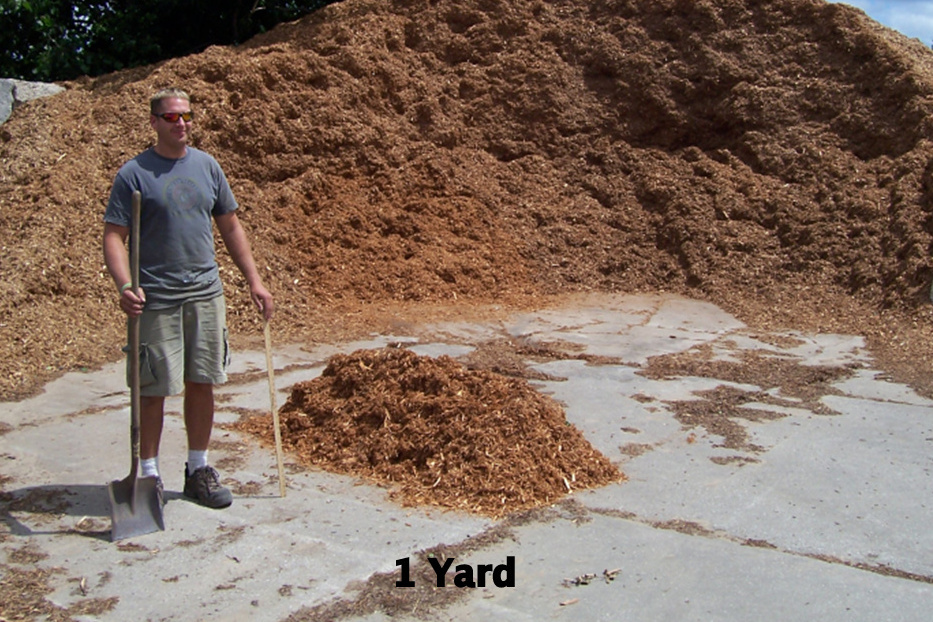
Before you can buy sand, you need to know how much you actually need. This involves sand volume calculation. Sand is typically sold by the cubic yard, which is a measurement of volume. One cubic yard is equivalent to 3 feet in length, 3 feet in width, and 3 feet in height (3’ x 3’ x 3’). This makes for a significant amount of material – roughly the size of a small washing machine.
Calculating Your Sand Needs
To figure out how much sand you need, you’ll be working with the dimensions of your project area.
- For flat areas (like a sandbox or a base for pavers):
- Measure the length of the area in feet.
- Measure the width of the area in feet.
- Determine the desired depth of the sand in inches.
- Convert the depth to feet by dividing by 12 (e.g., 4 inches / 12 inches/foot = 0.33 feet).
- Multiply length by width by depth (in feet):
Volume (cubic feet) = Length (ft) x Width (ft) x Depth (ft) - Convert cubic feet to cubic yards by dividing by 27 (since there are 27 cubic feet in 1 cubic yard):
Volume (cubic yards) = Volume (cubic feet) / 27
Example: You want to fill a sandbox that is 6 feet long, 4 feet wide, and 6 inches deep with sand.
- Length = 6 ft
- Width = 4 ft
- Depth = 6 inches = 0.5 ft (6/12)
- Volume in cubic feet = 6 ft x 4 ft x 0.5 ft = 12 cubic feet
- Volume in cubic yards = 12 cubic feet / 27 cubic feet/yard ≈ 0.44 cubic yards
Since you can’t usually buy fractions of a yard, you’d round up to 1 cubic yard.
- For sloped areas or more complex shapes: This can be trickier. For simple slopes, you might calculate the volume at the shallowest point and the deepest point, find the average depth, and use that in your calculation. For very complex shapes, it might be best to consult with your supplier or a landscaping professional.
It’s always a good idea to add a little extra, about 10%, to your calculation to account for settling and any minor miscalculations. This ensures you won’t run out of sand mid-project.
Understanding Sand Packaging and Quantities
When you buy sand by the yard, you’re typically purchasing it in bulk. This means it’s delivered loose by a truck. However, sand is also available in smaller quantities, often in bags.
-
Bagged Sand: Bags typically contain 0.5 cubic feet to 1 cubic foot of sand. If you need 1 cubic yard (which is 27 cubic feet), you would need approximately 27 to 54 bags. Bagged sand is convenient for small projects but is generally more expensive per cubic yard than bulk sand due to packaging and handling costs.
-
Bulk Sand: This is the most cost-effective way to buy larger quantities. It’s delivered loose and often by the cubic yard or by the ton. It’s important to note that sand per cubic yard weight can vary depending on the type of sand and its moisture content.
Fathoming the Price: What Influences the Cost of Sand?
The sand per cubic yard price is not static. Numerous factors contribute to the final cost. Knowing these will help you make informed purchasing decisions.
1. Type of Sand
The intended use of the sand dictates its type, and different types come with different price tags.
-
Construction Sand (All-Purpose Sand, Concrete Sand): This is a coarser sand often used as a component in concrete mixes, as a base layer for patios or walkways, and for general fill. It’s usually one of the more affordable options.
- Typical Price Range: $20 – $40 per cubic yard.
- Uses: Concrete, mortar, base layers for pavers, foundation filling.
-
Play Sand (Sandbox Sand): This sand is specially processed and screened to be very fine and clean, free from sharp edges or impurities, making it safe and comfortable for children to play in. Its specialized processing makes it slightly more expensive than construction sand.
- Typical Price Range: $30 – $60 per cubic yard.
- Uses: Sandboxes, children’s play areas.
-
Landscaping Sand: This is a broad category that can include various types of sand used for decorative purposes or functional landscaping applications.
- Decorative Sand: Often comes in various colors (natural earth tones, white, tan) and can be finer or coarser depending on the aesthetic. It’s typically more expensive due to its appearance and any color treatments.
- Typical Price Range: $40 – $80+ per cubic yard.
- Uses: Top dressing for lawns, decorative ground cover, creating visual elements in gardens.
- Washed Sand: Sand that has been washed to remove silt, clay, and organic matter. This results in a cleaner, more uniform product. It’s often used in specific landscaping applications where purity is important, like around trees or in certain water features.
- Typical Price Range: $35 – $55 per cubic yard.
- Uses: Drainage layers, mixing with soil for better aeration, decorative accents.
- Decorative Sand: Often comes in various colors (natural earth tones, white, tan) and can be finer or coarser depending on the aesthetic. It’s typically more expensive due to its appearance and any color treatments.
-
Pea Gravel (often confused with coarse sand): While not technically sand, it’s a similar material used in landscaping. It consists of small, rounded pebbles. Its price can be comparable to landscaping sand.
- Typical Price Range: $30 – $60 per cubic yard.
- Uses: Drainage, pathways, decorative ground cover, around plants.
-
Mason Sand: This is a very fine-grained sand that is soft and smooth. It’s ideal for making mortar and for decorative purposes where a very fine texture is desired.
- Typical Price Range: $25 – $45 per cubic yard.
- Uses: Mortar mixes, decorative landscaping, sweeping into paver joints.
2. Quantity Purchased (Bulk vs. Bags)
As mentioned earlier, buying in bulk is almost always cheaper per unit than buying bagged sand.
- Bulk Sand: When you buy sand by the yard in bulk, you’re getting the most competitive pricing, especially for larger quantities. Prices are quoted per cubic yard or sometimes per ton.
- Bagged Sand: A bag containing 0.5 cubic feet of sand might cost $4-$7. If you extrapolate this to a cubic yard (27 cubic feet), the cost can easily reach $216-$378, which is significantly higher than bulk pricing. This highlights the importance of considering the project size when deciding whether to buy bagged or bulk.
3. Source and Supplier
Where you purchase your sand can also impact the price of sand per yard.
- Local Landscape Supply Yards: These are often the best places to get competitive pricing for bulk sand. They typically buy in large quantities and can offer lower rates. They also usually have a good selection of different sand types.
- Home Improvement Stores (e.g., Home Depot, Lowe’s): These stores primarily sell bagged sand, which, as we’ve established, is more expensive. They might offer some bulk options, but the variety and pricing may not be as competitive as dedicated landscape suppliers.
- Gravel Pits or Quarries: If you live close to a quarry or gravel pit, you might be able to buy directly from the source, potentially securing the lowest construction sand cost. However, delivery options and minimum order requirements might be a consideration.
4. Location and Delivery Fees
The cost of sand delivery is a significant component of the total price.
- Distance: Most suppliers charge a delivery fee based on the distance from their yard to your project site. The further away you are, the higher the delivery cost.
- Delivery Minimums: Some suppliers have minimum order quantities for delivery, and there might be an additional charge if you fall below that minimum.
- Delivery Time: In some cases, rush deliveries or deliveries outside standard hours might incur extra fees.
- Truck Size: Delivery fees can also depend on the size of the truck required to transport your order. A small dump truck might cost less to operate than a larger, more heavy-duty one.
A reasonable cost of sand delivery can range from $50 to $150 or more, depending on the factors above. It’s crucial to factor this into your overall budget.
5. Sand Quality and Processing
Higher quality sand, such as washed or screened play sand, will naturally cost more due to the extra processing involved. This processing ensures the sand is clean, uniform in size, and free from debris or sharp particles.
6. Market Demand and Seasonality
Like many commodities, the price of sand can be affected by market demand. During peak construction or landscaping seasons (spring and summer), demand is higher, which can sometimes lead to slight price increases. Conversely, during off-peak seasons, prices might be more stable or even slightly lower.
Estimating Your Total Sand Cost: Putting It All Together
To accurately estimate sand cost, you need to combine the price of the sand itself with the delivery fees.
Total Cost = (Price per Cubic Yard × Number of Cubic Yards) + Delivery Fee
Let’s revisit our sandbox example:
- You need 1 cubic yard of sand.
- You decide on play sand, which costs $45 per cubic yard from your local supplier.
- The delivery fee to your location is $75.
Total Cost = ($45/yard × 1 yard) + $75 = $45 + $75 = $120
Now, consider a larger project: building a patio base that requires 5 cubic yards of construction sand.
- Construction sand costs $30 per cubic yard.
- The delivery fee for a bulk order is $100.
Total Cost = ($30/yard × 5 yards) + $100 = $150 + $100 = $250
It’s clear that the more sand you need, the more significant the delivery fee becomes as a percentage of the total cost. For very large projects, suppliers might even offer a reduced price per cubic yard for orders of 10+ cubic yards, or the delivery fee might be absorbed or reduced. Always ask about potential discounts for larger orders.
Where to Buy Sand: Finding the Best Deals
Finding the right place to buy sand by the yard can save you a significant amount of money.
Local Landscape Supply Yards
These are often the go-to for bulk materials. They specialize in providing landscaping and construction aggregates.
- Pros: Competitive pricing for bulk orders, wide variety of sand types, knowledgeable staff, often better delivery options.
- Cons: May have minimum order requirements for delivery.
Home Improvement Stores
Good for small quantities and convenience.
- Pros: Readily available, convenient for small projects, easy to transport bags yourself if you have a suitable vehicle.
- Cons: Higher price per unit for bagged sand, limited bulk options, delivery fees can be higher.
Quarries and Gravel Pits
Direct from the source.
- Pros: Potentially the lowest material cost, direct access to raw materials.
- Cons: May have limited product refinement, can be a longer drive, delivery logistics might be more complex, may have larger minimum order quantities.
Online Retailers
Some online suppliers offer sand for sale, but always check delivery costs and minimums carefully.
- Pros: Convenience of ordering online, sometimes specialized options available.
- Cons: Delivery costs can be prohibitive for heavy, bulky items like sand, often better to buy locally.
Tips for Buying Sand
To ensure you get the best value and the right material for your project:
- Know Your Project: Be clear about what you need the sand for. This will help you choose the correct type.
- Measure Accurately: Double-check your sand volume calculation to avoid ordering too much or too little. It’s better to have a little extra than to run out.
- Call Around: Get quotes from multiple local suppliers. Compare the price of sand per yard and the cost of sand delivery.
- Ask About Quality: Inquire about the sand’s coarseness, screening process, and if it’s washed or unwashed.
- Consider Timing: If your project isn’t urgent, buying in the shoulder seasons might offer slightly better pricing or more flexible delivery slots.
- Check for Discounts: Ask about bulk discounts or any promotions they might be running.
- Specify Delivery Needs: Clearly communicate where the delivery truck should go and any access restrictions.
Frequently Asked Questions (FAQ)
-
Q: How much does a truckload of sand cost?
A: A standard dump truck can typically carry between 8 and 15 cubic yards of sand, depending on the truck’s capacity and the sand’s density. The cost will depend on the price per cubic yard for the sand type you choose and the delivery fee, which is often based on the load size and distance. -
Q: Can I pick up sand myself?
A: Yes, if you have a truck or a trailer with sufficient capacity. Many landscape supply yards allow for customer pick-up, which can save you the delivery fee. Ensure your vehicle is rated to carry the weight and volume of the sand. Remember that sand is heavy; a cubic yard can weigh between 2,500 and 3,500 pounds. -
Q: How do I know if I need construction sand or landscaping sand?
A: Construction sand is typically used for structural purposes like concrete, mortar, or as a sub-base. Landscaping sand is generally used for decorative purposes, soil improvement, or drainage in garden beds and around plants. -
Q: Is there a difference between sand sold by the yard and sand sold by the ton?
A: Yes. Sand is sold by volume (cubic yard) or by weight (ton). The density of sand varies depending on its composition and moisture content. A cubic yard of dry sand might weigh around 2,500 lbs, while wet sand could weigh closer to 3,000-3,500 lbs. Most landscaping and construction suppliers quote prices per cubic yard, but some might offer ton pricing. Always clarify what unit you are being quoted for. -
Q: How much sand do I need for a typical sandbox?
A: For a sandbox that’s 4 feet by 4 feet and 4 inches deep, you would need approximately 0.22 cubic yards of sand (4x4x0.33 / 27). It’s best to round up to 0.5 cubic yards (half a yard) to ensure you have enough and to account for settling.
By carefully considering these factors, you can accurately estimate sand cost and make an informed decision when you buy sand by the yard for your next project, ensuring a smooth and successful outcome.