
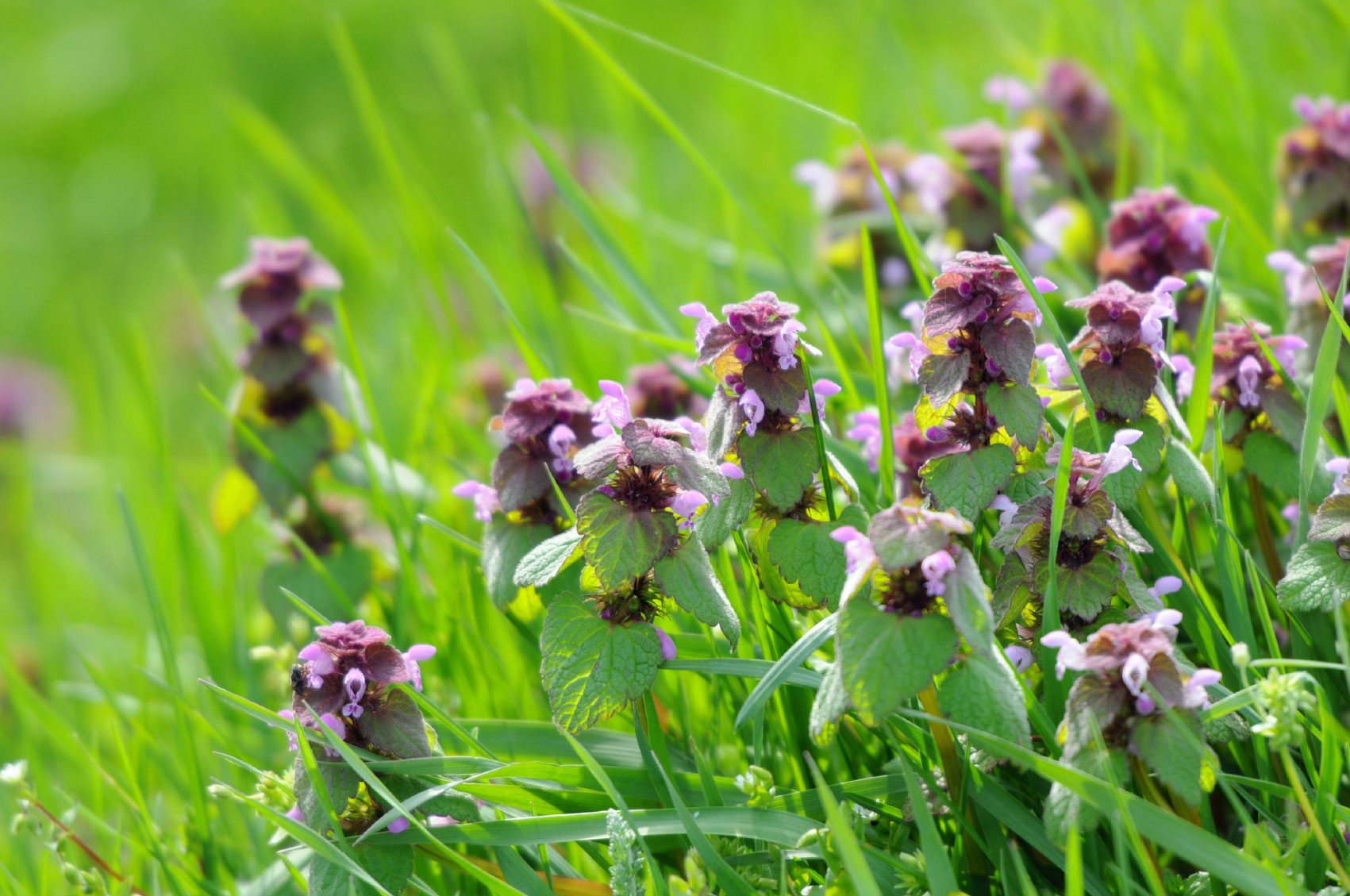
Image Source: cdn.mos.cms.futurecdn.net
Your Guide: How To Get Rid Of Purple Flowers In Lawn
Can you get rid of purple flowers in your lawn? Yes, you can. This guide will help you learn how to tackle those unwelcome purple blooms and achieve a greener, healthier lawn.
Purple flowers can add a splash of color to your yard, but when they pop up in your lawn, they’re usually a sign of unwanted weeds. Many homeowners struggle with identifying these purple lawn weeds. Don’t worry, this guide will help you figure out what you’re dealing with and how to get rid of violet flowers in grass effectively. We’ll cover everything from manual weed removal from lawn to using herbicides for purple flowers, and even discuss natural weed killer for lawns options. Good lawn care for purple weeds is key to a beautiful, weed-free lawn.
Identifying Your Purple Lawn Invaders
Before you can get rid of purple flowers, you need to know what you’re fighting. Several common lawn weeds sport pretty purple blossoms. Knowing their names helps you pick the best removal strategy.
Here are some common culprits:
- Violets (Viola species): These are perhaps the most common and loved (or disliked!) purple flowers in lawns. They are low-growing perennials with heart-shaped leaves and typically small, five-petaled purple flowers. They spread via seeds and rhizomes, making them persistent.
- Wild Violets: A specific type of violet, these can be quite beautiful but are definitely considered weeds in a manicured lawn. They thrive in moist, shady conditions.
- Creeping Charlie (Glechoma hederacea): While often associated with small purple flowers, Creeping Charlie is a vigorous ground cover with scalloped leaves. Its tiny, tubular purple flowers appear in spring and early summer. It spreads aggressively by runners.
- Bird’s-eye Speedwell (Veronica chamaedrys): This low-growing perennial has small, bright blue-purple flowers with white centers and oval, toothed leaves. It prefers cooler weather and can form dense mats.
- Self-heal (Prunella vulgaris): This low-growing perennial has small, purple, hooded flowers arranged in dense spike-like clusters at the tips of its stems. It has oval, toothed leaves. It’s often found in moist, compacted soils.
- Corn Speedwell (Veronica arvensis): Similar to Bird’s-eye Speedwell but typically smaller and with more delicate, sky-blue to purple flowers. It often has hairy stems.
- Wild Geranium (Geranium maculatum): While usually larger than other lawn weeds, its distinctive pink-purple flowers can sometimes appear in less-mown areas of a lawn. It has deeply lobed leaves.
- Clover (Trifolium species): While clover flowers are typically white or pink, some varieties can have a purplish hue, especially when the flowers are older. However, if you’re seeing distinct purple flowers, it’s likely one of the others.
Key Features to Look For:
- Leaf Shape and Arrangement: Are the leaves heart-shaped, oval, toothed, or lobed? How are they arranged on the stem (opposite, alternate)?
- Flower Color and Shape: Are the petals rounded, tubular, or irregular? How many petals does it have?
- Growth Habit: Does it grow low to the ground, creep along the soil, or stand upright?
- Root System: Does it have a taproot, fibrous roots, or spreading rhizomes?
Strategies for Lawn Weed Removal
Once you’ve identified your purple lawn invaders, it’s time to choose your weapon. Effective lawn weed removal often involves a combination of methods. We’ll explore both manual and chemical approaches, as well as prevention.
Manual Weed Removal from Lawn
This is often the first line of defense, especially for small infestations or when you want to avoid chemicals. It’s labor-intensive but very effective for certain types of weeds.
When Manual Removal is Best:
- Few Weeds: If you only have a handful of purple flowers scattered around.
- Young Weeds: Before they go to seed or establish deep root systems.
- Sensitive Areas: Around gardens, play areas, or if you have pets and young children.
- Specific Weeds: For weeds with taproots that are easy to pull.
How to Manually Remove Purple Weeds:
- Timing is Key: Pull weeds when the soil is moist. This makes it easier to remove the entire root system. After a good rain or watering is ideal.
- Get the Roots: For weeds like dandelions (which can have purple-tinged flowers in some stages) or violets with rhizomes, it’s crucial to get the entire root. Use a trowel, dandelion digger, or weeding fork to loosen the soil around the base of the plant and pull gently but firmly.
- Tools of the Trade:
- Hand Trowel/Weeding Fork: Excellent for digging out taproots.
- Dandelion Digger: Specifically designed to get under taproots.
- Stand-up Weeder: Allows you to pull weeds without bending over.
- Gloves: Protect your hands from dirt and potential irritants.
- Dispose of Weeds Properly: Don’t leave pulled weeds on the lawn, as some can re-root or go to seed. Bag them for disposal or compost them in a hot compost pile if you’re sure they haven’t gone to seed.
Pros of Manual Removal:
- Environmentally friendly.
- No chemical residue.
- Precise targeting of weeds.
- Cost-effective for small infestations.
Cons of Manual Removal:
- Time-consuming and labor-intensive.
- May not be effective for weeds with extensive root systems or those that spread aggressively via runners.
- Can be difficult in compacted soil.
Purple Weed Control with Herbicides
When manual methods aren’t enough, herbicides can be an effective tool for purple weed control. It’s important to choose the right herbicide for the job and apply it correctly.
Types of Herbicides:
- Selective Herbicides: These are designed to kill specific types of weeds (usually broadleaf weeds) while leaving desirable grasses unharmed. Most herbicides used for lawn care fall into this category. They are your best bet for targeting purple flowers in your grass.
- Non-Selective Herbicides: These kill all plant life they come into contact with, including your lawn grass. Use these with extreme caution, only for spot treatment of stubborn weeds in areas where you don’t mind killing the grass, or for clearing areas before renovation.
Choosing an Herbicide for Purple Flowers:
When selecting an herbicide for purple flowers, look for products labeled for broadleaf weed control. Common active ingredients that target these types of weeds include:
- 2,4-D: A widely used selective herbicide that is effective against many broadleaf weeds, including violets and clover.
- Mecoprop (MCPP): Often found in combination with 2,4-D, it targets broadleaf weeds.
- Dicamba: Another effective broadleaf herbicide, often used in mixtures.
- Triclopyr: Particularly effective against woody plants and some persistent broadleaf weeds.
- Carfentrazone-ethyl: A contact herbicide that works quickly, good for spot treatments.
Application Tips for Herbicides:
- Read the Label! This is the most crucial step. The label provides specific instructions on what weeds the product controls, what grasses it’s safe for, application rates, timing, and safety precautions.
- Timing: Apply herbicides when weeds are actively growing. This is usually in the spring and fall when temperatures are moderate. Avoid applying during extreme heat, drought, or when rain is imminent.
- Spot Treatment: For isolated purple flowers, spot treatment is often best. Use a spray bottle to apply the herbicide directly to the weed, avoiding overspray onto desirable grass.
- Broadcast Application: If you have widespread weed problems, you might need to apply over the entire lawn using a spreader or a hose-end sprayer.
- Temperature: Many herbicides are less effective or can damage your lawn if applied when temperatures are above 85-90°F (29-32°C).
- Wind: Avoid spraying on windy days to prevent drift onto desirable plants or neighboring properties.
- Follow-up: Some stubborn weeds may require a second application after a few weeks.
Safety Precautions:
- Wear protective clothing: long sleeves, pants, gloves, and eye protection.
- Keep children and pets off the lawn until the herbicide has dried and is no longer visible.
- Store herbicides safely and out of reach of children and pets.
Natural Weed Killer for Lawns
For those who prefer to avoid synthetic chemicals, natural weed killer for lawns offers an alternative. These methods are often less potent and may require more persistence.
Natural Options:
- Vinegar (Horticultural Vinegar): Horticultural vinegar (acetic acid 10-20%) can burn down the top growth of weeds. It’s a non-selective contact killer, meaning it will damage any plant it touches, including your grass. Use it as a spot treatment with extreme care. Household vinegar (5% acetic acid) is usually not strong enough for most lawn weeds.
- Boiling Water: Pouring boiling water directly onto weeds will kill them. This is best for cracks in driveways or patios but can be used for isolated weeds in the lawn if you’re careful not to pour it on your grass.
- Salt: Salt can kill weeds by dehydrating them. However, salt can also damage your soil and grass, making it unsuitable for lawn use except in very small, targeted applications. Use with extreme caution.
- Corn Gluten Meal: This is a pre-emergent that can inhibit seed germination. It’s most effective when applied in early spring before weed seeds sprout. It won’t kill existing weeds.
- Essential Oils: Some essential oils, like clove or citrus oils, are being researched for their herbicidal properties. They typically work as contact killers.
Applying Natural Weed Killers:
- Spot Treatment: Most natural weed killers are best used as spot treatments to minimize damage to your lawn.
- Persistence: Natural methods may require repeated applications to be effective.
- Environmental Impact: While natural, even these can have unintended consequences. Horticultural vinegar can lower soil pH, and salt can sterilize soil.
Pros of Natural Weed Killers:
- Less toxic to the environment and beneficial insects.
- Safer for children and pets once dry.
Cons of Natural Weed Killers:
- Often non-selective, can harm lawn grass.
- May require more frequent applications.
- Can be less effective on established perennial weeds with deep roots.
- Some can negatively impact soil health.
Lawn Care for Purple Weeds: A Proactive Approach
The best way to deal with purple weeds is to prevent them from taking hold in the first place. Good lawn care for purple weeds involves creating an environment where your grass can thrive and outcompete the invaders.
Promoting a Healthy Lawn
A thick, healthy lawn is your best defense against weeds. Here’s how to achieve it:
- Proper Mowing:
- Mow High: Set your mower to a higher setting. Taller grass shades the soil, preventing weed seeds from germinating. For most cool-season grasses, aim for 2.5 to 3.5 inches. For warm-season grasses, it might be slightly lower.
- Mow Regularly: Don’t remove more than one-third of the grass blade at a time. This stresses the grass.
- Consistent Watering:
- Water Deeply and Infrequently: Encourage deep root growth by watering thoroughly when the lawn needs it, rather than light, frequent watering. This makes the grass more drought-tolerant and better able to compete.
- Water in the Morning: This allows the grass to dry before nightfall, reducing the risk of fungal diseases.
- Appropriate Fertilization:
- Soil Test: Get your soil tested to determine its nutrient needs.
- Seasonal Feeding: Fertilize at the right times of year for your grass type. Over-fertilizing can promote weed growth, while under-fertilizing weakens your grass.
- Aeration: Core aeration helps reduce soil compaction, allowing water, air, and nutrients to reach the grass roots more effectively. This promotes stronger, healthier grass.
- Dethatching: Thatch is a layer of dead grass stems and roots. If it gets too thick (over half an inch), it can prevent water and nutrients from reaching the soil and grass roots. Dethatch when necessary.
Preventing Purple Weed Growth
Preventing weeds is always easier than removing them.
- Overseeding: In the fall, overseed thin or bare patches in your lawn. This fills in areas where weeds might otherwise establish.
- Mulching (Around Beds): While not for the lawn itself, mulching garden beds around your lawn helps suppress weeds.
- Pre-emergent Herbicides: These are applied in early spring and fall to prevent weed seeds from germinating. They are most effective against annual weeds. Be sure to choose a pre-emergent that is safe for your lawn type and apply it at the correct time.
Advanced Purple Weed Control Techniques
For persistent or widespread infestations of purple lawn weeds, you might need more advanced strategies.
Fall is Prime Time for Lawn Care for Purple Weeds
The fall season is crucial for many lawn care tasks, including tackling perennial weeds that bloom with purple flowers.
- Targeting Perennials: Many purple-flowering weeds, like violets and self-heal, are perennial. They store energy in their roots to survive winter and regrow in spring. Applying a selective herbicide in the fall, when these weeds are actively moving nutrients down to their roots, can be highly effective.
- Post-Emergent Application: If you missed spring treatments or have a stubborn infestation, fall applications of post-emergent herbicides can significantly reduce the population for the following year.
- Soil Preparation: Fall is also an ideal time for aeration and overseeding, which strengthens your grass for the next growing season and helps it outcompete weeds.
Using the Right Herbicide for the Job: A Comparative Look
Choosing the right herbicide for purple flowers depends on the specific weed and your lawn.
| Weed Type | Common Purple Flowers | Recommended Herbicide Active Ingredients (Selective for Turf) | Application Timing | Notes |
|---|---|---|---|---|
| Violets | Violets, Wild Violets | 2,4-D, MCPP, Dicamba, Triclopyr | Spring or Fall | Perennial; requires thorough root kill for best results. |
| Creeping Charlie | Small purple/blue flowers | Triclopyr, Dicamba, 2,4-D | Spring or Fall | Aggressive spreader; multiple applications might be needed. |
| Speedwell | Bird’s-eye Speedwell, Corn Speedwell | 2,4-D, MCPP, Dicamba | Spring or Fall | Low-growing; often thrives in compacted, weak turf. |
| Self-heal | Purple spikes | 2,4-D, MCPP, Dicamba | Spring or Fall | Prefers moist, compacted soil. |
Important Considerations for Herbicide Use:
- Combination Products: Many herbicides are sold as mixtures to control a wider range of broadleaf weeds. Always check the label to ensure it targets your specific purple invaders and is safe for your lawn type.
- Application Equipment: Ensure your sprayer is calibrated correctly for even application. A hose-end sprayer is good for larger areas, while a pump sprayer is better for spot treatments.
- Environmental Factors: Avoid applying when temperatures are too high, or when it’s windy. Rain soon after application can wash the herbicide away before it can be absorbed.
Troubleshooting Common Problems
Even with the best efforts, you might encounter challenges when trying to get rid of purple flowers in your lawn.
Stubborn Weeds
- What to do: If one type of herbicide isn’t working, try a product with a different active ingredient. Sometimes, a combination of manual removal and targeted herbicide application is necessary. Ensure you are applying at the correct time of year and when the weed is actively growing.
Damage to Lawn Grass
- What to do: If you accidentally damage your grass, the best course of action is to overseed the affected areas in the fall or spring. Healthy grass will eventually fill in the gaps. Always double-check herbicide labels for grass safety.
Weeds Appearing After Treatment
- What to do: This could be due to new seeds germinating or existing weeds that were missed. Continue with your regular lawn maintenance and spot-treat new invaders as they appear. Consider a pre-emergent in the spring and fall to prevent new weed seeds from sprouting.
FAQ: Your Burning Questions Answered
Q1: What are the most common purple flowers found in lawns?
A1: The most common purple lawn weeds include violets (and wild violets), creeping charlie, self-heal, and various types of speedwell.
Q2: Can I use vinegar to kill purple flowers in my lawn?
A2: Horticultural vinegar can kill weeds, but it’s a non-selective contact killer, meaning it will also damage your lawn grass. It’s best used as a careful spot treatment on weeds only.
Q3: When is the best time to treat purple weeds?
A3: The best time is usually when weeds are actively growing. For perennial purple weeds, fall applications are often most effective because the weed is sending energy to its roots. Spring is also a good time for pre-emergent and early post-emergent treatments.
Q4: How do I prevent purple weeds from coming back?
A4: Promote a dense, healthy lawn through proper mowing, watering, and fertilization. Overseed thin areas and consider using pre-emergent herbicides in the spring and fall to stop weed seeds from germinating.
Q5: Is it okay to pull weeds by hand?
A5: Yes, manual weed removal is a great option, especially for small infestations. Make sure to pull the entire root system to prevent regrowth.
By following these comprehensive strategies, you can effectively tackle those unwanted purple flowers and enjoy a beautifully manicured lawn. Consistent lawn maintenance purple weeds is key to long-term success.