
Can you add compost to your lawn? Yes, you absolutely can, and it’s one of the best things you can do for a healthy, vibrant lawn. Adding compost to your lawn acts as a natural fertilizer, improves soil structure, and boosts your grass’s overall health. This guide will walk you through everything you need to know about compost fertilizer for lawn care.
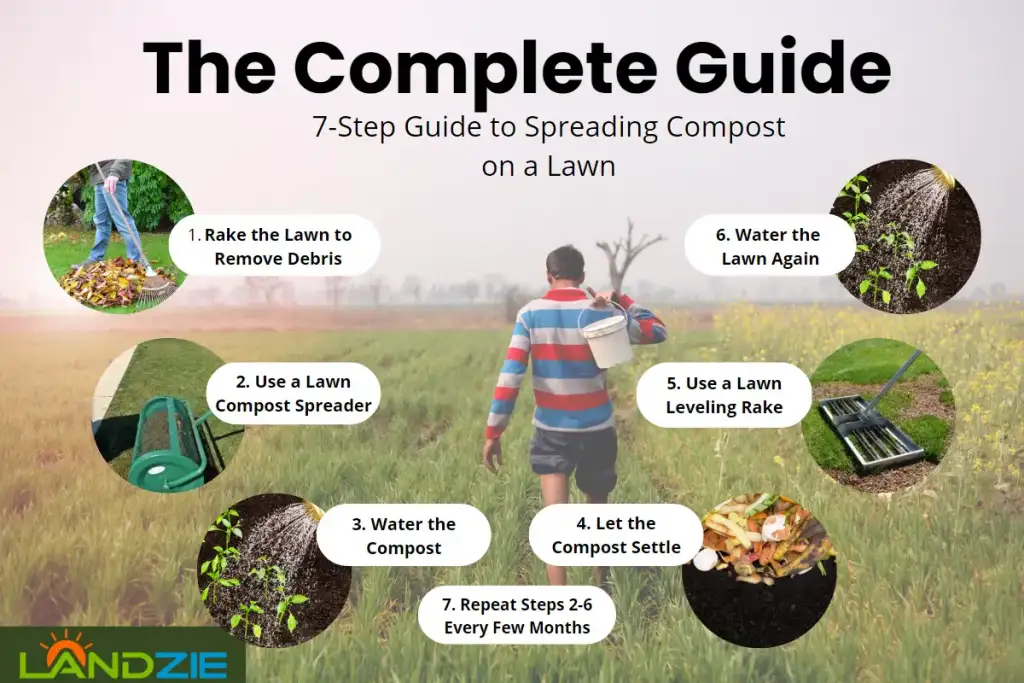
Image Source: landzie.com
Why Your Lawn Needs Compost
Your lawn is more than just green grass; it’s a living ecosystem. Over time, grass growth, foot traffic, and weather can deplete the soil of essential nutrients and compact it, making it harder for roots to grow and absorb water. This is where compost comes in.
Compost is decomposed organic matter, like kitchen scraps, yard waste, and aged manure. When you add it to your lawn, you’re essentially giving your soil a superfood boost. The benefits of compost for lawns are numerous and far-reaching:
- Improved Soil Structure: Compost loosens compacted soil, allowing air, water, and nutrients to reach the grass roots more easily. This is especially helpful for lawn aeration compost applications.
- Nutrient Richness: Compost provides a slow-release source of essential nutrients that grass needs to thrive, acting as a natural and gentle compost fertilizer for lawn applications.
- Enhanced Water Retention: Compost acts like a sponge, holding moisture in the soil. This means your lawn will stay hydrated longer, reducing the need for frequent watering and making it more resilient during dry spells.
- Increased Microbial Activity: Healthy soil is teeming with beneficial microorganisms. Compost introduces and feeds these microbes, which further break down organic matter and make nutrients available to your grass.
- Disease and Pest Resistance: A healthy lawn is less susceptible to diseases and pests. Compost helps build a strong, resilient root system and balanced soil environment that naturally deters problems. It can even help with issues like compost for brown patch.
- Better Drainage: While it improves water retention, compost also helps with drainage in heavy clay soils, preventing waterlogging and root rot.
- pH Balance: Compost can help buffer the soil’s pH, bringing it closer to the ideal range for most grass types.
What is Compost Top Dressing?
Compost top dressing is the process of applying a thin layer of compost over the surface of your lawn. This is the most common and effective way to introduce the benefits of compost directly to your grass and soil. It’s like giving your lawn a nourishing blanket.
Best Time to Compost Lawn
When is the best time to compost lawn? The ideal times for adding compost to your lawn are during the active growing seasons for your grass type.
-
Cool-Season Grasses (e.g., Kentucky Bluegrass, Fescue, Ryegrass):
- Early Fall: This is often considered the prime time. The soil is still warm enough for decomposition, and the grass is actively growing and recovering from summer stress.
- Early Spring: As temperatures start to warm up, your lawn will benefit from the nutrients and improved soil structure.
-
Warm-Season Grasses (e.g., Bermuda, Zoysia, St. Augustine):
- Late Spring/Early Summer: Apply compost as the grass begins to green up and actively grow after winter dormancy.
- Early Fall: This can also be beneficial before the grass goes dormant for the winter.
Avoid applying compost during periods of extreme heat or drought, as this can stress your lawn. Also, avoid applying it when the ground is frozen or waterlogged.
How to Add Compost to Lawn: Step-by-Step Guide
Adding compost to your lawn is a straightforward process. Here’s a detailed guide on spreading compost on grass:
Step 1: Prepare Your Lawn
Before you start spreading compost on grass, it’s crucial to prepare your lawn.
- Mow Your Lawn: Mow your grass to a shorter height than usual. This makes it easier for the compost to reach the soil surface.
- Remove Debris: Rake up any leaves, twigs, rocks, or other debris from the lawn. This ensures an even application of compost and prevents it from smearing.
- Consider Aeration (Optional but Recommended): For heavily compacted soil, lawn aeration compost application is incredibly effective. Aerating creates small holes in the soil, allowing the compost to penetrate deeper and reach the root zone more easily. If you plan to aerate, do it a few days before applying compost. You can use a core aerator or spike aerator.
Step 2: Choose Your Compost
The quality of your compost matters.
- Well-Composted Material: Ensure your compost is fully decomposed. It should be dark, crumbly, and have an earthy smell. If it smells sour or is still warm, it’s not ready.
- Particle Size: Finer compost is generally easier to spread and integrates more readily with the existing soil. Coarser compost can be beneficial for aeration but might be harder to spread evenly.
- Nutrient Content: While most compost is beneficial, some specialized composts might offer additional benefits. However, for general lawn health, good quality finished compost is sufficient.
Step 3: Gather Your Tools
You’ll need a few tools for efficient compost top dressing:
- Wheelbarrow: For transporting the compost.
- Shovel or Scoop: For loading the compost into the wheelbarrow and onto the lawn.
- Compost Spreader: This is the most efficient tool for spreading compost evenly. You can use a rotary spreader (similar to a fertilizer spreader) or a drop spreader. A rake can be used for manual spreading, but it’s more labor-intensive.
- Rake: To spread and smooth the compost layer.
Step 4: Apply the Compost
This is where the magic happens. The goal is to apply a thin, even layer.
- Amount: Aim for a layer that is about ¼ to ½ inch thick. You should still be able to see most of your grass blades through the compost. Applying too thick a layer can smother the grass.
- Using a Spreader:
- Fill your spreader with compost.
- Set the spreader to the appropriate setting for compost (check your spreader’s manual).
- Walk at a consistent pace, making overlapping passes to ensure even coverage.
- Manual Spreading (with Rake):
- Dumping small piles of compost around the lawn.
- Use a rake to spread these piles thinly and evenly across the entire lawn area. Work in sections to ensure consistency.
Step 5: Rake and Distribute
After applying the compost, use a rake to work it into the grass.
- Gentle Raking: Gently rake the compost into the turf. This helps it settle around the grass blades and encourages it to reach the soil.
- Even Distribution: Ensure there are no thick clumps of compost. Raking also helps to break up any clumps that might have formed during spreading.
Step 6: Water Your Lawn
Once the compost is spread and raked, give your lawn a good watering.
- Watering: This helps to wash any compost clinging to the grass blades down to the soil and encourages the compost to start integrating with the soil. It also helps settle the compost.
Step 7: Maintenance
After applying compost, continue with your regular lawn care routine.
- Watering and Mowing: Water and mow as usual. You may notice your grass responding positively to the compost within a few weeks.
How to Mulch with Compost
While compost top dressing is about applying a thin layer, how to mulch with compost is slightly different. Mulching typically involves a thicker layer of organic material to suppress weeds, retain moisture, and protect plants. On a lawn, “mulching with compost” essentially refers to the top-dressing process described above. The thin layer acts as a mulch, but its primary purpose is soil amendment and fertilization rather than significant weed suppression or extreme moisture retention. If you were mulching garden beds, you’d use a thicker layer (2-3 inches) of compost or other organic material. For lawns, think of it as a very fine, nutrient-rich mulch.
When Compost is Not Enough: Addressing Specific Lawn Issues
While compost is a fantastic all-around soil amendment, sometimes your lawn needs more targeted help.
Compost for Brown Patch
Compost for brown patch can be part of a solution, but it’s not a standalone cure for fungal diseases like brown patch. Brown patch is often caused by a combination of factors, including specific fungal pathogens, excessive moisture, and nitrogen imbalances.
- How Compost Helps: By improving soil health, drainage, and nutrient availability, compost can create a more resilient turf that is less susceptible to fungal outbreaks. A healthy root system is better able to withstand stress.
- Additional Steps: To combat brown patch effectively, you may need to:
- Adjust Watering Practices: Water deeply and infrequently, preferably in the morning, allowing the grass to dry before nightfall.
- Improve Air Circulation: Prune nearby trees or shrubs that cast dense shade or increase airflow.
- Fertilize Appropriately: Avoid excessive nitrogen fertilization, especially during warm, humid weather when brown patch is prevalent.
- Fungicides: In severe cases, you might need to use a targeted fungicide. Always follow product instructions carefully.
Applying compost as part of a holistic approach can strengthen your lawn’s natural defenses against brown patch and other diseases.
Can I Use Compost Directly on Grass?
Yes, you can use compost directly on grass, but it must be a thin layer. As mentioned, applying too thick a layer can smother the grass. The goal of compost top dressing is to allow the compost to filter down to the soil and root zone while still letting sunlight and air reach the grass blades.
Homemade vs. Purchased Compost
You have two main options for compost: making your own or buying it.
Making Your Own Compost
This is a rewarding and cost-effective method.
- Materials: Greens (nitrogen-rich) like grass clippings, kitchen scraps (fruit and vegetable peels, coffee grounds), and browns (carbon-rich) like dry leaves, shredded newspaper, and straw.
- Compost Bin or Pile: You can use a purchased compost bin, build one from pallets, or simply create a pile.
- Key Elements: Balance greens and browns, maintain moisture (damp sponge consistency), and ensure adequate aeration (turning the pile).
- Timeframe: It can take anywhere from a few months to over a year to produce finished compost, depending on the method and management.
Buying Compost
If you’re short on time or space, purchasing compost is a convenient option.
- Where to Buy: Garden centers, nurseries, landscape supply companies, and even some hardware stores sell bagged or bulk compost.
- What to Look For:
- “Finished” or “Aged” Compost: This indicates it’s ready to use.
- Ingredient List: Look for compost made from a variety of organic materials.
- Reputable Source: Buy from a trusted supplier.
Factors to Consider for Your Lawn
Before you start, think about your specific lawn and soil type.
Soil Testing
A soil test is a valuable first step. It tells you your soil’s pH, nutrient levels, and organic matter content. This information helps you tailor your compost application and any other amendments needed. You can get DIY soil test kits or send samples to a local extension office.
Grass Type
Different grass types have varying needs. Cool-season grasses benefit from fall applications, while warm-season grasses prefer spring or early summer.
Lawn Condition
- Thin or Patchy Areas: Compost is excellent for overseeding. Apply compost and then spread grass seed over the composted area. The compost will help retain moisture for seed germination and provide nutrients for new growth.
- Compacted Soil: Combine aeration with compost application for maximum benefit. This is where lawn aeration compost shines.
Alternatives and Complements to Compost Top Dressing
While compost top dressing is highly effective, other practices complement its benefits.
- Overseeding: Adding grass seed to your lawn, especially after aeration and composting, helps fill in thin spots and creates a denser turf.
- Mulching Garden Beds: While we’re focused on lawns, remember that how to mulch with compost in garden beds also contributes to overall soil health, which can indirectly benefit surrounding turf.
- Grasscycling: Leaving grass clippings on the lawn after mowing returns valuable nutrients to the soil and contributes to organic matter.
Common Mistakes to Avoid
Even with an easy guide, mistakes can happen.
- Applying Too Much Compost: This is the most common error. Too much compost can smother grass, block sunlight, and create a spongy surface. Stick to a thin layer (¼ to ½ inch).
- Using Unfinished Compost: Hot or “unripe” compost can harm your grass. It may contain weed seeds or pathogens and can temporarily tie up nitrogen in the soil as it continues to decompose.
- Applying Compost to Dormant Grass: While not harmful, it won’t provide as much benefit as applying it during active growth.
- Ignoring Soil Compaction: If your soil is heavily compacted, compost applied to the surface will have limited impact. Aeration is key in these situations.
Frequently Asked Questions (FAQ)
Q1: How often should I add compost to my lawn?
A1: For most lawns, applying compost once a year is sufficient. If your soil is particularly poor or compacted, you might consider applying it every six months, but always use thin layers.
Q2: Can I spread compost on a new lawn?
A2: Yes, applying compost to a new lawn before seeding or sodding is an excellent way to establish a healthy foundation. Spread a ½ to 1-inch layer and work it into the top few inches of soil.
Q3: Will compost kill my grass if I apply too much?
A3: Applying a very thick layer of compost can smother the grass by blocking sunlight, water, and air. It can also lead to thatch buildup and potential disease issues. Always stick to a thin layer (¼ to ½ inch).
Q4: Does compost act as a weed killer?
A4: Compost itself doesn’t kill existing weeds. However, a healthy, dense lawn established with the help of compost will naturally outcompete weeds. If your compost contains weed seeds (which can happen if not properly managed), it could introduce new weeds.
Q5: Can I use compost if I have pets or children?
A5: Yes, compost is a natural and safe amendment. Once applied and watered in, it’s perfectly safe for pets and children to play on the lawn.
Q6: What is the difference between compost and manure?
A6: Compost is decomposed organic matter that has gone through a biological process, breaking down various materials. Manure is animal waste. While aged manure can be a great addition to compost or used directly (in a very aged form), fresh manure is too strong and can burn grass. Compost is generally more stable and balanced than manure.
Conclusion
Adding compost to your lawn is a fundamental practice for achieving a healthy, resilient, and beautiful turf. By following this easy guide on spreading compost on grass, you’re investing in the long-term vitality of your lawn. Whether you’re performing lawn aeration compost integration or simply looking for a natural compost fertilizer for lawn boost, the benefits of compost for lawns are undeniable. Embrace organic lawn care compost practices, and watch your grass thrive!