
Can you get rid of chinch bugs in your lawn fast? Yes, by identifying the problem early and taking swift, targeted action, you can effectively manage and eliminate chinch bugs from your lawn.
Chinch bugs are tiny but mighty pests that can wreak havoc on your lawn, leaving behind unsightly brown patches and causing significant damage. Fathoming the signs of an infestation and knowing the best ways to tackle it are crucial for a healthy, green lawn. This guide will walk you through everything you need to know about eradicating these lawn invaders.
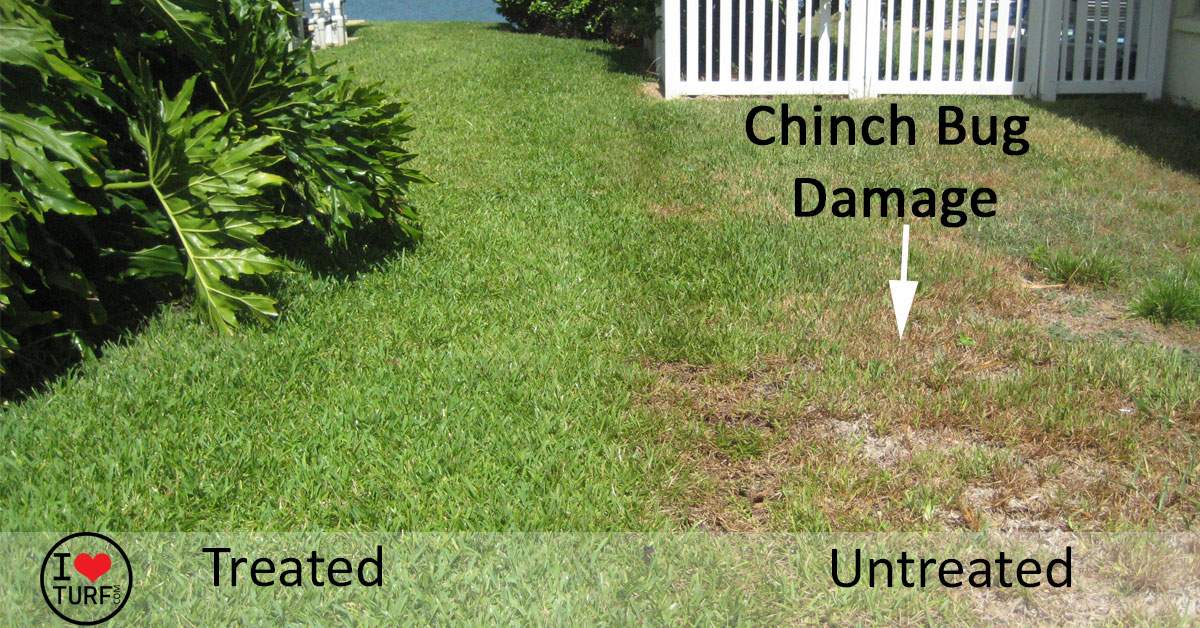
Image Source: iloveturf.com
Identifying Chinch Bugs and Their Damage
Before you can eliminate chinch bugs, you need to be sure that’s what you’re dealing with. Identifying chinch bugs and their characteristic chinch bug damage is the first critical step. These small insects, typically measuring about 1/4 inch long, have oval-shaped bodies. Adults are black with white markings on their wings, while the nymphs (younger bugs) are smaller and reddish-brown with a white band across their backs.
The damage they inflict is often mistaken for drought stress, making early detection vital.
Signs of Chinch Bug Damage
- Irregular Brown Patches: The most common sign is the appearance of irregular, straw-colored or brown patches in the lawn. These patches often start small and expand outward.
- Stunted Growth: Grass affected by chinch bugs will often appear stunted and unhealthy, even with proper watering.
- Yellowing Grass: Before turning brown, affected areas may show a yellowing or bronzing of the grass blades.
- Thicker Than Usual Thatch: Chinch bugs thrive in thick thatch layers, and their presence can sometimes contribute to increased thatch buildup.
How to Find Chinch Bugs
The best way to confirm an infestation is to actively search for the bugs themselves.
The Floatation Method
This is a highly effective way to expose chinch bugs.
- Select an Affected Area: Choose a spot where you see signs of chinch bug damage.
- Use a Container: Get a large, clear container, like a large jar or bucket.
- Fill with Water: Fill the container with water.
- Submerge the Grass: Push the container about 2-3 inches into the soil, ensuring the grass within the container is submerged.
- Wait and Watch: After about 5-10 minutes, any chinch bugs hiding in the grass blades and thatch will float to the surface of the water, making them easy to spot.
Where Chinch Bugs Hide
Chinch bugs prefer to congregate at the base of grass blades, especially in areas with thick thatch. They feed on the sap of grass roots, weakening the plant and eventually causing its death. They are particularly fond of certain grass types, such as St. Augustine, perennial ryegrass, and bentgrass.
The Life Cycle of a Chinch Bug
Comprehending the chinch bug life cycle is key to effective lawn insect control and knowing the best time to treat chinch bugs. Chinch bugs have several generations per year, with overlapping life stages making continuous vigilance necessary.
- Eggs: Adult female chinch bugs lay eggs in the soil, typically near the base of grass plants. Eggs hatch within one to two weeks.
- Nymphs: These young chinch bugs go through several molts as they grow. Nymphs are the primary feeders and cause significant damage. This stage can last from 3 to 5 weeks.
- Adults: Once fully grown, adult chinch bugs emerge. They reproduce and lay more eggs, continuing the cycle. Adults are capable of flight and can easily spread to new areas.
When is the Best Time to Treat Chinch Bugs?
Knowing the best time to treat chinch bugs is crucial for maximizing the effectiveness of your efforts and preventing further damage. The most opportune times are when the nymphs are actively feeding and are most vulnerable.
- Late Spring/Early Summer: This is often when the first generation of nymphs hatches and begins to feed actively.
- Late Summer/Early Fall: A second generation of nymphs emerges, which can cause a resurgence of damage.
Treating during these periods targets the most susceptible life stages and can prevent populations from reaching damaging levels. Avoid applying treatments during extreme heat or drought, as this can stress your lawn and make it more susceptible to damage.
How to Get Rid of Chinch Bugs in Your Lawn Fast: Treatment Options
When facing a chinch bug infestation, a multi-pronged approach is often the most effective. Here are various methods for chinch bug control, ranging from natural remedies to chemical solutions.
Natural and Organic Chinch Bug Treatment
For those seeking organic lawn care and natural chinch bug treatment, several eco-friendly options are available. These methods focus on disrupting the chinch bug’s life cycle and environment without relying on harsh chemicals.
Beneficial Nematodes
- What they are: Microscopic roundworms that are natural parasites of insect larvae. Certain species, like Heterorhabditis bacteriophora (Hb nematodes), are very effective against chinch bug nymphs.
- How they work: Nematodes are applied to the lawn as a liquid solution. They actively seek out and enter insect pests, releasing bacteria that kill them.
- Application: Apply when soil temperatures are above 55°F (13°C) and the soil is moist. Water the lawn thoroughly before and after application.
- Pros: Environmentally friendly, safe for pets and children, effective against many soil-dwelling pests.
- Cons: Can be temperature and moisture sensitive, effectiveness can vary.
Diatomaceous Earth (DE)
- What it is: A natural powder made from fossilized aquatic organisms. It has sharp edges that dehydrate and kill insects with exoskeletons.
- How it works: When chinch bugs crawl over DE, it scratches their exoskeletons, causing them to lose moisture and die.
- Application: Apply a thin layer of food-grade DE to the affected areas of your lawn, especially in the early morning or late evening when the ground is slightly damp.
- Pros: Natural, non-toxic to larger animals, effective when dry.
- Cons: Loses effectiveness when wet, can be dusty to apply, may harm beneficial insects if applied broadly.
Neem Oil
- What it is: An extract from the neem tree, known for its insecticidal and fungicidal properties.
- How it works: Neem oil acts as a repellent, growth regulator, and can disrupt the hormonal balance of insects, interfering with their feeding and reproduction.
- Application: Mix with water according to product instructions and spray directly onto affected areas of the lawn. Apply in the late afternoon or early evening to avoid burning grass.
- Pros: Biodegradable, safe for most beneficial insects when applied correctly, has a broad spectrum of pest control.
- Cons: Can be less effective on adult chinch bugs, requires repeated applications.
Milky Spore
- What it is: A naturally occurring soil bacterium that specifically targets Japanese beetle grubs. While not a direct chinch bug killer, healthy soil can support a more resilient lawn.
- How it works: When Japanese beetle grubs consume milky spore spores, the bacteria multiply within them, eventually killing them. This improves the overall health of your lawn, making it less susceptible to other pests.
- Application: Applied to the soil. It takes time to build up in the soil to become effective.
- Pros: Highly specific, safe for all other organisms.
- Cons: Only targets Japanese beetle grubs, not chinch bugs directly, takes years to become fully effective.
Chemical Chinch Bug Treatment Options
When natural methods are not sufficient, or the infestation is severe, chemical insecticides may be necessary for rapid chinch bug control. It’s important to choose the right chinch bug pesticides and apply them carefully.
Insecticides Containing Bifenthrin or Permethrin
- How they work: These are pyrethroid insecticides that work on contact, killing chinch bugs and other insects by disrupting their nervous systems.
- Application: Apply as granules or liquid sprays according to product label instructions. Ensure thorough coverage of affected areas. Water the lawn after application unless the label states otherwise.
- Pros: Fast-acting, effective against a wide range of lawn pests.
- Cons: Can be harmful to beneficial insects like bees and ladybugs, requires careful handling and adherence to safety precautions.
Insecticides Containing Imidacloprid or Chlorpyrifos (Use with Caution)
- How they work: These are systemic insecticides that are absorbed by the grass roots and then ingested by insects feeding on the plant. This provides longer-lasting protection.
- Application: Typically applied as granules that are watered into the soil.
- Pros: Long-lasting control, effective against a broad spectrum of pests.
- Cons: Systemic insecticides can be more harmful to non-target organisms, including pollinators. Chlorpyrifos has been restricted or banned in many areas due to environmental and health concerns. Always check local regulations.
Important Considerations for Chemical Treatments:
- Read the Label: Always read and follow all instructions and safety precautions on the pesticide label.
- Target Application: Apply only to the affected areas to minimize impact on the broader ecosystem.
- Timing: Apply when chinch bugs are most active and vulnerable, ideally in the morning or evening.
- Watering: Follow label instructions regarding watering before and after application.
- Protective Gear: Wear gloves, long sleeves, and eye protection when handling and applying pesticides.
- Beneficial Insects: Be aware that many broad-spectrum insecticides can harm beneficial insects. Consider using selective pesticides if available or applying treatments when pollinators are not active.
Preventative Measures for Chinch Bug Prevention
The best defense against a chinch bug infestation is strong chinch bug prevention. Implementing a consistent lawn care routine can significantly reduce the likelihood of these pests taking hold.
Maintain Healthy Grass
Healthy, vigorous grass is less susceptible to pest damage.
- Proper Mowing: Mow your lawn at the correct height for your grass type. Taller grass shades the soil, keeping it cooler and moister, which is less hospitable to chinch bugs. Never remove more than one-third of the grass blade at a time.
- Adequate Watering: Water your lawn deeply and infrequently. This encourages deep root growth, making the grass more resilient. Avoid shallow, frequent watering, which can create favorable conditions for chinch bugs.
- Appropriate Fertilization: Use a balanced fertilizer and fertilize at the right times for your grass type. Over-fertilizing, especially with nitrogen, can lead to lush, soft growth that attracts pests.
Thatch Management
Chinch bugs love to hide in thick thatch layers.
- Dethatching: Aerate your lawn annually or biennially to reduce thatch buildup. This improves air circulation, water penetration, and nutrient access, while also disrupting chinch bug habitats.
- Bagging Grass Clippings: For a time, it was thought that leaving grass clippings would create thatch. However, modern mowing practices and equipment often produce fine clippings that decompose quickly. If your clippings are clumping, bagging them might be beneficial.
Overseeding
- Strengthen Your Lawn: Overseeding with more pest-resistant grass varieties can improve your lawn’s overall resilience.
Water Management During Drought
- Drought Stress: Chinch bugs are often more active and cause more damage during periods of drought. While it’s tempting to let the lawn go dormant, a light watering during extended dry spells can help it withstand pest pressure.
Advanced Strategies for Lawn Insect Control
Beyond the immediate treatment, consider these advanced strategies for long-term lawn insect control.
Soil Health
- Microbial Activity: A healthy soil ecosystem, rich in beneficial microbes, can naturally suppress pest populations. Incorporating compost and avoiding harsh chemical treatments can foster this environment.
Integrated Pest Management (IPM)
- Holistic Approach: IPM combines cultural, biological, and chemical controls to manage pests effectively. It emphasizes prevention and uses the least toxic methods first. For chinch bugs, this means starting with good cultural practices, then perhaps beneficial nematodes, and only resorting to synthetic pesticides as a last resort for severe infestations.
Identifying Grass Types
- Vulnerability: Knowing your grass type is important. As mentioned, St. Augustine, perennial ryegrass, and bentgrass are particularly susceptible to chinch bugs. If you have these, extra vigilance is required. Other grass types, like fescues and Bermuda grass, tend to be more tolerant.
Chinch Bug Damage: A Closer Look
Understanding the extent of chinch bug damage can help you gauge the severity of your problem and the urgency of your treatment. The damage occurs because chinch bugs inject a toxin into the grass as they feed, which interferes with water and nutrient uptake.
- Root Damage: While the nymphs and adults feed on the surface of the grass blades and crowns, their toxin affects the root system, causing it to die off. This is why even if you don’t see many bugs, the grass can still die.
- Patchy Appearance: The characteristic brown patches are not just dead grass; they are areas where the chinch bug population has become dense enough to overwhelm the grass’s ability to survive.
- Spread: Chinch bugs tend to spread from the edges of the lawn inwards, or from areas of thin grass outwards. They often prefer sunny, dry areas.
Frequently Asked Questions About Chinch Bugs
Here are answers to common questions about dealing with these lawn pests:
Q1: Can chinch bugs kill my entire lawn?
A1: Yes, if an infestation is left untreated, especially during hot, dry weather, chinch bugs can weaken and kill large sections of your lawn, potentially leading to a complete lawn failure.
Q2: Are chinch bugs dangerous to pets or humans?
A2: No, chinch bugs are not directly harmful to pets or humans. They are plant pests, and while they can be annoying, they do not bite or spread diseases to animals or people.
Q3: How quickly can I expect to see results after treatment?
A3: With chemical treatments, you may start to see a reduction in activity within 24-48 hours. Natural treatments like beneficial nematodes might take a few days to a week to show significant results as they actively hunt the pests.
Q4: Can I treat my lawn for chinch bugs if I have pets or children?
A4: Yes, you can. If using chemical treatments, always opt for products specifically labeled as safe for pets and children once the lawn is dry or as directed on the label. Natural treatments like beneficial nematodes and diatomaceous earth are generally safer options. Always supervise pets and children in the treated area according to product instructions.
Q5: What if the brown patches are not due to chinch bugs?
A5: Brown patches can be caused by many factors, including drought, fungal diseases (like brown patch or dollar spot), grub worms, or pet urine. It’s essential to correctly identify the pest or disease before applying any treatment. The floatation method is key for confirming chinch bugs.
Q6: How do I prevent chinch bugs from coming back next year?
A6: Consistent lawn maintenance is the best prevention. This includes proper mowing, watering, regular dethatching, and monitoring for early signs of infestation. Applying preventative treatments like beneficial nematodes in late spring can also help control early populations.
Conclusion
Successfully getting rid of chinch bugs fast requires diligence, accurate identification, and timely action. By implementing a combination of effective chinch bug control methods, prioritizing organic lawn care and natural chinch bug treatment where possible, and focusing on robust chinch bug prevention, you can protect your lawn from the devastating effects of chinch bug damage and maintain a healthy, vibrant landscape year after year. Remember that consistent care and early detection are your greatest allies in the ongoing battle against lawn pests.