
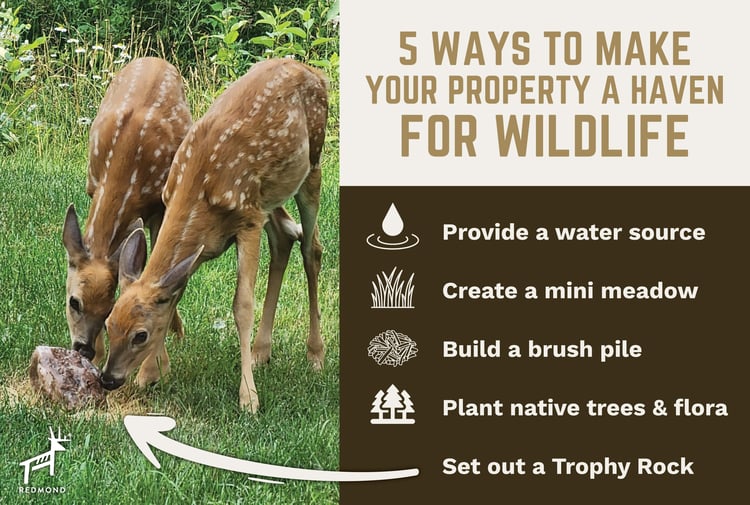
Image Source: blog.redmondhunt.com
How To Attract Deer To Your Yard Safely & Easily
Can you attract deer to your yard? Yes, you can attract deer to your yard, but it’s crucial to do so safely and with consideration for both the animals and your property. This guide will walk you through the best ways to draw deer in using natural methods, providing them with beneficial food sources, and creating a welcoming habitat, all while ensuring their well-being and minimizing any potential conflicts. We’ll explore effective deer attractants, deer feeding stations, deer food plots, deer foraging plants, and how to achieve attracting deer naturally.
Creating a Deer-Friendly Environment
To successfully attract deer, you need to think like a deer. What makes a place appealing to them? It’s a combination of safe places to eat, drink, and rest, along with a feeling of security. This involves thoughtful deer habitat management.
Planting Deer Beneficial Plants
One of the most natural and effective ways to attract deer is by planting deer beneficial plants. These are plants that deer love to eat. By offering a diverse buffet of nutritious options, you’ll become a popular spot for local deer.
Edible Plants Deer Love
- Forbs (Broadleaf Plants): These are often highly nutritious and palatable.
- Clover (White and Red)
- Alfalfa
- Vetch
- Chicory
- Plantain
- Dandelion
- Wild Lettuce
- Ragweed (yes, surprisingly, deer find it tasty and nutritious!)
- Grasses: Many grasses are a staple in a deer’s diet, especially in spring and summer.
- Fescue
- Orchardgrass
- Brome
- Timothy
- Browse (Woody Plants and Shrubs): Deer also eat twigs, buds, and leaves from woody plants, especially in the fall and winter when other food is scarce.
- Dogwood
- Red Osier Dogwood
- Willow
- Maple (young shoots and buds)
- Oak (acorns are a favorite)
- Berry bushes (Raspberries, Blackberries, Blueberries)
Creating Small Deer Food Plots
Instead of a large, traditional deer food plot, consider creating smaller, strategically placed plots. These can be integrated into your landscaping or existing natural areas.
- Location is Key: Choose sunny spots that are somewhat sheltered and not too close to busy areas.
- Soil Preparation: Ensure the soil is well-drained and has good nutrients. You might need to add compost or appropriate fertilizer.
- Seed Selection: Mix different types of plants to provide a varied diet throughout the year. A mix of clover, chicory, and some annual grains like oats or wheat can be very effective.
- Maintenance: Keep the plots weeded and mowed occasionally to encourage new growth.
Providing Water Sources
Deer, like all living creatures, need water. A reliable water source can be a strong deer luring technique.
- Natural Ponds or Streams: If you have these on your property, they are excellent natural attractants.
- Artificial Waterers:
- Stock Tanks: A large, shallow stock tank can be filled with fresh water. Ensure there are rocks or a ramp inside to allow fawns and smaller animals to get out if they fall in.
- Bird Baths: While small, a clean bird bath can be a welcome drink for a deer, especially during dry periods.
- Wading Pools: Small, shallow wading pools can serve a similar purpose.
Offering Supplemental Food and Minerals (Responsibly)
While attracting deer naturally through plants is ideal, supplemental feeding can be used, but with caution and awareness of local regulations.
Deer Minerals and Salt Licks
Deer need minerals for growth and health, especially bucks who are developing antlers.
- Purpose: Salt and mineral blocks provide essential nutrients like calcium and phosphorus.
- Placement: Put them in areas where you’ve seen deer sign (tracks, droppings) or near their travel routes.
- Types: You can find pre-made mineral blocks or mix your own using materials like trace mineral salt, bone meal, and other supplements.
- Local Regulations: Always check if supplemental feeding or mineral supplementation is allowed in your area, as some places prohibit it to prevent disease spread.
Corn and Other Feed
Corn is a highly attractive deer attractant, but feeding it exclusively can be detrimental to a deer’s digestive system.
- When to Feed: If you choose to feed, do so sparingly, especially during harsh winter months when natural food is scarce.
- What to Feed: A good quality corn is acceptable, but mixing it with other grains like oats or peas can provide a more balanced diet.
- Feeding Stations: Create designated deer feeding stations to concentrate the feeding and make it easier to monitor.
- Platform Feeders: A simple wooden platform elevated slightly off the ground can keep feed dry and cleaner.
- Gravity Feeders: These feeders dispense feed as it is consumed, reducing waste.
- Placement: Set up feeding stations in areas that are safe and visible, away from roads and potential hazards.
Enhancing Safety and Minimizing Conflict
Attracting deer is exciting, but safety and minimizing negative interactions are paramount.
Deer Scent Attractants
Deer scent attractants can be used to draw deer to specific areas, but use them judiciously.
- Types of Scents:
- Curiosity Scents: Often based on urine or estrus scents, these can pique a deer’s interest.
- Cover Scents: These mask your own human scent, making it harder for deer to detect you.
- How to Use Them:
- Apply scents to natural objects like leaves or twigs near your chosen spot.
- Use scent drags along trails leading to your feeding or observation area.
- Ethical Considerations: Avoid using scents in ways that might lead deer into dangerous situations or conflict with property owners.
Understanding Deer Behavior
Knowing how deer behave will help you attract them and coexist peacefully.
- Travel Corridors: Deer tend to follow established paths, often along field edges, creek beds, or hedgerows.
- Bedding Areas: They seek out quiet, secluded spots with good cover for resting.
- Feeding Times: Deer are most active at dawn and dusk (crepuscular).
- Seasonal Movements: Their behavior and feeding habits change with the seasons.
Creating Safe Zones
- Avoid Busy Areas: Do not try to attract deer to areas right next to busy roads or public spaces where accidents could occur.
- Safe Viewing Areas: If you want to observe them, set up a comfortable and safe viewing blind or area away from their immediate feeding or bedding spots.
Managing Potential Nuisance Issues
- Protecting Gardens and Landscaping: If you have ornamental plants that deer love, you’ll need to use deterrents or fencing for those specific areas.
- Deer-Resistant Plants: Research plants that deer tend to avoid.
- Repellents: There are many commercial repellents, some based on scent (like predator urine) and others on taste.
- Fencing: Consider deer fencing if your plants are particularly valuable.
- Disease Prevention: Avoid over-concentrating deer in one area through excessive feeding, as this can help spread diseases like Chronic Wasting Disease (CWD).
Deer Habitat Management – Long-Term Strategies
Attracting deer isn’t just about a quick meal; it’s about creating a sustainable habitat.
Enhancing Cover and Shelter
Deer need places to hide from predators and the elements.
- Planting Shrubs and Trees: Dense shrubs and young trees provide excellent cover.
- Leaving Brush Piles: Unwanted brush can be intentionally piled in secluded areas to offer shelter.
- Preserving Natural Areas: If you have wooded areas or thickets, try to protect them.
Providing Seasonal Food Sources
A varied diet throughout the year is crucial.
- Fall and Winter: Focus on plants that hold their leaves or provide seeds and nuts. Evergreens, dried grasses, and fallen acorns are important.
- Spring and Summer: Lush forbs and grasses are abundant.
Setting Up Deer Feeding Stations
Designing effective deer feeding stations is more than just scattering corn.
Types of Feeders and Their Benefits
| Feeder Type | Description | Benefits | Considerations |
|---|---|---|---|
| Corn Scattering | Spreading corn directly on the ground or in a designated area. | Simple, inexpensive. | Can attract rodents and other animals, can get wet and spoil, not ideal for balanced nutrition. |
| Platform Feeder | A raised wooden platform, often with sides to contain feed. | Keeps feed off the ground, cleaner, easier to monitor quantity. | Requires construction, can be bulky. |
| Gravity Feeder | A hopper that dispenses feed into a trough as deer eat. | Reduces waste, keeps feed dry, can be filled less often. | Can be expensive, might require maintenance, deer can be aggressive around them. |
| Mineral/Salt Lick | Blocks or loose minerals placed in a designated spot. | Provides essential nutrients for antler growth and overall health. | Must check local regulations, placement is important for consistent use. |
| Food Plot | A dedicated area planted with specific deer-attracting vegetation. | Provides natural, nutritious food, supports healthy deer populations, attracts deer naturally. | Requires planning, soil preparation, planting, and maintenance. |
Optimal Feeder Placement
- Near Cover: Place feeders where deer can quickly retreat to safety if startled.
- Away from Roads: Reduce the risk of vehicle-deer collisions.
- Accessible but Hidden: Deer should feel comfortable approaching, but not be overly exposed to human activity.
- On High Ground: If possible, place feeders on slightly elevated ground to avoid water pooling and spoilage.
Attracting Deer Naturally: The Best Approach
While supplemental feeding can be a tool, attracting deer naturally through habitat improvement is the most sustainable and responsible method.
Focus on Native Plants
Native plants are adapted to your local climate and soil, require less maintenance, and provide the best nutrition for local wildlife.
Create Diverse Habitats
A variety of plant types and structures creates a more robust ecosystem that appeals to deer.
- Edge Habitat: The transition zone between open fields and wooded areas is often rich in food and cover.
- Water Features: Even small water sources are valuable.
Minimize Disturbance
Deer are wild animals and will avoid areas where they feel threatened.
- Quiet Zones: Designate areas on your property where deer can feel safe and undisturbed.
- Limit Human Activity: Keep high-traffic human activities away from prime deer areas.
Common Questions About Attracting Deer
Q: What is the best deer attractant?
A: The “best” deer attractant depends on the season and what deer in your specific area are looking for. Generally, nutritious food sources like clover, alfalfa, and corn, along with minerals, are highly effective. However, natural habitat improvements with deer beneficial plants are the most sustainable and recommended.
Q: Can I feed deer corn all year round?
A: It’s generally not recommended to feed deer corn exclusively or year-round. Deer have specific digestive needs, and a diet solely of corn can lead to health problems. Supplemental feeding is best done sparingly, especially during harsh winters when natural food is scarce. Always check local regulations regarding supplemental feeding.
Q: How do I attract deer without them eating my garden?
A: This is a common challenge. To protect your garden, use fencing or deer repellents on specific plants. Simultaneously, create attractive deer food plots or planting areas further away from your garden to draw them to a preferred food source.
Q: What are the best deer minerals to use?
A: Look for mineral supplements specifically formulated for deer, containing essential minerals like calcium, phosphorus, and trace minerals. Many products are available in block or loose granular form. Placement in areas with high deer activity is key.
Q: How close can I set up deer feeding stations to my house?
A: It’s best to place feeding stations at a safe distance from your house, typically at least 50-100 feet or more, depending on your comfort level and local conditions. This allows you to observe them without disturbing them and reduces the chance of them becoming too habituated or causing issues.
Q: Are deer scent attractants safe to use?
A: Deer scent attractants are generally safe when used according to product instructions. However, it’s crucial to use them ethically and avoid situations that could lead deer into danger or conflict. Always consider the potential impact on the animals and your neighbors.
By following these guidelines, you can create a welcoming haven for deer, enjoy observing these magnificent creatures, and manage your property responsibly. Remember, patience and consistent effort in deer habitat management are key to long-term success.