
What is a septic tank? A septic tank is an underground wastewater treatment structure. It’s used in homes not connected to public sewer systems. Can I find my septic tank if I don’t know where it is? Yes, you can find your septic tank using several methods. Who is responsible for maintaining a septic tank? The homeowner is typically responsible for maintaining their septic tank.
Finding your septic tank is an important task for homeowners. Whether you need to perform routine maintenance, schedule a septic tank inspection, or are planning landscaping projects, knowing your septic system location is key. Many homeowners assume their septic tank is directly behind the house, but this isn’t always the case. This comprehensive guide will walk you through various methods to locate septic tank and identify septic tank cover easily and efficiently.
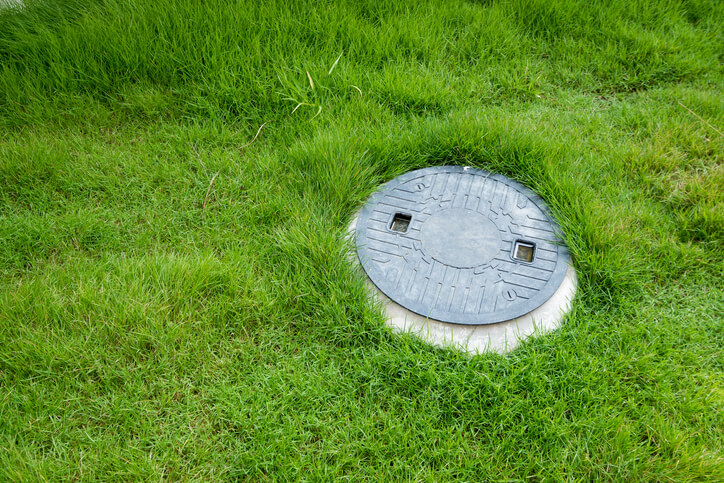
Image Source: www.jonessepticfl.com
Why Knowing Your Septic Tank Location Matters
Before we dive into the “how,” let’s briefly touch on the “why.” Knowing where your septic tank is serves several crucial purposes:
- Routine Maintenance: Septic tanks need to be pumped out every 3-5 years to prevent solids from accumulating and clogging the system. Without knowing the location, this essential maintenance is impossible.
- Septic Tank Inspection: When buying or selling a home, or if you suspect problems with your system, a professional septic tank inspection is necessary. The inspector will need to access the tank.
- Repairs and Replacements: If your septic system malfunctions, locating the tank is the first step in diagnosing and fixing the problem.
- Preventing Damage: Accidental damage to a septic tank or its components can lead to costly repairs and environmental hazards. Knowing the location helps you avoid digging in the wrong spot.
- Landscaping and Construction: Planning any digging or construction on your property? It’s vital to know where buried utilities, including your septic tank and drain field, are located to prevent damage.
Methods to Find Your Septic Tank
There are several reliable ways to pinpoint your septic tank. We’ll explore each one in detail.
Method 1: Consult Your Property Records and Septic System Maps
The easiest and most accurate way to find your septic tank is to check official documents.
Checking with Local Authorities
Your local health department or building department often keeps records of septic system installations.
- Building Permits: When a septic system was installed or replaced, a permit was likely issued. This permit often includes a septic system layout or a drawing showing the septic system location.
- Property Deeds and Records: Sometimes, septic system information is included in property deeds or subdivision plans.
- Contacting the Department: Visit or call your local county or municipal building department. Explain you need to find buried septic tank information for your property. They may have a septic tank map on file.
Reviewing Homeowner Documents
If you recently purchased the home, review all the paperwork you received at closing.
- Closing Documents: Septic system location details might be present in your home inspection report, title report, or other closing documents.
- Previous Owner Information: The previous owner may have left notes or diagrams about the septic system.
Method 2: Look for Physical Signs of the Septic Tank
Even without official documents, there are often tell-tale physical signs on your property that can help you locate septic tank.
Typical Septic Tank Location
Septic tanks are usually located:
- Behind the house: This is the most common placement, often within 10 to 50 feet of the foundation.
- Away from the well: For safety and regulatory reasons, septic systems are kept a significant distance from water wells.
- On a slope: The tank is typically uphill from the drain field (also called a leach field or dispersal area).
- Accessible for pumping: The location is chosen for relatively easy access for a pumping truck.
What to Look For: Signs of Septic Tank
When searching your yard, keep an eye out for these signs of septic tank:
- A large, flat, buried structure: Septic tanks are typically concrete, fiberglass, or plastic. They are usually rectangular or round.
- Manhole Covers: The most obvious sign is the access manhole cover(s). These are usually made of concrete, metal, or plastic. They are often flush with the ground or slightly raised. You might see a circular or rectangular outline in the grass or soil where the cover is buried.
- A Mound or Depression in the Ground: Over time, the ground above the septic tank might settle slightly, creating a subtle depression. Conversely, if the tank or its lid is slightly elevated, you might see a slight mound.
- Unusually Lush or Green Grass: If there’s a minor leak in the tank or distribution box, the grass above it might be greener and grow faster due to the nutrient-rich wastewater. This is a strong indicator, but it can also be a sign of other issues, so confirm with other methods.
- A Disturbed Area: Look for any areas where the soil appears to have been dug up and refilled in the past. This could indicate where the tank was installed.
Method 3: Use Your Drain Field as a Clue
Your septic tank is connected to a drain field. If you can find the drain field, you can often work backward to find buried septic tank.
Identifying Your Drain Field
The drain field is where the liquid effluent from the septic tank is dispersed into the soil. It typically consists of trenches filled with gravel or other porous material, with perforated pipes running through them.
- Location: The drain field is usually located downhill from the septic tank.
- Appearance: You might see a series of parallel, evenly spaced trenches. The area might have a slightly different vegetation growth pattern than the surrounding yard. Sometimes, there are visible manholes or risers at the ends of the drain field trenches.
Connecting the Tank to the Drain Field
- Flow Direction: Wastewater flows from the house, through the septic tank, and then to the drain field.
- Distribution Box (D-Box): Often, there’s a distribution box between the septic tank and the drain field. This concrete or plastic box helps distribute effluent evenly to different drain field trenches. If you find a D-box, the septic tank is typically uphill from it.
Method 4: Employing Technology to Find Your Septic Tank
Modern technology can be a great asset when trying to locate septic tank.
Metal Detectors
If your septic tank is made of concrete or fiberglass, a metal detector might not be effective on the tank itself. However, many older septic tanks have metal access lids or are located near metal components.
- How it works: A metal detector will beep when it passes over metal objects buried underground.
- Best used for: Identifying metal components associated with the tank, such as access lids or old pipes.
- Limitations: Won’t work for entirely non-metallic tanks or if the metal parts are too deep.
Ground Penetrating Radar (GPR)
GPR is a more advanced geophysical method that uses radar pulses to image the subsurface.
- How it works: A GPR unit sends electromagnetic waves into the ground. When these waves encounter a change in material (like a buried concrete tank), they reflect back to the receiver.
- Effectiveness: Can effectively locate buried structures like septic tanks, even those made of non-metallic materials. It can also help map the septic system layout.
- Considerations: Requires specialized equipment and trained operators. It can be more expensive than other methods.
Sonic Pipe Locators
These devices can help trace underground pipes.
- How it works: A transmitter is placed on an exposed pipe (if you can find one leading away from the house), and a receiver is used to follow the signal underground.
- Usefulness: Can help trace the main sewer line from your house to the septic tank.
Method 5: The “Dry Spot” Test (Use with Caution)
This is a less precise method, but sometimes it can offer a clue, especially after a rain.
- How it works: After a significant rainfall, walk across areas where you suspect the tank might be. Areas where the ground is saturated or unusually damp might indicate a leak or seepage from the tank or pipes.
- Caution: This method is unreliable and can be misleading. It should only be used as a supplementary indicator and not as a primary method.
Method 6: Observing Your Property’s Drainage Patterns
The way water drains on your property can hint at the location of underground structures.
- Water Pooling: If you notice areas where water consistently pools after rain, it might be indicative of an impermeable surface like a septic tank lid or a blockage in the system.
- Erosion: Significant erosion in a particular area could suggest a higher flow of water, possibly from a leaking component.
Step-by-Step Guide to Uncovering Your Septic Tank
Once you have a likely area, it’s time to get hands-on.
Step 1: Gather Your Tools and Information
- Tools: Shovel, rake, metal detector (optional), stakes or flags for marking.
- Information: Any maps, property records, or visual clues you’ve gathered.
Step 2: Mark Potential Areas
Based on your research, use stakes or flags to mark any areas where you suspect the tank might be. Be methodical.
Step 3: Start Shallow Probing
Begin by using a rake or a stiff broom to clear away grass and surface debris in the marked areas. You’re looking for a change in soil texture or a distinct outline.
Step 4: Careful Excavation (The Art of Digging for Septic Tank)
This is where you’ll physically uncover the tank.
- Start with a small area: Choose one of your marked spots and begin digging carefully with a shovel.
- Dig in a grid pattern: Excavate a small, shallow grid (e.g., 3ft x 3ft).
- Remove soil layer by layer: Gently scrape away the soil. The goal is to reveal the top of the tank or its cover without damaging it.
- Look for the cover: You are trying to identify septic tank cover. It might be a concrete lid, a metal frame, or a plastic cap.
- Be patient: This can take time. If you don’t find anything in the first spot, move to the next marked area.
Step 5: Confirming the Septic Tank
Once you find a potential cover, you need to confirm it’s indeed your septic tank.
- Multiple Lids: Most septic tanks have at least two access lids, one for each compartment. If you find one lid, probe around it to see if there’s another nearby.
- Shape and Size: Septic tanks are typically several feet wide and long (or in diameter for round tanks) and buried at least 1-3 feet deep.
- Connection Pipes: You might see inlet and outlet pipes entering and exiting the tank.
What to Do After Finding Your Septic Tank
Congratulations! You’ve located your septic tank. Now what?
Cleaning and Accessing the Tank
- Clearing the Cover: Once you’ve identified the cover, you might need to clear more soil away from its edges.
- Opening the Tank: Septic tank lids can be heavy. They might be secured with bolts or simply rest in place. If you intend to open the tank for inspection or pumping, it’s often best to have a professional do it, especially if it’s your first time. Septic gases can be dangerous.
Marking the Location Permanently
Once found, it’s crucial to mark the location clearly to avoid future difficulties.
- Permanent Markers: Use sturdy, weather-resistant markers. Options include:
- Brightly colored plastic stakes: Drive them into the ground around the tank’s perimeter.
- Large, flat rocks: Place them around the edges.
- Painting the cover: If the cover is visible and accessible, you might paint it a bright color.
- Draw a Map: Create a simple map of your property showing the exact location of the tank, drain field, and any risers or distribution boxes. Keep this map with your important home documents.
When to Call a Professional
While this guide provides methods for homeowners, there are times when professional help is essential:
- If you can’t find it: After exhausting these methods, if you’re still unable to find buried septic tank, a septic service company has specialized tools and experience.
- For pumping and inspection: Professionals have the equipment to safely pump out the tank and perform a thorough septic tank inspection.
- Suspected system failure: If you notice sewage odors, slow drains, or sewage backing up, it’s time to call a professional immediately. They can diagnose the problem and help with uncovering septic tank if necessary.
Frequently Asked Questions About Finding Your Septic Tank
Q1: How deep are septic tanks usually buried?
A1: Septic tanks are typically buried between 1 to 3 feet below the surface. The exact depth can vary depending on local regulations and the installer’s preference.
Q2: What if my septic tank has plastic covers? Will a metal detector find them?
A2: No, a metal detector will not locate plastic covers. You’ll need to rely on visual cues and careful probing for plastic lids.
Q3: Can I use a plumbing snake to find my septic tank?
A3: A plumbing snake is designed to clear clogs within pipes and won’t help you locate the physical tank itself. However, if you can connect a snake to the pipe leading away from your house, you might be able to trace its path to the tank or distribution box.
Q4: What are the signs that my septic tank is full or failing?
A4: Signs of a full or failing septic tank include sewage odors in or around your home, slow drains or toilets that flush slowly, backups of sewage into your home, unusually lush or wet spots in your yard above the drain field, and gurgling sounds from your plumbing.
Q5: How do I get a septic tank map for my property?
A5: You can request a septic tank map or septic system layout from your local county or municipal building department. Records of septic system installations are usually kept there. If the original installer is still in business, they might also have records.
Q6: Is it safe to dig for my septic tank myself?
A6: It can be safe if you are careful, but there are risks. You could damage the tank, pipes, or other underground utilities. Also, be aware of potential septic gases if you are close to an access point. If you are unsure, hire a professional.
Q7: What is a riser, and how does it help me find the tank?
A7: A riser is an extension that connects to the septic tank’s access opening, bringing the lid closer to the ground surface. If your tank has risers, they will be visible or only slightly buried, making it much easier to locate septic tank and access it for maintenance.
By following these steps and using a combination of research and careful observation, you can effectively find your septic tank and ensure your home’s wastewater system functions properly. Remember, a little effort in locating your tank can save you significant trouble and expense down the line.