
Can you just leave a riding lawn mower on the curb for trash day? No, you generally cannot simply leave a riding lawn mower on the curb for regular trash pickup due to its size, weight, and potential hazardous materials. Proper lawn mower disposal involves specific procedures to ensure safety and legality. This guide will walk you through the best ways to handle disposing of old lawn mower equipment, including riding mower recycling, how to junk a riding mower, and environmentally friendly mower disposal.
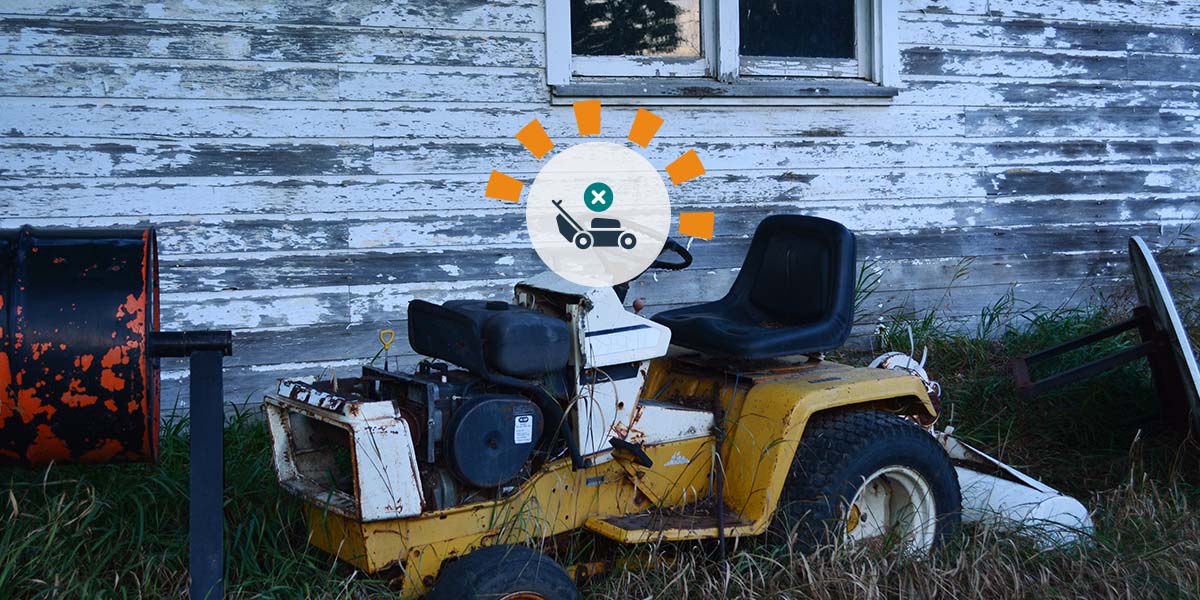
Image Source: dumpsters.com
When Your Faithful Mower Needs Retirement
Your trusty riding lawn mower has served you well, cutting through grass and keeping your lawn looking sharp. But every piece of equipment has a lifespan, and eventually, you’ll need to figure out what to do with your old machine. Simply abandoning it or improper disposal can lead to environmental damage and legal trouble. This detailed guide will cover all the important aspects of riding mower removal and responsible disposal.
Assessing Your Riding Mower’s Condition
Before you decide on the best disposal method, take a good look at your riding mower. Its current condition will significantly influence your options.
Options Based on Condition:
- Excellent Working Condition: If your mower still runs well, you have the best options available.
- Fair Working Condition: It runs, but it might have minor issues like starting problems or worn parts.
- Poor Working Condition/Non-functional: The mower is broken beyond reasonable repair or simply too old and worn out.
Rehoming Your Riding Mower: Giving It a Second Life
If your riding mower is still in decent shape, giving it a new home is often the most rewarding and cost-effective approach. This is a great way to handle used lawn mower disposal without creating waste.
Selling a Riding Lawn Mower
This is the ideal scenario if your mower is functional. There are several avenues you can explore:
Online Marketplaces:
- Craigslist, Facebook Marketplace, eBay: These platforms reach a wide audience. Be honest about the mower’s condition, provide clear photos, and list any known issues.
- Specialty Equipment Sites: Websites dedicated to farm or garden equipment might offer a more targeted buyer base.
Local Sales:
- Yard Sale: If you’re decluttering other items, your riding mower can be a significant draw.
- Local Classifieds: Community newspapers or bulletin boards can still be effective.
Consignment Shops:
- Some equipment or outdoor power equipment dealers may offer consignment services, selling your mower for a percentage of the sale price.
Tips for Selling:
- Clean it up: A clean mower looks more appealing and suggests it was well-maintained.
- Perform basic maintenance: Change the oil, check tire pressure, and ensure it starts easily.
- Gather documentation: Owner’s manuals, maintenance records, or receipts can add value.
- Set a fair price: Research similar models in your area to determine a competitive price.
Donating Your Riding Mower
If selling isn’t your priority, donating your functional riding mower is a fantastic way to help others and reduce waste.
Charities and Non-profits:
- Local Community Gardens: They often need equipment to maintain larger plots.
- Youth Organizations: Boy Scouts, Girl Scouts, or agricultural programs might benefit.
- Habitat for Humanity ReStores: Some ReStores accept donated tools and equipment.
- Local Churches or Community Centers: They may have grounds that require maintenance.
Important Considerations for Donation:
- Confirm acceptance: Always call ahead to ensure the organization can accept a riding mower and inquire about their pickup policies.
- Provide necessary information: Be ready to share details about the mower’s condition.
Responsible Disposal and Recycling: When Selling Isn’t an Option
When your riding mower has reached the end of its functional life, responsible disposal is crucial. This involves more than just leaving it by the curb. We’re talking about proper riding mower recycling and heavy equipment disposal.
Hazardous Materials to Consider
Riding lawn mowers, like other vehicles, contain components that can be harmful to the environment if not disposed of correctly.
Common Hazardous Components:
- Engine Oil and Lubricants: These should never be poured down drains or onto the ground.
- Gasoline and Fuel: Residual fuel can be flammable and polluting.
- Batteries: Lead-acid batteries contain hazardous materials.
- Hydraulic Fluid: If your mower has a hydraulic lift system.
- Coolant: If your mower has a liquid-cooled engine.
Preparing Your Mower for Disposal
Before taking your mower to a disposal facility, there are steps you should take to make the process safer and more compliant.
Draining Fluids:
- Engine Oil: Drain the oil into a leak-proof container. Many auto parts stores accept used motor oil for recycling.
- Fuel: Carefully drain any remaining gasoline into an approved container. Small amounts can sometimes be burned off by running the mower until it sputters out, but this should be done in a safe, well-ventilated area away from any ignition sources.
- Other Fluids: If applicable, drain hydraulic fluid and coolant into appropriate containers.
Battery Removal:
- Locate the mower’s battery.
- Disconnect the terminals (negative first, then positive).
- Remove the battery. Most auto parts stores or battery recycling centers accept old car batteries, and lawn mower batteries are often accepted there too.
Finding Local Disposal and Recycling Centers
This is where lawn mower disposal gets specific to your location. Regulations and facilities vary significantly by city, county, and state.
Local Government Resources:
- City/County Waste Management Department: This is your primary resource. Their website or customer service line will have the most accurate information on local regulations and authorized drop-off locations for bulky items or specific materials.
- Public Works Department: Sometimes they manage or direct residents to appropriate facilities.
Types of Facilities:
- Scrap Metal Recyclers: These facilities are excellent for mower scrap metal. They often pay a small amount for the metal weight. Remember to remove all fluids and the battery before taking it to a scrap yard.
- Landfills with Special Waste Programs: Some municipal landfills have designated areas or specific days for accepting bulky items or appliances, which may include riding lawn mowers. There may be a tipping fee.
- Specialized Recycling Centers: Look for centers that handle e-waste or scrap metal. Some may have specific programs for yard equipment.
- Repair Shops or Dealers: Sometimes, local lawn mower repair shops or dealerships may have arrangements for taking old equipment, especially if you are purchasing a new mower from them.
What to Ask Potential Facilities:
- Do you accept riding lawn mowers?
- Are there any fees associated with disposal?
- What are your hours of operation?
- Do you require fluids to be drained beforehand?
- Do you accept batteries?
- Do you offer pickup services? (This is less common for individual residents but worth asking if you cannot transport it yourself).
Junking Your Riding Mower: The “How to Junk” Process
If your mower is beyond repair and you’re specifically looking at how to junk a riding mower, it generally means taking it to a place that will dismantle it for parts and recycle the metal.
Steps for Junking:
- Prepare: Drain all fluids and remove the battery as described above.
- Locate: Find a local scrap metal yard or a specialized junk removal service that handles heavy equipment.
- Transport: You’ll likely need a trailer or truck to transport the mower.
- Drop-off/Pickup: Take it to the yard or arrange for them to pick it up (if offered). You might receive a small payment for the scrap metal value.
Using Junk Removal Services
If you can’t transport the mower yourself, a professional junk removal service is an excellent option for riding mower removal.
How it Works:
- Booking: You’ll typically book an appointment online or over the phone.
- Quoting: They may provide a quote based on the item’s size and weight, or they might need to see it.
- Removal: The crew will come to your property, load the mower, and haul it away.
- Disposal/Recycling: Reputable services will ensure the equipment is disposed of or recycled responsibly.
Benefits of Junk Removal Services:
- Convenience: They do all the heavy lifting and transport.
- Efficiency: They are equipped to handle large items.
- Responsible Disposal: Good services prioritize recycling and proper disposal methods.
Choosing a Service:
- Get multiple quotes.
- Check reviews and reputation.
- Ask about their disposal practices.
Alternatives to Traditional Disposal
Beyond selling, donating, or junking, there are a few other creative and environmentally friendly mower disposal options.
Parts Salvaging
If you’re handy with tools, you might be able to salvage usable parts from your old mower before disposing of the rest.
Potential Usable Parts:
- Wheels and tires
- Engine components (if still good)
- Seats
- Belts and blades (if sharp and undamaged)
- Steering components
You can sell these individual parts online or keep them as spares if you plan to purchase another mower. This turns used lawn mower disposal into a potential revenue stream or cost-saving measure.
Creative Reuse (with caution!)
While not strictly “disposal,” some people repurpose old riding mowers. This is usually for decorative or non-functional purposes.
- Garden Art: Painted and placed strategically in a garden.
- Unique Planters: With modifications, the deck area could hold plants.
Important Note: Ensure any modifications don’t create hazards. If you choose this route, you’ll still need to dispose of the non-repurposed parts responsibly.
Legal and Environmental Responsibilities
Understanding the legal framework and your environmental duty is paramount when it comes to lawn mower disposal.
Local Ordinances and Regulations
- Bulky Waste Collection: Some municipalities have specific days or procedures for collecting large items like mowers.
- Hazardous Waste Collection: Your local government might have designated household hazardous waste (HHW) drop-off days or permanent facilities that accept items with fluids or batteries.
- Prohibited Dumping: Illegally dumping your mower is a serious offense and can result in hefty fines.
Environmental Impact
Improper disposal, especially of the fluids and battery, can contaminate soil and water sources. Recycling ensures that valuable metals are recovered and that hazardous materials are handled safely. Choosing an environmentally friendly mower disposal method benefits everyone.
Summary of Disposal Options
Here’s a quick comparison to help you decide:
| Method | Condition Required | Best For | Considerations |
|---|---|---|---|
| Selling | Good to Fair | Getting value, reducing waste, finding new owner | Requires effort, time, advertising |
| Donating | Good | Helping community, reducing waste, tax deduction potential | Requires finding a suitable charity, potential transport arrangements |
| Scrap Metal Recycling | Poor to Non-functional | Recovering metal value, responsible disposal of bulk materials | Requires draining fluids/removing battery, transport, usually no payment or small scrap value |
| Junk Removal Service | Any | Convenience, hassle-free removal, professional handling of heavy items | Cost involved, requires research to find reputable service |
| Municipal Drop-off | Any | Following local regulations, designated disposal points | May involve fees, specific drop-off times/locations, requires transport |
| Parts Salvaging | Any (for parts) | Reusing components, potential profit from individual parts | Requires mechanical knowledge, tools, and effort to remove and sell parts |
Frequently Asked Questions (FAQ)
Q1: Do I have to drain the fluids before taking my riding mower to a recycling center?
A1: Yes, almost all recycling centers and scrap yards require you to drain all engine oil, gasoline, and other fluids before drop-off. This is for safety and environmental compliance.
Q2: Can I put my old riding mower in my regular curbside trash?
A2: Generally, no. Riding lawn mowers are considered bulky waste and often contain hazardous materials that prevent them from being collected with regular household trash. Check with your local waste management services for specific instructions.
Q3: How much can I expect to get for my old riding mower as scrap metal?
A3: The value depends on the weight of the metal and current scrap metal prices. You’re typically looking at a few cents per pound. It’s usually more about responsible disposal than making significant money.
Q4: Are there services that will pick up my riding mower for disposal?
A4: Yes, junk removal services specialize in picking up large items like riding lawn mowers. Your local waste management department or a municipal recycling center might also offer bulky waste pickup services, often for a fee.
Q5: What if my riding mower is still in good working condition but I don’t want it anymore?
A5: The best options are selling it or donating it. This gives it a second life, helps someone else, and is a more sustainable choice than disposal.
Q6: Where can I find information about local disposal regulations for my area?
A6: Your city or county’s waste management or public works department website is the best place to start. You can also call their customer service line for direct information.
By following these guidelines, you can ensure your old riding lawn mower is disposed of safely, legally, and with minimal impact on the environment. Whether you’re selling, donating, or recycling, responsible practices are key.